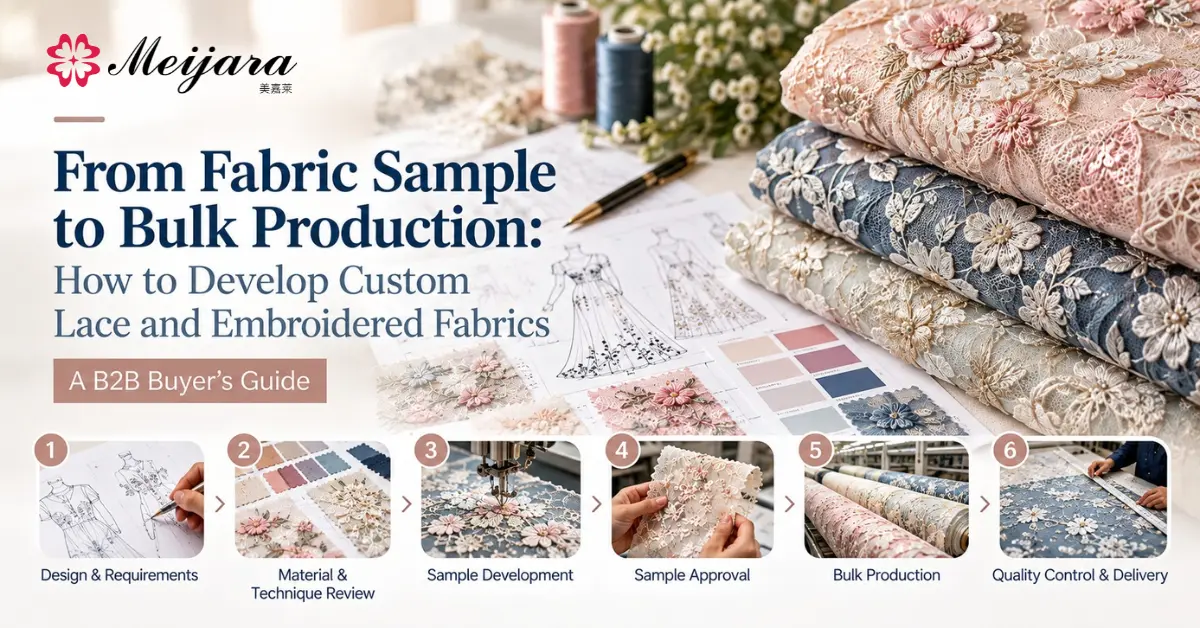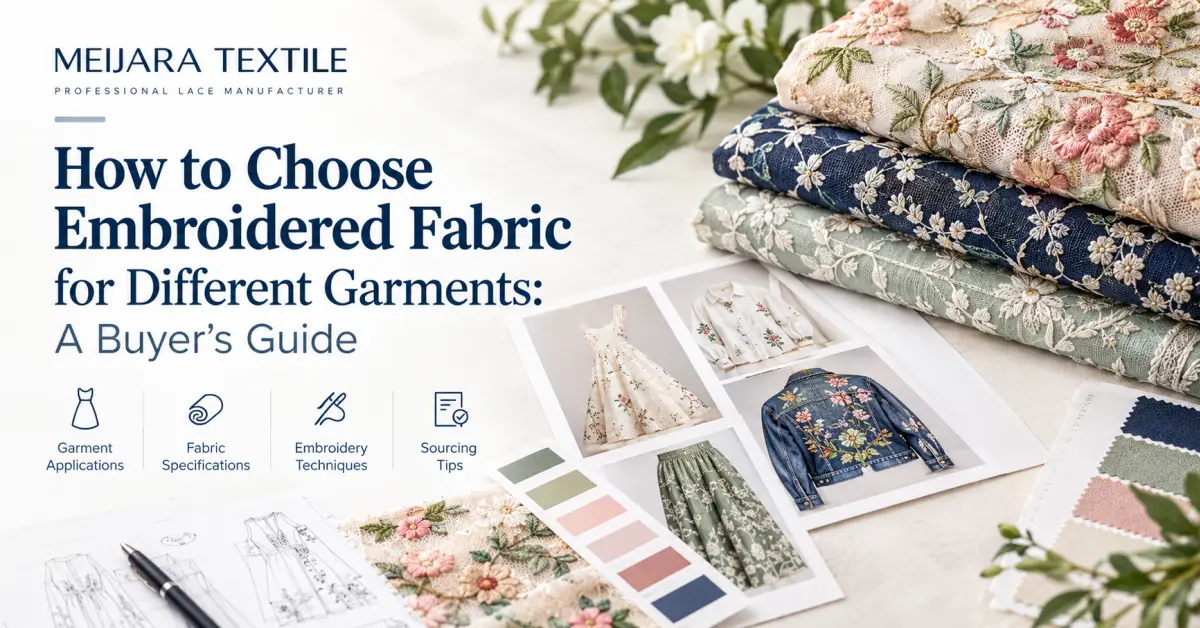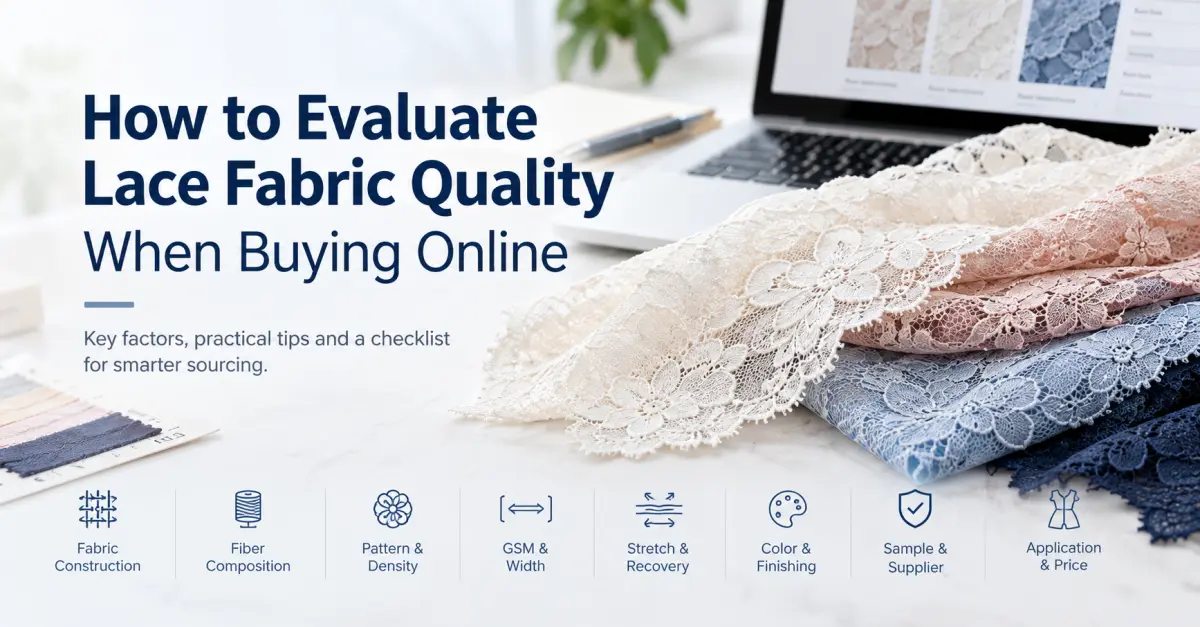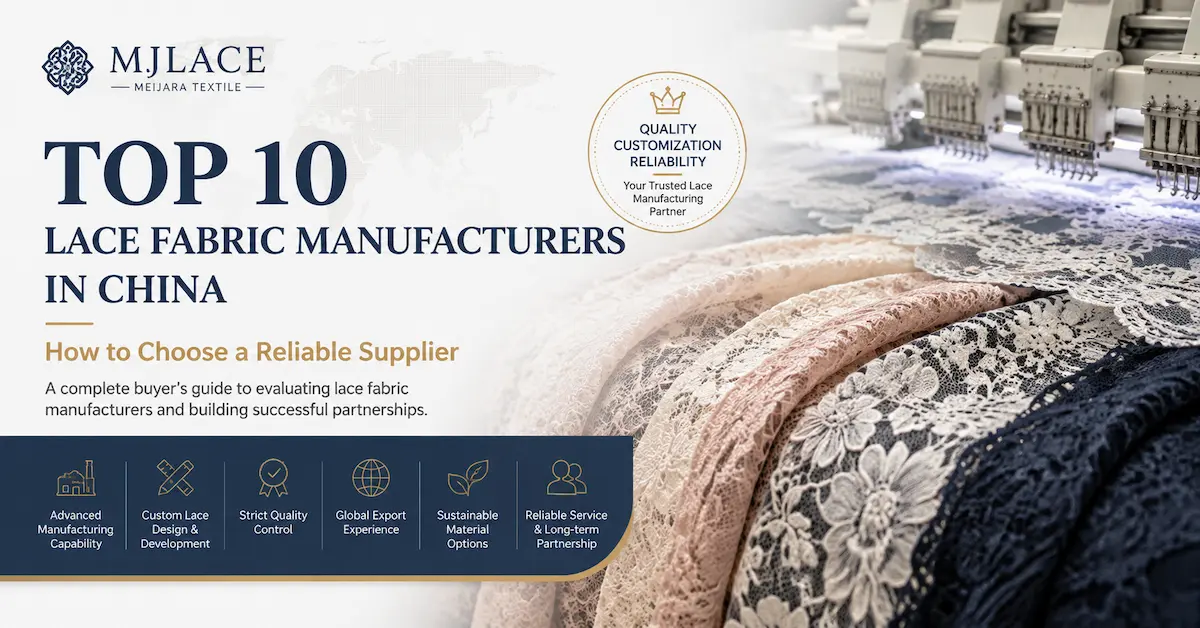


When it comes to designing high-quality fashion pieces, one of the key factors that can make a garment stand out is the type of fabric used. Lace fabric, in particular, has been a staple in the fashion industry for centuries. It adds a touch of elegance, delicacy, and sophistication to any garment, be it dresses, blouses, or accessories. However, sourcing the right lace fabric can be tricky, as there are numerous varieties, qualities, and suppliers to choose from. This article will guide you through the essential aspects of buying and sourcing lace fabric, helping you make the best decision for your design needs.
Understanding Different Types of Lace
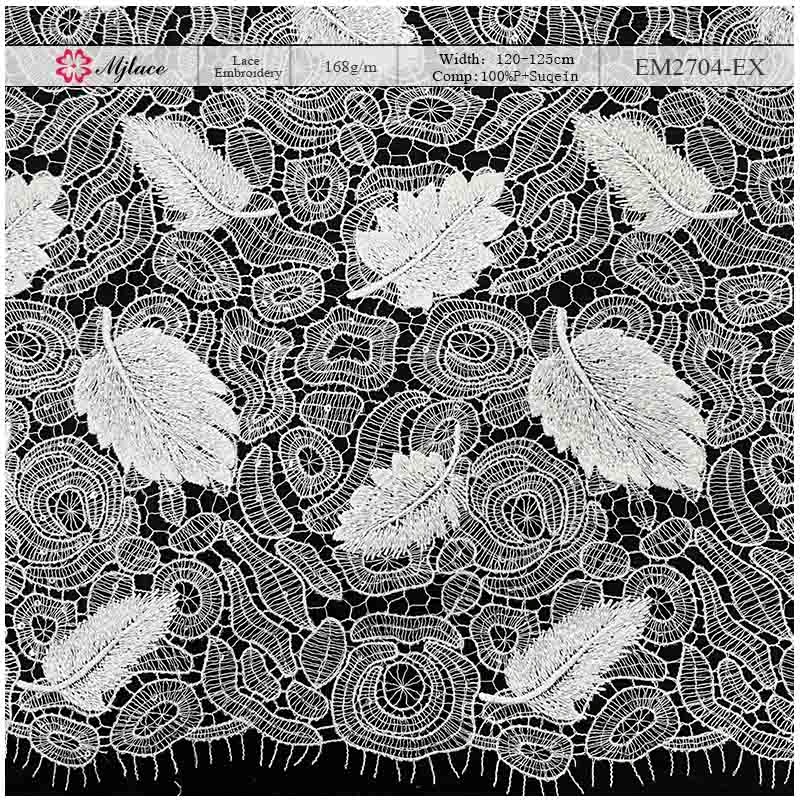
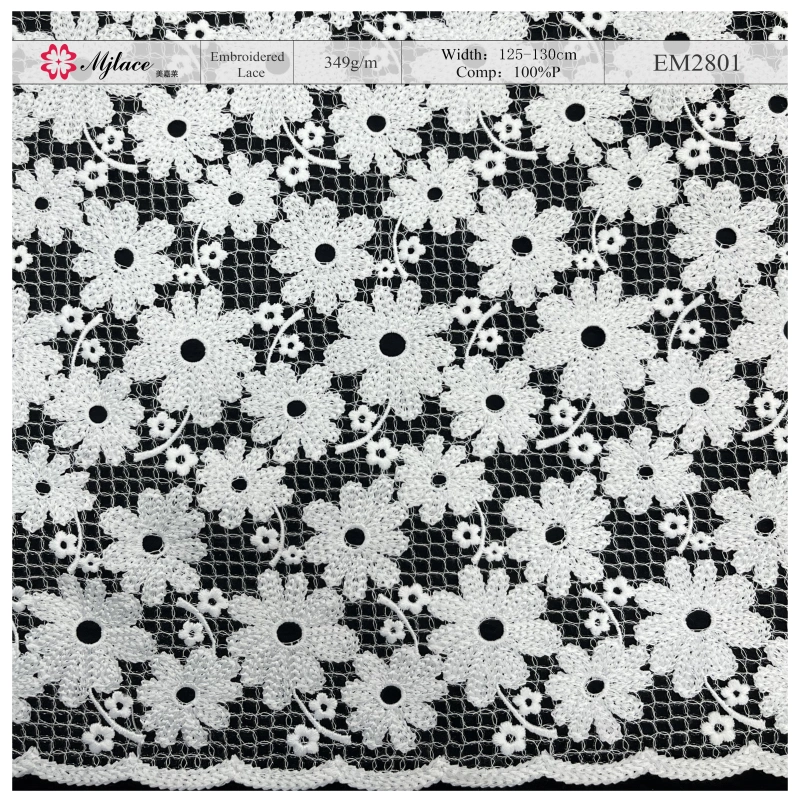
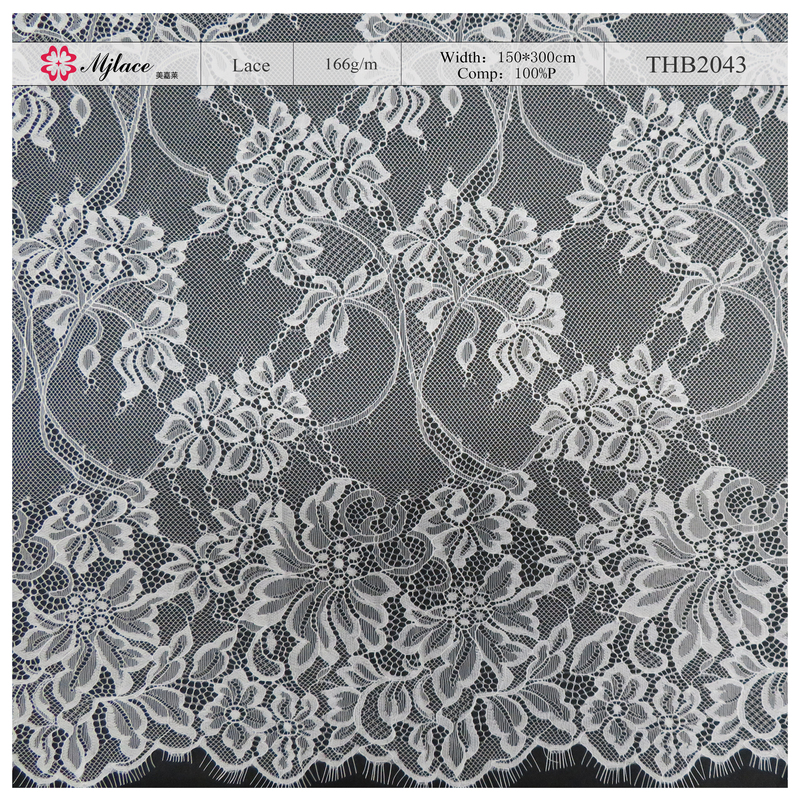
Before diving into sourcing lace fabric, it’s important to understand the various types of lace available in the market. Lace can be categorized based on its design, structure, and production method. Some of the most popular types of lace include:
-
Chantilly Lace: Known for its intricate floral patterns and delicate appearance, Chantilly lace is often used for wedding dresses, evening gowns, and lingerie.
-
Guipure Lace: This lace is characterized by its heavy, textured feel and open spaces. It’s often used for garments requiring more structure, such as jackets or statement skirts.
-
Stretch Lace: As the name suggests, stretch lace is made with elastic fibers, allowing the fabric to stretch and conform to the body. It is commonly used in activewear and lingerie.
-
Embroidered Lace: This type of lace features designs created through embroidery, often adding a three-dimensional quality to the fabric. Embroidered lace is commonly used for formal wear, bridal, and evening attire.
-
Jacquard Lace: Jacquard lace features woven patterns rather than embroidered ones, creating intricate designs directly into the fabric. It is often used for more tailored and structured garments.
Each of these lace types comes with its own advantages, so the right one for your design will depend on factors like the garment's intended use, the desired aesthetic, and the desired feel of the fabric.
Assessing Fabric Quality
Quality is paramount when sourcing lace fabric. Poor-quality lace can affect the overall look and durability of your garment. Here are a few things to consider when evaluating lace fabric:
-
Thread Count and Density: The thread count and density of the lace determine its durability and texture. A higher thread count often indicates a finer, more delicate fabric, while a lower count may result in a coarser lace.
-
Fabric Composition: Lace fabrics can be made from various fibers such as cotton, silk, polyester, or nylon. Silk lace offers a luxurious, soft finish, while polyester lace may be more durable and affordable. Consider your design's needs before choosing the fabric composition.
-
Finish and Softness: The finish of the lace fabric refers to the surface treatment that can affect the fabric's softness, sheen, and overall look. Depending on the desired outcome of your design, you may want a matte or glossy finish. Soft lace may be used for more flowy, delicate garments, while stiffer lace may suit structured designs.
-
Stretch and Flexibility: Stretch lace offers more flexibility, which is ideal for form-fitting designs like lingerie or activewear. Ensure that the stretch quality suits your garment's silhouette needs.
Finding Reliable Lace Fabric Suppliers
Once you’ve decided on the type and quality of lace you require, the next step is sourcing the fabric from a reliable supplier. Here are some essential tips for finding trustworthy lace fabric suppliers:
-
Experience and Expertise: Choose suppliers with a proven track record in the lace fabric industry. Look for companies that have been in business for a number of years and have established relationships with reputable manufacturers.
-
Customization Capabilities: If you have specific design requirements, such as custom embroidery, pattern development, or unique lace compositions, work with suppliers who offer these customization services. Companies like mjlace specialize in custom lace solutions, offering flexibility to meet your specific design needs.
-
Minimum Order Quantities (MOQs): Some suppliers may have minimum order quantities (MOQs) that may be more suitable for larger-scale production. However, if you're a smaller fashion designer or just getting started, it’s crucial to find suppliers who can work with smaller orders.
-
Samples and Testing: Always request samples before placing a bulk order. This allows you to assess the fabric’s quality, color accuracy, and overall feel. It's also important to conduct tests on the lace fabric to ensure that it will hold up well in your finished garments.
-
Delivery and Lead Times: When sourcing lace fabric, ensure that the supplier can meet your project deadlines. Lace may require additional lead time for production, especially if you’re ordering in large quantities or requesting custom designs.
Pricing Considerations
Price is always a key factor when sourcing fabric. Lace fabric prices vary significantly based on factors like fabric type, complexity of design, and the production process involved. Here are some things to keep in mind when it comes to pricing:
-
Quality vs. Cost: As with most materials, there’s a trade-off between price and quality. Higher-quality lace made from luxurious fibers such as silk will naturally cost more than synthetic options like polyester. However, a higher price often indicates better durability, appearance, and overall value in the long run.
-
Bulk Discounts: Many lace fabric suppliers offer discounts for larger orders, which can be beneficial if you plan to produce a large number of garments. Be sure to ask about bulk purchasing options and pricing tiers.
-
Shipping Costs: Don’t forget to factor in shipping costs, especially if you’re sourcing lace fabric from overseas. Shipping costs can vary based on the supplier’s location and the size of the order, so it’s essential to include these in your total cost calculation.
Consider Ethical and Sustainable Sourcing
As more and more consumers demand transparency from the fashion industry, it’s essential to source lace fabric from suppliers who prioritize ethical production and sustainable practices. Look for companies that:
-
Use eco-friendly materials such as organic cotton, recycled fibers, or biodegradable textiles.
-
Follow ethical labor practices, ensuring fair wages and safe working conditions for factory workers.
-
Implement sustainability practices in their manufacturing processes, such as reducing water usage, minimizing waste, and recycling materials.
At mjlace, we are committed to providing sustainable and ethically produced lace fabrics to our customers. Our products are crafted with care, ensuring that we meet both design excellence and environmental responsibility.
Building Long-Term Relationships with Suppliers
The relationship you build with your lace fabric supplier is crucial to the success of your design projects. Establish clear lines of communication, understand their capabilities, and stay informed about new fabric developments. Suppliers like mjlace are dedicated to fostering long-term partnerships with fashion designers, offering not only high-quality fabrics but also ongoing support for your custom lace needs.
Conclusion
Sourcing lace fabric for fashion design requires careful consideration of fabric types, quality, pricing, and supplier relationships. By understanding the intricacies of lace fabric and working with reliable, experienced suppliers, you can ensure that your designs are made with the finest materials, resulting in garments that showcase beauty, craftsmanship, and timeless elegance. Whether you’re working on a one-off design or planning a full-scale collection, sourcing the right lace fabric is a vital step in bringing your creative vision to life.