

The fashion industry is undergoing a major transformation. As global brands, designers, and consumers become increasingly aware of environmental challenges, sustainability is no longer an optional concept—it has become a key factor influencing material selection, manufacturing processes, and supply chain decisions.
Among different textile categories, lace fabric represents a unique challenge and opportunity. Traditionally associated with luxury fashion, bridal gowns, lingerie, and premium apparel, lace requires complex production techniques involving delicate yarns, intricate patterns, dyeing processes, and advanced machinery.
Today, sustainable lace fabric is becoming an important direction within the broader Sustainability & Eco Textile movement. Fashion brands are looking for lace suppliers that can combine aesthetic value with environmentally responsible production, offering materials that meet both design expectations and sustainability standards.
For international fashion companies sourcing lace fabrics, understanding sustainable lace manufacturing is essential. The right textile partner can help brands develop collections that reduce environmental impact while maintaining the quality, creativity, and craftsmanship expected from premium lace products.
This article explores how sustainable lace fabric is shaping the future of fashion, what technologies are driving eco textile innovation, and how brands can choose reliable sustainable lace suppliers.
What Is Sustainability & Eco Textile in the Fashion Industry?
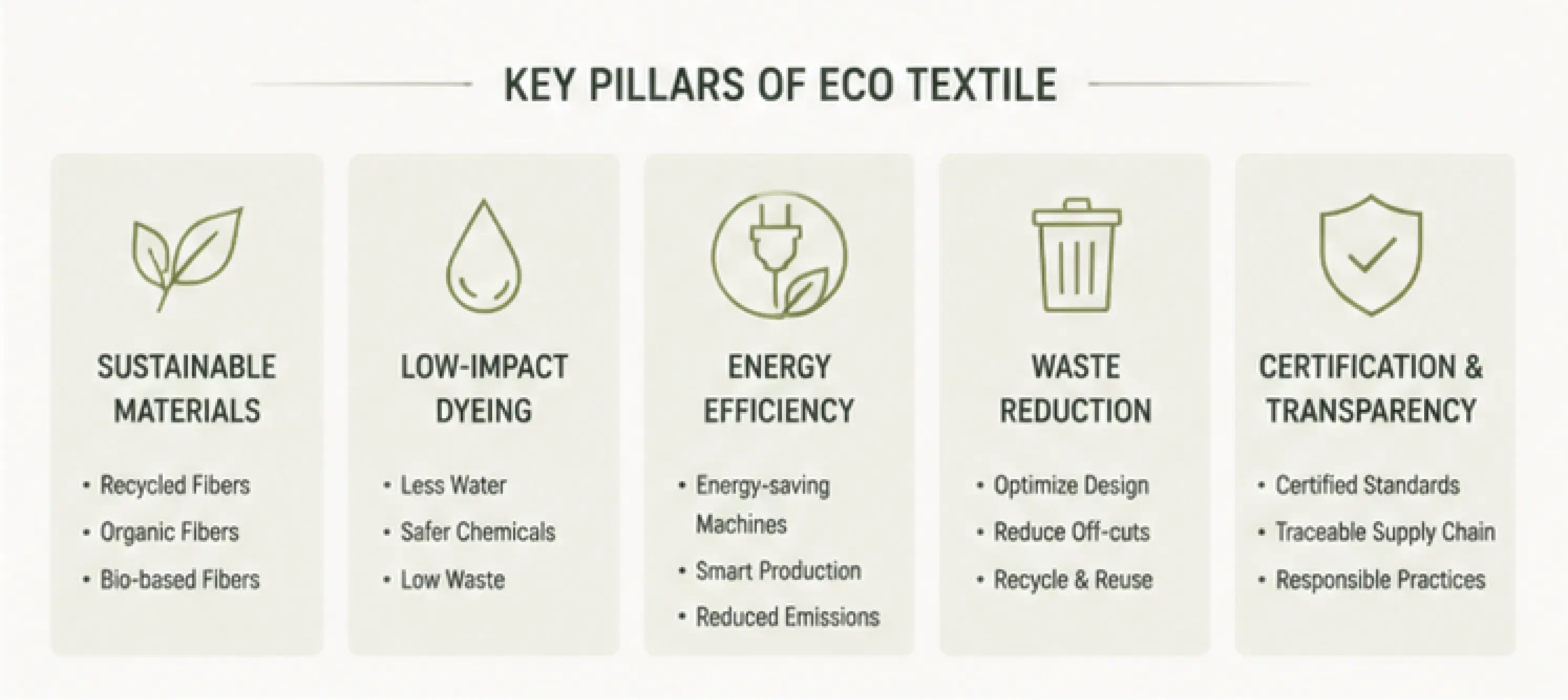
Sustainability & Eco Textile refers to the development and production of textile materials using environmentally responsible methods throughout the entire supply chain.
Unlike traditional textile production, which often focuses mainly on cost and efficiency, sustainable textile manufacturing considers:
-
Raw material sourcing
-
Energy consumption
-
Water usage
-
Chemical management
-
Waste reduction
-
Recycling possibilities
-
Worker conditions
-
Product lifecycle
For fashion brands, sustainability is no longer only about using recycled materials. It involves creating a complete responsible production system.
A sustainable textile approach aims to balance three important factors:
Environmental Responsibility
Reducing pollution, resource consumption, and waste during textile production.
Economic Sustainability
Creating efficient production systems that allow suppliers and brands to maintain long-term cooperation.
Social Responsibility
Ensuring ethical manufacturing practices and safe working environments.
In the lace industry, these principles influence every stage, from yarn selection and knitting technology to dyeing, finishing, and packaging.
Why Sustainable Lace Fabric Is Becoming Important
Lace has always played an important role in fashion design. From haute couture collections to wedding dresses and luxury lingerie, lace creates visual depth, elegance, and emotional appeal.
However, traditional lace production can involve challenges related to:
-
Synthetic fiber usage
-
Chemical dyeing processes
-
Production waste
-
Energy consumption
-
Material efficiency
As fashion brands move toward sustainable collections, they are increasingly searching for lace fabrics that offer both beauty and environmental value.
Growing Demand from Global Fashion Brands
Many international brands now include sustainability requirements when selecting textile suppliers.
Before cooperation, buyers increasingly evaluate:
-
Does the supplier provide recycled material options?
-
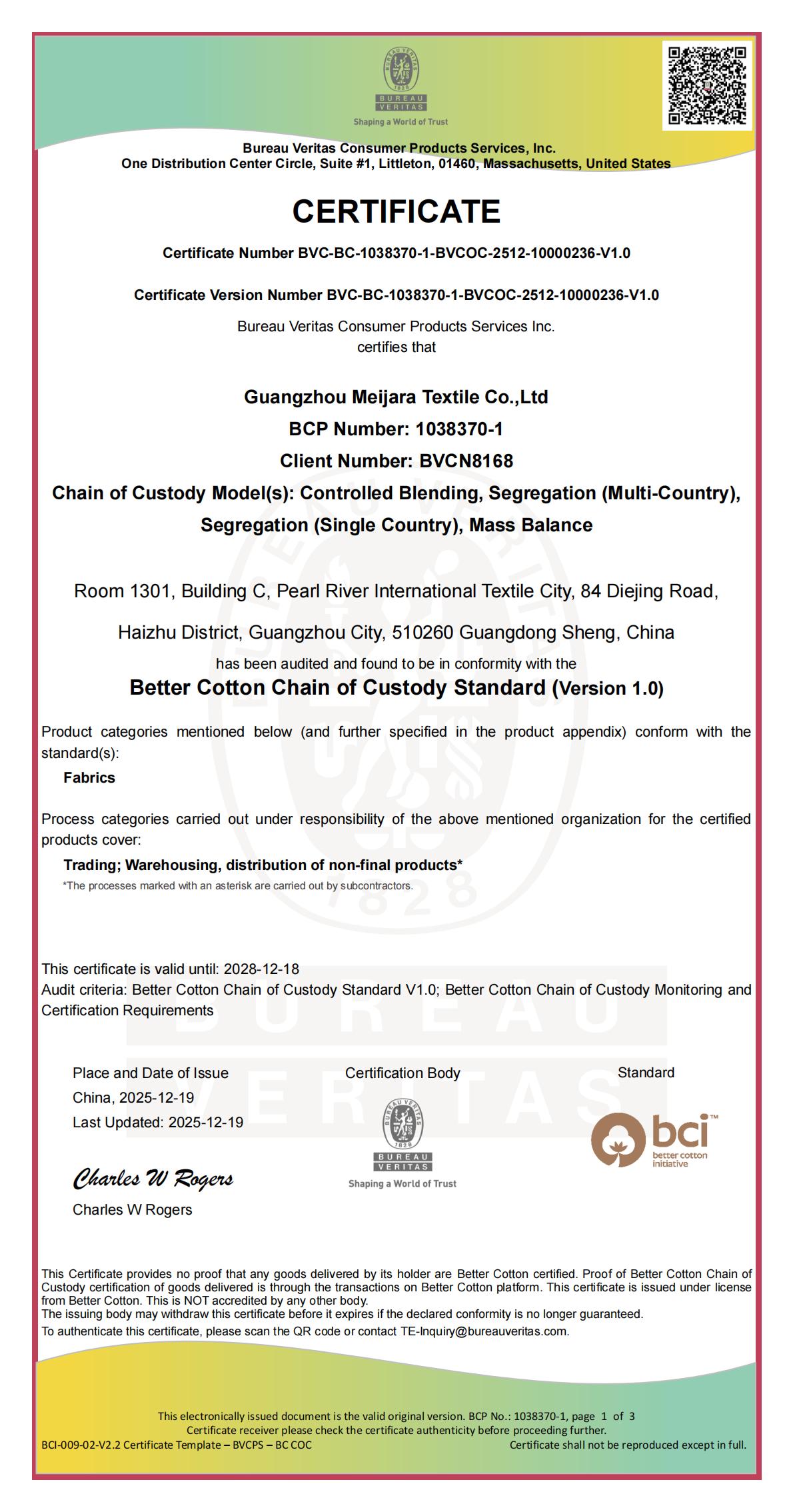
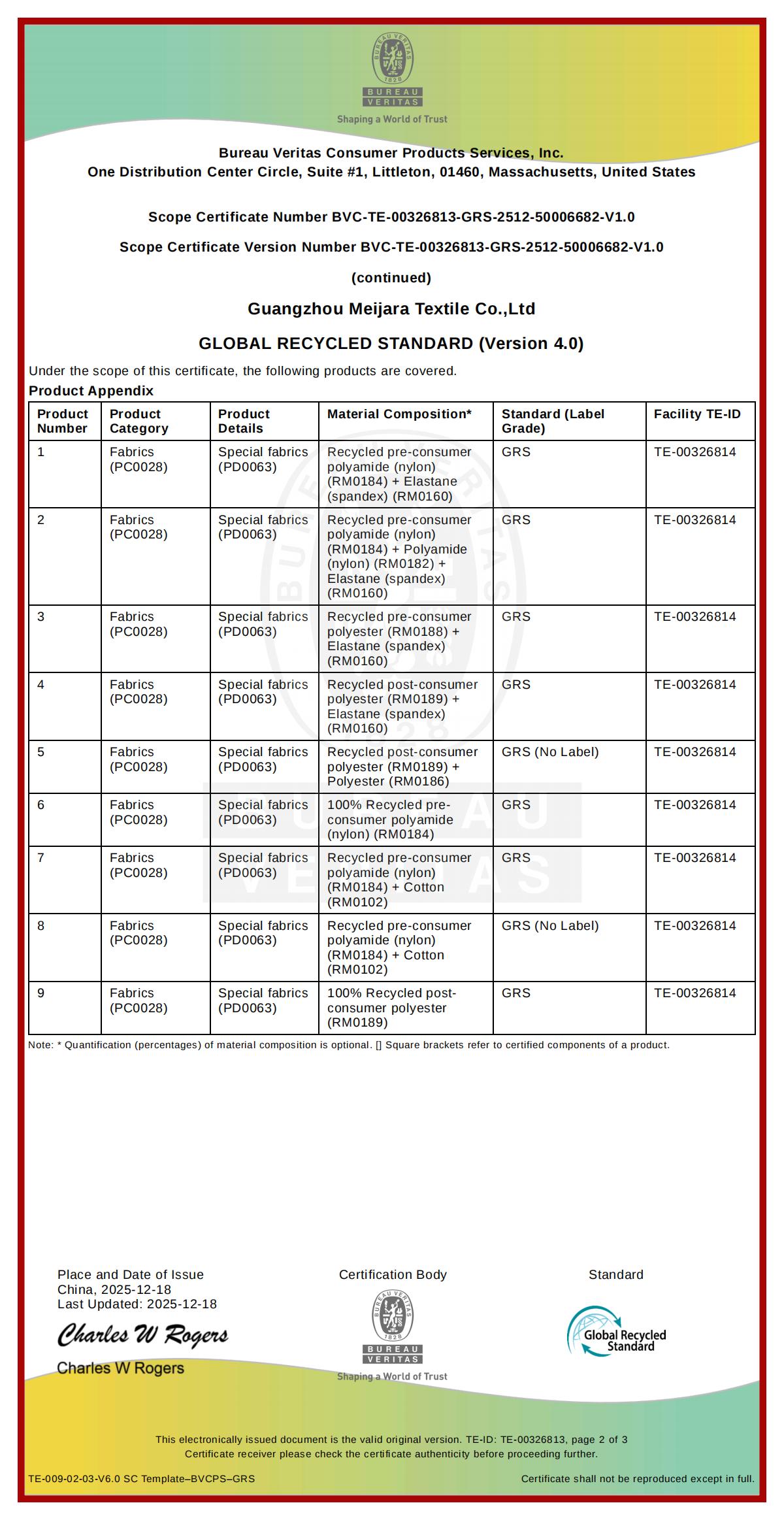
Can the factory provide sustainability certifications?
-
Are production processes optimized for lower waste?
-
Can the supplier support transparent supply chains?
For lace manufacturers, sustainability capability has become an important competitive advantage.
A modern lace factory is no longer only evaluated by production capacity. Buyers also consider environmental management, innovation capability, and long-term supply reliability.
Types of Sustainable Lace Fabric Materials
Sustainable lace fabric can be developed through different material strategies depending on product requirements.
Recycled Polyester Lace Fabric
Recycled polyester is one of the most widely used sustainable materials in fashion.
It is commonly produced from:
-
Recycled PET bottles
-
Post-consumer plastic waste
-
Industrial polyester waste
Compared with conventional polyester, recycled polyester can help reduce dependence on virgin petroleum resources.
For lace applications, recycled polyester offers:
-
Good durability
-
Stable performance
-
Suitable elasticity
-
Wide color possibilities
-
Compatibility with embroidery and finishing processes
It is commonly used for:
-
Fashion dresses
-
Evening wear
-
Bridal applications
-
Decorative lace panels
Many brands choose recycled polyester lace because it combines sustainability goals with commercial practicality.
Organic Cotton Lace Fabric
Cotton lace has always been valued for its natural appearance and comfortable touch.
Organic cotton lace focuses on reducing environmental impact during cotton cultivation.
Compared with conventional cotton, organic cotton production emphasizes:
-
Reduced chemical pesticide use
-
More responsible farming methods
-
Better soil protection
Organic cotton lace is especially suitable for:
-
Sustainable fashion collections
-
Baby clothing
-
Premium casual wear
-
Natural lifestyle brands
Its soft texture and breathable properties make it attractive for designers seeking a natural aesthetic.
Bio-Based and Innovative Textile Fibers
The sustainable textile industry is continuously developing new materials, including:
-
Plant-based fibers
-
Cellulose-based fibers
-
Bio-engineered materials
These materials provide new possibilities for lace design.
Although some innovative fibers are still developing commercially, they represent the future direction of eco textile manufacturing.
Sustainable Manufacturing Process of Lace Fabric
Material selection is only one part of sustainability.
A truly sustainable lace product requires responsible manufacturing throughout the production process.
Efficient Lace Knitting Technology
Modern lace production relies on advanced knitting machinery to create precise patterns with optimized material usage.
Advanced lace machines can improve:
-
Production efficiency
-
Pattern accuracy
-
Yarn utilization
-
Quality consistency
Reducing production waste is one of the most important ways manufacturers can improve sustainability.
Experienced lace factories use advanced equipment and production management systems to minimize unnecessary material consumption.
Sustainable Dyeing and Color Management
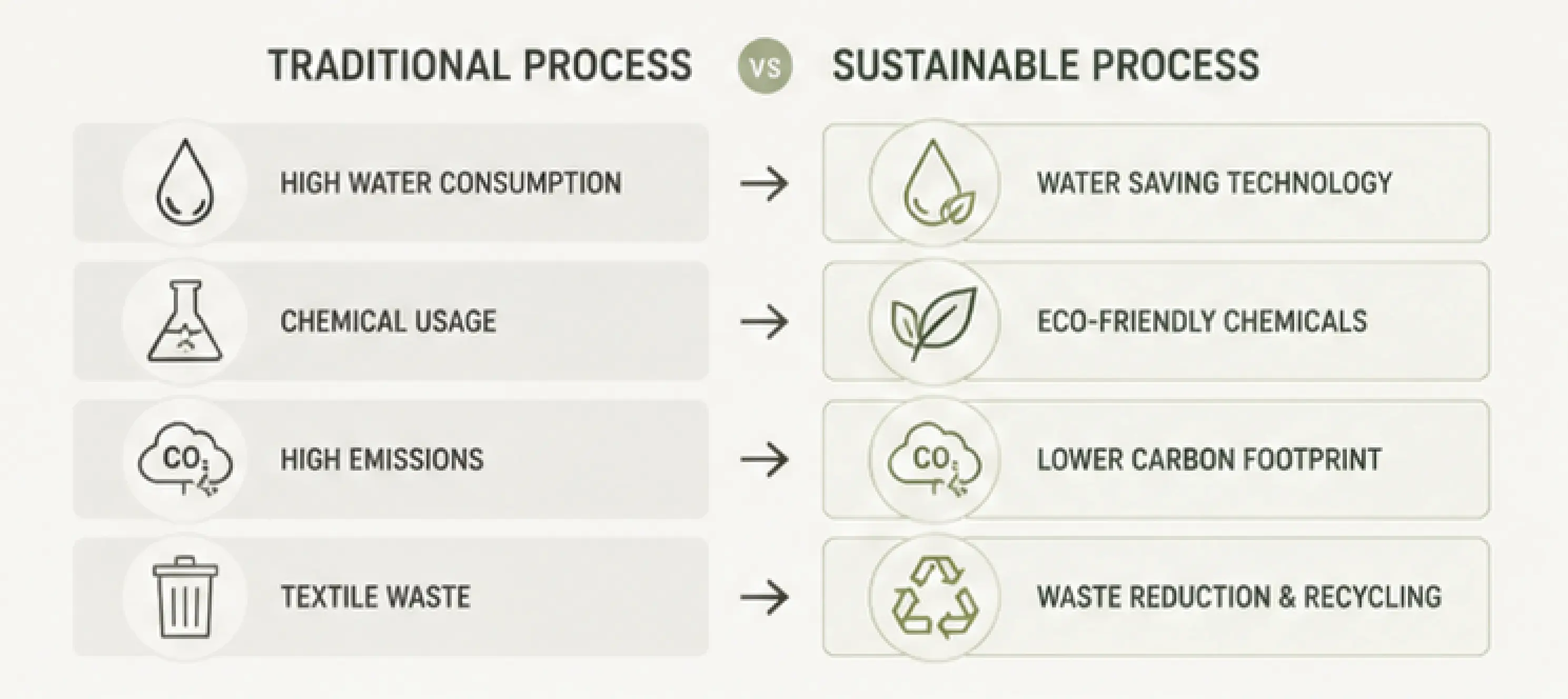
Dyeing is one of the most important stages affecting textile sustainability.
Traditional dyeing processes may consume significant amounts of:
-
Water
-
Energy
-
Chemicals
Sustainable dyeing practices focus on:
-
Optimized water usage
-
Better chemical management
-
Lower environmental impact dyes
-
Improved wastewater treatment
For fashion brands, responsible color development is especially important because lace products often require precise color matching. Learn about dyeing and color matching.
A professional lace supplier should have strong color management capabilities while maintaining environmental standards.
Waste Reduction During Production
Lace manufacturing requires precision because lace patterns are highly detailed.
Production waste can come from:
-
Cutting processes
-
Sampling
-
Pattern development
-
Defective materials
Sustainable manufacturers improve efficiency through:
-
Digital pattern development. Learn about pattern design development.
-
Better production planning
-
Quality control systems. Learn about quality control standards.
-
Recycling processes
Reducing waste not only benefits the environment but also helps brands achieve more competitive sourcing costs.
How Sustainable Lace Fabric Supports Green Fashion Brands
For fashion companies, sustainable lace is not only an environmental choice—it is also a branding opportunity.
Consumers today increasingly care about:
-
Where products are made
-
What materials are used
-
Whether brands follow responsible practices
Using sustainable lace fabrics allows brands to communicate:
Premium Craftsmanship
Lace represents craftsmanship and design value.
Combining traditional lace techniques with sustainable materials creates products with stronger market differentiation.
Environmental Commitment
Sustainable lace demonstrates that luxury and responsibility can coexist.
Better Brand Storytelling
Fashion brands can use sustainable materials as part of their product story:
"Designed with recycled lace fabric."
"Created using responsible textile production."
"Made with eco-conscious materials."
These messages can strengthen consumer trust.
The Role of Sustainable Lace Manufacturers
Choosing the right supplier is one of the most important decisions for brands developing sustainable fashion collections.
A reliable sustainable lace manufacturer should provide:
Material Expertise
The supplier should understand different sustainable fibers and recommend suitable solutions based on:
-
Product application
-
Performance requirements
-
Target market
-
Budget
Manufacturing Capability
Sustainable production requires experience, not only certification.
A professional manufacturer should have:
-
Modern lace production equipment
-
Experienced technicians
-
Stable quality control
-
Custom development capability
Customization Support
Fashion brands often require customized lace designs.
A capable supplier should support:
-
Custom patterns
-
Custom colors
-
Different lace structures
-
Embroidery development
-
Special finishing techniques. Explore customized processes.
Sustainable Lace Fabric Trends in Global Fashion
The global fashion industry is entering a new era where sustainability and design innovation are becoming increasingly connected. For many years, sustainability was mainly associated with basic fabrics such as organic cotton, recycled polyester, and regenerated fibers.
Today, this concept has expanded into more specialized textile categories, including lace fabric.
Fashion brands are no longer looking for sustainable materials only for casual clothing. Luxury fashion, bridal wear, lingerie, evening dresses, and premium apparel brands are actively exploring sustainable lace solutions.
Several important trends are shaping the future development of eco-friendly lace fabrics.
Recycled Lace Fabric Is Becoming a Mainstream Choice
One of the fastest-growing trends in sustainable textiles is the adoption of recycled fibers.
For lace manufacturers, recycled polyester yarn has become an important material option because it provides similar performance characteristics to conventional polyester while supporting brands' environmental goals.
Recycled lace fabric can be used in:
-
Bridal gowns
-
Evening dresses
-
Luxury lingerie
-
Fashion tops
-
Skirts
-
Decorative garment panels
The advantage of recycled lace is that it allows designers to maintain the delicate appearance of traditional lace while improving the sustainability profile of their products.
For global fashion brands, recycled lace offers a practical balance between:
-
Design flexibility
-
Cost control
-
Production stability
-
Sustainability requirements
As sustainability standards become stricter, recycled lace is expected to become increasingly common in international fashion collections.
Natural Fiber Lace Is Returning to Premium Fashion
While synthetic fibers remain widely used in lace production, natural fiber lace is experiencing renewed interest among premium fashion designers.
Cotton lace, linen lace, and other natural fiber-based lace materials are becoming popular because they provide:
-
Natural texture
-
Breathability
-
Soft hand feeling
-
Premium appearance
This trend is particularly visible in:
-
Sustainable bridal collections
-
Slow fashion brands
-
Luxury resort wear
-
Handmade-inspired fashion
Designers are increasingly combining traditional craftsmanship with modern sustainable materials to create products with stronger emotional value.
Custom Sustainable Lace Designs Are Growing
Modern fashion brands require more than standard lace patterns.
Instead of selecting existing designs, many brands now prefer customized lace development.
Custom sustainable lace allows brands to control:
-
Pattern originality
-
Material selection
-
Color direction
-
Texture
-
Product positioning
Examples include:
-
Floral recycled lace
-
Sustainable bridal lace
-
Custom embroidered lace
-
Eco-friendly jacquard lace
-
Organic cotton lace patterns
For suppliers, the ability to provide custom development has become an important factor when competing in the global textile market.
Sustainable Bridal Lace Is Becoming a Major Market Direction
The bridal industry has always been one of the most important application areas for lace.
Wedding dress designers traditionally rely on lace because it represents:
-
Elegance
-
Romance
-
Craftsmanship
-
Luxury
However, modern brides and bridal brands are increasingly interested in sustainable wedding concepts.
This has created growing demand for:
-
Recycled bridal lace
-
Organic cotton lace
-
Eco-friendly embroidered lace
-
Sustainable lace trims
Bridal designers are looking for materials that can create luxurious wedding gowns while aligning with environmental values. Explore bridal lace.
This trend provides new opportunities for lace manufacturers with sustainable production capabilities.
How Fashion Brands Can Source Sustainable Lace Fabric Suppliers
Selecting the right supplier is one of the most important steps when developing sustainable fashion collections.
A supplier's sustainability capability directly affects:
-
Product quality
-
Brand reputation
-
Production reliability
-
Compliance requirements
Below are key factors international buyers should evaluate.
Evaluate the Manufacturer's Production Experience
A sustainable lace supplier should have strong manufacturing experience, not only material knowledge.
Lace production requires specialized expertise because it involves:
-
Complex patterns
-
Precise machine operation
-
Yarn control
-
Dyeing accuracy
-
Finishing techniques
An experienced manufacturer can better manage:
-
Sustainable material performance
-
Production consistency
-
Customized development
When choosing a lace supplier, buyers should consider:
-
How long has the company produced lace?
-
Does the supplier own production facilities?
-
Can they support OEM/ODM projects?
-
Do they have experience serving international markets?
A manufacturer with years of lace production experience usually has better technical control and problem-solving ability.
Check Sustainable Material Options
Not every lace supplier can provide sustainable textile solutions.
Before cooperation, brands should confirm whether suppliers can offer:
Recycled Materials
Examples:
-
Recycled polyester lace
-
GRS-certified recycled lace options
Natural Materials
Examples:
-
Organic cotton lace. Explore cotton lace trim.
-
Cotton blend lace
Responsible Production Options
Examples:
-
Improved dyeing processes
-
Waste reduction systems
-
Sustainable packaging solutions
A professional supplier should be able to explain the advantages and limitations of different materials.
Request Product Samples Before Bulk Production
For lace products, physical samples are extremely important.
Pictures cannot fully show:
-
Fabric softness
-
Stretch recovery
-
Pattern clarity
-
Transparency
-
Color accuracy
Before placing bulk orders, brands should request:
-
Material samples
-
Color samples
-
Pattern samples
-
Finished garment tests
A reliable supplier should have a professional sampling process.
For example, Meijara Textile provides customized lace development services including:
Design → Development → Sampling → Production → Quality Control → Delivery
This process helps brands reduce development risks and ensure product consistency.
Understand Minimum Order Quantities (MOQ)
MOQ is another important consideration when sourcing sustainable lace.
Different products have different MOQ requirements depending on:
-
Material type
-
Pattern complexity
-
Production method
-
Dyeing requirements
Typical examples:
Lace Fabric Development
-
New lace design MOQ: around 3000–5000 meters
-
Sampling time: approximately 20–25 days
-
Bulk production: around 35–40 days
Embroidered Lace
-
MOQ: 300–500 meters per color
-
Sampling time: 8–10 days
-
Bulk production: approximately 18–20 days
Understanding MOQ helps brands plan product launches more efficiently.
Sustainability Certifications for Lace Fabric
Certifications provide additional transparency for fashion brands and consumers.
Although certification requirements vary by market and product category, several standards are commonly recognized in sustainable textile sourcing.
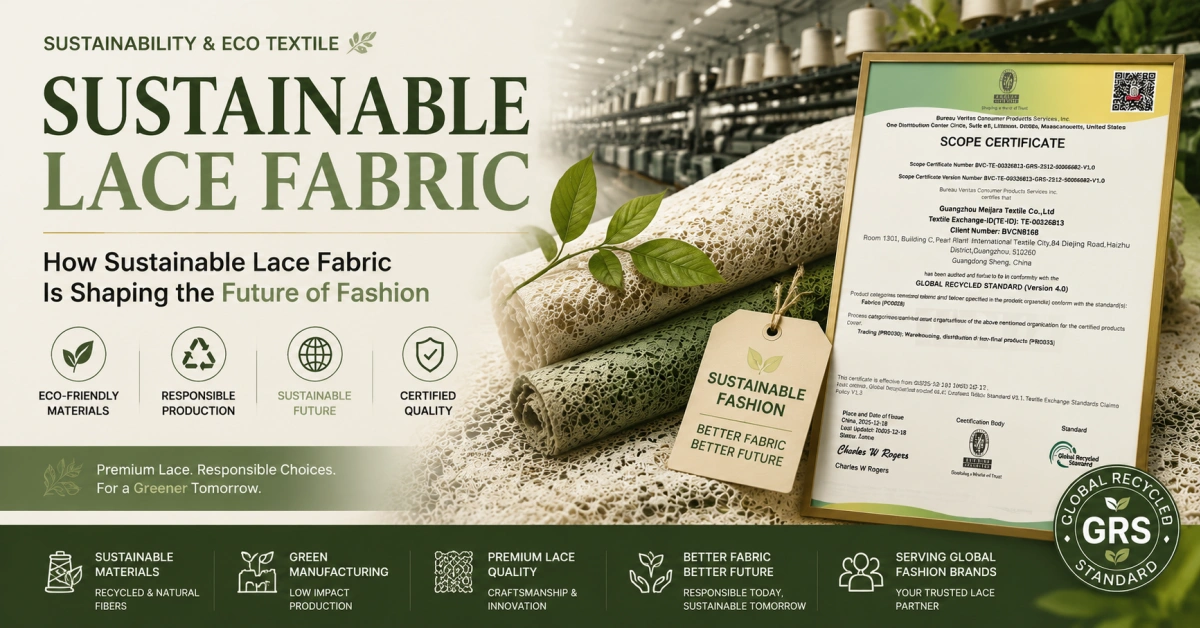
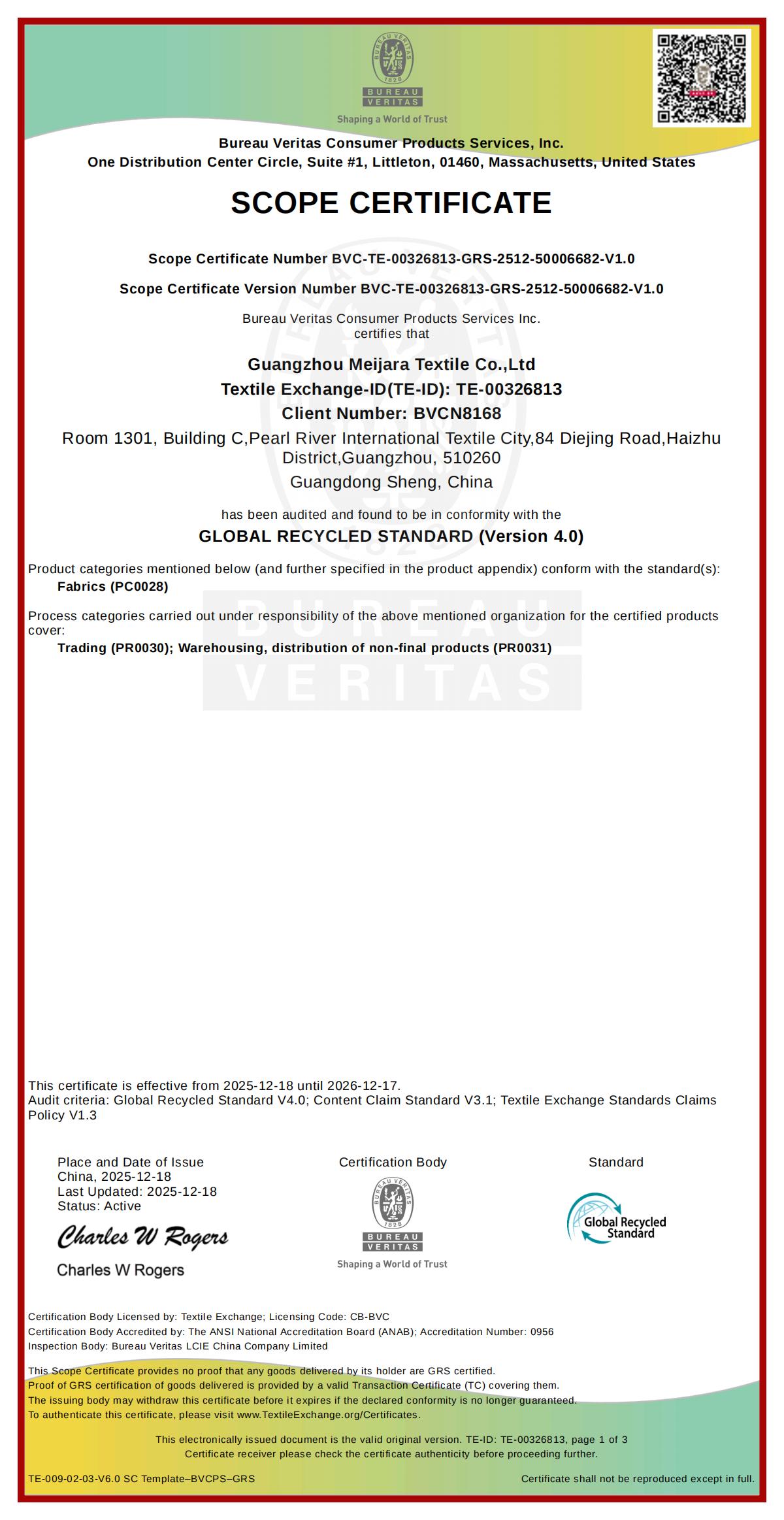
Global Recycled Standard (GRS)
The Global Recycled Standard (GRS) is one of the most recognized certifications for recycled textile materials.
GRS focuses on:
-
Recycled material content verification
-
Responsible production processes
-
Social and environmental practices
-
Chemical management
For brands developing recycled lace collections, GRS certification can provide stronger supply chain confidence.
OEKO-TEX® Standard 100
OEKO-TEX® certification focuses on textile safety.
It evaluates whether textile products contain harmful substances.
For lace used in:
-
Apparel
-
Bridal products
-
Lingerie
-
Children's clothing
chemical safety is especially important.
Other Sustainability Standards
Depending on market requirements, brands may also consider:
-
FSC-certified packaging materials
-
ISO environmental management systems
-
Responsible chemical management practices
The most suitable certification depends on:
-
Target market
-
Product category
-
Brand sustainability strategy. Visit our sustainability section.
Sustainable Lace Fabric Applications in Fashion and Bridal Industry
Sustainable lace is expanding into multiple fashion categories.
Sustainable Wedding Dresses
Bridal fashion remains one of the strongest markets for lace.
Designers use sustainable lace for:
-
Wedding gown overlays
-
Sleeves
-
Veils
-
Decorative panels
-
Bodice details
Eco-friendly bridal lace allows designers to create romantic designs while supporting sustainable wedding concepts.
Luxury Fashion Collections
Luxury designers often use lace as a statement material.
Sustainable lace can be applied to:
-
Couture dresses
-
Runway collections
-
Premium evening wear
-
Designer accessories
The combination of craftsmanship and sustainability creates unique product value.
Sustainable Lingerie
The lingerie market has strong demand for lace because of its:
-
Lightweight structure
-
Decorative appearance
-
Feminine aesthetic
Sustainable lace helps lingerie brands respond to increasing consumer interest in responsible fashion.
Ready-to-Wear Apparel
More mainstream fashion brands are introducing lace into everyday collections.
Applications include:
-
Blouses
-
Dresses
-
Skirts
-
Jackets
-
Layering pieces
Sustainable lace allows brands to create fashionable products while improving their environmental positioning.
Why China Has Become an Important Source for Sustainable Lace Fabric
China has developed into one of the world's major textile manufacturing centers.
For international buyers, Chinese lace manufacturers offer advantages in:
-
Manufacturing experience
-
Production capacity
-
Technology development
-
Supply chain integration
Especially in lace production, regions such as Fujian and Guangdong have developed strong textile ecosystems.
Professional Chinese lace manufacturers can provide:
-
Stretch lace fabric
-
Jacquard lace
-
Bridal lace
-
Custom OEM development
Advanced Production Technology
Modern Chinese lace factories increasingly invest in:
-
Advanced knitting machines
-
Digital pattern development
-
Automated production systems
-
Quality inspection equipment
These technologies improve:
-
Production efficiency
-
Material utilization
-
Product consistency
Complete Textile Supply Chain
One advantage of sourcing lace from China is the integrated textile supply chain.
From:
Yarn suppliers → Knitting factories → Dyeing facilities → Finishing factories → Export logistics
buyers can access a complete production network.
This helps reduce:
-
Development time
-
Communication costs
-
Production risks
OEM and Custom Development Capability
Many global fashion brands require exclusive lace designs.
Experienced Chinese lace manufacturers can support:
-
Custom patterns
-
Private label production
-
Color customization
-
Embroidery development
-
Special finishing techniques. Explore cut piece and processing.
This capability allows brands to create differentiated collections.
The Future Development Direction of Sustainable Lace Fabric
Sustainability is no longer a temporary trend in the fashion industry. It has become a long-term transformation that is influencing how brands design products, select materials, and manage supply chains.
For lace manufacturers, this change creates both challenges and opportunities.
In the future, sustainable lace fabric will continue evolving through improvements in:
-
Material innovation
-
Manufacturing technology
-
Production efficiency
-
Supply chain transparency
-
Circular fashion solutions
Fashion brands that understand these changes early will have stronger advantages in product development and market positioning.
Circular Fashion Will Increase Demand for Eco-Friendly Lace
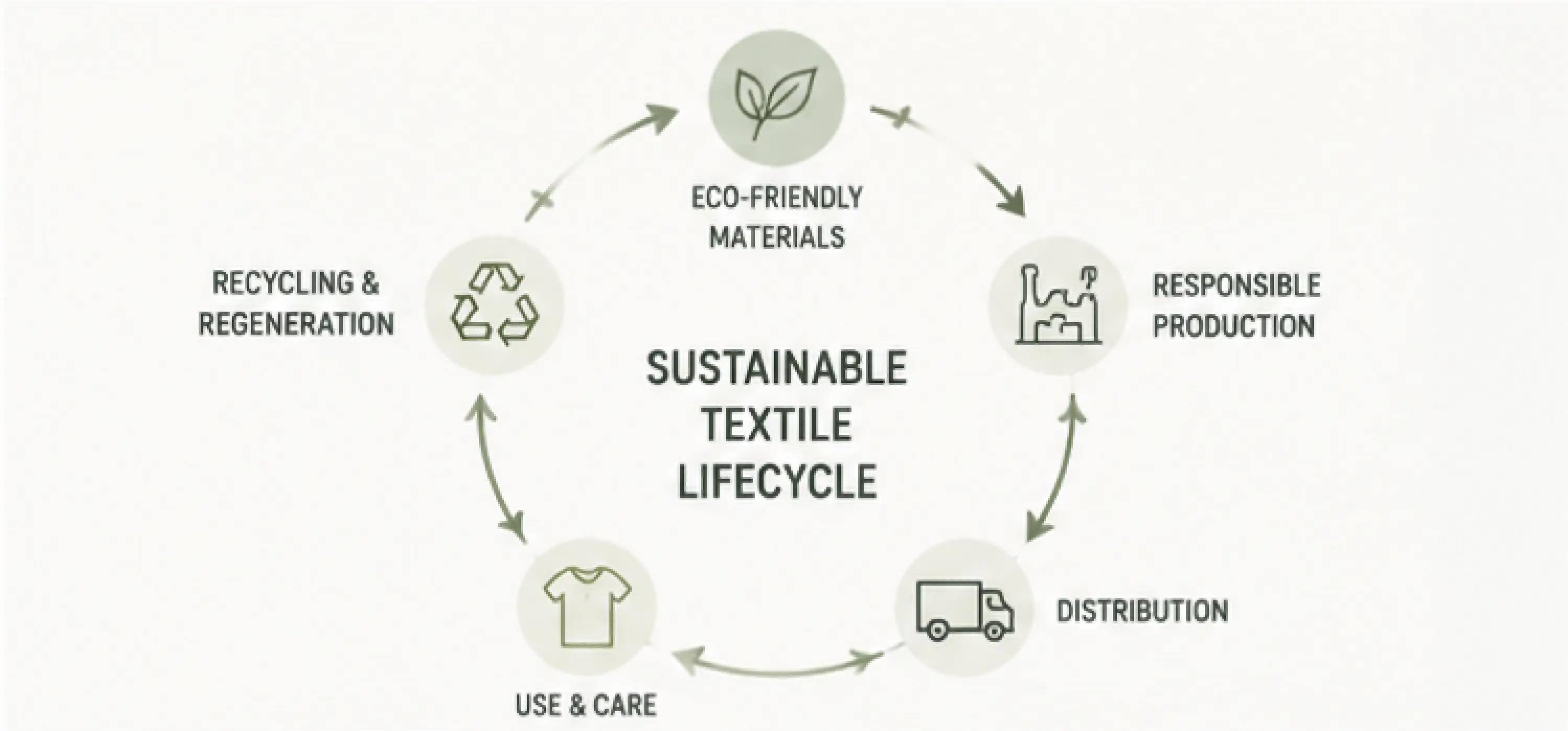
The concept of circular fashion focuses on reducing waste and extending product lifecycles.
Traditional fashion production often follows a linear model:
Raw materials → Manufacturing → Consumer use → Disposal
However, sustainable fashion aims to create a circular system:
Responsible materials → Efficient production → Longer product life → Recycling or reuse
Lace fabrics are increasingly becoming part of this movement.
Future lace development may focus on:
-
Recycled yarn applications
-
Easier textile recycling
-
Reduced material waste during production
-
Environmentally responsible finishing processes
For fashion brands, choosing sustainable lace is not only about environmental responsibility but also about creating products that match future consumer expectations.
Digital Design Technology Will Improve Sustainable Lace Development
Technology is changing how lace patterns are created and produced.
Traditional lace development requires multiple physical samples, which can increase:
-
Material consumption
-
Development time
-
Production costs
Digital design technology allows manufacturers and designers to improve efficiency through:
-
Digital pattern creation
-
Virtual sampling
-
Computer-aided design (CAD)
-
Digital color simulation
These technologies help reduce unnecessary sample production while allowing brands to test more design concepts.
For custom lace projects, digital development can shorten the communication process between designers and manufacturers.
Low-Waste Manufacturing Will Become More Important
Waste reduction is a key part of sustainable textile production.
Professional lace manufacturers are improving production efficiency through:
-
Optimized pattern layouts
-
Better machine settings
-
Improved cutting processes
-
Recycling of production waste
Because lace often contains complex patterns and delicate structures, production precision is especially important.
Manufacturers with advanced equipment and experienced technicians can achieve:
-
Higher fabric utilization
-
More stable quality
-
Reduced material loss
This provides both environmental and economic benefits.
Transparency Will Become a Key Supplier Requirement
Global fashion brands are paying more attention to supply chain transparency.
When selecting a lace supplier, buyers increasingly want to understand:
-
Where materials come from
-
How products are manufactured
-
Whether production meets compliance standards
-
How quality is controlled
Future textile suppliers will need to provide clearer information about:
-
Material sources
-
Manufacturing processes
-
Certifications
-
Quality control systems
A transparent supplier relationship helps brands build stronger consumer trust.
How Lace Manufacturers Can Build a Sustainable Supply Chain
For lace factories, sustainability is not only about using recycled materials.
A truly sustainable supply chain requires improvements across the entire production process.
Responsible Material Selection
The first step of sustainable lace production begins with raw materials.
Manufacturers can improve sustainability by selecting:
Recycled Fibers
Examples:
-
Recycled polyester yarn
-
Certified recycled materials
Benefits:
-
Reduced dependence on virgin resources
-
Lower environmental impact
-
Support for circular fashion
Natural Fibers
Examples:
-
Organic cotton
-
Cotton blends
-
Natural fiber lace
Benefits:
-
Comfortable hand feeling
-
Natural appearance
-
Suitable for premium fashion applications
Sustainable Dyeing and Finishing Processes
Dyeing is one of the most important stages affecting textile sustainability.
Modern textile manufacturers are improving dyeing processes through:
-
Better chemical management
-
Reduced water consumption
-
Improved color efficiency
-
Safer finishing methods
For lace fabrics, maintaining color accuracy is especially important because fashion brands often require:
-
Seasonal colors
-
Custom shades
-
Brand-specific tones
Professional dyeing management ensures both sustainability and product quality.
Quality Control Reduces Textile Waste
High-quality production is also a sustainability practice.
Poor-quality products often create:
-
Material waste
-
Production delays
-
Customer complaints
-
Additional transportation costs
A professional lace factory should have quality control procedures covering:
Raw Material Inspection
Checking:
-
Yarn quality
-
Material consistency
-
Color stability
Production Inspection
Monitoring:
-
Pattern accuracy
-
Fabric structure
-
Stretch performance
Final Inspection
Checking:
-
Appearance
-
Dimensions
-
Packaging quality
Better quality control helps reduce unnecessary waste throughout the supply chain.
Why Fashion Brands Should Partner with Professional Lace Factories
For international buyers, choosing the right lace supplier directly influences product success.
A professional lace manufacturer provides more than fabric supply.
They provide:
-
Technical support
-
Product development assistance
-
Manufacturing experience
-
Quality assurance
-
Supply chain reliability
Professional Development Support
Many fashion brands have creative concepts but require technical support to turn ideas into finished materials.
An experienced lace factory can help with:
-
Pattern adjustment
-
Material recommendations
-
Production feasibility evaluation
-
Sample development
This is especially important for:
-
Bridal designers
-
Luxury fashion brands
-
Emerging fashion labels
Stable Production Capacity
For global brands, consistency is essential.
A reliable manufacturer should be able to maintain:
-
Stable quality
-
Consistent colors
-
Reliable delivery schedules
This becomes particularly important when brands move from sample development to bulk production.
International Export Experience
Working with international customers requires knowledge of:
-
Export documentation
-
Packaging requirements
-
Shipping processes. Learn about importing logistics.
-
Quality expectations
Experienced suppliers understand the needs of overseas buyers and can provide smoother cooperation.
Why Meijara Textile Is a Reliable Partner for Sustainable Lace Fabric
With years of lace manufacturing experience, Meijara Textile focuses on providing professional lace solutions for global fashion brands.
As a lace fabric manufacturer, Meijara specializes in:
-
Stretch lace fabric
-
Jacquard lace fabric
-
Bridal lace
-
Embroidered lace
-
Lace trims
-
Custom OEM lace development
The company combines traditional textile experience with modern manufacturing technology to support international customers.
Custom Lace Development Capability
Meijara provides customized lace solutions based on customer requirements, including:
-
Original pattern development
-
Color customization
-
Material selection
-
Special finishing techniques
The development process includes:
Design → Development → Sampling → Production → Quality Control → Delivery
This allows brands to transform creative ideas into commercial textile products.
Advanced Manufacturing Experience
Professional lace production requires specialized machinery and technical expertise.
Meijara utilizes advanced lace manufacturing equipment and experienced production teams to ensure:
-
Stable quality
-
Precise patterns
-
Consistent production
Supporting Global Fashion Applications
Meijara lace fabrics are suitable for:
-
Wedding dresses
-
Luxury apparel
-
Evening gowns
-
Lingerie
-
Fashion accessories
-
Ready-to-wear collections
By combining design flexibility with manufacturing capability, Meijara helps brands develop distinctive lace products.
Frequently Asked Questions About Sustainable Lace Fabric
FAQ 1: What is sustainable lace fabric?
Sustainable lace fabric refers to lace produced using environmentally responsible materials and manufacturing processes.
It may include:
-
Recycled fibers
-
Natural fibers
-
Certified sustainable materials
-
Reduced-impact production methods
Sustainable lace helps fashion brands reduce environmental impact while maintaining decorative and functional performance.
FAQ 2: Is recycled lace fabric durable?
Yes.
High-quality recycled lace fabric can provide similar durability, appearance, and performance compared with conventional lace.
The final quality depends on:
-
Yarn quality
-
Manufacturing technology
-
Finishing processes
-
Supplier expertise
Professional manufacturers can produce recycled lace suitable for fashion and bridal applications.
FAQ 3: What certifications should sustainable lace suppliers have?
Common certifications include:
-
Global Recycled Standard (GRS)
-
OEKO-TEX® Standard 100
-
Environmental management certifications
The required certification depends on the target market and product requirements.
FAQ 4: Can sustainable lace fabric be customized?
Yes.
Many professional lace manufacturers provide customized sustainable lace development.
Customization options include:
-
Pattern design
-
Fabric composition
-
Color matching
-
Embroidery details
-
Finishing techniques
FAQ 5: What industries use sustainable lace fabric?
Sustainable lace is widely used in:
-
Bridal fashion
-
Luxury apparel
-
Lingerie
-
Evening wear
-
Sustainable fashion collections
FAQ 6: How can I find a reliable sustainable lace supplier in China?
When selecting a supplier, consider:
-
Manufacturing experience
-
Production capability
-
Sustainable material options
-
Quality control system
-
Custom development ability
-
Export experience
A factory visit, sample evaluation, and production review are recommended before long-term cooperation.
Sustainable Lace Fabric Will Define the Future of Fashion
The future of fashion is moving toward responsible production, transparent supply chains, and innovative materials.
Lace, as one of the most important decorative textiles, is also experiencing this transformation.
From recycled fibers and natural materials to advanced manufacturing technologies, sustainable lace fabric provides fashion brands with new opportunities to create products that combine beauty, quality, and environmental responsibility.
For international buyers, selecting an experienced lace manufacturer is the key to developing successful sustainable collections.
A reliable supplier can provide not only high-quality lace materials but also technical support, customization capability, and long-term supply chain cooperation.
As global fashion continues to evolve, sustainable lace will become an important bridge between traditional textile craftsmanship and the future of responsible fashion.
Ready to explore sustainable lace solutions for your brand? Visit our homepage to learn more or contact us for inquiries. You may also submit an inquiry for custom pricing.