



Introduction: Why Textile Market Insights Matter Today
The global textile industry is undergoing one of its most profound transformations in decades. Shifting consumer preferences, technological upgrades, sustainability regulations, and supply chain restructuring are redefining how fabrics are designed, produced, sourced, and sold.
For lace and specialty fabric manufacturers, understanding textile market insights is no longer optional—it is a strategic necessity. Brands, buyers, and sourcing managers now expect suppliers to offer not only competitive pricing and stable quality, but also market awareness, trend responsiveness, and forward-looking production capabilities.
This article provides a comprehensive overview of current textile market dynamics, with a focus on lace fabrics, helping manufacturers, wholesalers, designers, and global buyers make informed decisions.
Global Textile Market Overview
1. Market Size and Growth Outlook
The global textile market continues to grow steadily, driven by:
-
Rising apparel consumption in emerging markets
-
Expansion of technical and functional textiles
-
Increased demand for customized and small-batch fabrics
-
Growth of fast fashion and digital-first brands
While traditional mass-volume production is stabilizing, value-added textiles, including lace, embroidery, and decorative fabrics, are seeing stronger growth due to higher margins and differentiation potential.
2. Key Textile-Producing Regions
The global textile supply chain remains highly regionalized:
-
Asia (China, India, Vietnam): Manufacturing backbone, strong in scale, machinery, and material diversity
-
Europe (Italy, France): Design leadership, luxury lace, high-end finishing
-
Turkey: Fast-response production for European markets
-
Latin America: Nearshoring growth for the US market
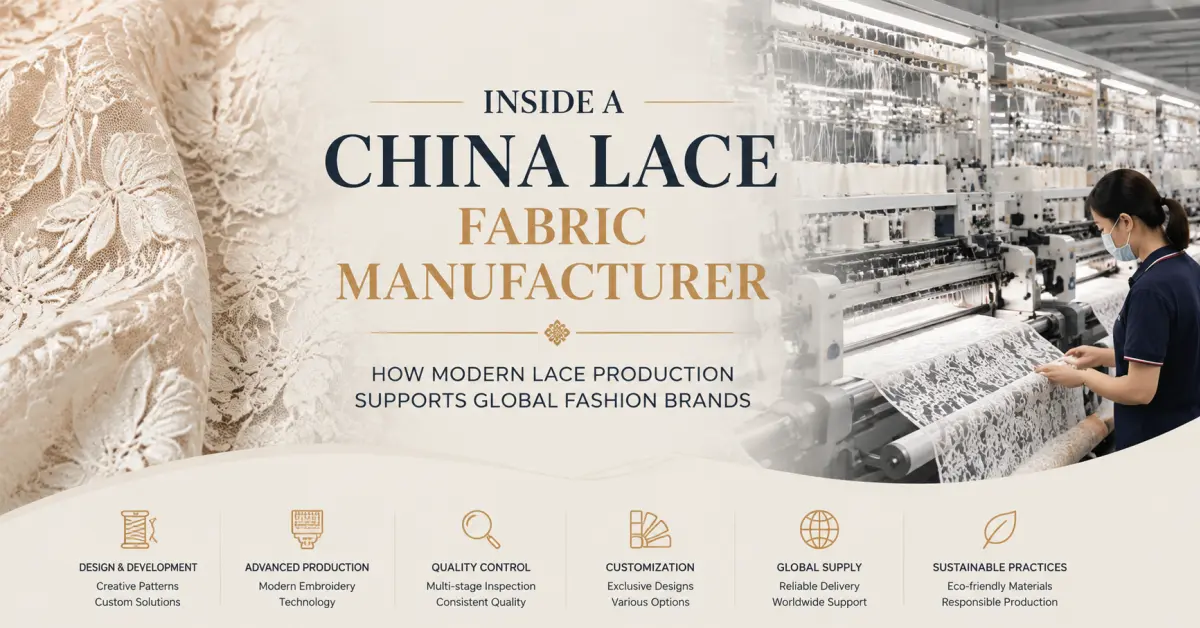
For lace manufacturing, China continues to lead in technology integration, pattern diversity, and OEM/ODM flexibility, while European producers retain influence in luxury and heritage styles.
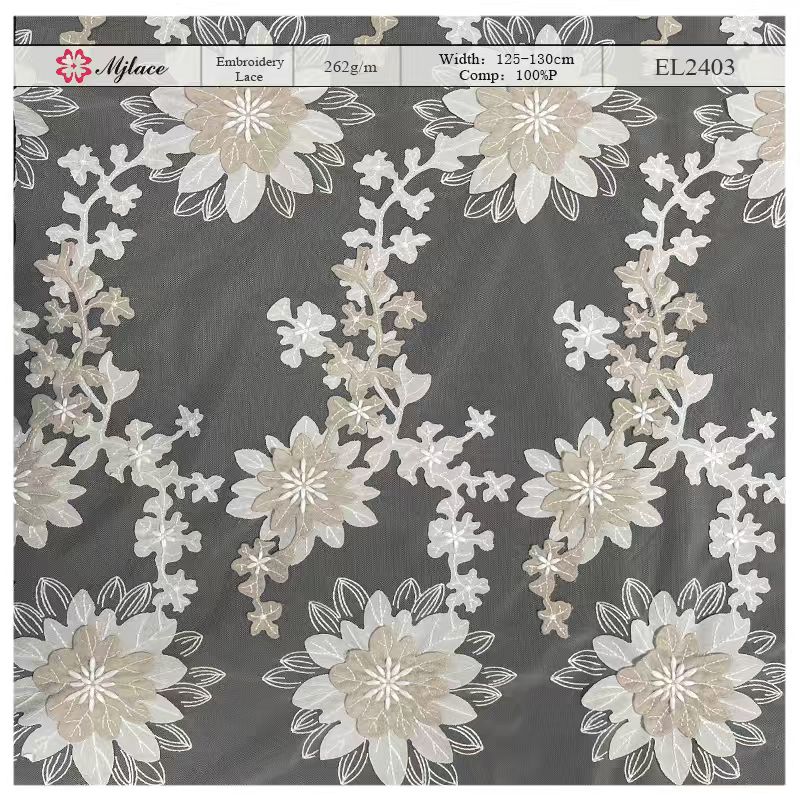
Lace Fabric Market Trends
1. Demand Shift: From Volume to Design Value
In the lace segment, buyers are increasingly prioritizing:
-
Unique patterns over generic designs
-
Custom development instead of stock items
-
Seasonal collections with shorter lifecycles
-
Design collaboration with manufacturers
This shift favors suppliers who invest in pattern development, sampling speed, and design services, rather than pure price competition.
2. Growth of Stretch and Functional Lace
Stretch lace, power lace, and functional lace fabrics are gaining momentum due to:
-
Expansion of lingerie and shapewear markets
-
Growth in athleisure and comfort-focused apparel
-
Increased use of lace in activewear and hybrid garments
Manufacturers offering elastic control, recovery stability, and colorfast performance gain a clear competitive edge.
Textile Market Trends by Application
1. Apparel & Fashion
Fashion remains the largest driver of lace consumption, particularly in:
-
Womenswear
-
Bridal and eveningwear
-
Lingerie and intimate apparel
Key trends include:
-
Lightweight lace for layered looks
-
Neutral and pastel color palettes
-
Floral and geometric hybrid patterns
2. Home Textiles
Lace is also finding renewed relevance in home décor:
-
Curtains and sheers
-
Table linens
-
Decorative panels
Here, durability, wash resistance, and color stability matter more than fashion cycles.
3. Emerging Uses: Cross-Industry Applications
Innovative designers are exploring lace in:
-
Footwear overlays
-
Accessories and trims
-
Interior and hospitality design
This opens opportunities for custom lace fabric manufacturers willing to adapt specifications.
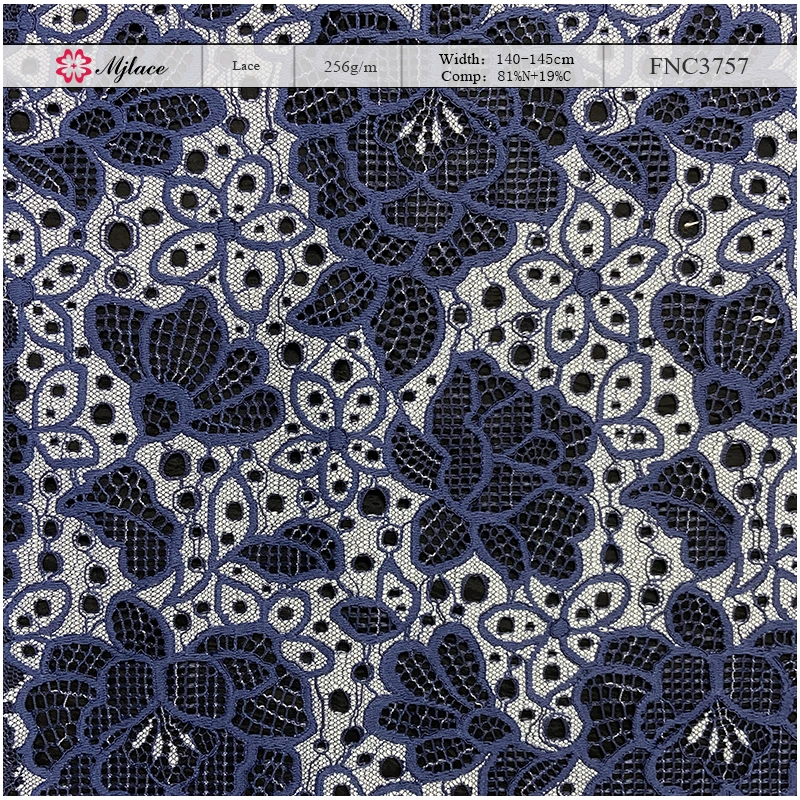
Pricing, Cost Pressure, and Margin Trends
1. Raw Material Fluctuations
Textile pricing is heavily influenced by:
-
Yarn costs (polyester, nylon, cotton, spandex)
-
Energy and water usage
-
Labor availability
Buyers are increasingly accepting value-based pricing when quality consistency and service reliability are proven.
2. From Low Price to Total Cost of Ownership
Global buyers now evaluate suppliers based on:
-
Rejection rate
-
Color consistency
-
Lead time reliability
-
Communication efficiency
This shift benefits manufacturers with strong quality control systems and transparent processes.
Sustainability and Compliance as Market Drivers
1. Regulatory Pressure
Markets such as the EU and North America are enforcing stricter requirements on:
-
Chemical usage
-
Dyeing wastewater treatment
-
Traceability and documentation
Lace suppliers aligned with sustainability standards are gaining preference in sourcing decisions.
2 Market Demand for Eco Lace
Sustainability is no longer limited to luxury brands. Mid-market buyers are also asking for:
-
Recycled yarn lace
-
Low-impact dyeing
-
Reduced water and energy consumption
This trend creates long-term opportunities for textile mills investing in eco-friendly technology.
Digitalization and Market Intelligence
1. Data-Driven Sourcing
Buyers now rely on:
-
Online catalogs and digital samples
-
Market reports and trend forecasts
-
Supplier websites as credibility indicators
A professional, content-rich website positions a lace manufacturer as a knowledgeable industry partner, not just a vendor.
2. Role of Content in Textile Market Insight
Educational content such as:
-
Market analysis articles
-
Technical guides
-
Trend breakdowns
helps build trust, attract organic traffic, and support sales conversations.
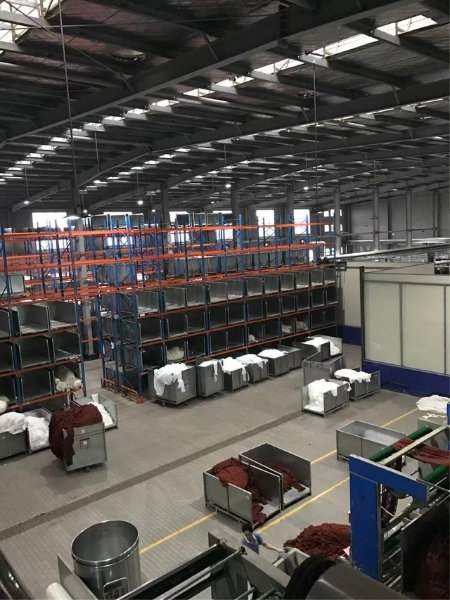
Opportunities for Lace Fabric Manufacturers
Manufacturers can gain competitive advantage by:
-
Aligning product development with market trends
-
Offering design and sampling support
-
Improving communication and responsiveness
-
Publishing authoritative textile knowledge
In the current market, expertise sells as much as fabric itself.
Conclusion: Turning Market Insight into Business Growth
The textile industry is no longer driven solely by scale and cost. Today’s market rewards manufacturers who understand where demand is coming from, how it is changing, and why buyers make decisions.
For lace fabric manufacturers, staying informed about textile market insights enables:
-
Better product planning
-
Smarter investment decisions
-
Stronger buyer relationships
-
Long-term brand positioning
In a competitive global landscape, knowledge is a strategic asset—and insight is the new differentiator.