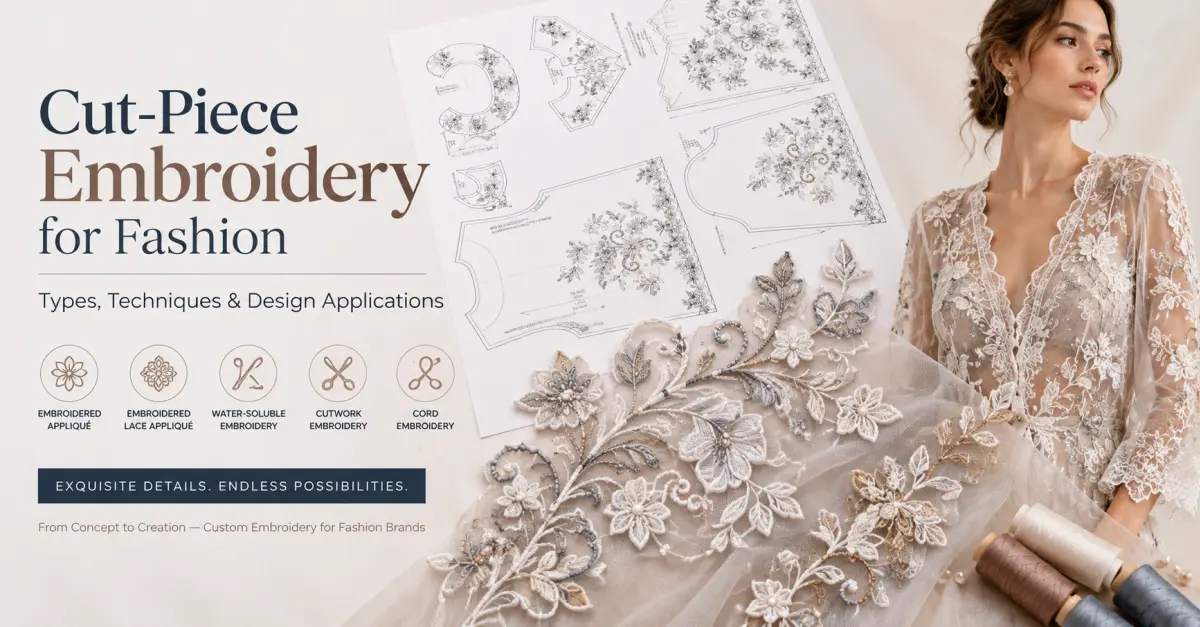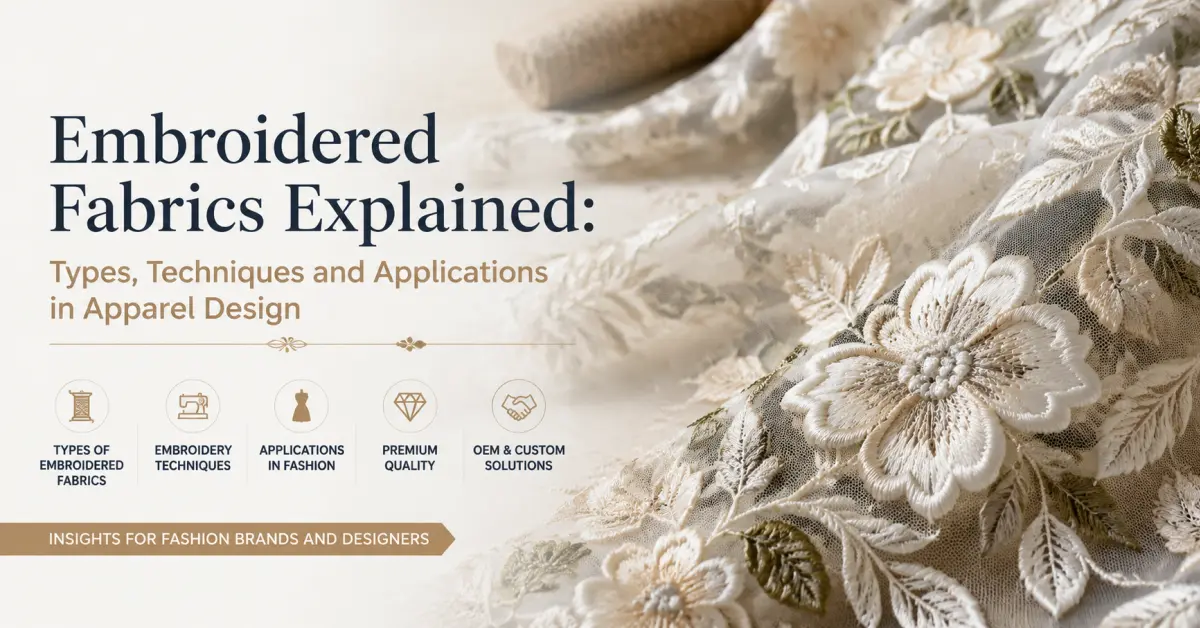


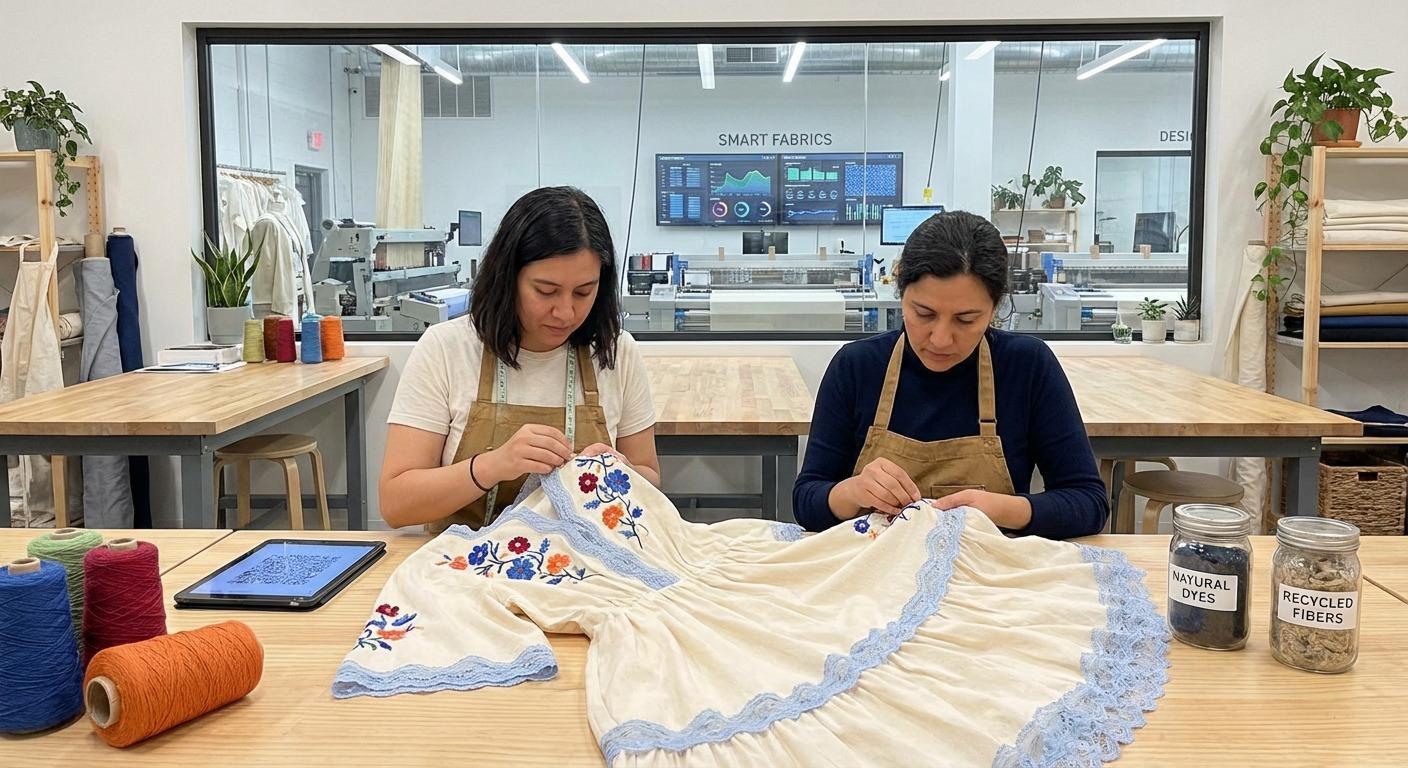
The development of lace fabric patterns and designs is one of the most crucial stages in lace fabric manufacturer. It not only determines the visual characteristics of the lace fabric, but also its functionality, production feasibility, cost, and final application in clothing.
For lace fabric supplier for fashion brands, designers, and purchasing managers, understanding the development process of lace patterns—from initial inspiration to final production—can significantly improve design efficiency, communication accuracy, and product success rates.
This guide provides a comprehensive explanation of the design, development, testing, and improvement process of lace patterns, covering the creative and technical aspects of lace fabric development.
What is the development of patterns and designs for lace fabrics manufacturer?
custom lace pattern development refers to the process of transforming creative ideas into custom lace fabric production structures.
These include:
-
Pattern Design
-
Pattern repetition planning
-
Structural Engineering
-
Yarn and needlework selection
-
Sampling and revision
-
Compatibility with different lace machines
Unlike printed or woven fabrics, lace designs must balance aesthetics and structure. Each pattern must be both beautiful andtechnically feasible.
The role of lace patterns in fashion design
Definition of lace pattern:
-
Brand image (romantic, luxurious, modern, retro)
-
Clothing silhouette and drape
-
Transparency and coverage
-
Strength and comfort
-
Cost positioning (mass market vs. high-end market)
The carefully designed embroidered lace fabric can make the brand:
-
Stand out in a highly competitive market
-
Maintain consistency across all series.
-
Improve fit and wearing comfort
-
Reduce sampling error and delay
Inspiration for lace pattern design
3.1 Fashion and Trend Forecasting
Design inspiration often begins with:
-
Seasonal Fashion Trends Report
- lace fabric trend insights
-
Fashion Show Series
-
Color forecast
-
Fabric Trend Board
These trends can influence the scale, density, and visual rhythm of patterns.
3.2 Nature and Art
Common sources of inspiration include:
-
Floral and plant elements
-
Geometric shapes
-
Architectural details
-
Cultural and historical allusions
3.3 Brand DNA and Market Positioning
Luxury wedding dress lace is quite different from the casual stretch lace commonly used in lingerie. Pattern design always begins with clearly defining the end use.
Lace pattern structure types
4.1 Full-body pattern
-
Continuous repetition
-
Suitable for dresses, blouses using water soluble embroidered lace fabric, and large pieces of fabric
-
Precise repeat alignment required
4.2 Borders and Fan Patterns
-
Single-sided or double-sided edge
-
Used for hem, collar, and cuffs
-
Requires a high level of technical precision
4.3 Layout and Panel Design
-
Designed specifically for specific clothing areas
-
Commonly seen in haute couture and wedding dresses
-
Often combined with embroidery
Digital pattern design in modern lace development
5.1 CAD Software in Lace Design
Modern lace pattern design relies heavily on computer-aided design (CAD) systems:
-
Pattern creation
-
Repeated calculation
-
Sewing Simulation
-
Yarn Path Visualization
This enables designers and manufacturers to:
-
Shorten development time
-
Improve accuracy
-
Quickly test multiple solutions
5.2 Jacquard Pattern Programming
The pattern of the jacquard lace must be converted to:
-
Machine-readable data
-
Yarn movement instructions
-
Stitch density control
This step directly affects:
-
Fabric stability
-
Pattern clarity
-
Production efficiency
Technical considerations in the development of lace patterns
6.1 Yarn Selection
Different yarns will have the following effects:
-
texture
-
shine
-
strength
-
Tensile properties
Commonly used yarns include:
-
nylon
-
Polyester fiber
-
cotton
-
Rayon
-
Spandex (used in elastic lace)
6.2 Pattern density and openness
Designers must weigh the following points:
-
Visual delicacy
-
Structural integrity
-
Tear resistance
-
Clothing durability
Overly open patterns may look nice, but they will fail abrasion resistance tests.

Development of patterns for different types of lace
7.1 Elastic Lace Pattern Design
Key points:
-
Elastic recovery
-
Pattern Distortion Control
-
Comfortable to wear
The pattern must be stretched evenly without deformation.
7.2 Jacquard lace pattern design
Key points:
-
Depth and texture
-
Multi-layer effect
-
Structural complexity
7.3 Embroidery and Lace Pattern Design
High-end designs often require premium embroidered lace fabric
Key points:
-
Base Compatibility
-
Embroidery density
-
Line weight and layering
7.4 Chemical Lace Pattern Design
Key points:
-
Structural independence
-
Chemical process tolerance
-
Edge sharpness after dissolving the base fabric
Sample collection and prototype development
Sampling is a crucial validation phase.supported by professional lace manufacturing processes
8.1 Initial Sampling (Laboratory Impregnation and Structural Testing)
-
Pattern visibility
-
Yarn behavior
-
Structural stability
8.2 Adaptability and Applicability Testing
Pattern testing includes:
-
Garment Sample
-
Stretching and recovery test
-
Washing and abrasion tests
8.3 Mode Optimization
The revisions may include:
-
Adjust pattern size
-
Adjust stitch density
-
Change the yarn combination
Collaboration between designers and manufacturers
Successful lace pattern development depends on close collaboration.
Manufacturer provides:
-
Technical feasibility insights
-
Machine limitations
-
Cost optimization suggestions
Provided by the designer:
-
Creative Director
-
Brand Requirements
-
Market expectations
This collaborative approach can minimize risks and improve the final outcome.
Common challenges in lace pattern design
-
Pattern deformation during stretching
-
Inconsistent alignment of repeat sequences
-
Overly complex designs will increase costs.
-
Limited machine compatibility
-
Poor communication between the design and production teams
Experienced manufacturers play a crucial role in addressing these issues early on.
OEM lace fabric manufacturer
For brands seeking differentiation, OEM pattern development can be offered:
-
Exclusive design
-
Controlled intellectual property ownership
-
Brand exclusive pattern
Custom pattern development typically includes:
-
Conceptual discussion
-
CAD design
-
sampling
-
Approval and production scale
Future Trends in Lace Pattern Design
-
Digital-first pattern creation
-
Sustainable yarn integration
-
Lightweight and durable structure
-
Multi-functional lace suitable for fashion and sportswear
-
Customizable patterns available, suitable for small-batch production.
Conclusion: Why Pattern and Design Development is Crucial
Pattern and design development is the foundation of high-quality lace fabrics. It connects creativity and engineering, transforming ideas into wearable, producible textiles.
For fashion brands, mastering lace pattern design can bring the following benefits:
-
Better product consistency
-
Faster development cycle
-
A stronger brand image
-
Higher market competitiveness
For manufacturers like Meijara lace fabric manufacturer and OEM supplier, deep expertise in lace pattern development ensures reliable OEM solutions, superior technology, and long-term partnerships with global brands.
Contact our team for custom lace fabric solutions for fashion brands and bulk production.