

A Complete Sourcing Guide for Global Apparel Brands and Designers
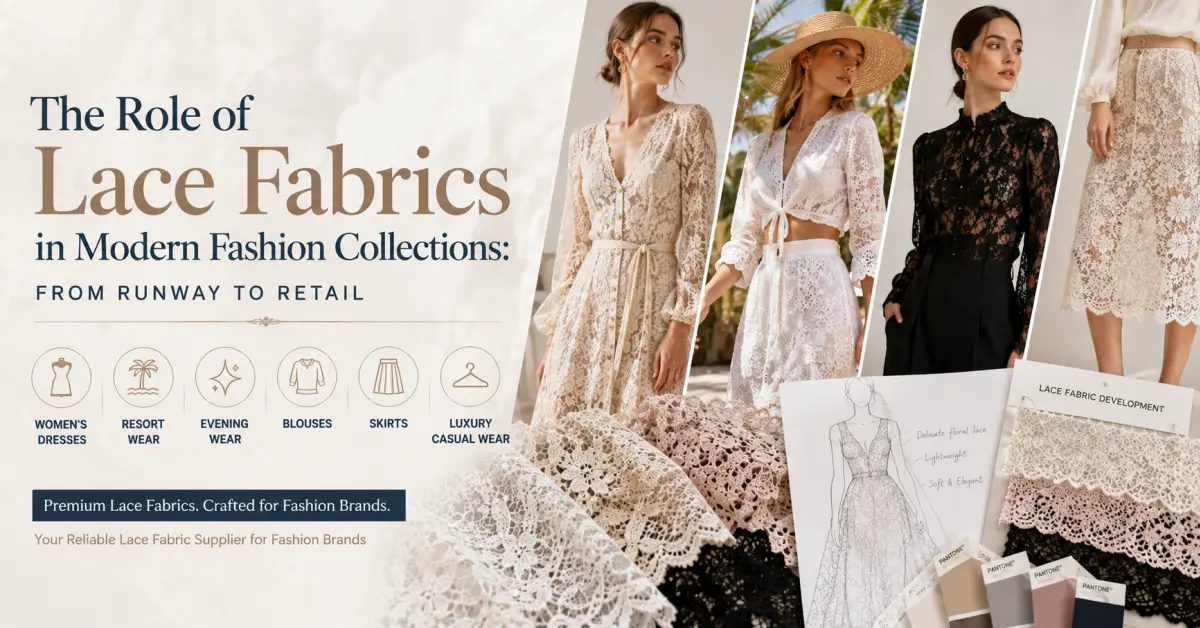
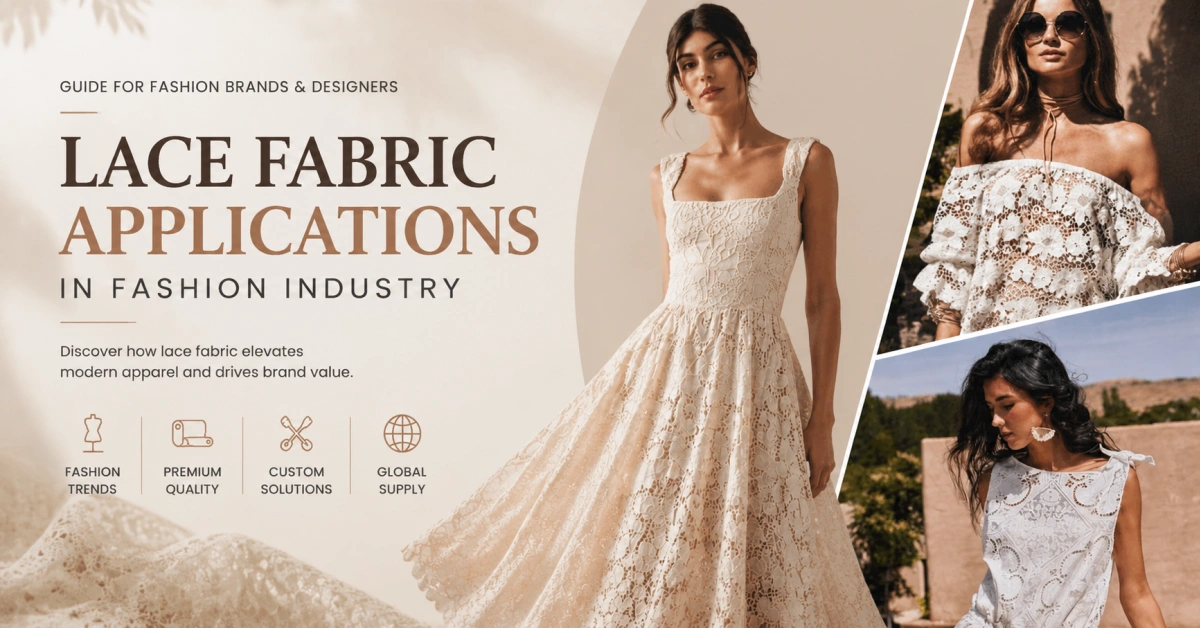
In today's competitive fashion industry, lace fabric is no longer only used for bridal gowns or luxury eveningwear. Increasingly, global fashion brands are incorporating lace into ready-to-wear collections, lingerie, dresses, blouses, skirts, accessories, and seasonal fashion lines.
For fashion companies, choosing the right lace fabric supplier has become a critical part of product development. The right supplier does not only provide fabric — they support design innovation, quality consistency, production efficiency, and long-term supply chain stability.
However, with thousands of textile suppliers worldwide, finding a reliable lace fabric manufacturer can be challenging.
A professional buyer needs to evaluate much more than price. Factors such as manufacturing capability, customization ability, material quality, MOQ, production lead time, certifications, and export experience all influence the final product success.
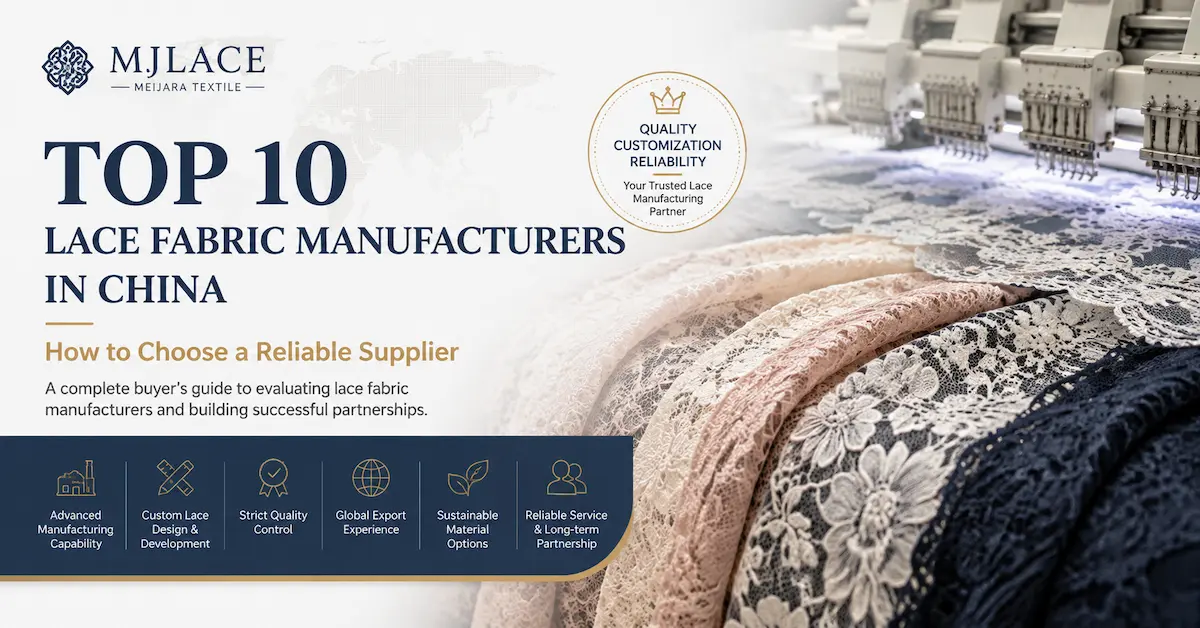
This guide explains how fashion brands can select the right lace fabric supplier and build a reliable sourcing partnership.


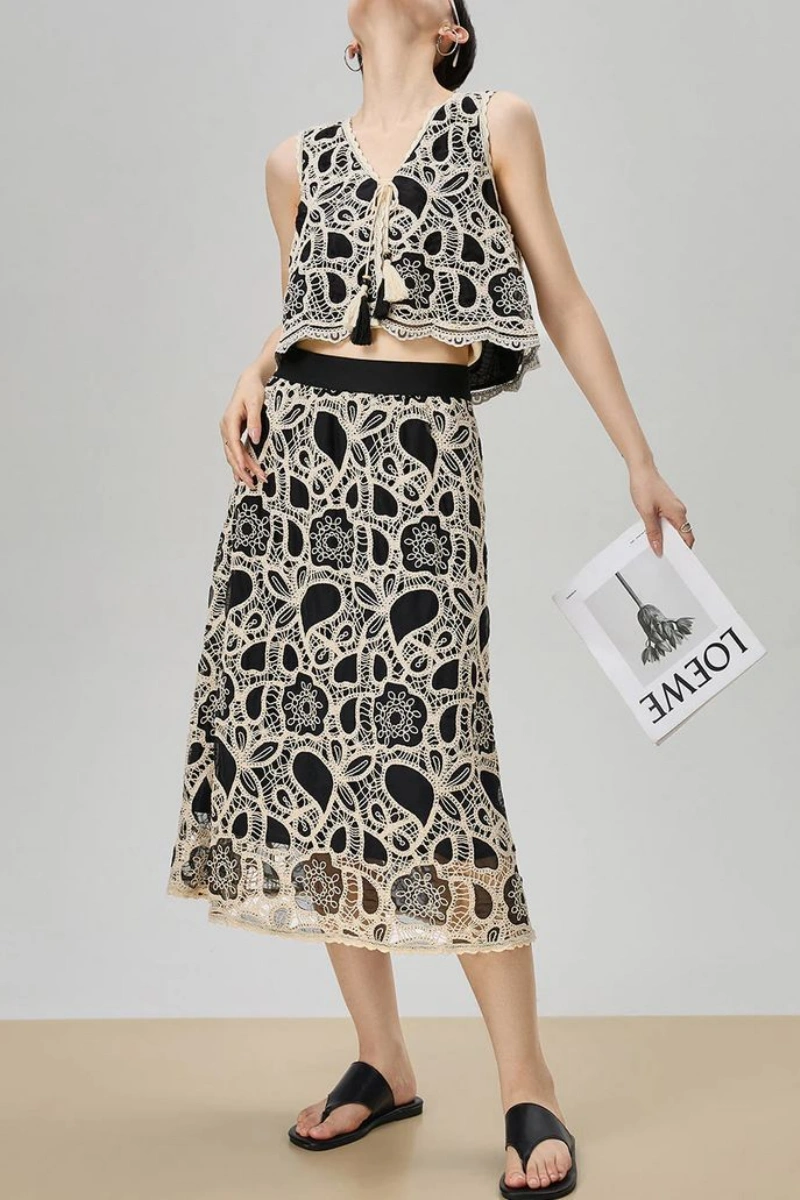
Why Choosing the Right Lace Fabric Supplier Matters
For fashion brands, fabric selection directly affects:
-
Product appearance
-
Customer experience
-
Production cost
-
Brand positioning
-
Market competitiveness
Lace fabric has unique characteristics compared with ordinary textiles.
Because lace contains complex structures, open patterns, delicate yarn systems, and detailed designs, small differences in production can significantly impact the final garment.
For example:
A low-quality lace fabric may cause:
-
Pattern deformation during cutting
-
Uneven stretch recovery
-
Color inconsistency between batches
-
Weak seam performance
-
Poor garment appearance
For brands producing hundreds or thousands of garments, these issues can create significant financial losses.
Therefore, selecting a professional lace fabric manufacturer is not simply a purchasing decision — it is a supply chain strategy.
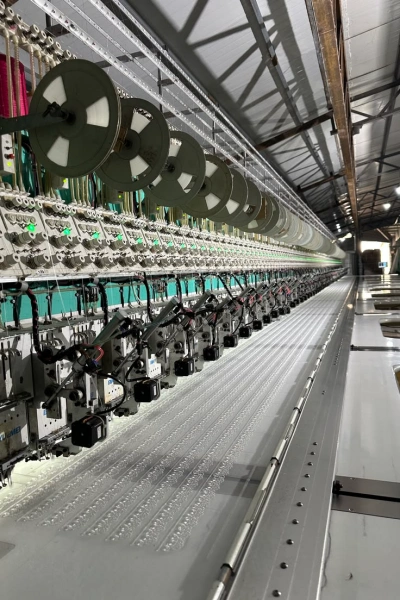
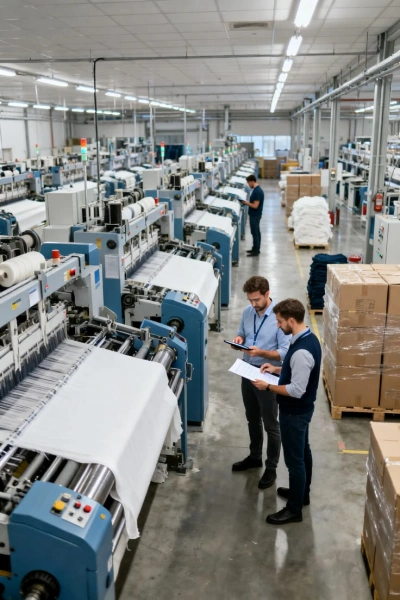
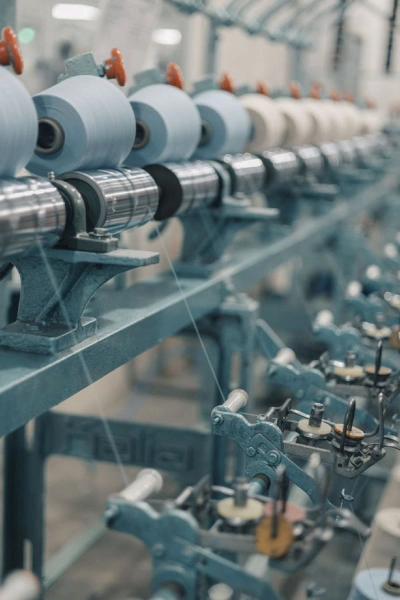
Understanding Different Types of Lace Fabric Suppliers
Before choosing a supplier, buyers should understand different supplier categories.
| Supplier Type | Advantages | Limitations | Suitable Buyers |
|---|---|---|---|
| Trading Company | Wide product selection, easy communication | Limited production control | Small buyers |
| Wholesale Supplier | Competitive pricing, ready stock | Limited customization | Retailers |
| Lace Manufacturer | Production control, customization ability | Requires technical communication | Fashion brands |
| OEM Lace Supplier | Full development support | Higher MOQ requirements | Global brands |
For established fashion brands, working directly with a lace fabric manufacturer usually provides better advantages.
A direct manufacturer can offer:
-
Custom patterns
-
Exclusive designs
-
Better quality control
-
Faster problem solving
-
Stable production capacity
Key Factors When Choosing a Lace Fabric Supplier
Manufacturing Experience
Experience is one of the most important indicators of supplier reliability.
A professional lace manufacturer should have experience in:
-
Lace knitting
-
Pattern development
-
Dyeing
-
Finishing
-
Quality inspection. Learn about quality control standards.
-
International shipping
Experienced manufacturers understand how lace behaves during garment production.
For example:
A fashion brand developing a lace dress collection may require:
-
Specific elasticity
-
Special hand feel
-
Custom color matching
-
Different fabric weights
An experienced supplier can provide professional recommendations instead of simply producing according to orders.
Product Range and Technical Capability
A strong lace fabric supplier should provide multiple product categories.
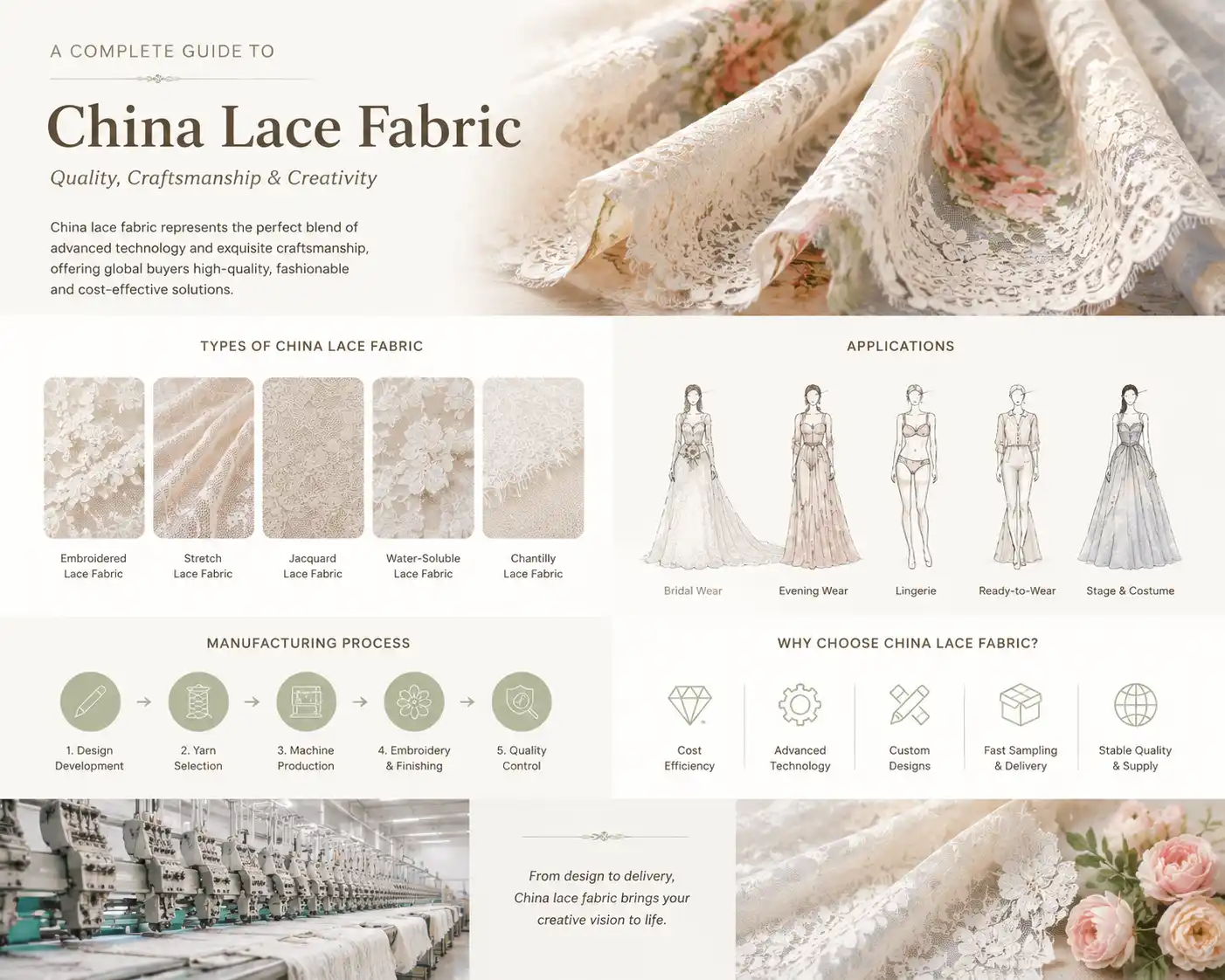
Common lace products include:
| Lace Type | Common Applications |
|---|---|
| Stretch Lace Fabric | Dresses, lingerie, tops |
| Non-Stretch Lace | Fashion garments, decoration |
| Jacquard Lace | Premium apparel |
| Embroidered Lace | Luxury fashion |
| Sequin Lace | Eveningwear |
| Chantilly Lace | High-end garments. Explore chantilly lace. |
| Lace Trim | Accessories and garment details |
A supplier with wider capabilities allows brands to source different materials from one partner.
This reduces:
-
Supplier management costs
-
Development time
-
Quality risks
Custom Lace Fabric Development Capability
Modern fashion brands increasingly require unique designs.
Standard lace fabrics are often not enough for competitive collections.
A professional custom lace fabric supplier should support:
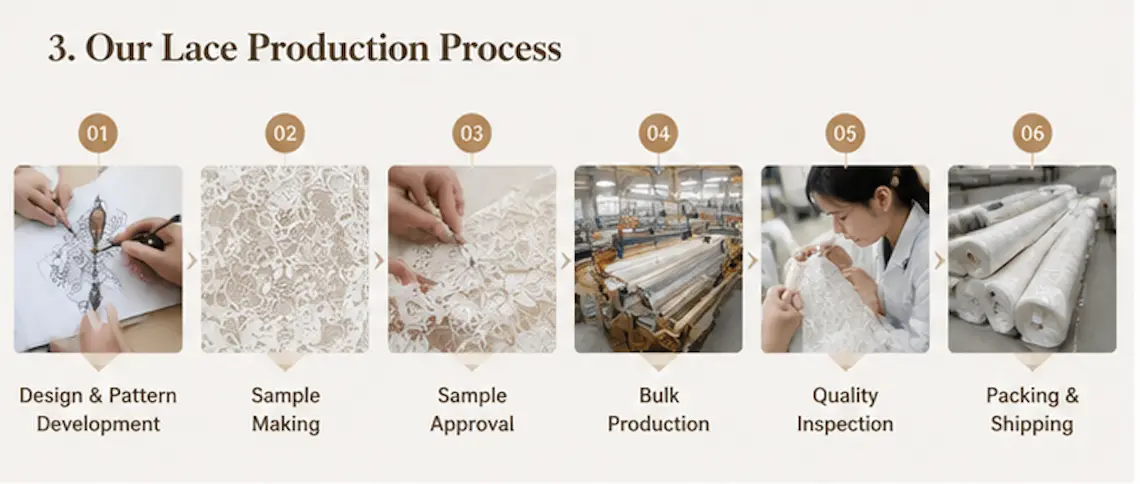
Design Development
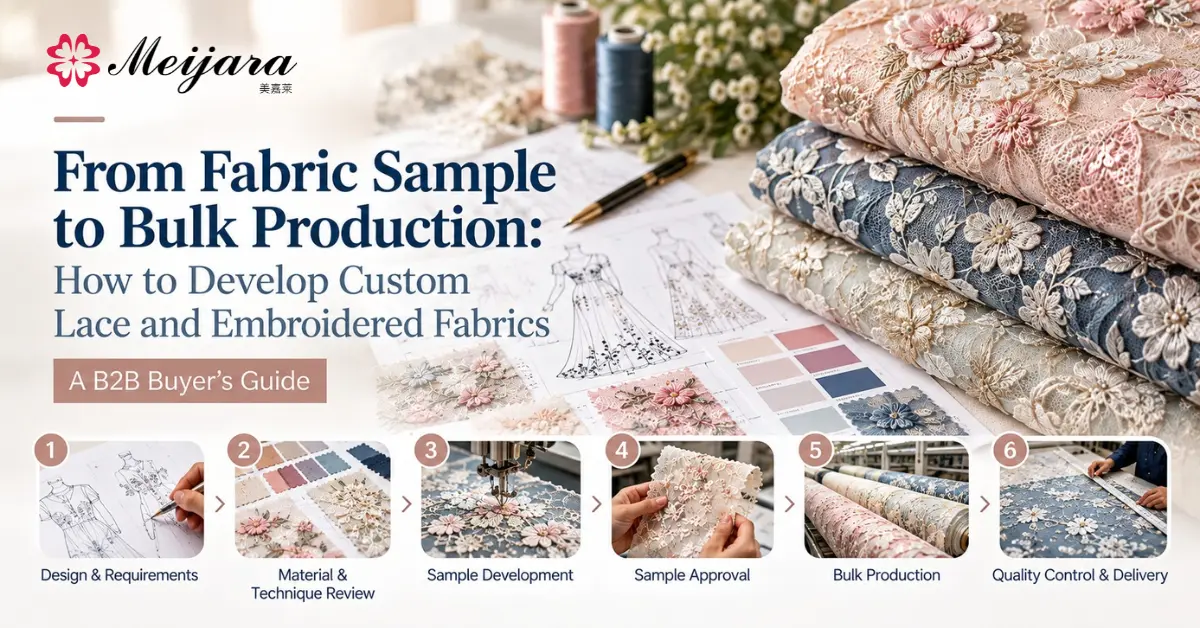
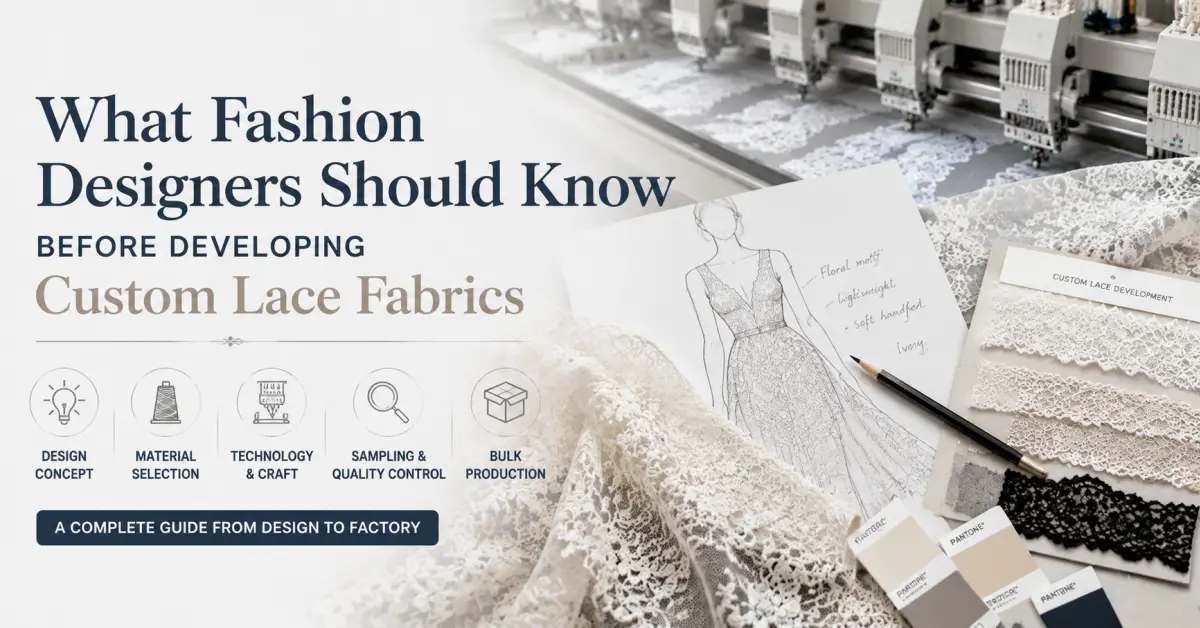
The process usually includes:
-
Design concept submission
-
Pattern development
-
Technical adjustment
-
Sample production
-
Customer approval
-
Bulk production
Customization Options
Fashion brands may customize:
| Custom Element | Examples |
|---|---|
| Pattern | Floral, geometric, abstract |
| Color | Pantone matching |
| Material | Polyester, nylon, recycled yarn |
| Stretch Level | 2-way or 4-way stretch |
| Finish | Printing, hot stamping, flocking |
| Embellishment | Sequins, beads, embroidery. See sequins and beads embroidery. |
This capability is especially important for brands that want product differentiation. Learn about customized processes.
Manufacturing Technology and Equipment
The quality of lace fabric depends heavily on production equipment.
Professional lace manufacturers usually invest in advanced machinery for:
-
Precise knitting
-
Complex pattern creation
-
Stable production
Modern lace production technologies include:
-
Raschel lace machines
-
Jacquard systems
-
Embroidery machines
-
Digital design systems. Learn about pattern design development.
A supplier with advanced equipment can achieve:
-
More detailed patterns
-
Better consistency
-
Faster development
Quality Control: What Fashion Buyers Should Check
Quality control is one of the most important parts of lace sourcing.
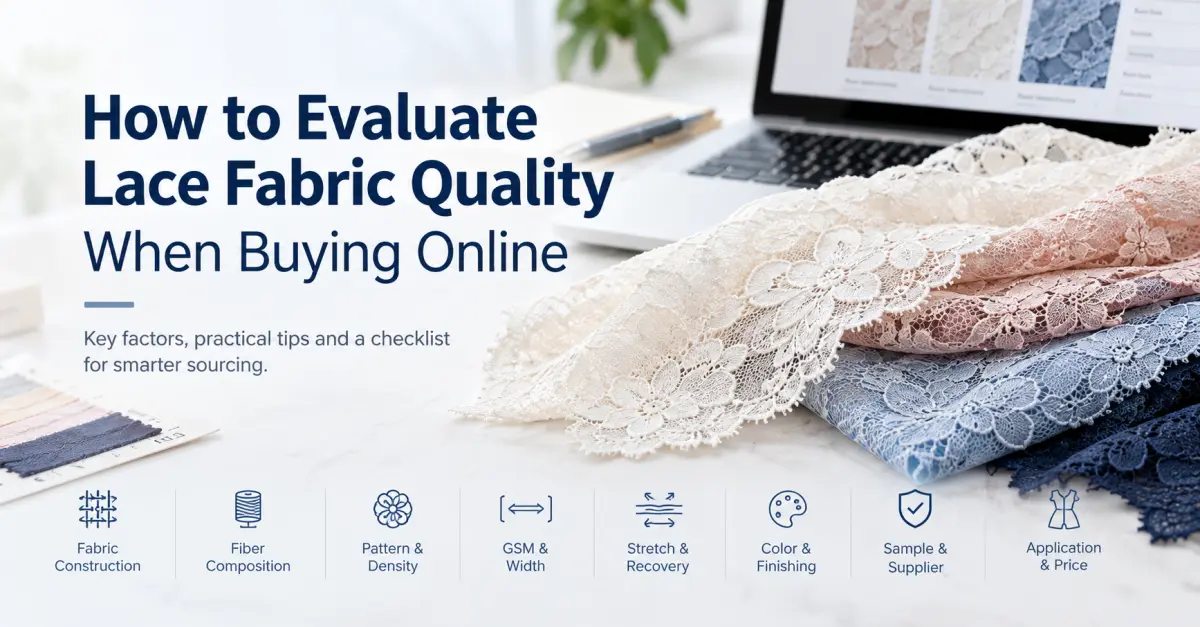
Before cooperation, buyers should evaluate:
Fabric Inspection
Important inspection points include:
| Inspection Item | Purpose |
|---|---|
| Width Accuracy | Ensure cutting efficiency |
| Color Consistency | Avoid batch differences |
| Pattern Alignment | Maintain garment appearance |
| Stretch Recovery | Ensure wearing comfort |
| Fabric Strength | Prevent damage |
Testing Standards
Professional suppliers may provide:
-
Color fastness testing
-
Composition testing
-
Shrinkage testing
-
Recycled material certification
For sustainable fashion brands, certifications such as GRS are increasingly important. Visit our sustainability section.
MOQ and Production Capacity
MOQ is an important consideration when selecting a supplier.
Different products require different minimum quantities.
Typical MOQ ranges:
| Product Category | Typical MOQ |
|---|---|
| Standard lace fabric | 500-1000 meters |
| Custom lace fabric | 3000-5000 meters |
| Embroidery lace | 300-500 meters/color |
| Custom patterns | Depends on development |
Fashion startups may prefer suppliers offering flexible MOQ.
Large brands usually focus more on:
-
Production capacity
-
Quality stability
-
Delivery reliability
Why Many Fashion Brands Choose China Lace Fabric Suppliers
China has become one of the world's major textile manufacturing centers.
For lace fabric sourcing, Chinese manufacturers provide advantages including:
Complete Supply Chain
China has integrated textile resources covering:
-
Yarn production
-
Knitting
-
Dyeing
-
Embroidery
-
Finishing
-
Export logistics
Competitive Production Cost
Compared with many regions, Chinese manufacturers provide:
-
Efficient production
-
Advanced equipment
-
Competitive pricing
Strong OEM Capability
Many Chinese lace manufacturers support:
-
Custom patterns
-
Private label development
-
Small trial production
-
Large-scale manufacturing. Explore OEM services.
This makes China an attractive sourcing destination for international fashion brands.
Checklist Before Selecting a Lace Fabric Supplier
Before placing an order, buyers should evaluate:
| Evaluation Area | Questions |
|---|---|
| Experience | How many years have they manufactured lace? |
| Factory | Do they own production facilities? |
| Products | Can they provide required lace categories? |
| Customization | Can they develop exclusive designs? |
| Quality | What inspection systems are available? |
| Capacity | Can they support your order volume? |
| Certification | Do they have sustainability certificates? |
| Export | Do they understand international requirements? Learn about importing logistics. |
Why Choose Meijara as Your Lace Fabric Supplier
Guangzhou Meijara Textile Co., Ltd specializes in professional lace fabric manufacturing and provides customized lace solutions for global fashion brands.
With decades of lace production experience, Meijara supports:
Wide Lace Product Range
Including:
-
Stretch lace fabric
-
Jacquard lace
-
Embroidered lace
-
Lace trim
-
Fashion lace fabrics
OEM & Custom Development
Our team works with brands on:
-
New pattern development
-
Color customization
-
Special finishing
-
Production solutions. Explore cut piece and processing.
Professional Manufacturing Process
From design development to bulk production, every stage is controlled to ensure:
-
Stable quality
-
Reliable delivery
-
Consistent performance
Conclusion
Choosing the right lace fabric supplier is one of the most important decisions for fashion brands developing lace-based products.
A reliable supplier should provide more than competitive prices. They should offer:
-
Manufacturing expertise
-
Custom development capability
-
Stable quality
-
Production flexibility
-
Long-term cooperation support
For global apparel brands, partnering with an experienced lace fabric manufacturer can help reduce sourcing risks and create more competitive fashion collections.
Whether you are developing dresses, lingerie, ready-to-wear collections, or innovative fashion products, selecting the right lace supplier is the foundation of successful production.
Ready to find your reliable lace fabric supplier? Visit our homepage to explore our collections or contact us for inquiries. You may also submit an inquiry for custom pricing.
FAQ
1. What should fashion brands look for in a lace fabric supplier?
Fashion brands should evaluate manufacturing experience, customization ability, product range, quality control systems, MOQ, and export experience.
2. What is the MOQ for custom lace fabric?
Custom lace fabric usually requires higher MOQ because manufacturers need to develop new patterns and prepare production processes.
Typical MOQ ranges from 3000 to 5000 meters depending on design complexity.
3. Can lace fabric suppliers create custom designs?
Yes. Professional lace manufacturers can develop exclusive patterns based on customer artwork, sketches, or design concepts.
4. Why do fashion brands source lace fabric from China?
China offers strong textile supply chains, advanced manufacturing technology, competitive pricing, and professional OEM capabilities.
5. How long does custom lace fabric production take?
The development process usually includes:
-
Pattern development: 20–25 days
-
Sample approval
-
Bulk production: around 35–40 days
The timeline depends on design complexity.