

Complete Guide to Lace Dyeing Techniques and Color Control
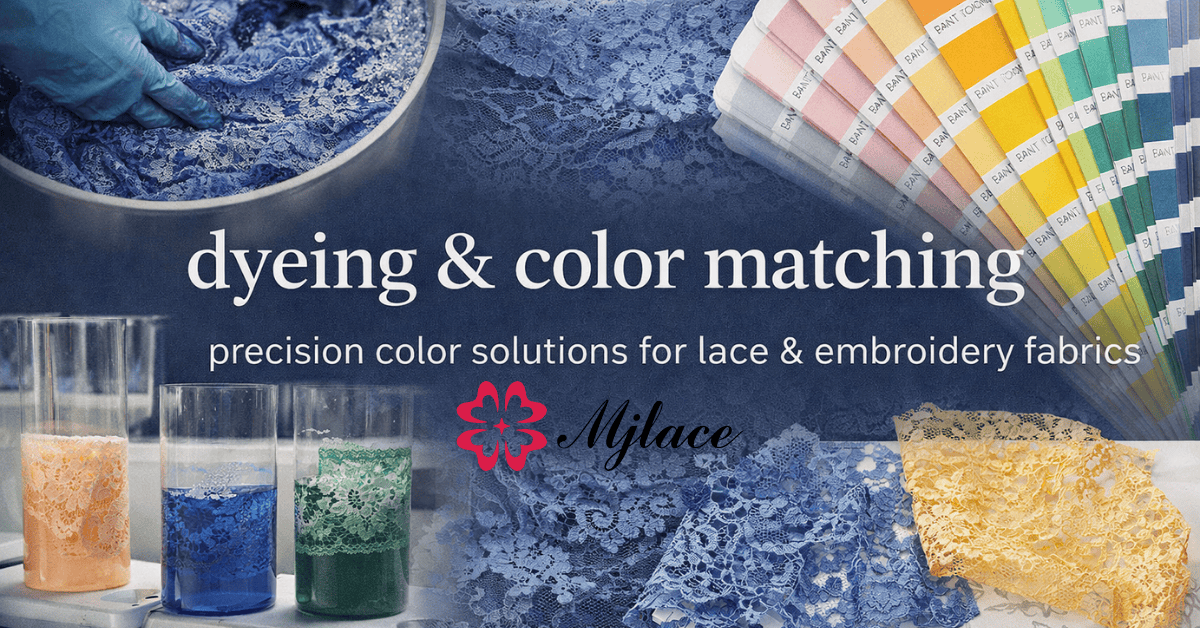
In the manufacture of lace fabrics , dyeing and color matching are among the most critical and technically demanding processes.
Unlike plain or knitted fabrics, lace has a complex structure , openwork patterns, mixed yarn composition, and fine details , all of which make consistent color reproduction more challenging.
For fashion brands, apparel manufacturers, and sourcing professionals, color accuracy is more than just an aesthetic issue—it directly impacts brand consistency, production efficiency, and market acceptance .
This guide provides a comprehensive overview of lace fabric dyeing and color matching , covering processes, challenges, technologies, standards, and best practices from the perspective of a professional lace manufacturer.
Why is dyeing so important for lace fabrics?
Lace is fundamentally different from ordinary textiles.
Key factors affecting staining results include:
-
Open grid and decorative patterns
-
Blended fabrics (nylon, polyester, cotton, spandex)
-
High surface detail visibility
-
It is often used in occasions with extremely high fashion requirements (wedding dresses, lingerie, evening gowns).
Even slight color variations become very noticeable on lace, especially in the following situations:
-
Skin-colored lace lingerie
-
Seasonal trend colors
-
Gradient or multi-tone design
Therefore, lace dyeing requires higher precision and stricter control than most other fabrics .
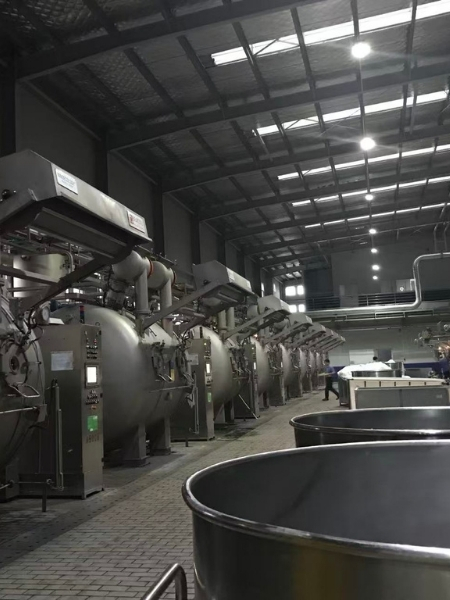
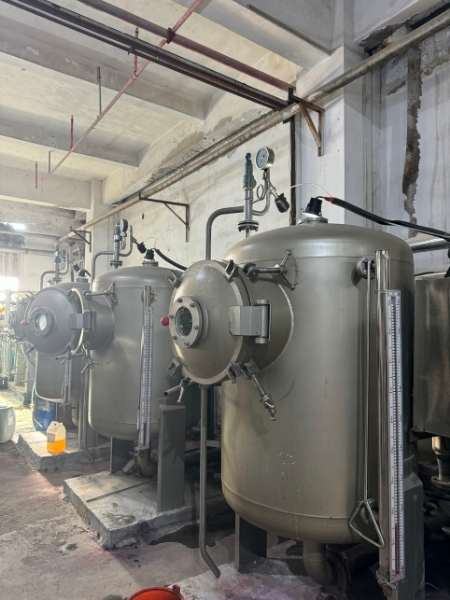
Detailed Explanation of Common Lace Dyeing Methods
Different lace structures require different dyeing methods. The most commonly used methods include:
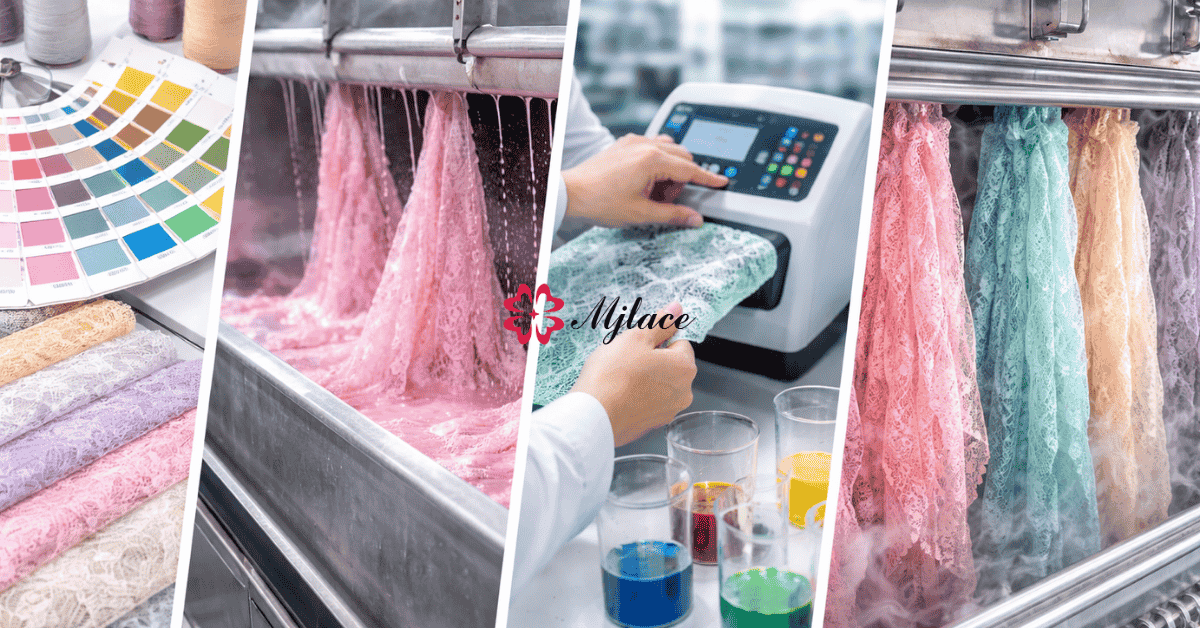
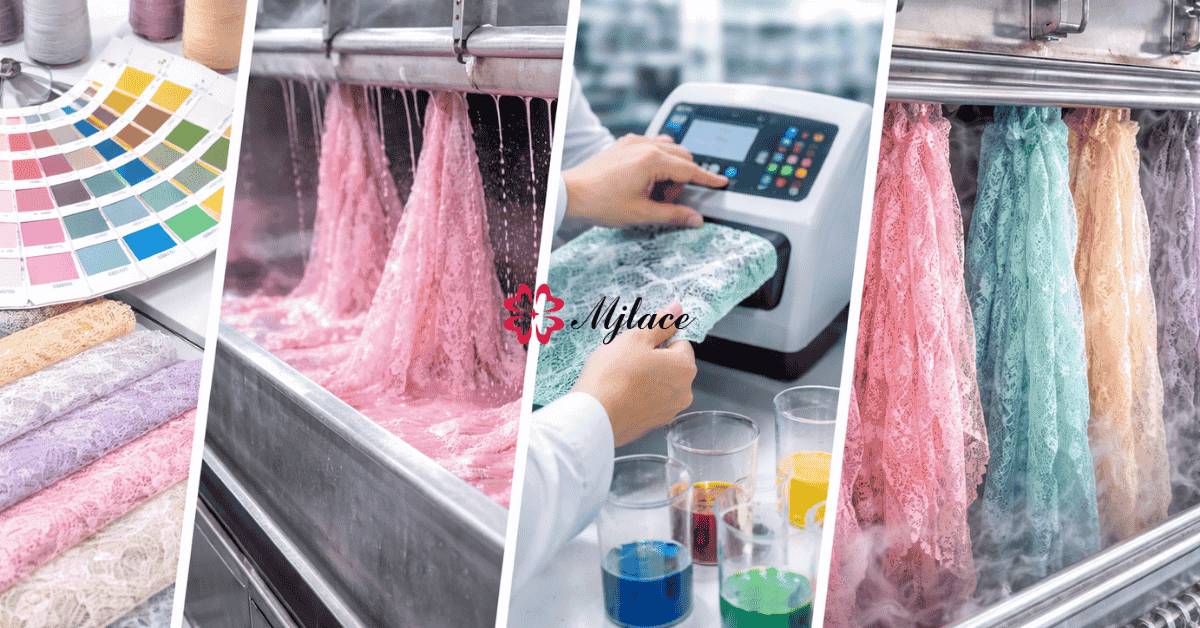
1. Piece dyeing (fabric dyeing)
This is the most common method used in lace production.
Process Overview:
-
Lace fabric is dyed after weaving or embroidery.
-
Suitable for solid colors and mass production
-
Flexible color options.
Advantages:
-
Efficiently handle large orders
-
More convenient color correction
-
Suitable for fashion collections, high cost performance
challenge:
-
Risk of uneven dye penetration
-
Sensitivity to fabric tension and shrinkage
2. Yarn dyeing
This method involves dyeing the yarn before making the lace.
Common uses:
-
Jacquard lace
-
Multicolored or patterned lace
-
High-end or luxury lace fabric
Advantages:
-
Exceptional color clarity
-
Better pattern definition
-
Excellent color fastness
limitation:
-
Higher cost
-
Low flexibility in color variation
-
Longer delivery time
3. Garment dyeing (rarely used for lace)
Occasionally used when lace has already been incorporated into the clothing.
Risks include:
-
Lace deformation
-
Uneven color
-
Damaged details
Unless used properly, this method is generally not recommended for delicate lace.

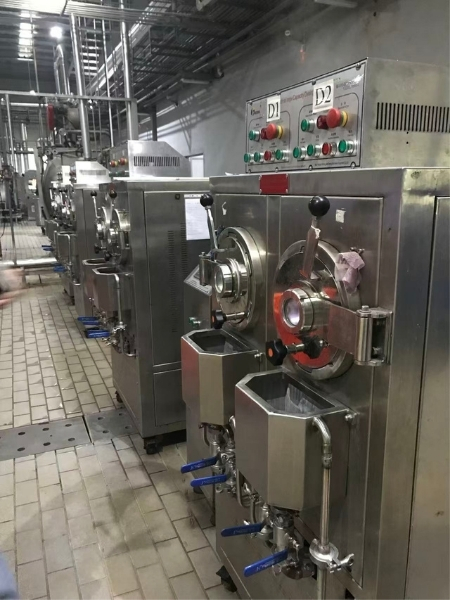
The main challenges of lace dyeing
Lace dyeing involves a series of unique technical challenges:
1. Uneven dye absorption
Open structures and uneven yarn thickness can lead to:
-
mottled appearance
-
Shadow effect
-
Inconsistent shadow depth
2. Dyeing issues of blended fabrics
Many lace fabrics have the following characteristics:
-
Nylon or polyester fiber base
-
Spandex fabric, good elasticity
-
cotton embroidery thread
Each type of fiber reacts differently to dyes, requiring careful formulation of the dye formula .
3. Color consistency between batches
Maintain color consistency:
-
Different production batches
-
Multiple dyeing machines
-
Order again several months later
This is especially important for the consistency of brand colors .
Understanding color matching of lace fabrics
Color matching is not just about "making them look similar".
It involves using scientific methods for quantifiable and repeatable color control .
1. Laboratory color samples: the foundation of precise color matching
Laboratory color swatches involve dyeing a small piece of fabric to match a target color.
Purpose:
-
Verify dye formulation
-
Predicting batch production results
-
Obtain customer approval
Professional lace manufacturers typically offer:
-
Multiple laboratory test strip options (A/B/C)
-
Color difference report (ΔE value)
-
Visual assessment under multiple light sources
2. Light source and metamerism
The color may appear different in different situations:
-
Daylight (D65)
-
store lighting
-
Warm indoor lighting
This phenomenon is called metamerism .
Professional dyeing factories test lace colors under the following conditions:
-
Standardized light boxes
-
Multiple lighting conditions
-
Controllable perspective
3. Digital Color Management System
Modern lace dyeing relies heavily on technology:
-
Spectrophotometer
-
Color matching software
-
Digital dye formulation database
These tools are very helpful:
-
Reduce trial and error
-
Improve repeatability
-
Shorten the development cycle
Types of dyes used in lace fabric
Different fibers require different types of dyes:
1. Disperse dyes
use:
-
Polyester lace
-
Nylon lace (using a specific formula)
2. Acid dyes
Mainly used for:
-
Nylon lace
-
High-brightness fashionable colors
3. Reactive dyes
use:
-
cotton lace
-
Embroidery details
Choosing the right dyeing system is crucial for color fastness and durability .
Colorfastness standards for lace fabrics
Color and appearance alone are not enough; lace must also meet performance standards.
Common tests include:
-
Wash fastness
-
Abrasion resistance (dry and wet)
-
Lightfastness
-
Perspiration fastness
Frequently cited international standards:
-
ISO
-
American Air Transport Association
-
Buyer-Specific Agreement
High-end applications, such as wedding dresses and lingerie, have extremely high requirements for colorfastness .
Develop custom color schemes for brands
Custom colors are crucial for fashion brands and apparel manufacturers.
Professional lace suppliers typically offer:
-
Pantone Color Matching
-
Seasonal color trend development
-
Exclusive brand color codes
-
Color can be locked for repeat orders.
This service supports:
-
Brand differentiation
-
Faster series release
-
Long-term supply stability
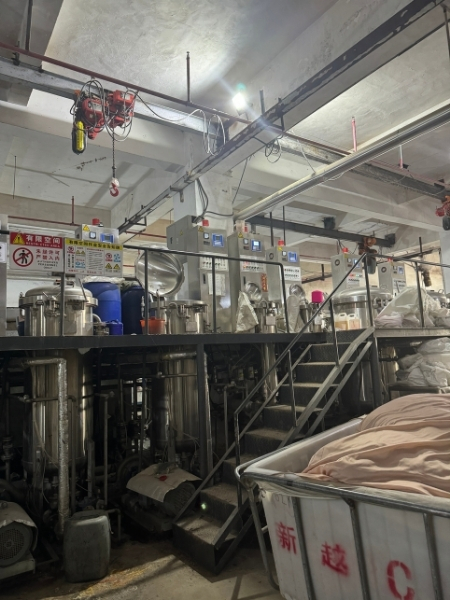
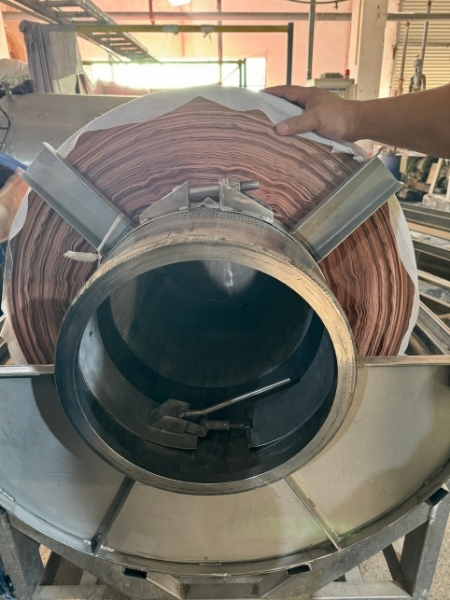
Sustainable dyeing and eco-friendly color solutions
Sustainability is becoming increasingly important in lace dyeing.
Key initiatives include:
-
Low water consumption dyeing process
-
Eco-certified dyes
-
Reduce chemical emissions
-
Wastewater treatment system
Nowadays, brands that source lace typically require suppliers to provide environmental compliance documentation as part of their supplier evaluation process.
Best Practices for Purchasing Dyed Lace Fabric
To buyers and designers:
-
Be sure to request a laboratory sample.
-
Confirmation of light source evaluation
-
Request a color fastness report
-
Clearly define restaining tolerance
-
Approved batch shading standards
Clear communication between the buyer and the manufacturer is essential for achieving the desired color effect.
Final words
Dyeing and color matching are not just production steps, but also core value drivers in lace fabric manufacturing.
Professional lace dyeing processes ensure that:
-
Superior visual effects
-
Brand Consistency
-
Production efficiency
-
Success of long-term partnership
Understanding these processes helps buyers make better purchasing decisions and enables manufacturers to provide lace fabrics that truly meet market expectations.