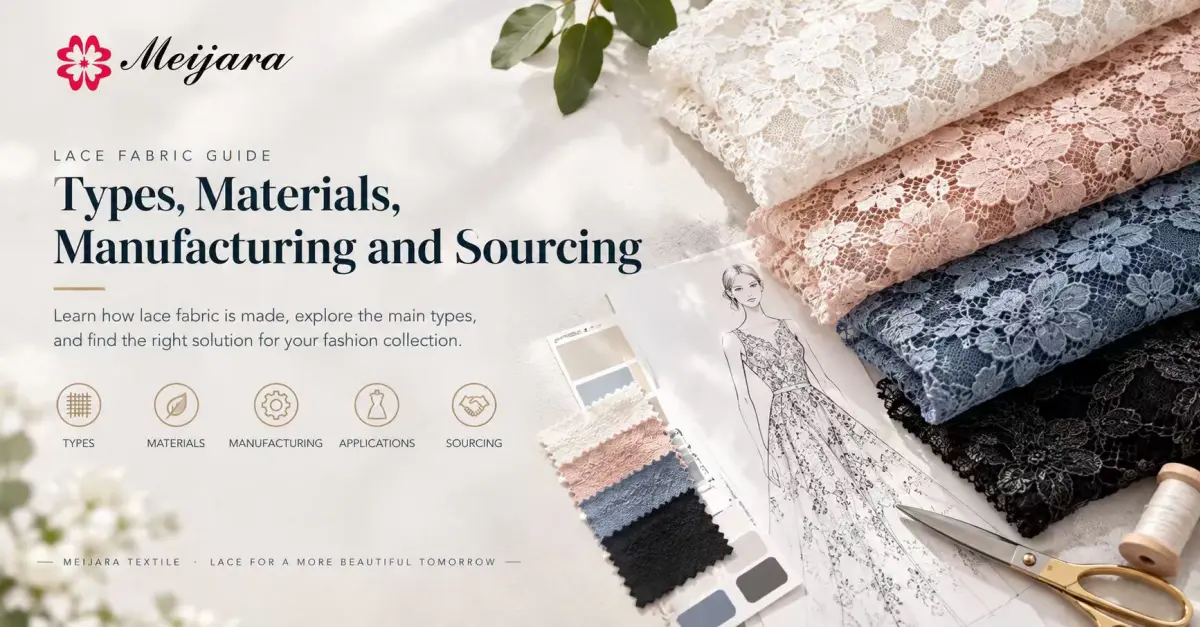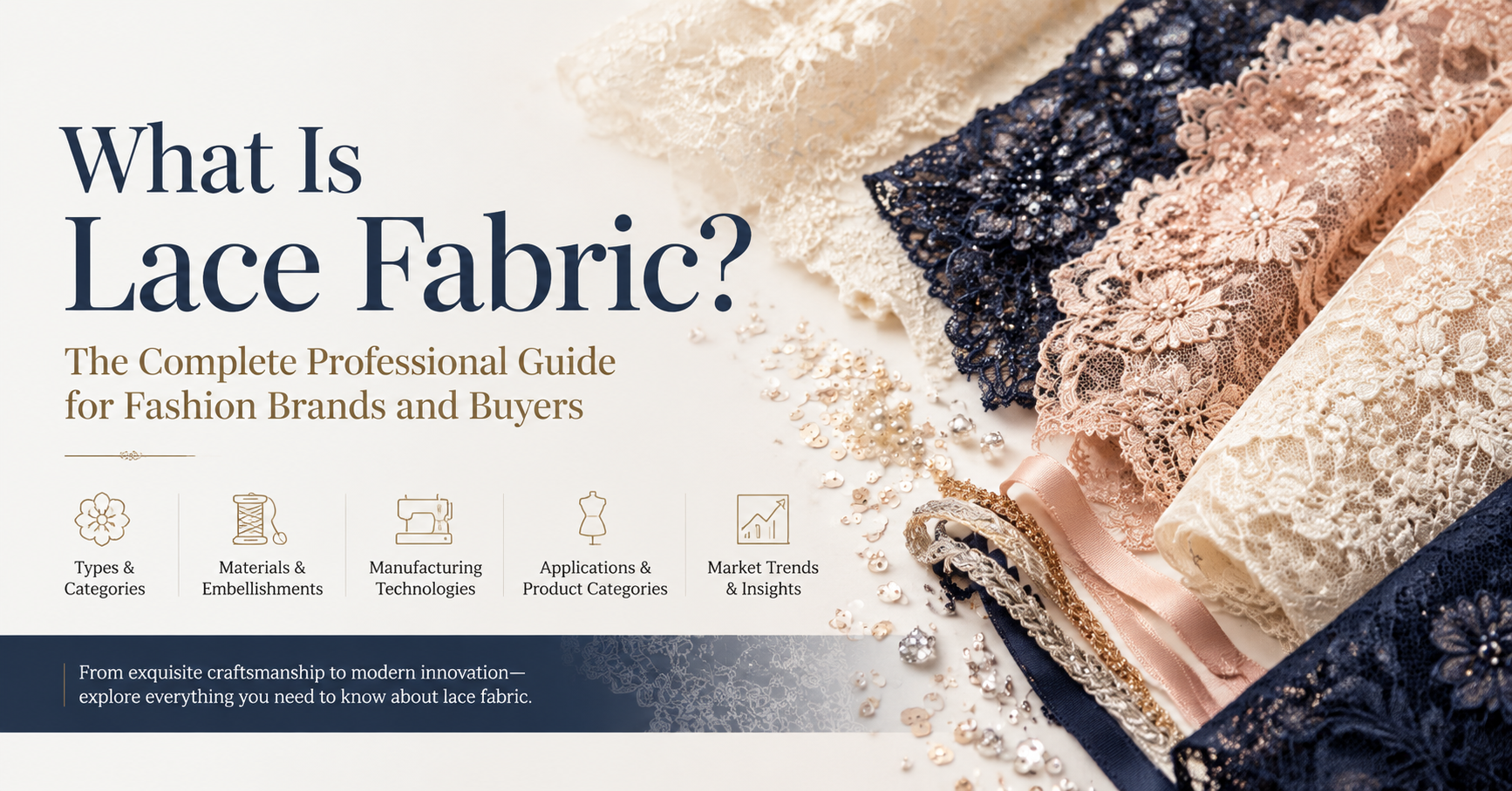


A comprehensive guide covering fashion, lingerie, wedding dresses, and more.
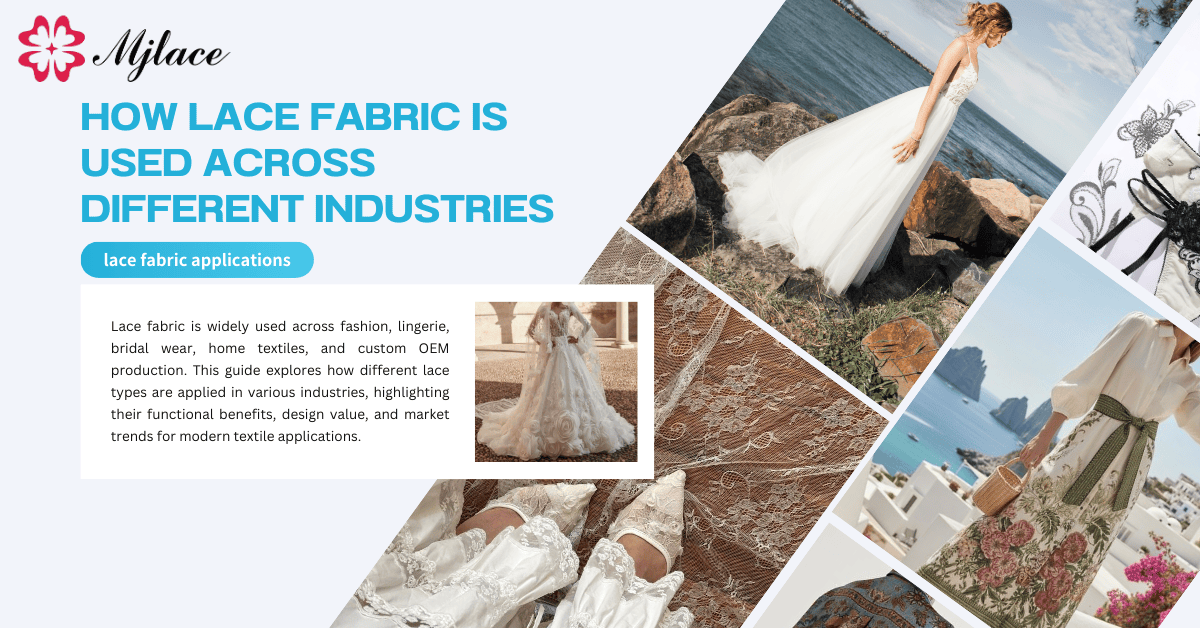
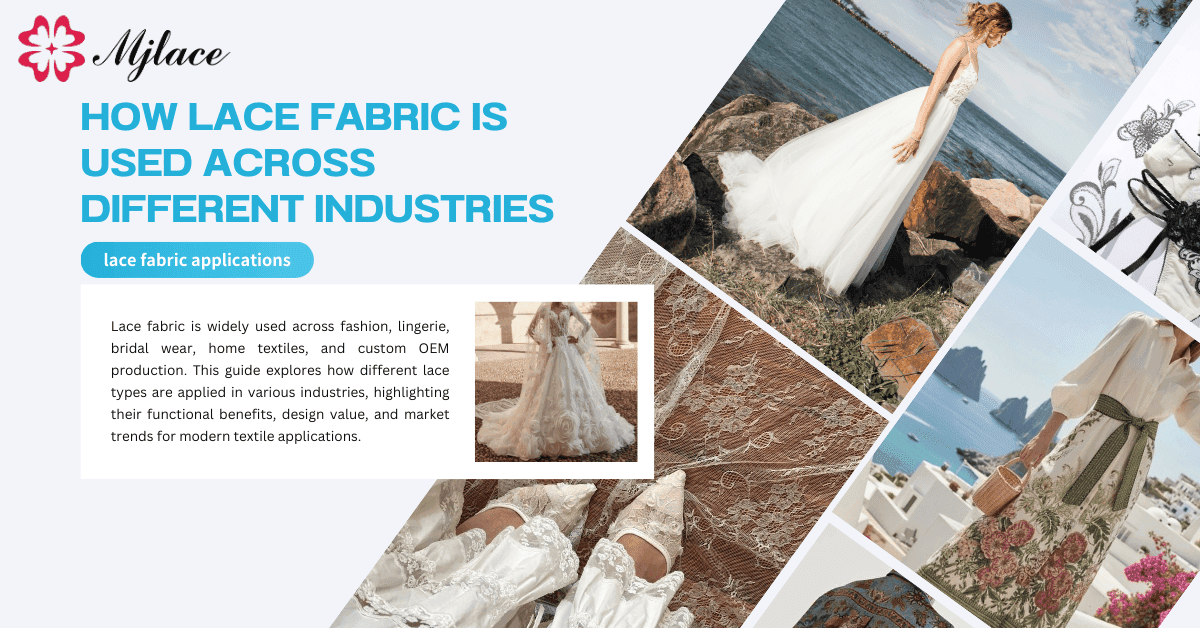
Lace fabric has always been associated with elegance, exquisite craftsmanship, and refined beauty. However, over time, its role has long transcended that of a mere decorative fashion element. Today, thanks to advancements in yarn technology, knitting techniques, and finishing processes, lace has become a highly functional textile widely used across multiple industries. From luxury fashion and lingerie to home textiles and functional apparel, lace fabric continues to evolve to meet the diverse needs of modern industries.
This comprehensive guide explores the applications of lace fabrics across various industries, highlighting their functional advantages, design flexibility, and commercial value.
fashion and apparel industry
The fashion industry remains the largest consumer of lace fabrics. Designers use lace to add texture, femininity, and visual depth to clothing while maintaining breathability and comfort.
Main applications
-
Dresses (evening gowns, cocktail dresses, casual dresses)
-
Women's shirts and stylish tops
-
Skirts and shirts
-
Sleeves, collar, and trim
Why is lace so popular in the fashion world?
Lace allows designers to skillfully balance coverage and transparency, creating lightweight yet luxurious garments. Stretch lace, in particular, is widely popular in contemporary ready-to-wear due to its comfortable fit and modern, stylish appeal.
Seasonal collections typically feature lace in neutral tones such as black, ivory, gray, and beige, while trendy and avant-garde brands experiment with bold colors and layered effects.
Underwear and intimate apparel
Lace is an important material in the lingerie industry, and comfort, aesthetics, and fit are equally important in the lingerie industry.
Main applications
-
Bras and wire-free bras
-
Women's underwear
-
bodysuit
-
shapewear
-
Pajamas and loungewear
Functional advantages
The lace fabric used in modern lingerie is specifically designed for the following purposes:
-
Soft to the touch
-
High elasticity and resilience
-
breathability
-
Skin-friendly properties
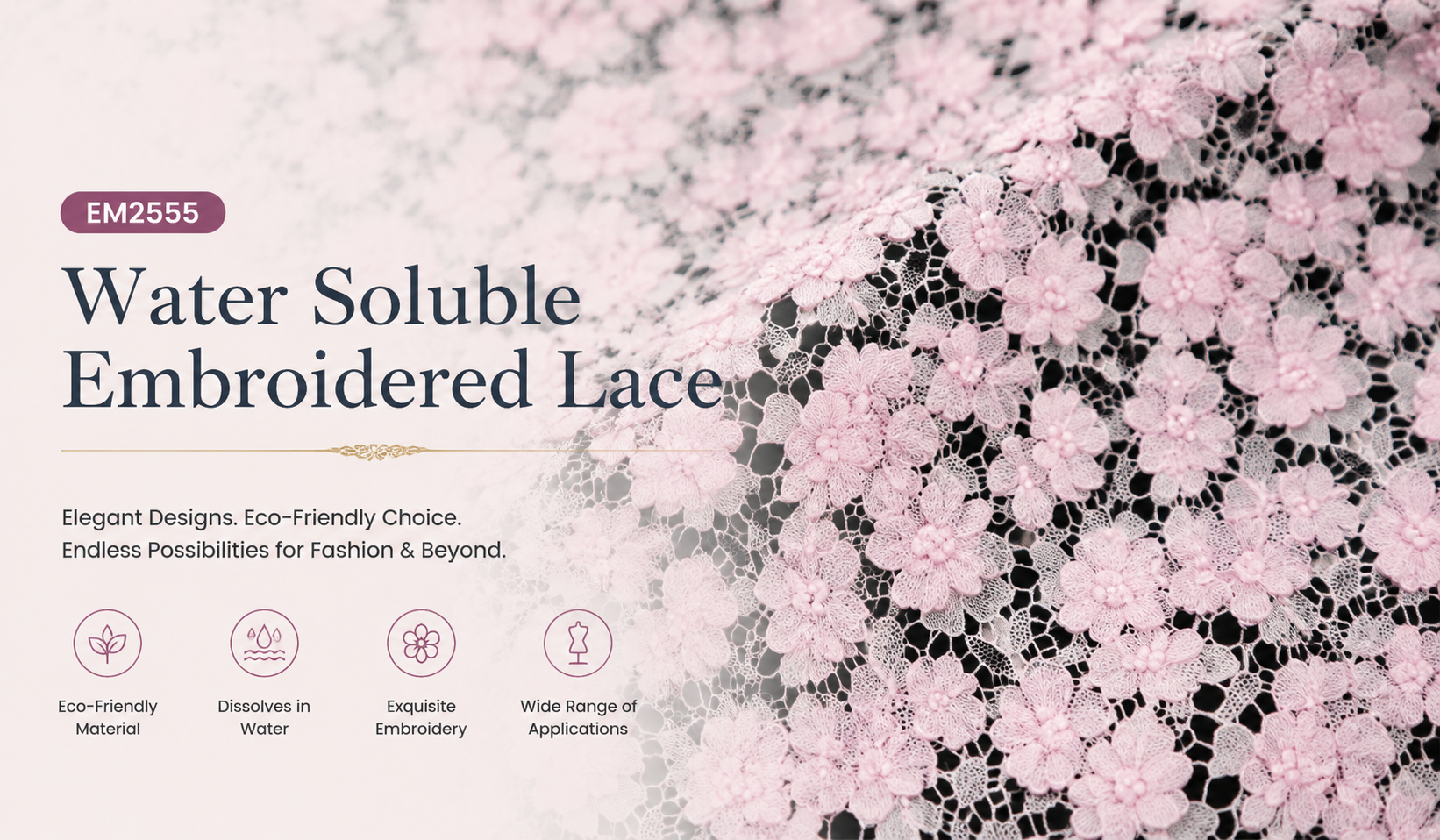
Stretch lace and lightweight embroidered laceare especially popular because they smoothly conform to the body's curves and remain durable even after repeated wear and washing.
wedding dress and evening gown
Wedding dresses are one of the most representative applications of lace fabric. Lace symbolizes romance, tradition, and exquisite craftsmanship, making it a timeless choice for weddings and formal occasions.
Main applications
-
wedding dress
-
veil
-
Trains and stacked layers
-
Bridesmaid dresses
-
Evening dress
Commonly used types of lace
-
Chantilly lace exudes an air of exquisite elegance.
-
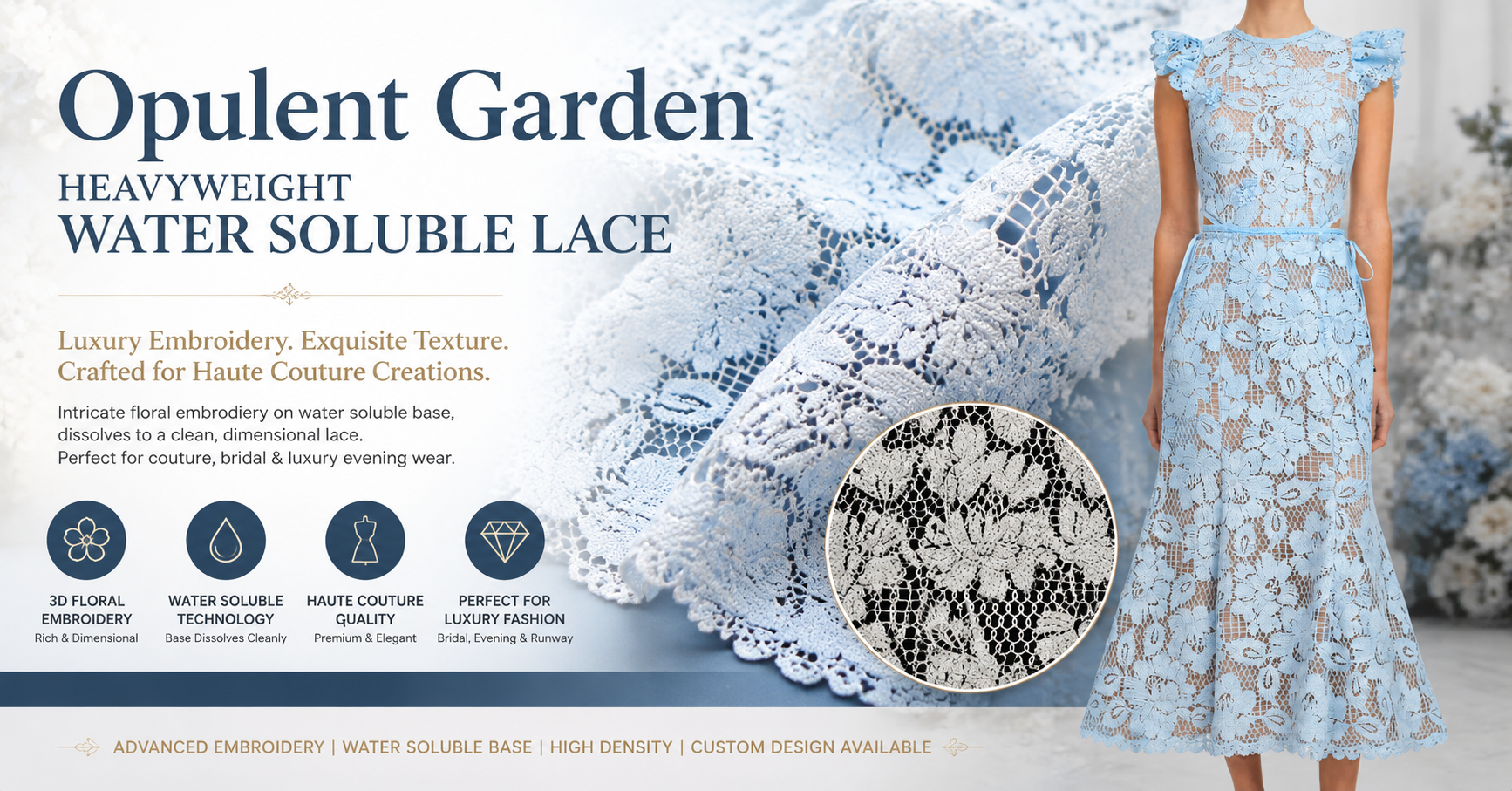
Embroidered lace creates a three-dimensional texture.
-
Rope-like lace is often used in structured designs.
In wedding dress design, the size, color, and craftsmanship of lace patterns are usually customized according to the designer's vision. High-quality lace can enhance the visual appeal of the garment, creating a memorable visual impact.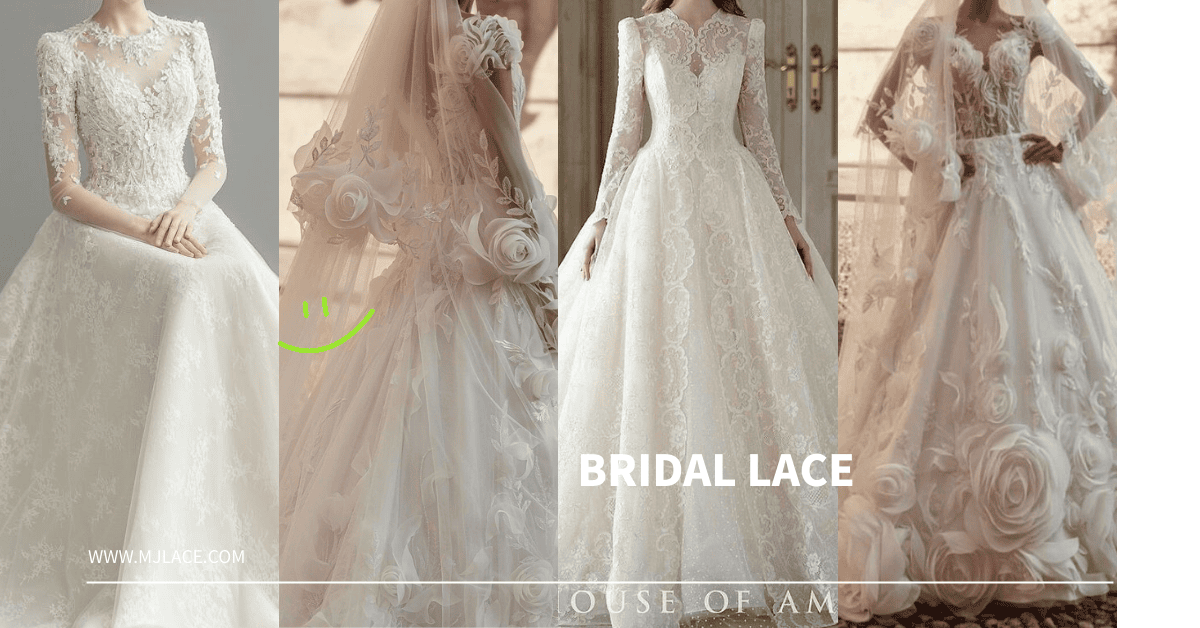
swimwear and sportswear
With advancements in fiber blending and finishing technologies, lace has been applied to swimwear and sportswear.
Main applications
-
swimsuit cover-up
-
Fashion Bikini
-
sports casual tops
-
Fashion items inspired by the performance
Performance characteristics
Lace fabrics specifically developed for this field may have the following characteristics:
-
Chlorine resistance
-
quick-drying performance
-
High tensile strength and toughness
-
Lightweight structure
These innovations enable brands to combine aesthetics with functionality, thereby providing products that stand out in a highly competitive market.
Children's clothing and formal wear
In children's clothing design, the use of lace is relatively restrained, aiming to enhance the design without compromising comfort.
Main applications
-
Party dress
-
wedding dress
-
Decorative trim
-
Special occasion clothing
We use soft, non-irritating lace fabricwith smooth edges to ensure children's safety and comfort. Soft pastel shades and delicate floral patterns are especially popular in this collection.
Accessories and fashion accessories
Besides clothing, lace is also widely used in fashion accessories and design elements.
Common uses
-
scarves and shawls
-
Gloves
-
headdress
-
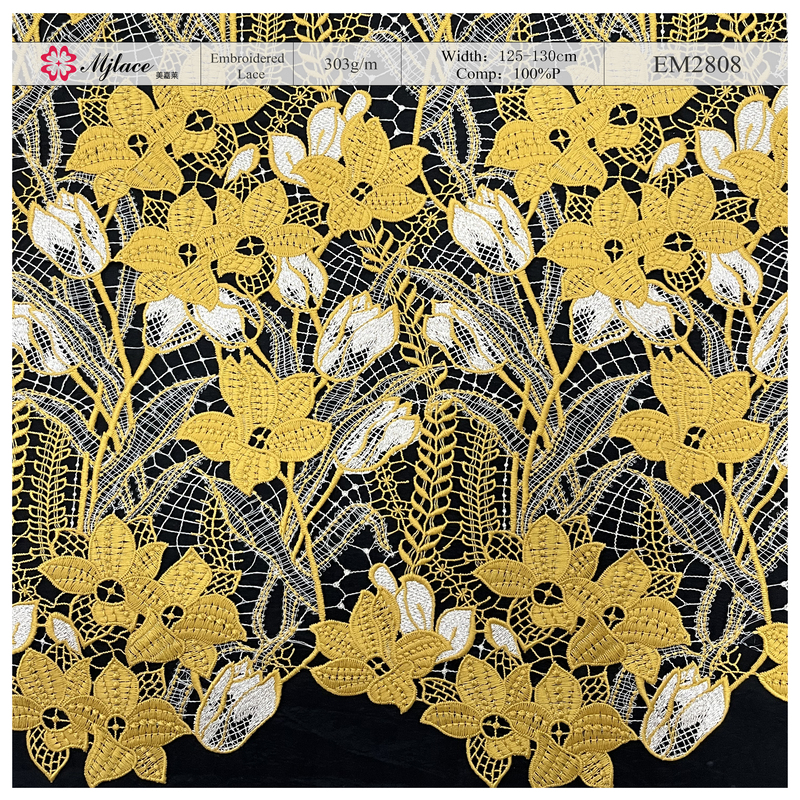
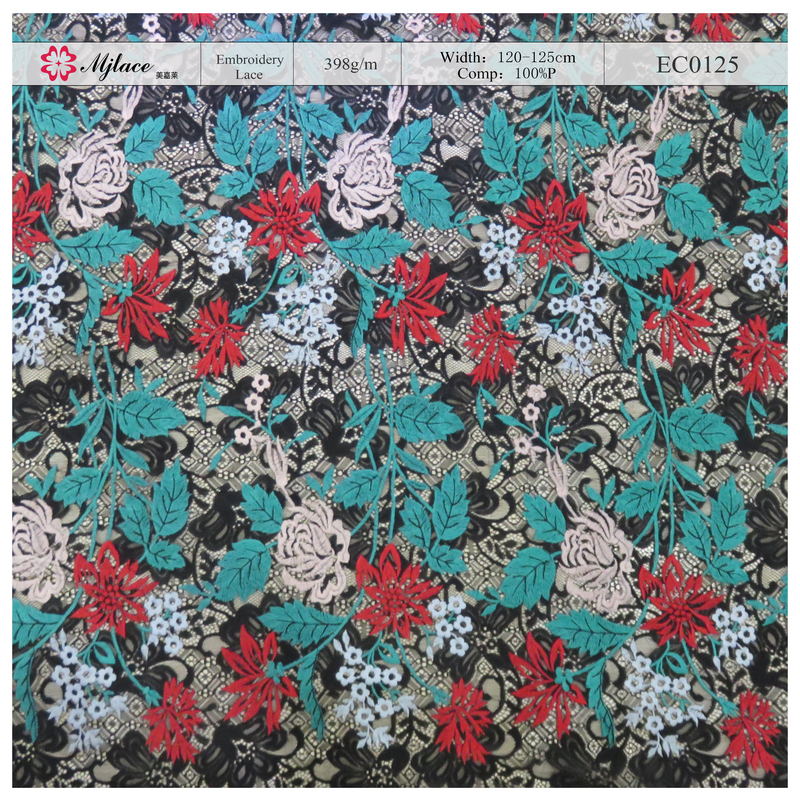
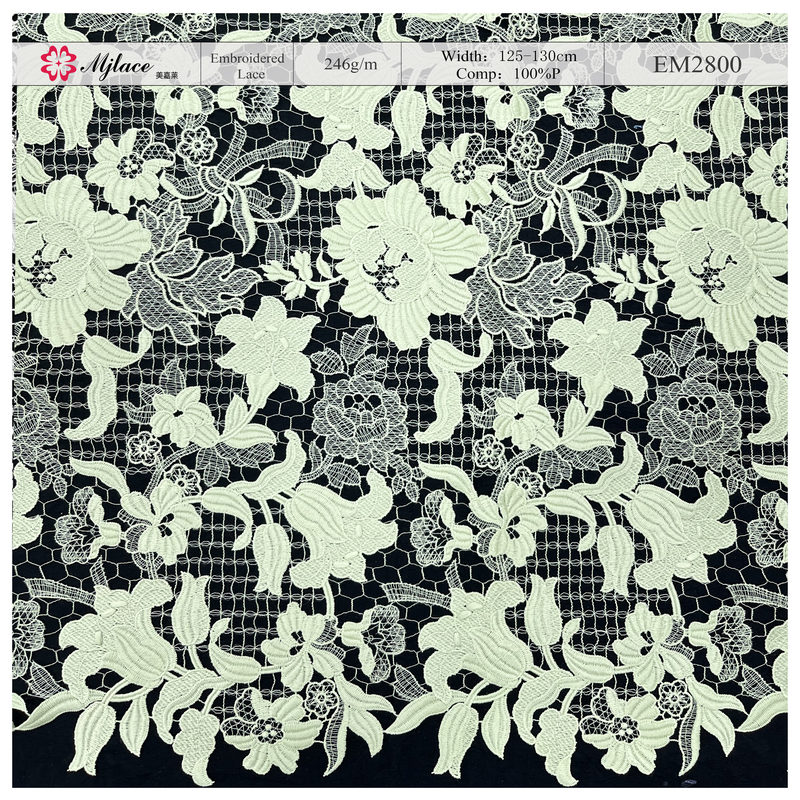
Decorative trims and appliqués
Lace accessories offer designers an opportunity to extend their brand image across different product categories while maintaining a consistent aesthetic language.
Home textiles and interior decoration
Lace has a long history in home décor, adding elegance and softness to interior spaces.
Main applications
-
Curtains and window panels
-
Tablecloth and table runner
-
cushion cover
-
Decorative coating
In interior design, lace can create a light-filtering effect and visual depth, making a space appear bright and sophisticated. Neutral tones are the mainstream in this area, but vintage and classic patterns remain highly favored.
Costume Design and Stage Costumes
In the theater, film, and performance industries, lace is used to create dramatic visual effects.
Main applications
-
Stage costumes
-
Fashion
-
Dance costume
-
clothing
Designers often choose lace because it reflects light, adds texture, and enhances dynamic effects on stage. Custom dyeing and pattern design are also very common to meet artistic needs.
OEM, Private Label and Custom Development
For brand owners and retailers, lace fabrics play a vital role in both OEM and private label production.
Industry Application Cases
-
Custom pattern development
-
Exclusive brand lace design
-
Seasonal color schemes
-
Mass production for the global market
Manufacturers and brand owners work closely together to ensure that lace fabrics meet technical standards, cost targets, and delivery time requirements. Consistent quality and scalable production capacity are key to building long-term partnerships.
Emerging Applications and Future Trends
With the advancement of textile technology, lace continues to find new applications.
Emerging Trends
-
Sustainable and recyclable lace materials
-
Environmentally friendly dyeing process
-
Digital model development
-
Smart textile integration
Sustainability is becoming increasingly important, prompting manufacturers to develop lace fabrics that are both beautiful and environmentally friendly.
In conclusion
Lace fabric is no longer limited to traditional fashion or decorative uses. Driven by continuous innovation in materials, production technology, and design concepts, lace has been applied across numerous industries. From lingerie and wedding dresses to home décor and functional clothing, lace continues to adapt to the demands of the modern market.
For brand owners, designers, and manufacturers, understanding the various applications and industry uses of lace fabrics is crucial for product development and sourcing decisions. Choosing the right lace can not only create visually stunning products but also balance functionality, comfort, and commercial value.
Lace remains a fascinating textile – where art and technology intertwine, and tradition and innovation are perfectly combined.