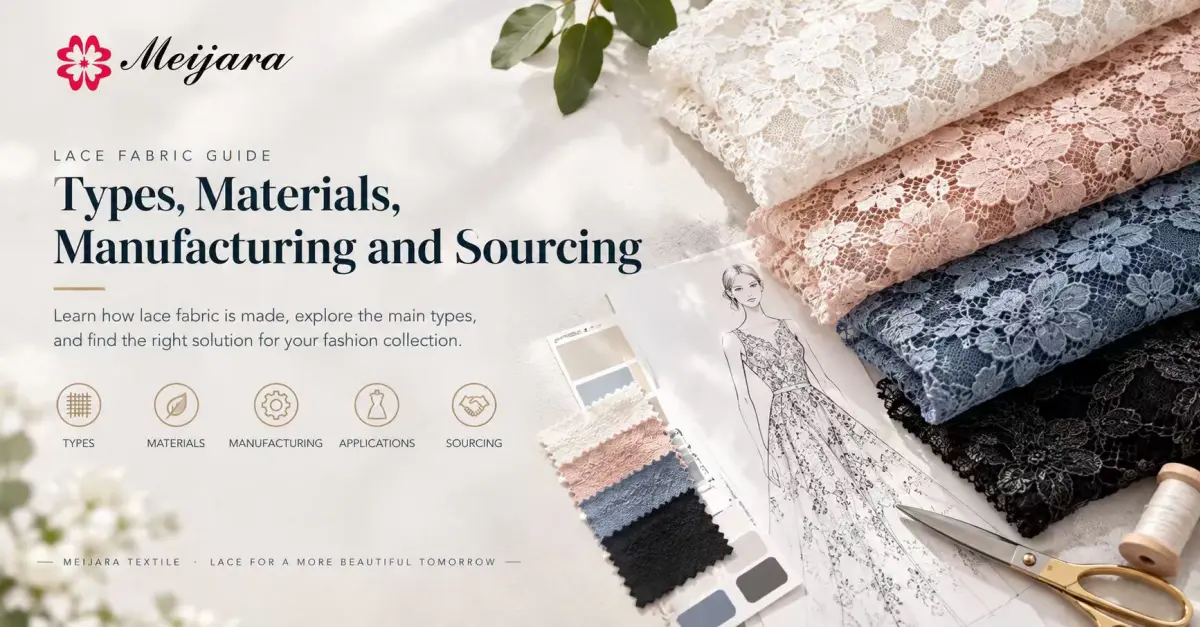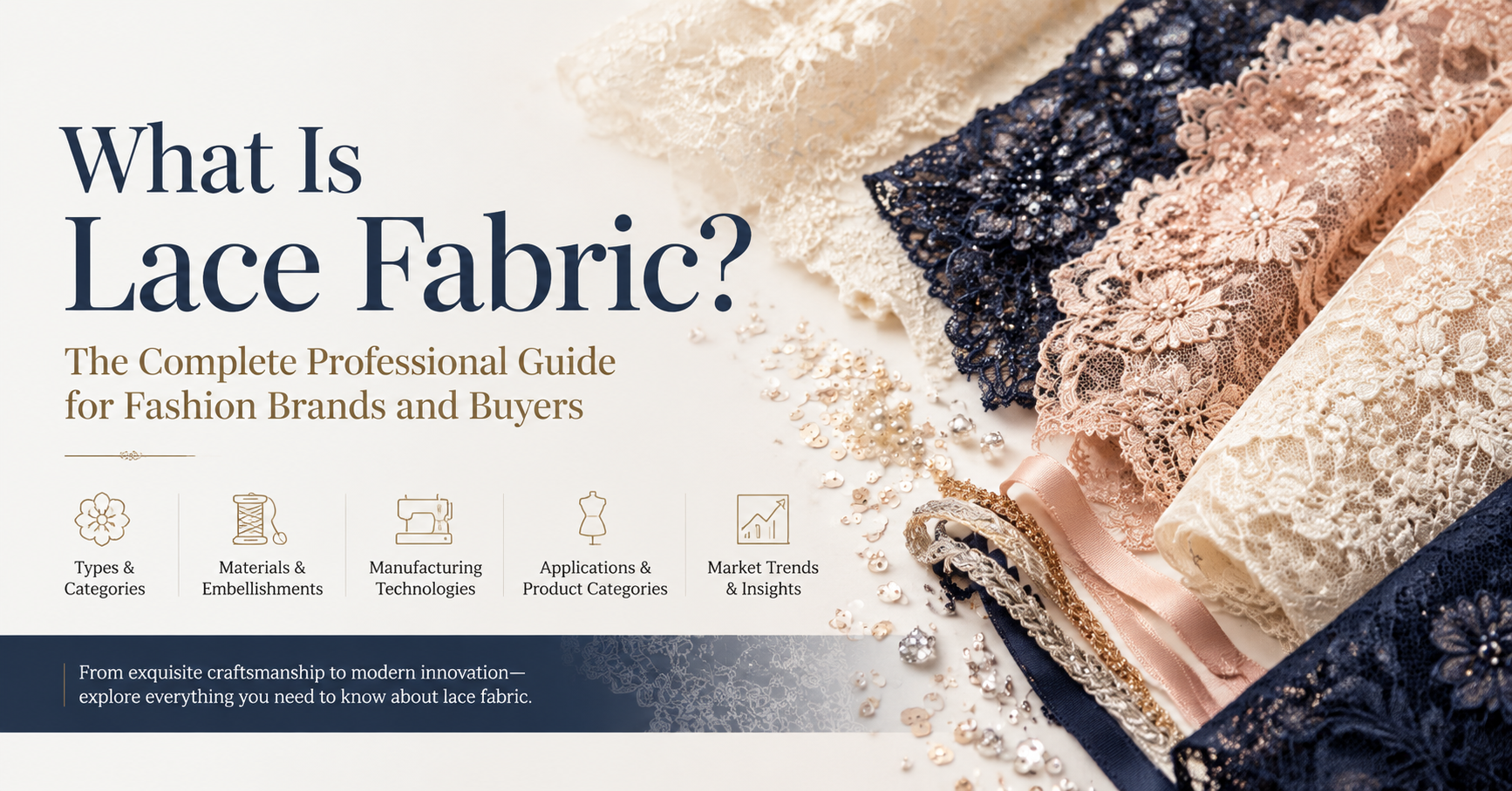


Lace fabric has long been celebrated for its elegance, intricate patterns, and versatility. From bridal gowns to high-fashion collections, lace continues to be a staple in the fashion industry. But what exactly is lace, and why is it so highly valued by designers worldwide? In this comprehensive guide, we will explore everything fashion brands and designers need to know about lace fabric, including its types, production methods, applications, and tips for sourcing high-quality lace.
What is Lace Fabric?
Lace is a delicate textile characterized by openwork patterns, typically created through weaving, knitting, or embroidery techniques. It is often used as a decorative fabric for garments, accessories, and home décor. Lace fabric can range from extremely fine and lightweight to thicker, structured designs, making it versatile for various fashion applications.
Key characteristics of lace fabric:
-
Intricate patterns: Floral motifs, geometric designs, and custom embroidery
-
Openwork structure: Allows air flow and adds visual texture
-
Lightweight and elegant: Perfect for bridal wear, evening gowns, and couture fashion
Lace is not just a decorative element; it plays a crucial role in defining the style and aesthetic of the garment.
Types of Lace Fabric
Understanding the different types of lace is essential for fashion brands that want to select the right material for their collections. Here are the most common lace types:
Chantilly Lace
Chantilly lace is delicate and finely detailed, often featuring floral patterns on a lightweight mesh background. It is ideal for wedding dresses, evening gowns, and elegant fashion pieces.
Guipure Lace
Guipure lace is thicker and more structured than Chantilly lace. Its motifs are connected with bars or plaits rather than netting, giving it a bold, luxurious appearance suitable for statement garments.
Alençon Lace
Alençon lace is known for its intricate floral designs outlined with corded threads. Often called the "Queen of Lace," it is popular for bridal gowns and high-end fashion due to its elegance and dimensional texture.
Tulle Lace
Tulle lace combines lace patterns with tulle fabric, offering lightness and a soft, ethereal appearance. It is widely used for veils, overlays, and skirts in wedding dresses.
Embroidered Lace
Embroidered lace involves stitching designs onto a base fabric such as tulle or net. This technique allows for customization, enabling brands to create unique motifs and patterns.
How Lace Fabric is Made
Lace can be produced using different methods, each impacting the final look and feel of the fabric:
-
Handmade Lace: Traditional techniques such as bobbin lace or needle lace, which are labor-intensive but produce exquisite, one-of-a-kind fabrics. Explore our hand-cord lace collection.
-
Machine-Made Lace: Modern lace fabrics are often created using embroidery or warp-knitting machines. This method allows bulk production while maintaining intricate designs.
-
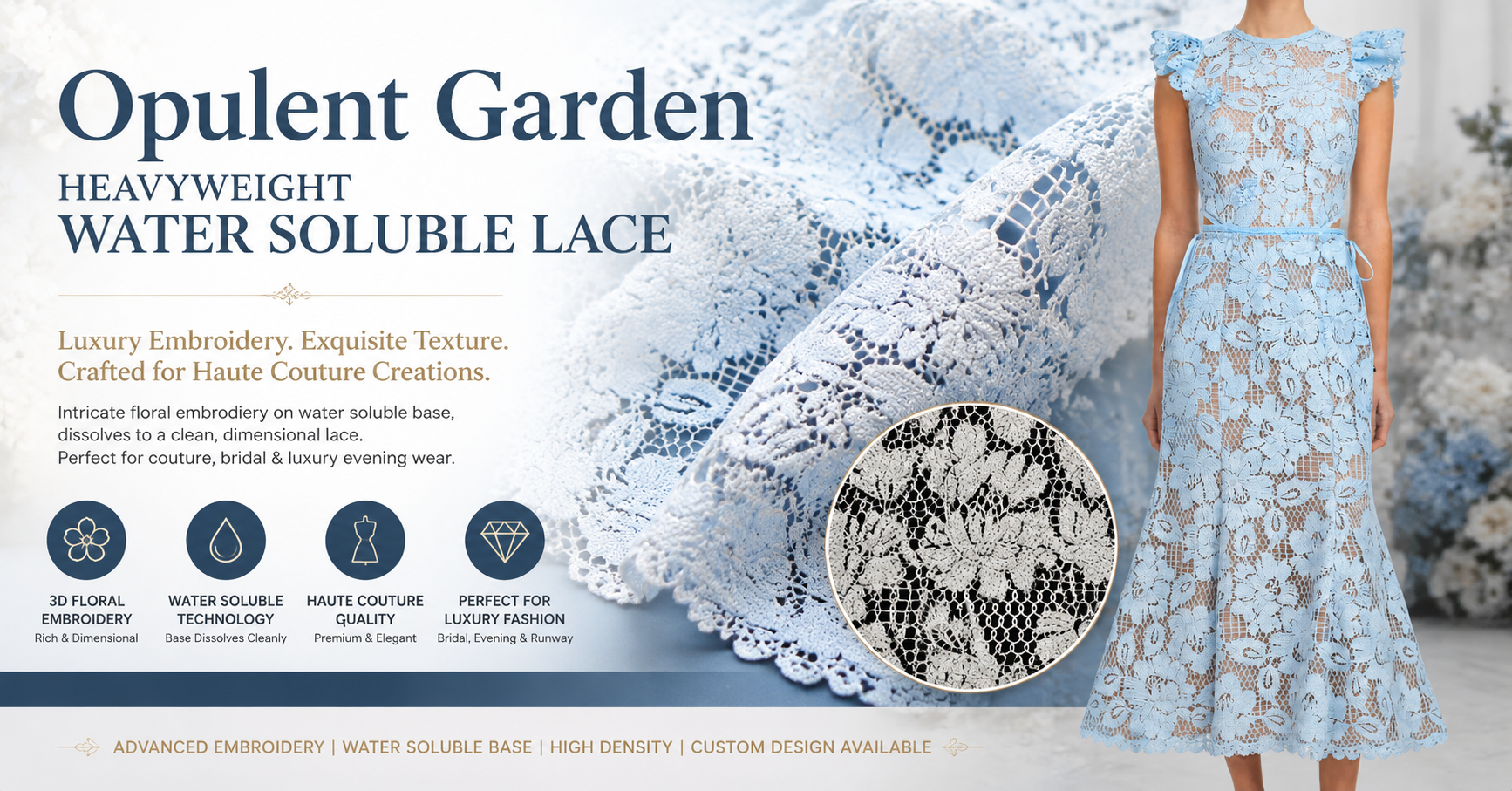
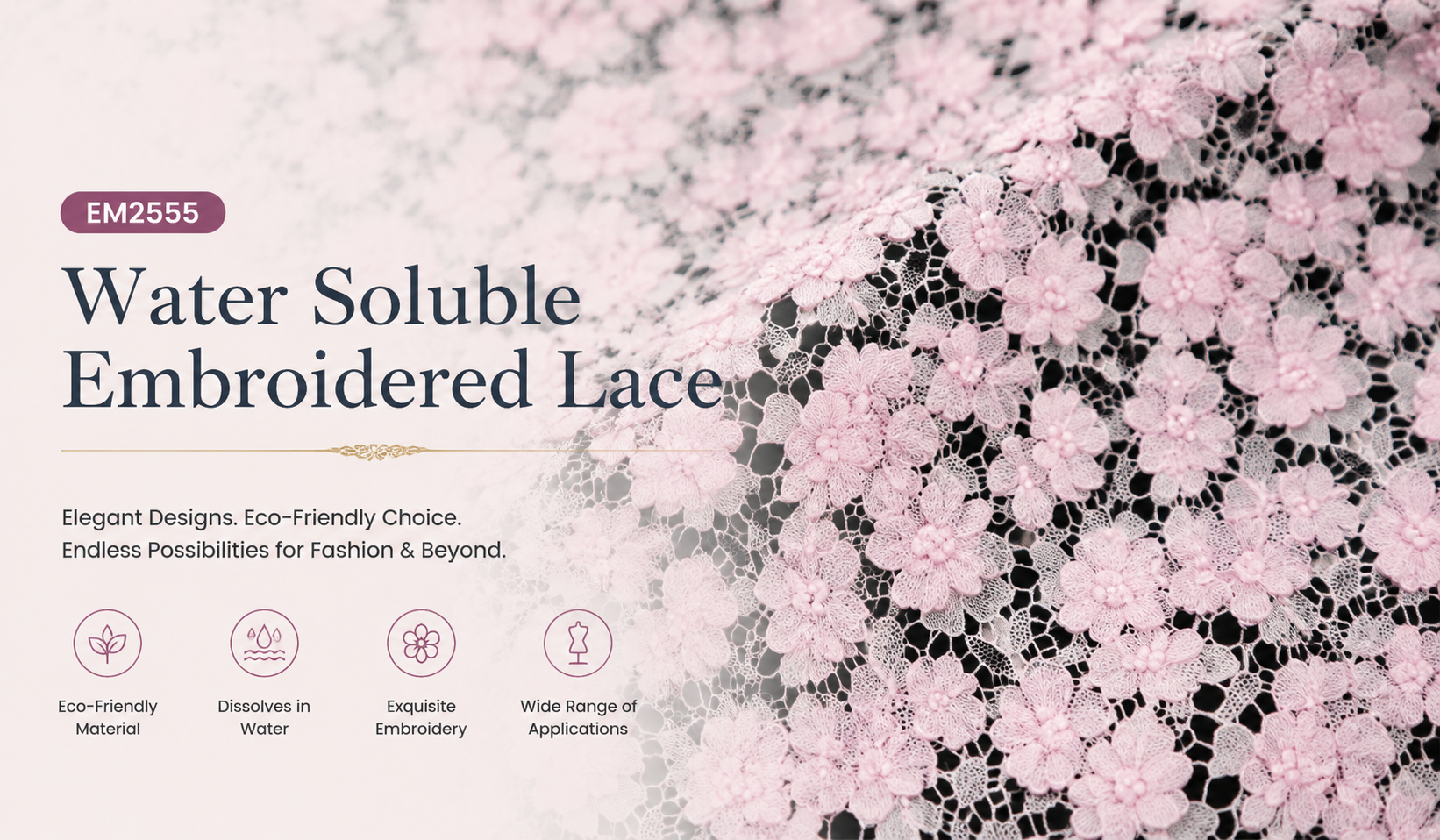
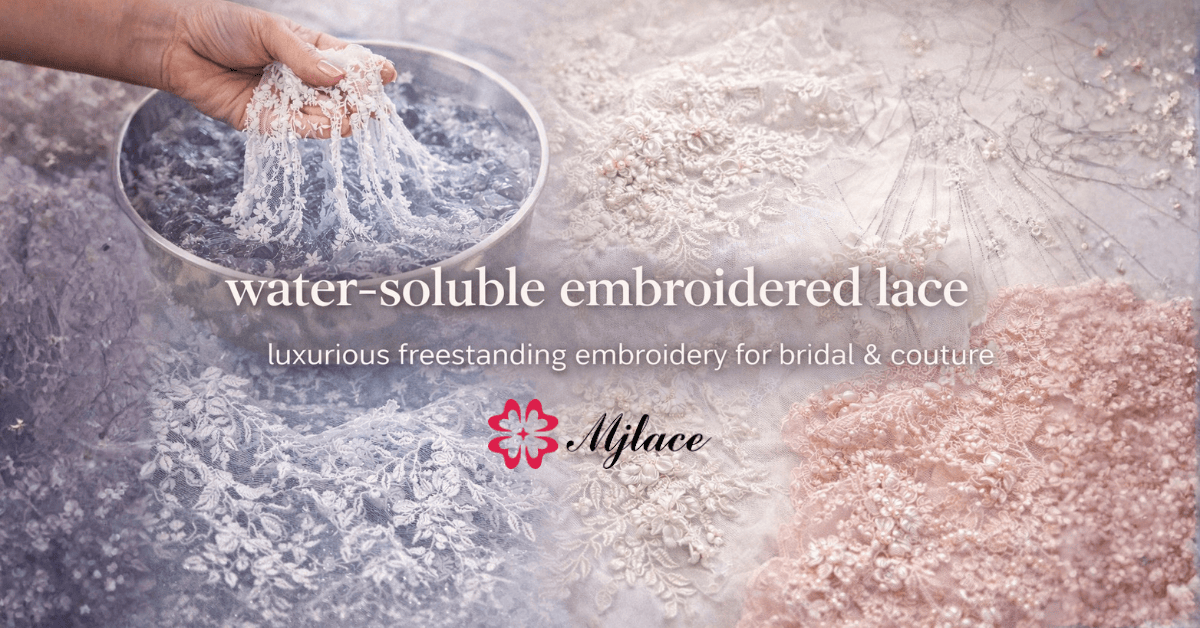
Chemical Lace (Guipure): Patterns are embroidered onto a base fabric, which is then chemically dissolved, leaving only the lace motifs. See our water-soluble embroidery options.
Applications of Lace Fabric
Lace fabric is versatile and widely used in:
-
Bridal Wear: Wedding dresses, veils, and gowns
-
High Fashion: Couture collections and red-carpet gowns
-
Ready-to-Wear Fashion: Tops, skirts, and dresses with lace accents
-
Accessories: Scarves, gloves, and lingerie
-
Home Décor: Curtains, tablecloths, and decorative overlays
Tips for Fashion Brands Sourcing Lace Fabric
When sourcing lace fabric for your brand, consider the following factors:
-
Fabric Quality: Ensure the lace is durable, soft, and free from imperfections. Learn about our quality control standards.
-
Pattern and Design: Choose lace patterns that align with your brand's style. Explore pattern design development.
-
MOQ and Supplier Flexibility: Look for suppliers who can accommodate small or custom orders if needed.
-
Customization Options: Some lace suppliers offer OEM services for bespoke patterns.
-
Sustainability: Consider eco-friendly lace options such as organic cotton or recycled fibers. Visit our sustainability section.
Working with reliable suppliers can ensure you access premium lace fabrics that meet your design standards. For bulk purchasing or cut piece options, contact us for more information.
Why Lace Fabric is Perfect for Fashion Brands
-
Timeless Appeal: Lace never goes out of style and adds elegance to any design
-
Versatility: Suitable for bridal, evening, and casual fashion collections
-
Customization: Embroidered or patterned lace allows for unique and personalized designs
-
High Perceived Value: Garments with lace fabric are often seen as luxurious and high-end
Conclusion
Lace fabric is more than just a decorative textile—it is a crucial element in fashion design that can define the elegance and identity of a brand. From Chantilly lace to Guipure lace and embroidered styles, the possibilities are endless. Understanding lace types, production methods, and applications allows designers and fashion brands to make informed choices, create standout collections, and cater to their clients' tastes.
For fashion brands looking to source high-quality lace, partnering with trusted suppliers or manufacturers is essential. With the right lace fabrics, designers can elevate their collections, deliver premium products, and meet the expectations of discerning customers. Visit our homepage to explore our full range or contact us for inquiries.