
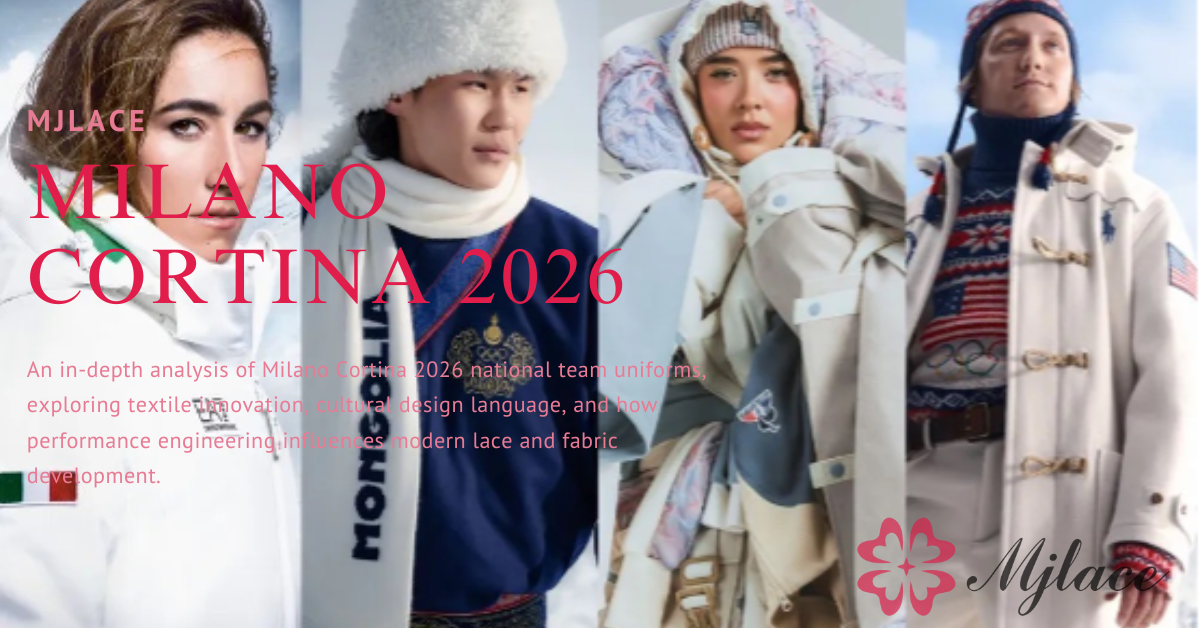

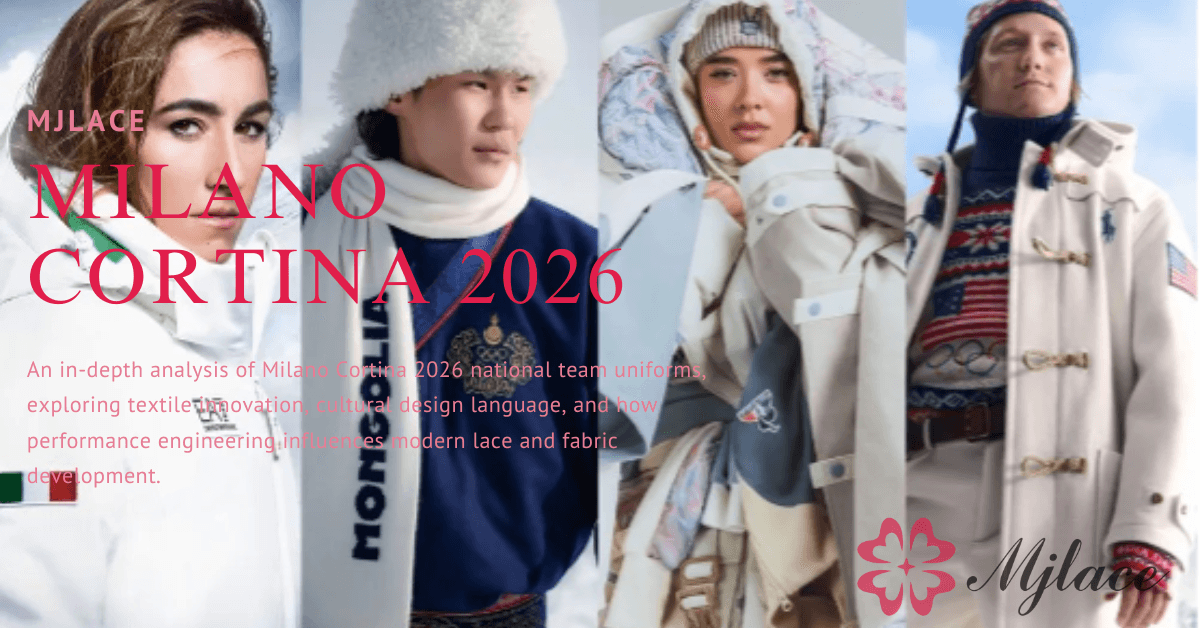
As the Milano Cortina 2026 Winter Olympics approach, national team uniforms have once again become a global stage where fashion, performance technology, and cultural identity intersect. Beyond athletic functionality, these outfits reflect each country’s design philosophy, textile choices, and storytelling approach.
Below is a detailed look at the standout national team uniforms showcased at the opening ceremony, highlighting their design concepts, material selections, and construction details.
Italy | Giorgio Armani
Minimalist Elegance with Performance Precision
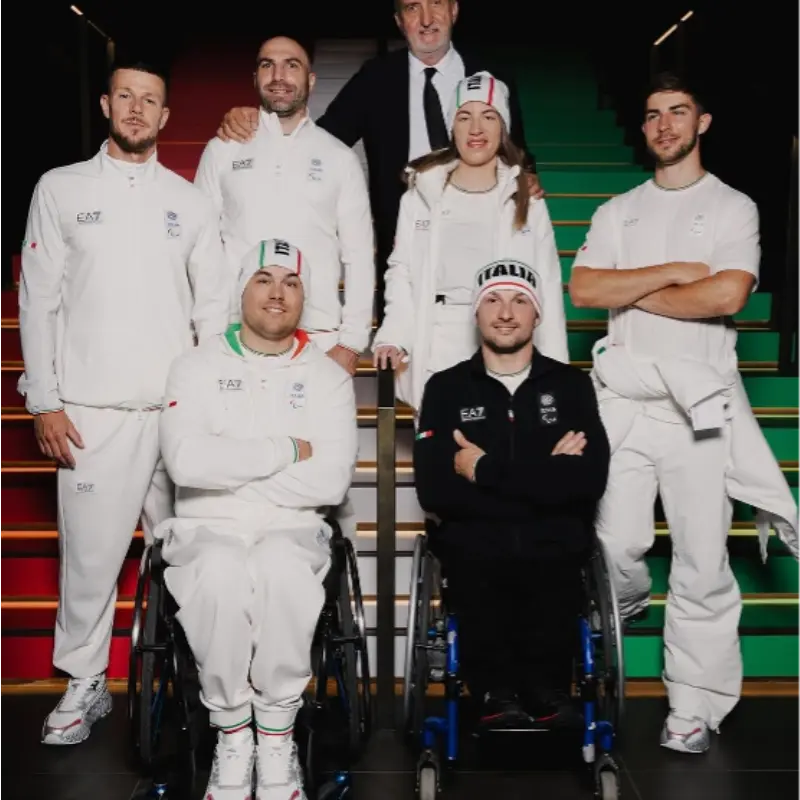
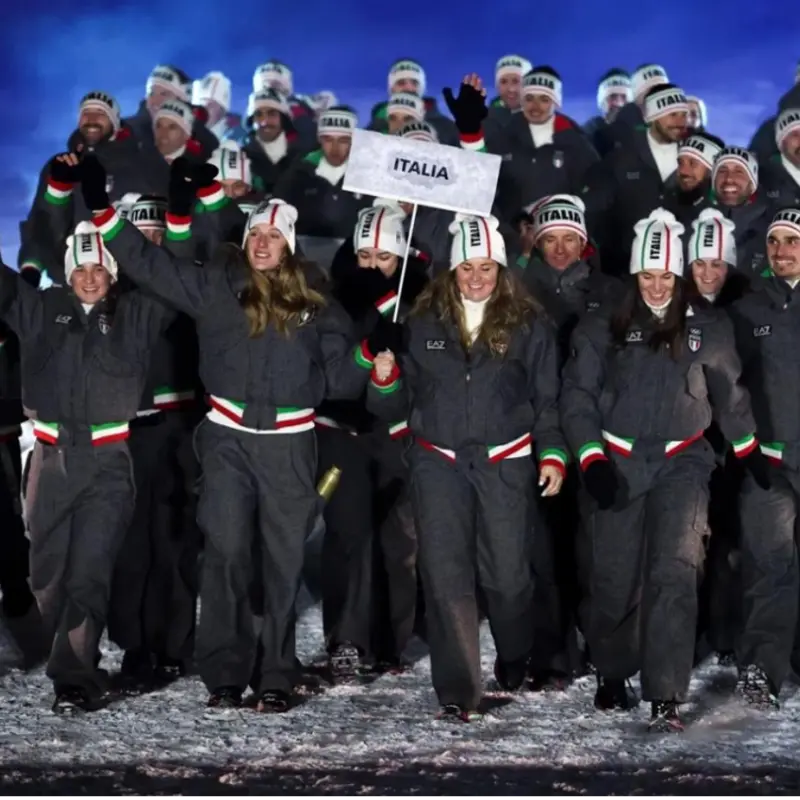
Italy’s host nation uniform, designed by Giorgio Armani, embodied restrained luxury and refined tailoring. The collection focused on clean silhouettes and tonal harmony, avoiding excessive decoration in favor of understated sophistication.
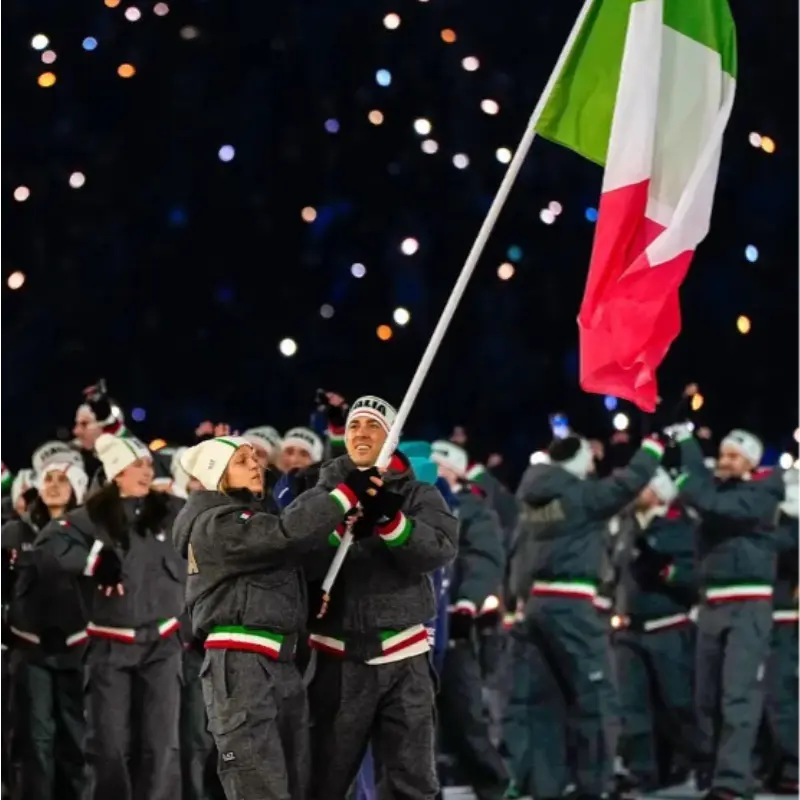
Key features included:
- A neutral color palette inspired by Alpine landscapes
- Streamlined cuts with structured yet lightweight outerwear
- Technical fabrics offering warmth, wind resistance, and flexibility
- Subtle tricolor accents integrated into seams and linings
The overall effect was timeless and confident, reinforcing Italy’s reputation for elegance while meeting winter sports performance standards.
France | Le Coq Sportif
Innovation Driven by Climate and Technology
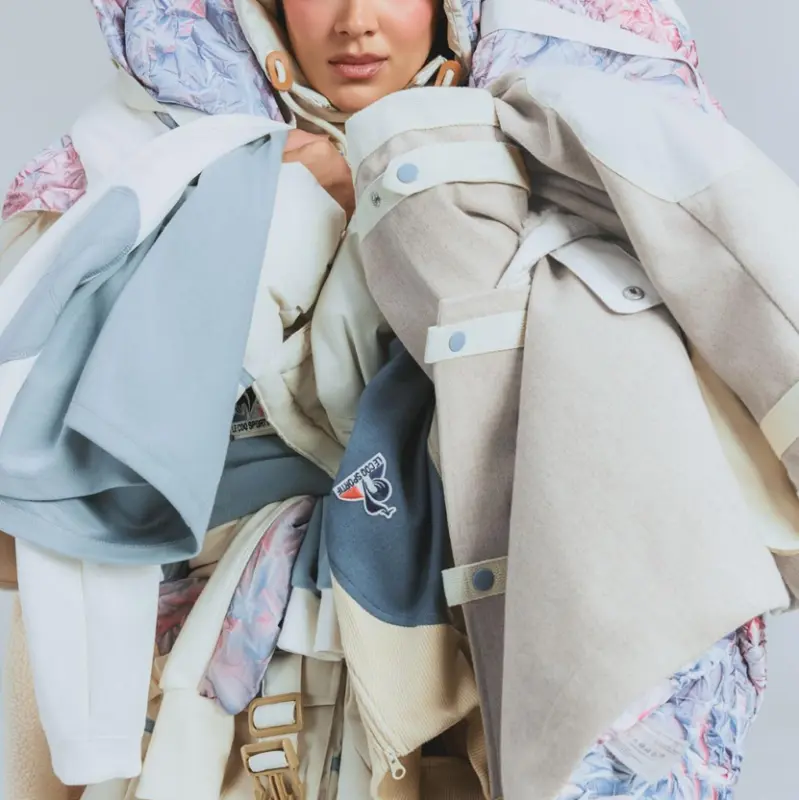
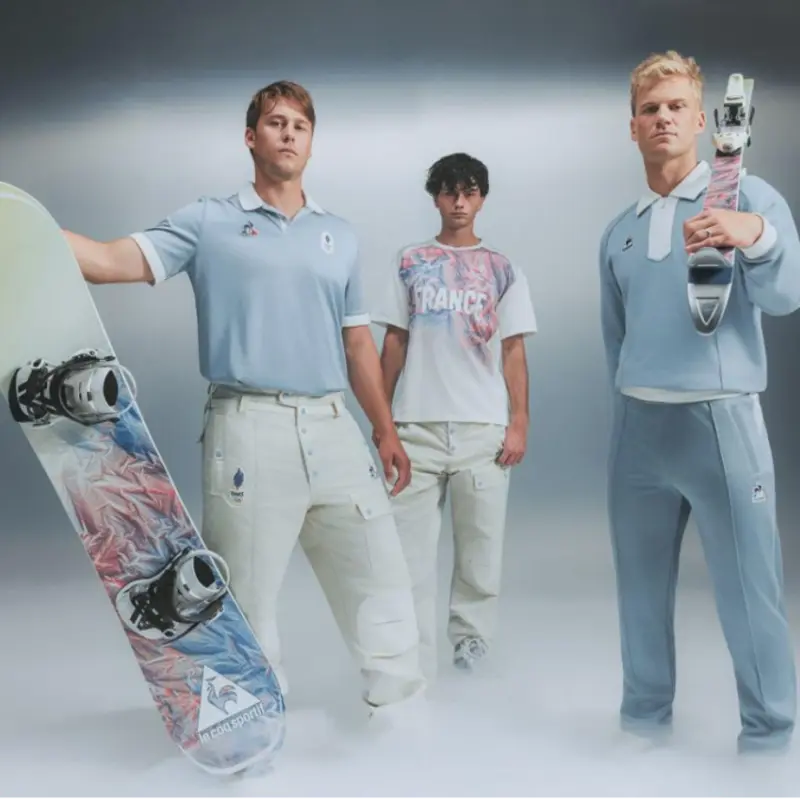
France’s uniforms emphasized environmental responsiveness and material innovation. The most distinctive element was the use of thermochromic ink technology, allowing fabric colors to change in response to temperature.
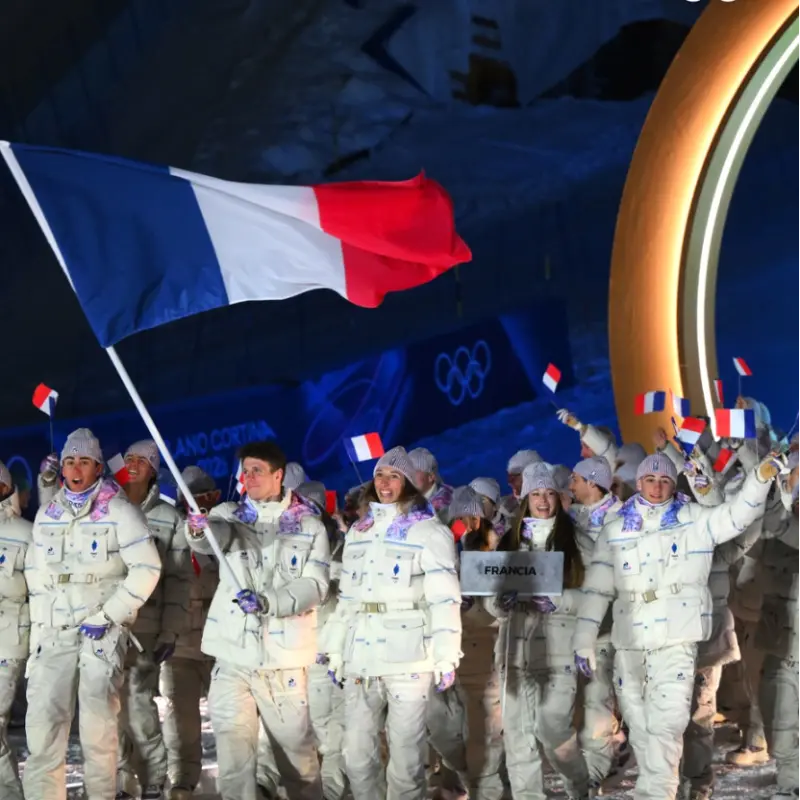
Design highlights:
- Tricolor gradients referencing France’s national identity
- Weather-reactive prints integrated into linings and shell fabrics
- Balanced layering systems for warmth and breathability
- Contemporary silhouettes suitable for ceremonial and functional use
This approach positioned France’s uniform as both visually dynamic and technologically forward-looking.
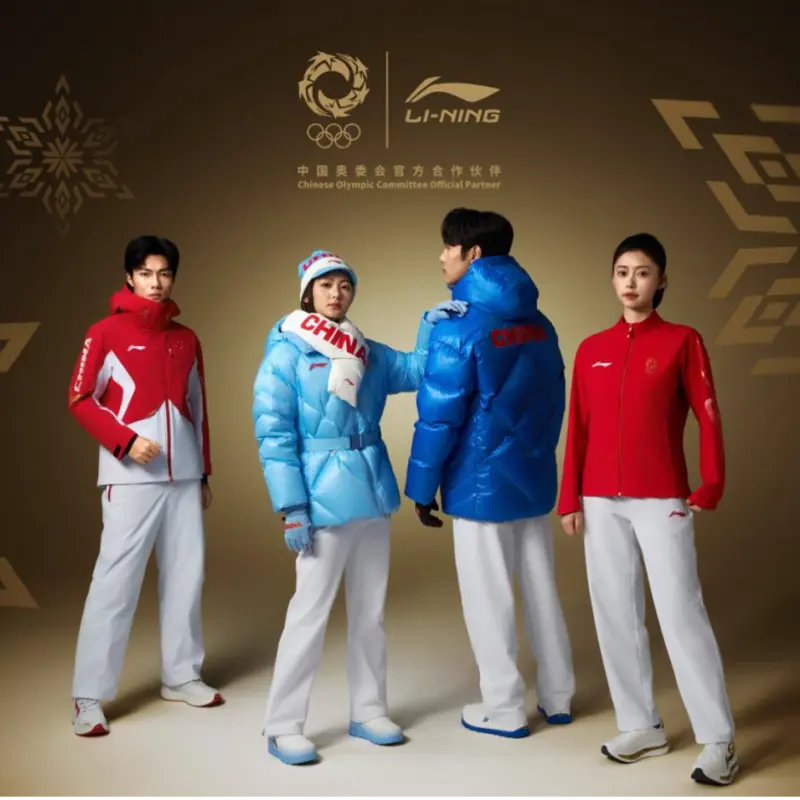
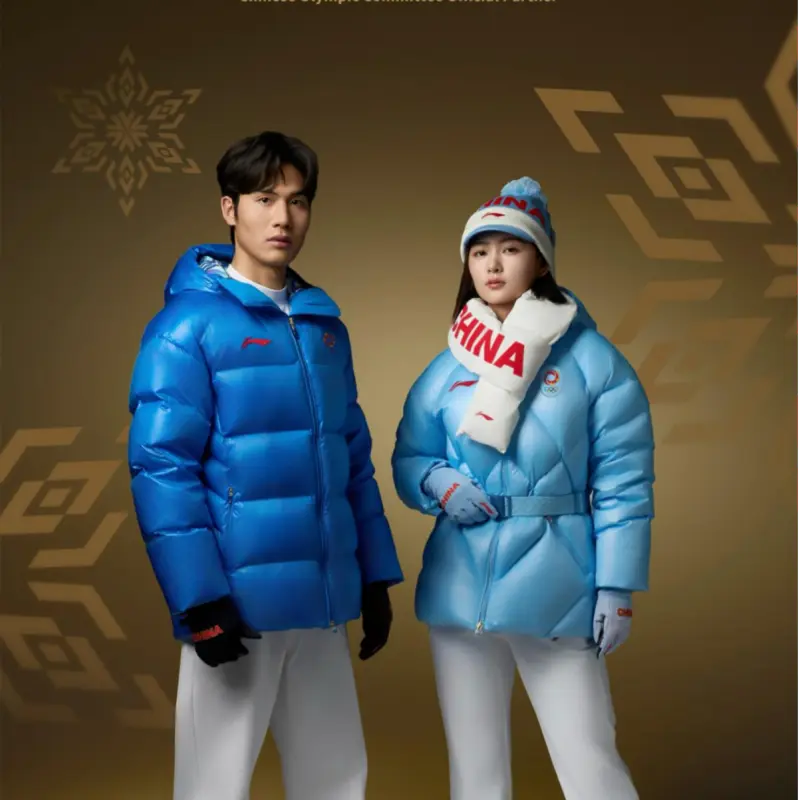
China | Li-Ning
Cultural Symbolism Meets Advanced Textile Engineering
China’s national team uniforms combined traditional cultural motifs with modern performance textiles. The design language focused on abstract symbolism rather than literal ornamentation, creating depth through structure and material behavior.
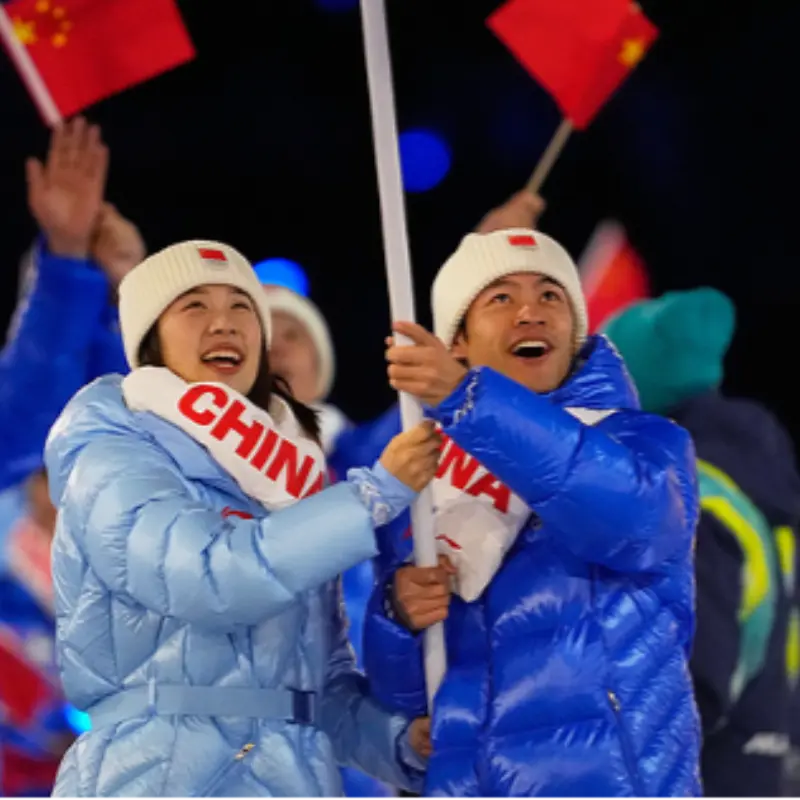
Notable details:
- Basalt-based infrared fibers that retain body heat
- Subtle traditional patterns woven or embedded into fabric surfaces
- Lightweight insulation with high thermal efficiency
- Clean lines paired with precise construction
The result was a modern interpretation of heritage, executed through advanced material science.
Norway | Dale of Norway
Heritage Knitting Reimagined for Extreme Conditions
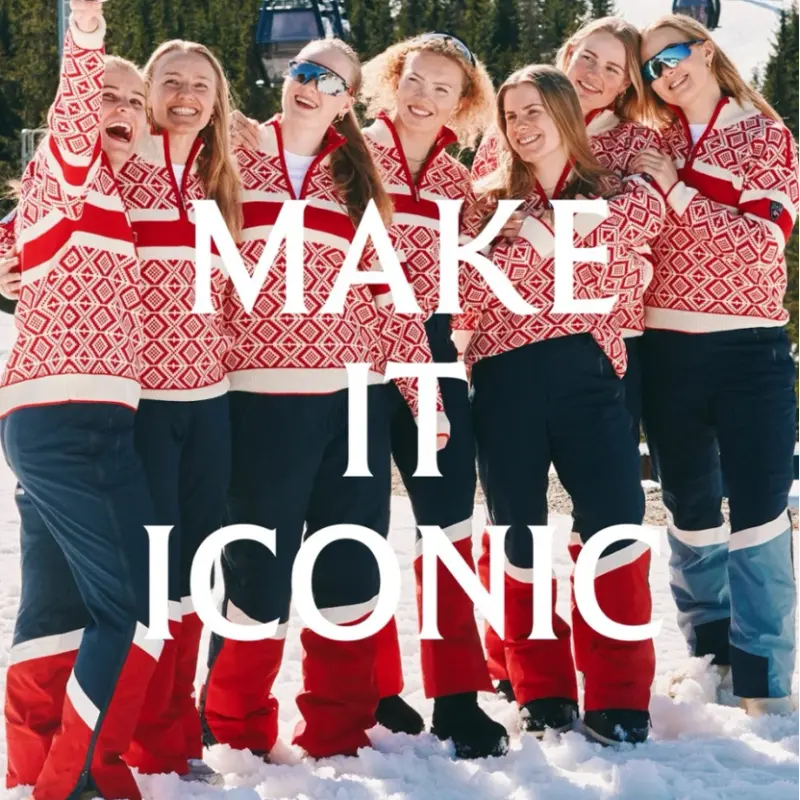
Norway’s uniforms celebrated the country’s long-standing knitting traditions while incorporating modern textile technology. The brand applied three-layer composite knitting structures to enhance insulation without bulk.
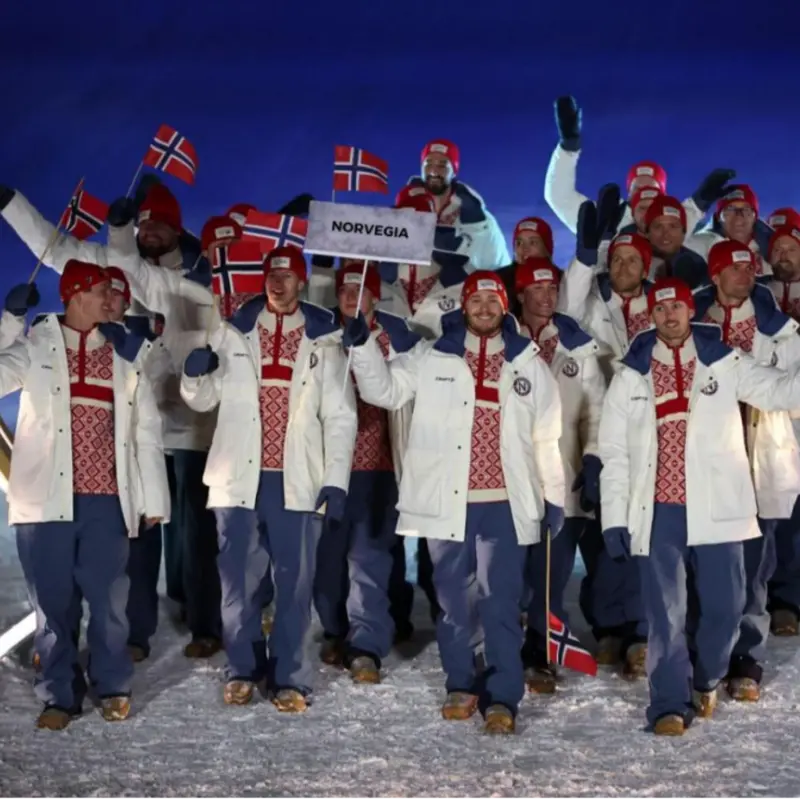
Key elements:
- Traditional Nordic patterns updated with technical yarns
- Multi-layer knit construction combining wool, membranes, and lining
- Exceptional warmth, moisture control, and durability
- A balance between heritage aesthetics and modern performance
This uniform demonstrated how traditional textile craftsmanship can evolve into high-performance apparel.
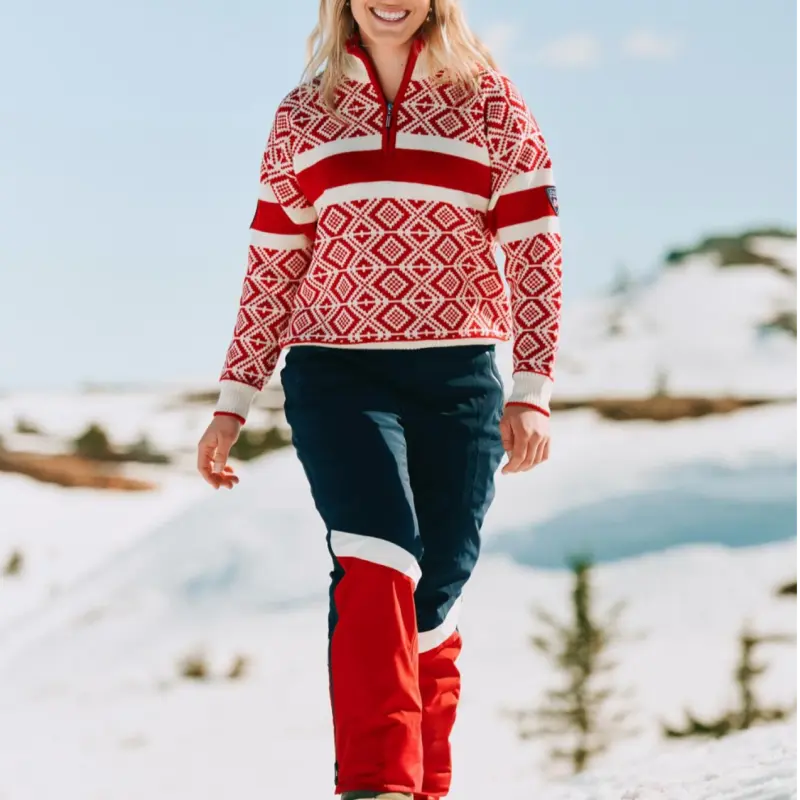
Mongolia | Michel & Amazonka
Quiet Luxury Through Natural Fibers
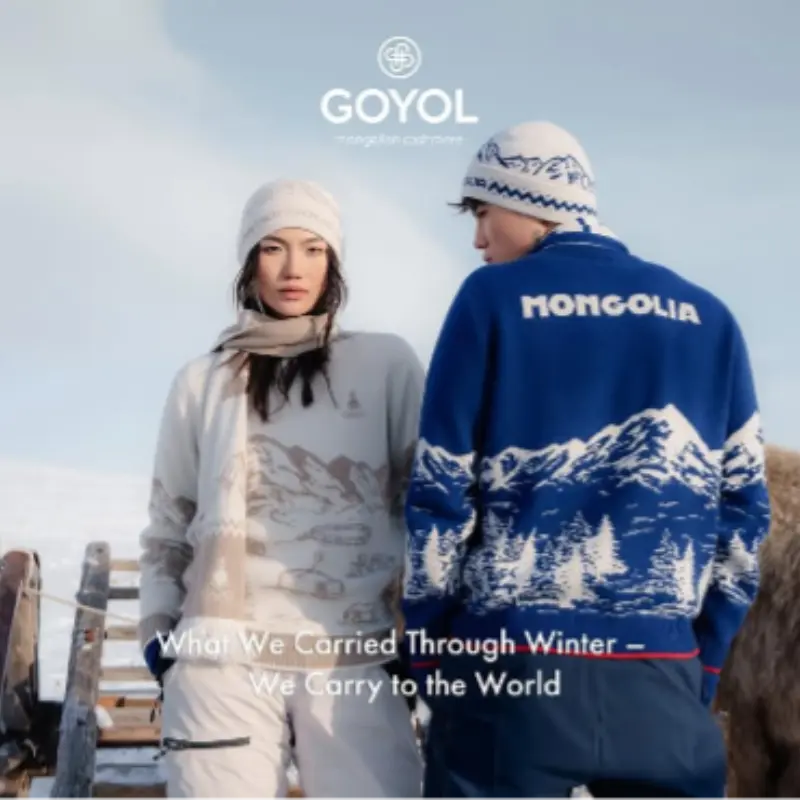
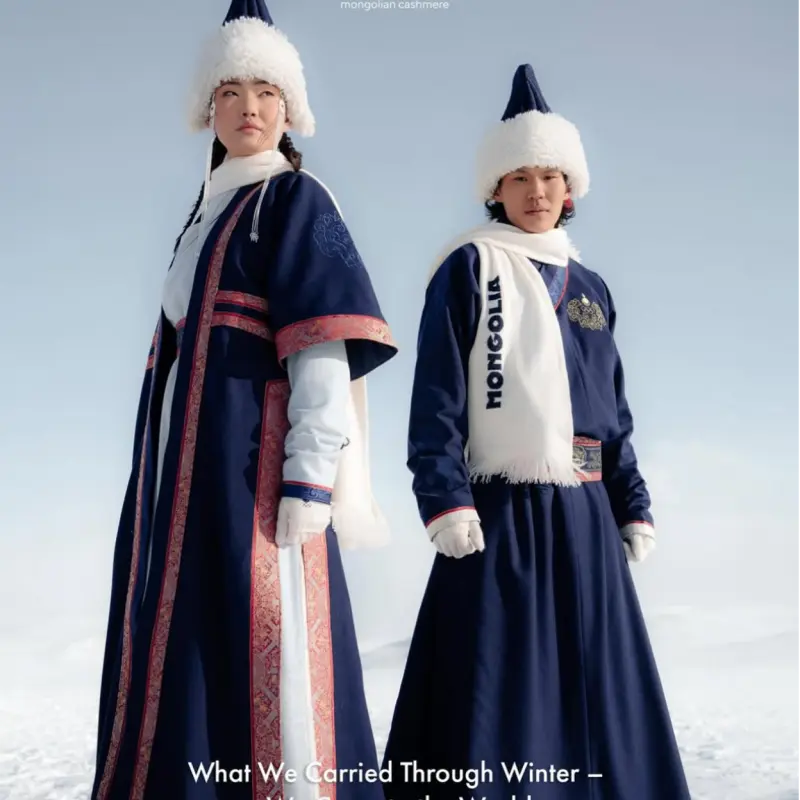
Mongolia’s team uniform focused on material purity and cultural subtlety. Using ultra-fine cashmere and minimal ornamentation, the design conveyed a sense of quiet luxury and national identity.

Design features included:
- High-grade cashmere for warmth and softness
- Earth-toned color schemes inspired by natural landscapes
- Simplified silhouettes emphasizing texture over decoration
- Tailored construction suitable for extreme cold
The collection stood out for its calm confidence and refined material choice.
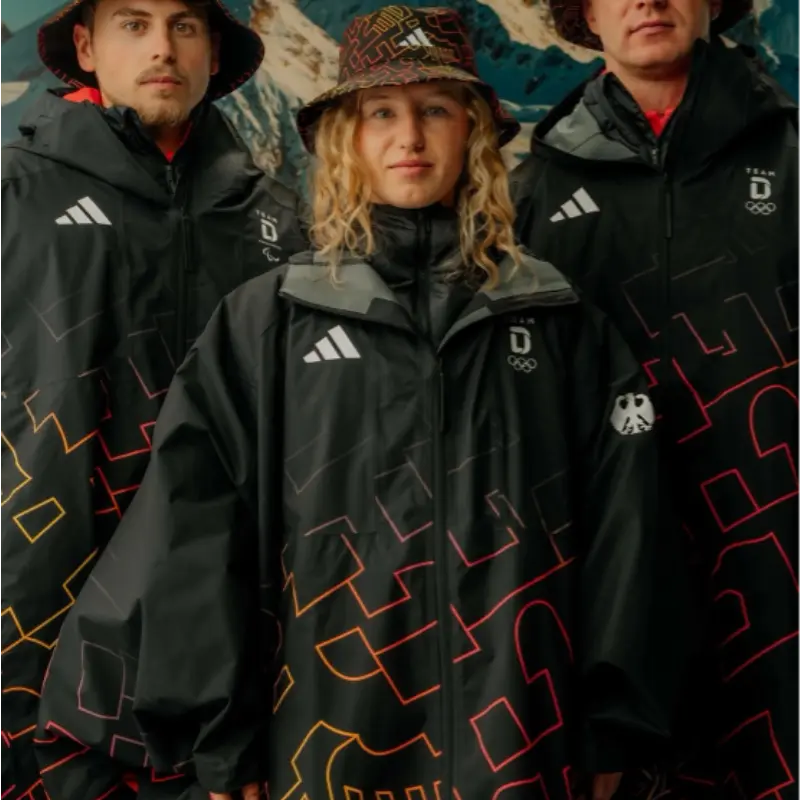
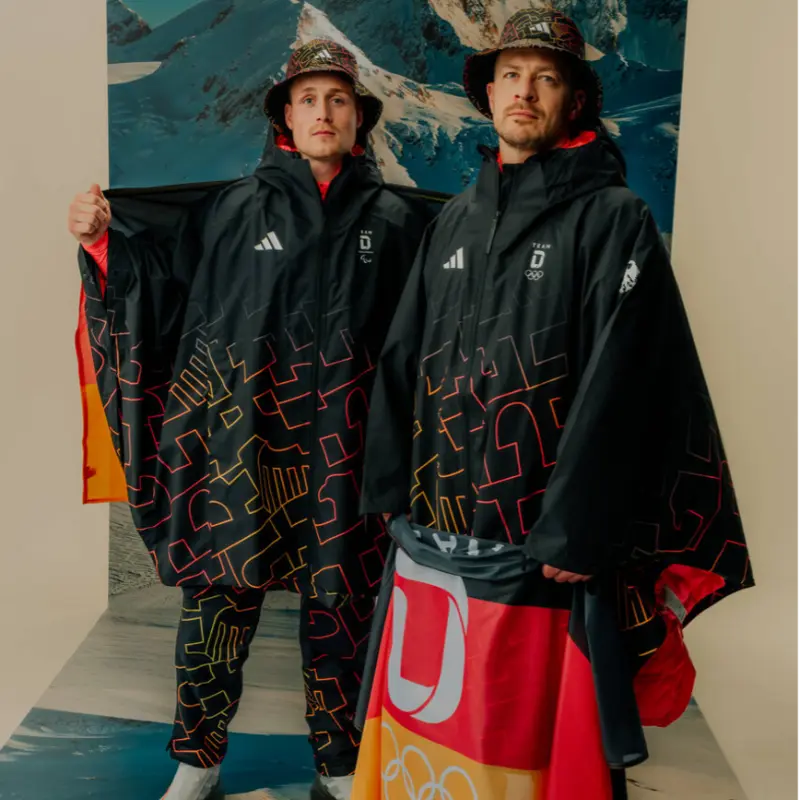
Germany | Adidas
Sustainability-Driven Performance Design
Germany’s uniforms reflected Adidas’ commitment to sustainable innovation. The designs incorporated CO₂-based recycled polyester fibers, emphasizing environmental responsibility without compromising performance.
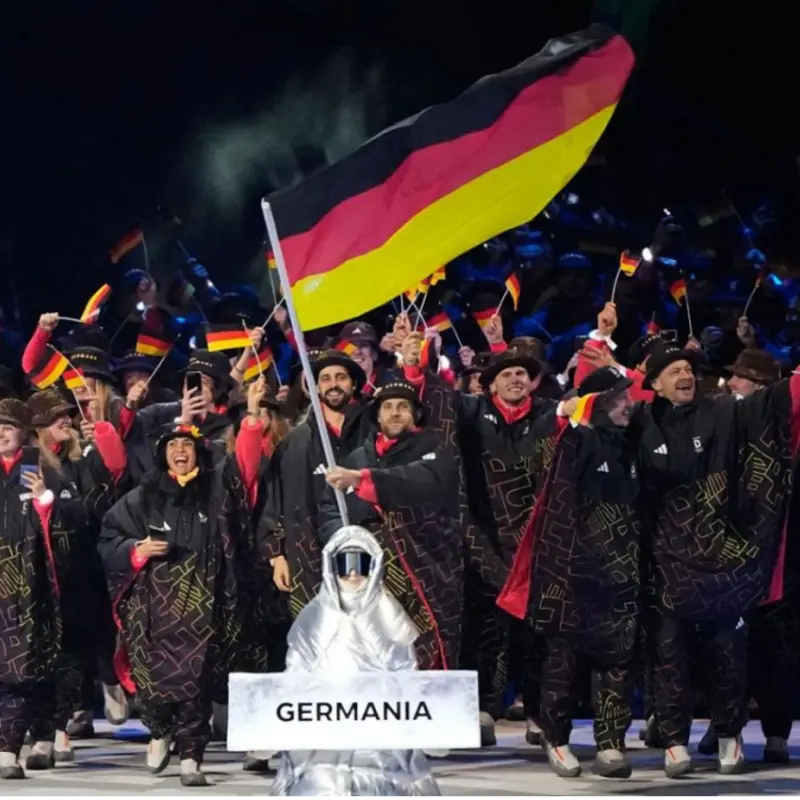
Highlights included:
- Sustainable materials with high durability
- Functional layering systems for cold-weather protection
- Sport-forward silhouettes with modern detailing
- Clean, technical aesthetics aligned with athletic identity
This uniform demonstrated how sustainability can be integrated seamlessly into elite sportswear.
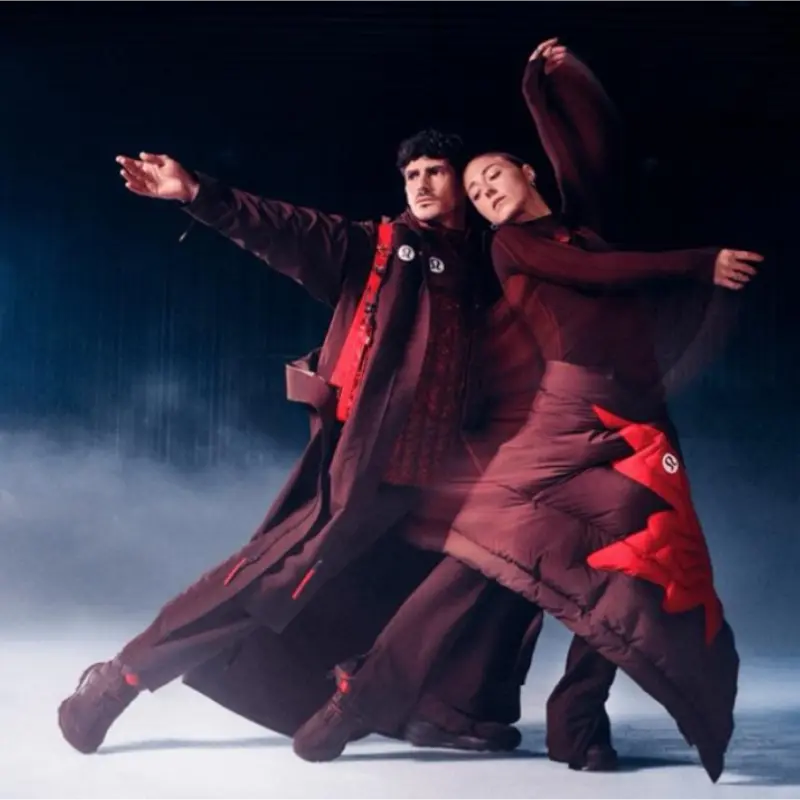
Canada | Lululemon
Seamless Construction for Maximum Protection
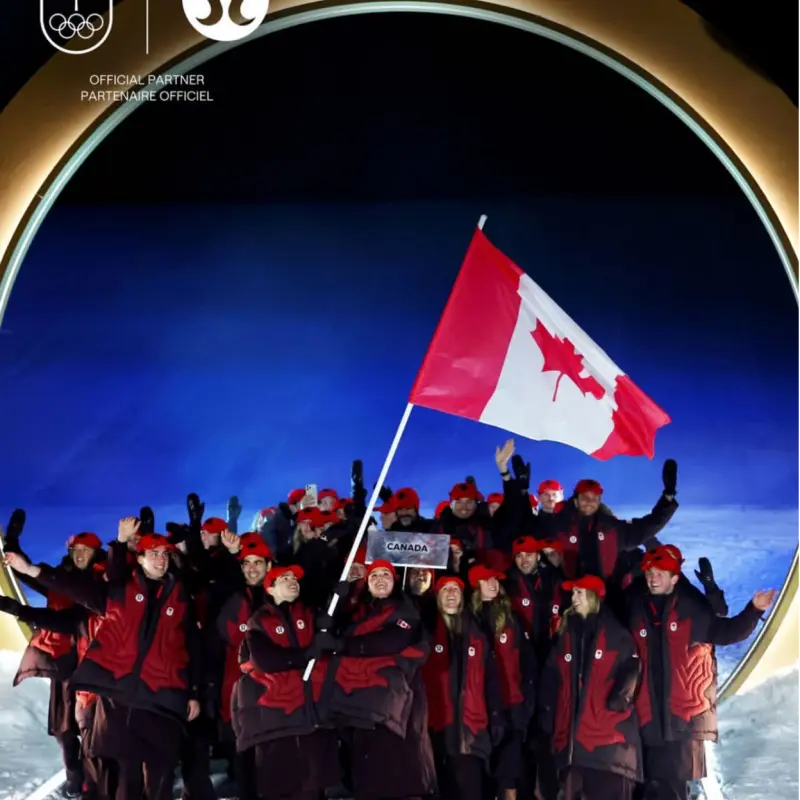
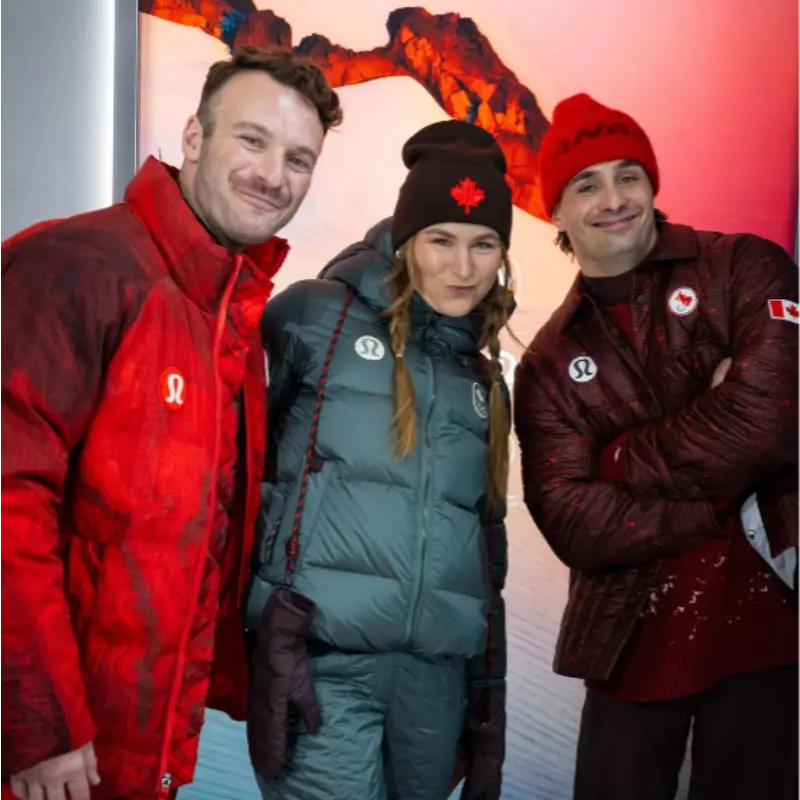
Canada’s uniforms showcased advanced garment construction techniques. Lululemon focused on seamless bonding technology to enhance waterproofing, comfort, and durability.
Key details:
- Seamless or bonded seams to reduce bulk and leakage
- Lightweight insulation optimized for mobility
- Modern silhouettes adaptable for ceremony and outdoor conditions
- Emphasis on long-term wearability and comfort
The result was a technically refined uniform built for both performance and everyday use.
United States | Ralph Lauren
Classic Americana with Functional Updates
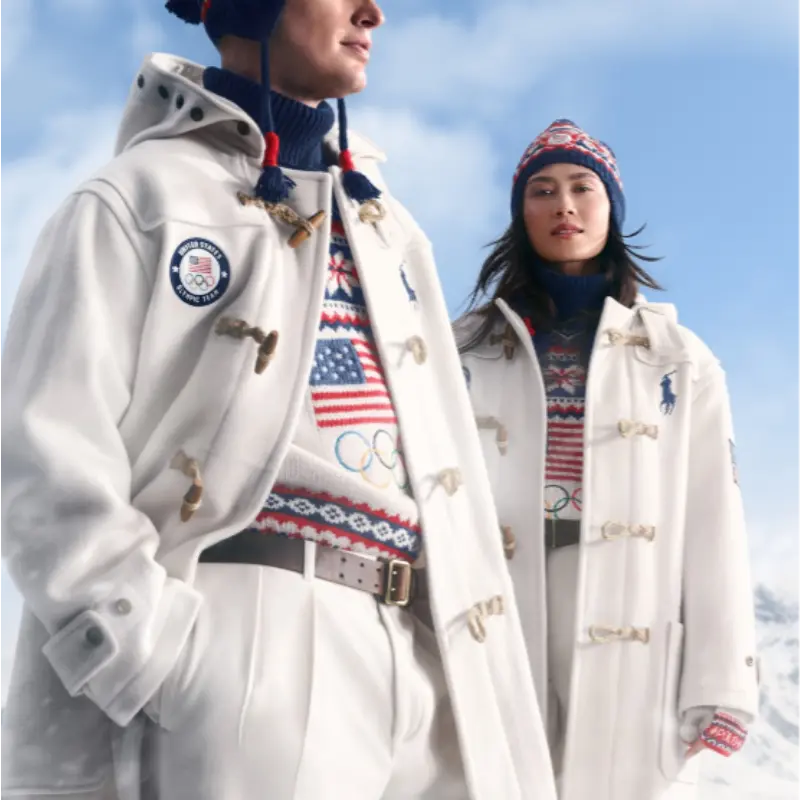
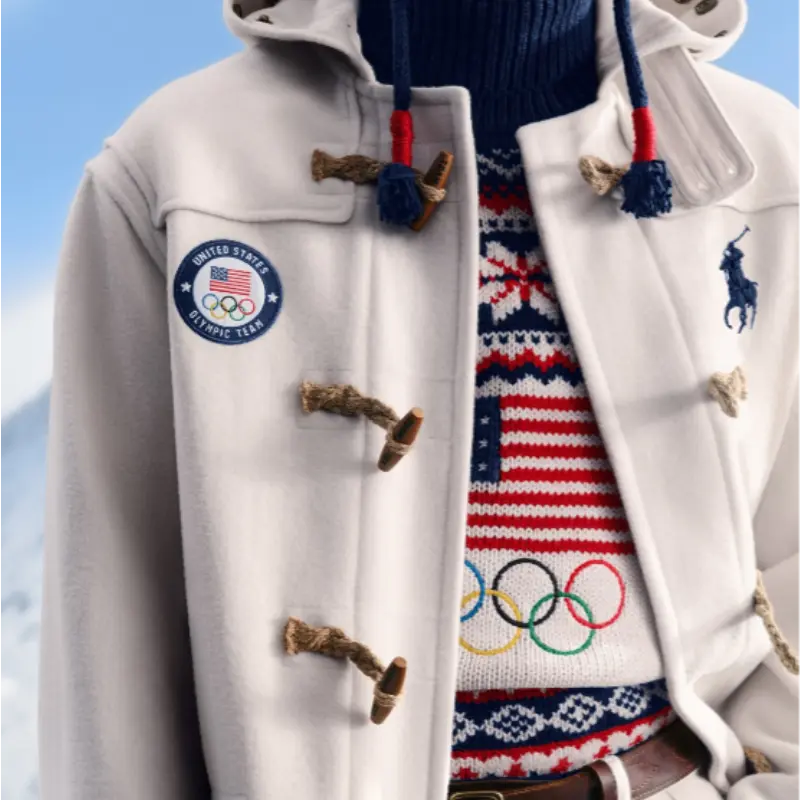
The U.S. team uniforms remained rooted in Ralph Lauren’s signature Americana aesthetic, blending classic styling with updated technical materials.
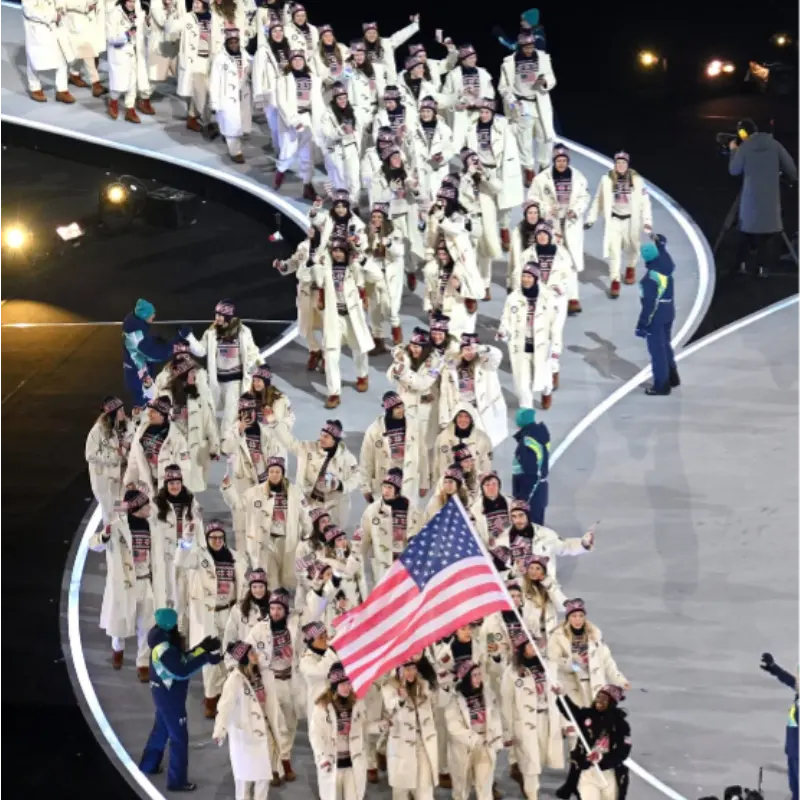
Design elements included:
- Iconic red, white, and blue color schemes
- Embroidered patches and heritage-inspired details
- Performance fabrics offering warmth and flexibility
- Familiar silhouettes updated for winter conditions
This approach reinforced brand continuity while meeting functional requirements.
Final Thoughts
The Milano Cortina 2026 Winter Olympics confirmed that national team uniforms are no longer purely functional sportswear. They are strategic design statements that integrate:
- Advanced textile engineering
- Cultural storytelling
- Sustainability considerations
- High-level garment construction
For apparel brands, designers, and textile suppliers, these uniforms offer valuable insight into the future direction of performance fashion and material innovation. As boundaries between sportswear, fashion, and technical textiles continue to blur, fabric development and construction expertise will play an increasingly critical role in shaping next-generation apparel.