
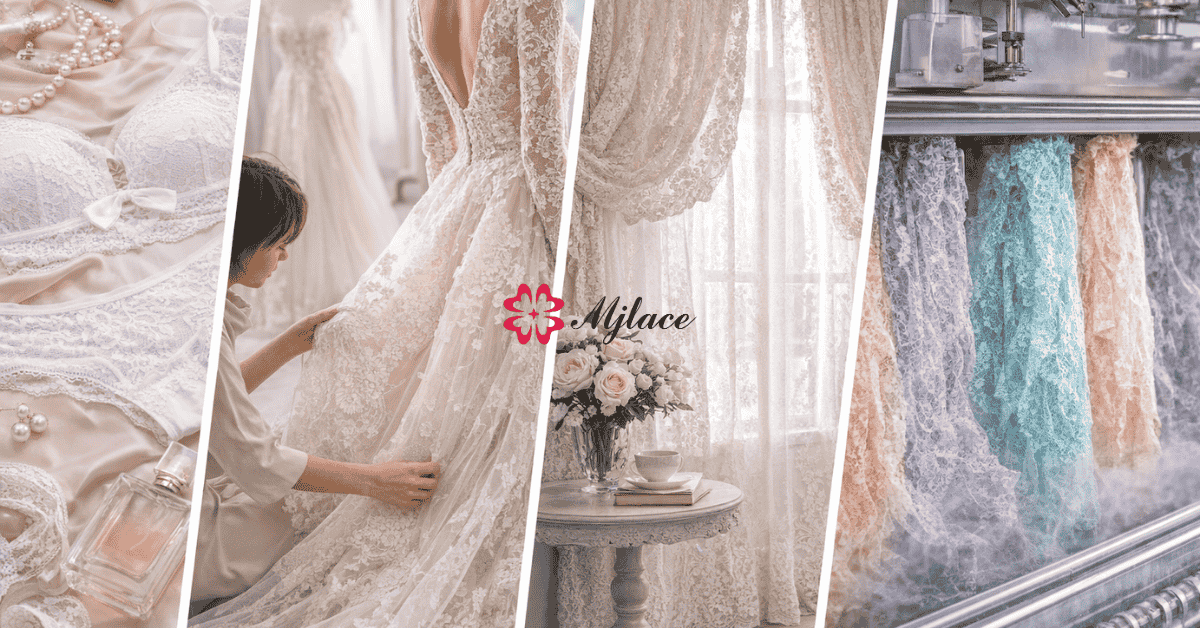

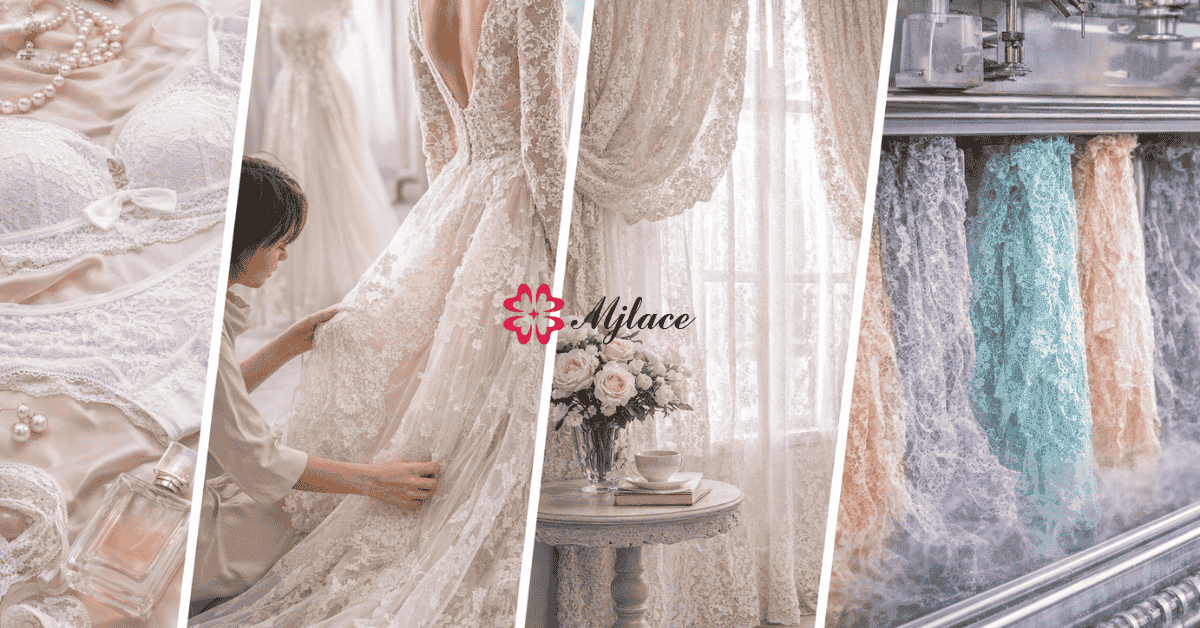
How Lace Is Used Across Fashion, Apparel, and Industrial Sectors
Lace fabric has evolved far beyond its traditional role as a decorative textile. In today’s global textile and fashion industry, lace is a functional, structural, and aesthetic material used across a wide range of applications—from luxury fashion and intimate apparel to bridal wear, home textiles, and even niche industrial uses.
This article provides a comprehensive overview of lace fabric applications and industry use, helping designers, brands, sourcing managers, and manufacturers understand where, how, and why different lace types are used, and how to select the right lace for specific end products.
Lace in the Global Textile & Apparel Industry
Lace is valued for three core reasons:
-
Visual appeal – pattern, texture, transparency
-
Functional performance – stretch, breathability, durability
-
Design flexibility – compatibility with dyeing, embroidery, bonding, and cutting
Because lace can be engineered with different fibers, constructions, and finishes, it fits seamlessly into both high-fashion and mass-production environments.
Fashion & Ready-to-Wear Apparel Applications
1. Lace in Women’s Fashion
Lace plays a critical role in women’s apparel collections worldwide.
Common applications include:
-
Dresses & skirts
-
Blouses & tops
-
Sleeves, panels, and overlays
-
Decorative trims and inserts
Popular lace types used:
-
Stretch lace for fitted silhouettes
-
Jacquard lace for structured garments
-
Embroidery lace for statement designs
Lace allows designers to balance femininity, elegance, and modern structure, making it a recurring element in seasonal fashion collections.
2. Lace in Lingerie & Intimate Apparel
The lingerie industry is one of the largest consumers of lace fabric globally.
Key performance requirements:
-
High elasticity and recovery
-
Soft hand feel
-
Skin-friendly fibers
-
Colorfastness and wash durability
Typical lace choices:
-
Stretch lace
-
Raschel lace
-
Power lace
-
Eyelash lace for edging
Lace is used for:
-
Bras and bralettes
-
Panties and bodysuits
-
Nightwear and shapewear
In this segment, lace must combine aesthetic beauty with functional engineering, especially for support and comfort.
Bridal & Occasion Wear
1. Bridal Gowns & Wedding Dresses
Bridal lace represents the highest standard of lace craftsmanship.
Common lace styles used in bridal wear:
-
Chantilly lace
-
Corded lace
-
Embroidery lace
-
Beaded or sequined lace
Applications include:
-
Full gown overlays
-
Sleeves and bodices
-
Veils and trains
-
Decorative motifs and appliqués
Bridal lace often requires:
-
Custom pattern development
-
Hand or semi-hand embroidery
-
Precise color matching (ivory, off-white, nude tones)
2. Evening & Couture Fashion
In haute couture and luxury eveningwear, lace is used as a design focal point.
Designers favor:
-
Complex motifs
-
Multi-layer lace constructions
-
Custom embroidery and embellishment
These applications emphasize artistry, exclusivity, and craftsmanship rather than mass production.
Lace in Home Textiles & Interior Applications
Although less visible than apparel, lace has long-standing use in home décor and interior textiles.
1. Home Textile Products
Common applications include:
-
Curtains and window panels
-
Tablecloths and runners
-
Cushion covers
-
Decorative panels
Preferred lace features:
-
Dimensional stability
-
UV resistance
-
Easy maintenance
Chemical lace and cotton lace are commonly used for these applications due to their durability and decorative clarity.
Lace in Accessories & Trims
Lace is widely used as a trim material to enhance finished products.
Typical trim applications:
-
Necklines
-
Hemlines
-
Cuffs
-
Waistbands
-
Decorative edging
Products include:
-
Fashion garments
-
Children’s wear
-
Accessories such as scarves and shawls
Trim lace often requires:
-
Clean cutting edges
-
Consistent width
-
Stable dye lots
Lace in Footwear & Leather Goods
An emerging application of lace is in fashion footwear and leather accessories.
Examples include:
-
Lace panels in shoes
-
Decorative lace overlays in handbags
-
Laser-cut lace patterns on leather
Specially engineered lace is required to:
-
Withstand abrasion
-
Maintain structure
-
Bond with leather or synthetic materials
Industrial & Technical Applications of Lace
Although niche, lace also appears in technical and industrial contexts.
1. Functional Textile Applications
Examples include:
-
Breathable mesh-like lace for ventilation
-
Reinforcement layers in composite textiles
-
Decorative-technical hybrids for automotive interiors
These applications prioritize:
-
Tensile strength
-
Consistency
-
Material compatibility
Industry-Specific Lace Selection Guide
| Industry | Key Lace Requirements | Common Lace Types |
|---|---|---|
| Fashion Apparel | Drape, aesthetics | Jacquard lace, embroidery lace |
| Lingerie | Stretch, softness | Stretch lace, Raschel lace |
| Bridal | Detail, luxury | Chantilly lace, corded lace |
| Home Textiles | Stability, durability | Chemical lace, cotton lace |
| Accessories | Edge quality | Eyelash lace, trim lace |
| Industrial | Strength, consistency | Technical lace structures |
How Brands & Buyers Choose Lace for Applications
Professional buyers typically evaluate lace based on:
-
End-use performance
-
Fabric construction
-
Fiber composition
-
Dyeing and finishing compatibility
-
MOQ and production capacity
-
Compliance with quality standards
Working with an experienced lace manufacturer ensures that lace is engineered specifically for its intended application, reducing production risk and improving product consistency.
The Future of Lace Applications
As textile technology advances, lace continues to expand into:
-
Sustainable fashion
-
Eco-friendly fiber blends
-
Smart textiles
-
Digitally developed patterns
The future of lace lies in the integration of design innovation, manufacturing precision, and application-driven development.
Conclusion
Lace fabric is no longer limited to decoration—it is a versatile, application-driven textile used across fashion, apparel, home textiles, and beyond. Understanding how lace functions in different industries enables designers, brands, and manufacturers to make smarter material choices and create products that stand out in both performance and aesthetics.
At Meijara Textile, decades of lace manufacturing experience allow us to support a wide range of industry-specific lace applications, from concept development to bulk production.