
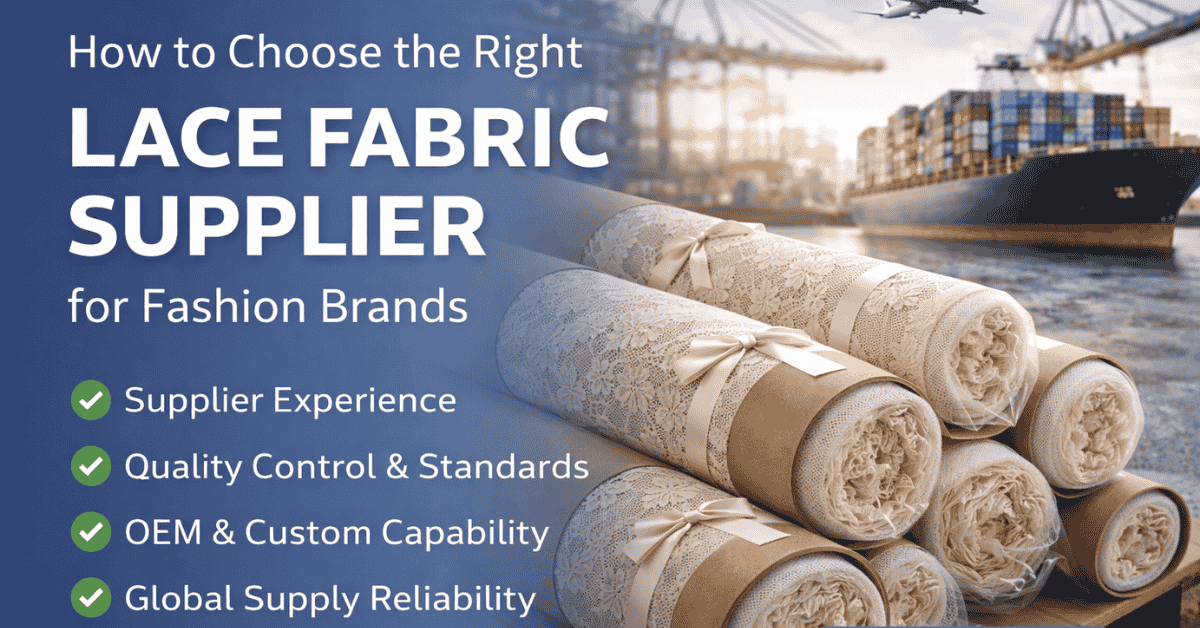

Introduction: Why Lace Supplier Selection Matters More Than Ever
In today’s global fashion industry, lace is no longer just a decorative element—it is a core material that defines brand identity, garment quality, and customer perception. From luxury bridal gowns to contemporary ready-to-wear collections, the right lace fabric supplier can significantly impact product success, lead time, and long-term brand reputation.
However, many fashion brands, designers, and sourcing teams struggle with one critical question:
How do you identify a lace supplier that is reliable, technically capable, and aligned with your brand standards?
This guide is written from real manufacturing and sourcing experience, not theory. It outlines the key evaluation criteria fashion brands should use when selecting a lace fabric manufacturer—especially for OEM and custom development projects.
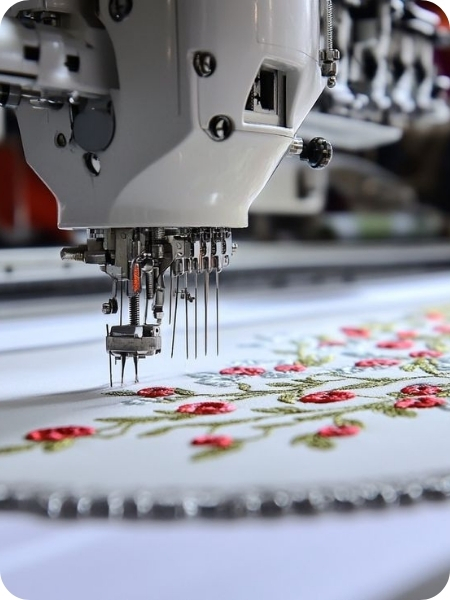
Experience First: Why Industry Background Matters
Not All Lace Suppliers Are Equal
A supplier with decades of lace manufacturing experience understands far more than fabric aesthetics. They understand:
-
Yarn behavior under tension and dyeing
-
Pattern stability across bulk production
-
Shrinkage control after finishing
-
Compliance requirements in different markets
An experienced lace manufacturer has already solved problems before you encounter them.
What to Look For
-
Years specializing specifically in lace, not general textiles
-
Proven experience in bridal, fashion, or premium apparel markets
-
Long-term cooperation with international brands or retailers
Experience reduces risk, development time, and costly revisions.
Technical Expertise: Beyond Visual Design
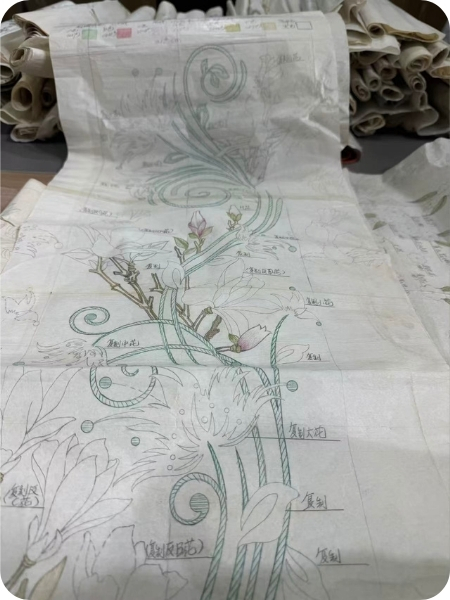
Lace Is a Technical Fabric
While lace may appear delicate, its production involves complex processes:
-
Jacquard programming
-
Embroidery density control
-
Base fabric selection (tulle, mesh, net)
-
Thread composition and twist consistency
A technically capable supplier should be able to explain:
-
Why a certain lace stretches or does not
-
How pattern size affects garment drape
-
Which embroidery methods suit mass production
Questions You Should Ask
-
Can you modify pattern scale for different garments?
-
How do you control distortion during dyeing?
-
What testing standards do you follow for colorfastness?
If a supplier cannot answer clearly, they are likely acting as a trader—not a manufacturer.
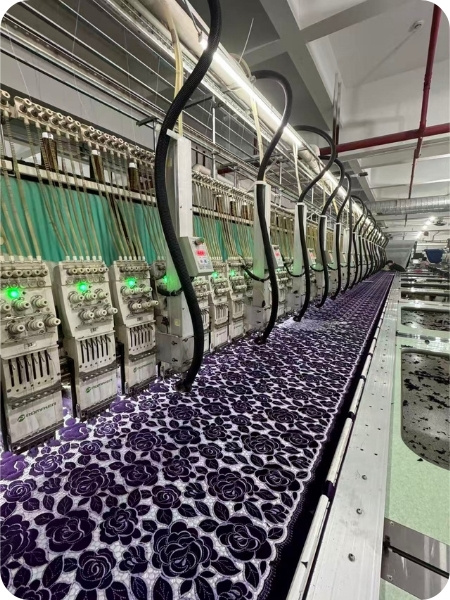
Custom Development Capability (OEM & ODM)
Custom Lace Is Where Brands Differentiate
Most fashion brands today require custom lace designs, not stock patterns. A qualified supplier should support:
-
Pattern development from sketches or references
-
Color matching using Pantone or fabric swatches
-
Sampling optimization to reduce development cycles
Signs of a Strong Development Partner
-
In-house design and sampling teams
-
Clear sampling timelines and revision process
-
Ability to adjust embroidery density, motifs, and layout
A true partner doesn’t just produce lace—they co-develop it with you.
Quality Control & Standards Compliance
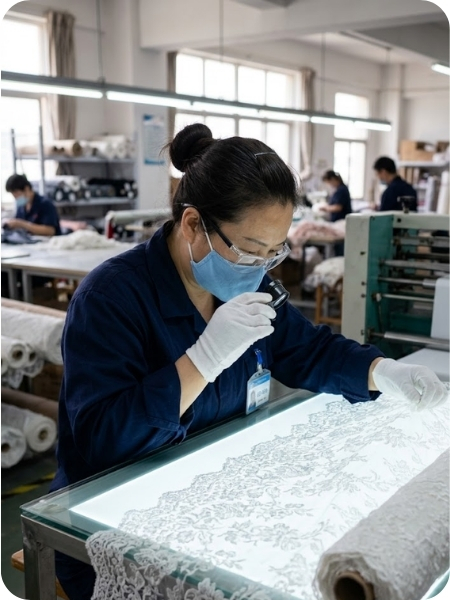
Consistency Is Non-Negotiable
In lace production, small inconsistencies can cause major garment issues. Quality control should cover:
-
Pattern alignment
-
Edge stability
-
Thread breakage
-
Shade consistency between lots
International Standards to Expect
A professional lace supplier should be familiar with:
-
Colorfastness (washing, rubbing, light)
-
Shrinkage and dimensional stability
-
Chemical safety (REACH, OEKO-TEX where applicable)
Ask for testing procedures, not just certificates.
Production Capacity & Lead Time Reliability
Can the Supplier Scale With You?
A good lace supplier should support both:
-
Small MOQ development runs
-
Stable bulk production for repeated orders
Important considerations include:
-
Monthly capacity
-
Machine types and quantity
-
Peak season planning
Unrealistic lead time promises often result in delays later.
Global Logistics & Export Experience
International Shipping Is Part of the Product
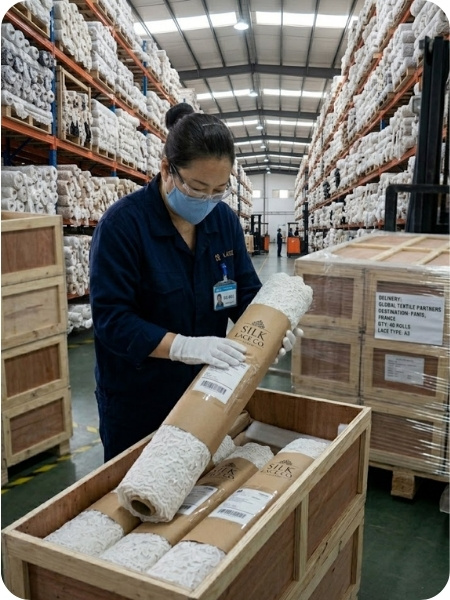
For global brands, logistics knowledge is essential. A professional supplier should understand:
-
HS codes for lace fabrics
-
Export documentation requirements
-
Packaging standards to protect delicate lace
Experienced exporters help brands avoid:
-
Customs delays
-
Misclassification penalties
-
Fabric damage during transit
Transparency & Long-Term Trust
Trust Is Built on Clear Communication
Reliable lace suppliers provide:
-
Clear quotations with no hidden costs
-
Honest feedback on feasibility
-
Transparent production updates
They do not over-promise or hide limitations.
The best suppliers are honest about what shouldn’t be done.
Final Thoughts: Choose a Partner, Not Just a Price
Selecting a lace fabric supplier is not a short-term sourcing decision—it is a strategic partnership that affects your brand’s consistency, sustainability goals, and market positioning.
The right supplier will:
-
Understand your design vision
-
Protect your quality standards
-
Grow with your brand over time
When evaluating lace suppliers, look beyond samples and pricing. Focus on experience, expertise, and trust—the core principles behind long-lasting partnerships in the fashion industry.