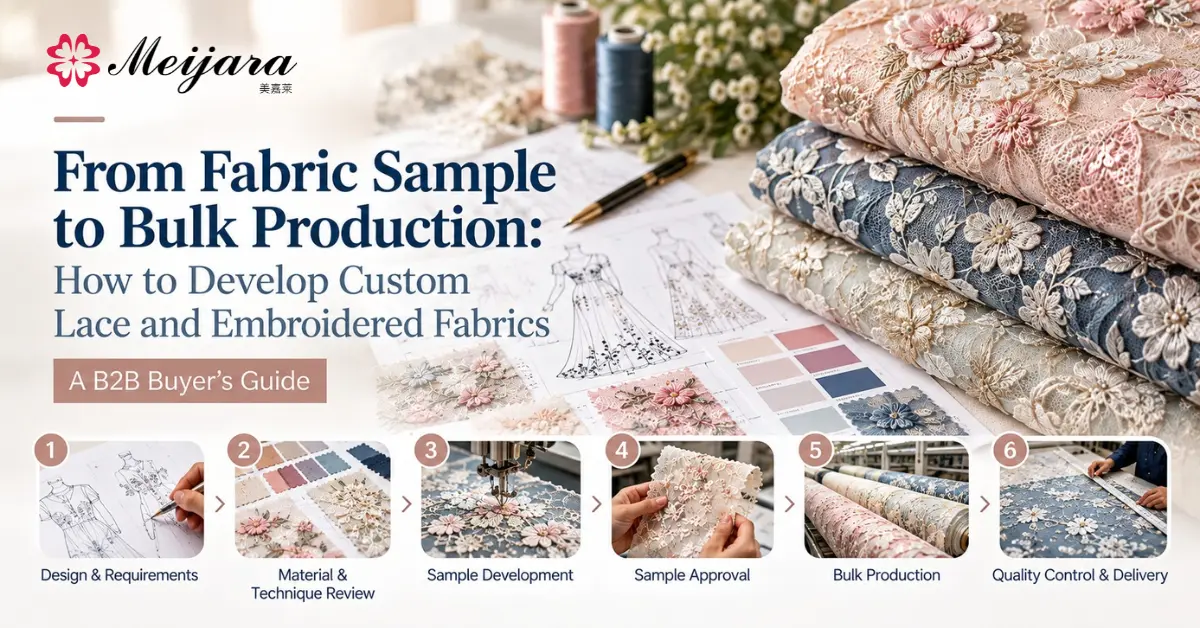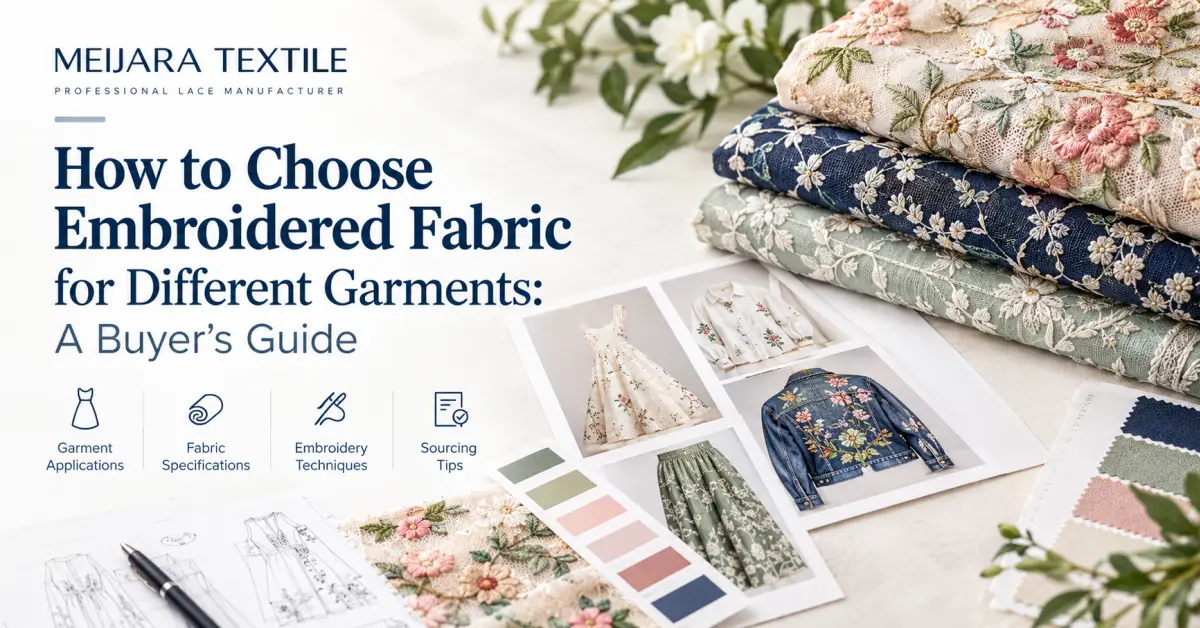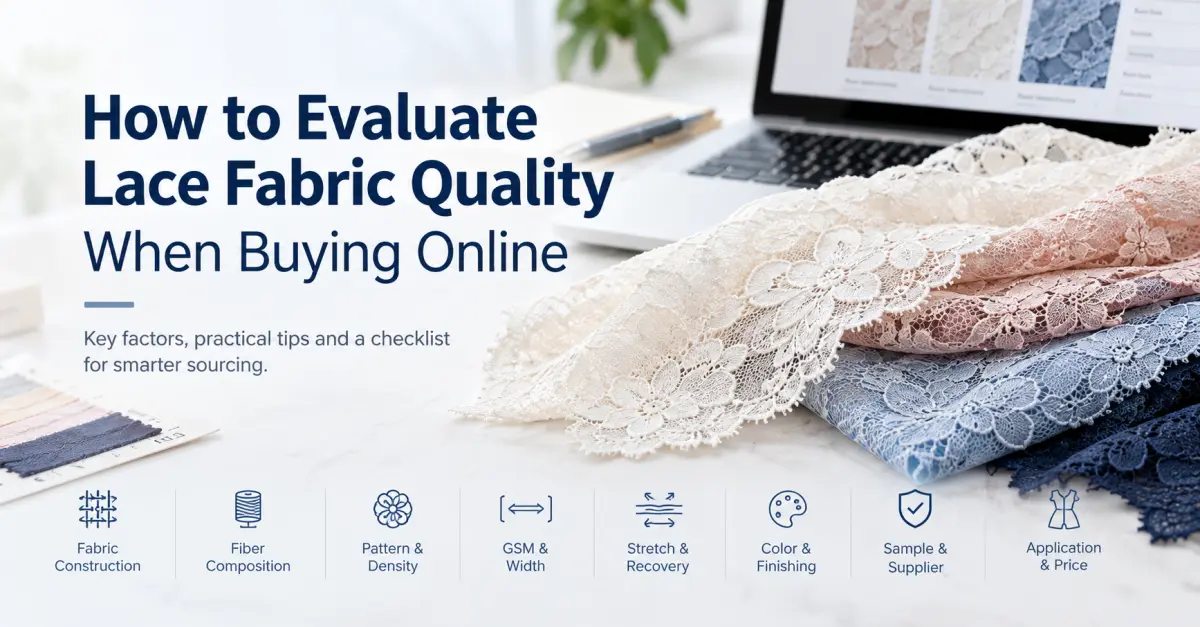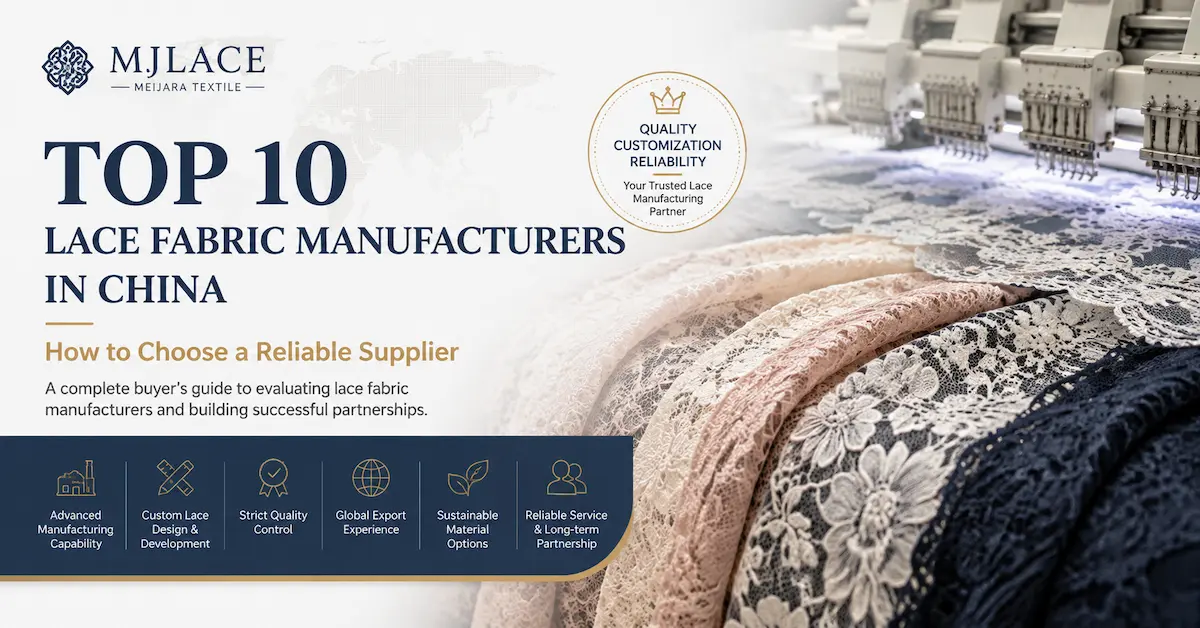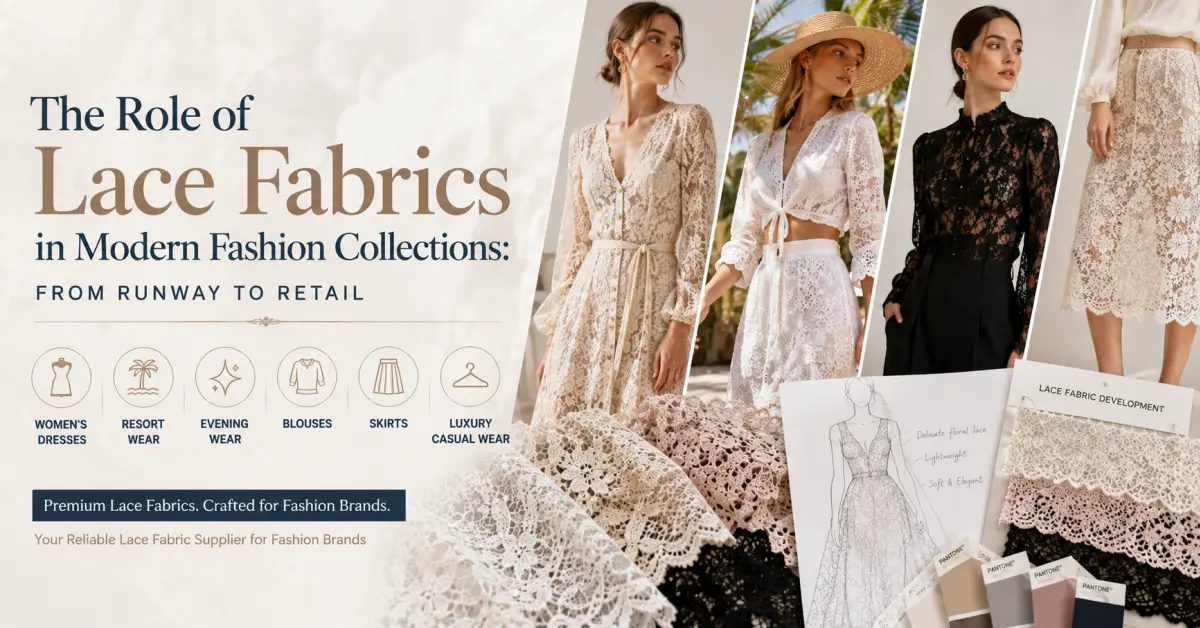




In today’s global fashion supply chain, choosing the right lace and embroidery supplier is no longer just about price. For brands, designers, and garment manufacturers, sourcing decisions directly impact product quality, lead time, sustainability, and brand positioning.
Whether you are developing seasonal collections, launching a new fashion line, or scaling OEM production, understanding how to source lace and embroidery strategically can save time, reduce risk, and create long-term competitive advantages.
This guide provides practical buying tips, sourcing strategies, and key evaluation criteria to help you work with the right suppliers—especially for custom lace and embroidery development.
Understanding Your Sourcing Needs Before Contacting Suppliers
Before reaching out to any lace or embroidery supplier, it is critical to clarify your internal requirements.
Key Questions to Define Internally
-
What is the target market? (luxury, contemporary, mass-market)
-
Is the product fashion-driven or core/basic?
-
Do you need stock items or fully customized designs?
-
What is your estimated order quantity?
-
Is speed or craftsmanship the higher priority?
Clear answers help suppliers respond accurately and efficiently—especially when customization is involved.
Stock Lace vs Custom Lace: Which Is Right for You?
One of the most common sourcing decisions involves choosing between ready-made lace and custom-developed lace.
When Stock Lace Makes Sense
-
Short lead times are critical
-
Designs are simple or trend-neutral
-
Budget constraints are tight
-
Small trial collections or sampling stages
When Custom Lace Is the Better Choice
-
Strong brand identity is required
-
Unique floral or geometric patterns are essential
-
Seasonal color customization is needed
-
You want to avoid design duplication in the market
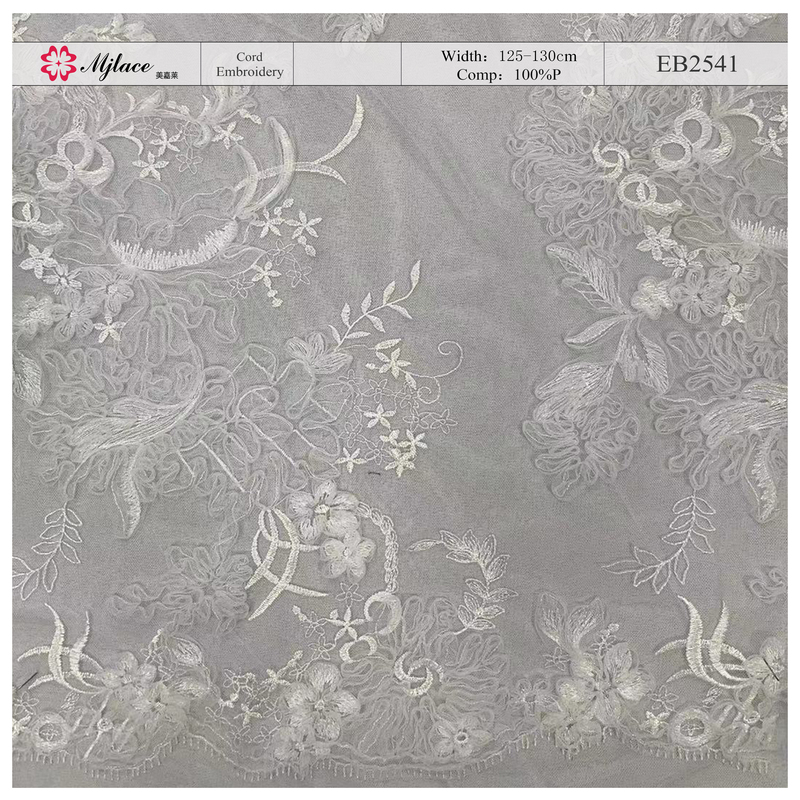
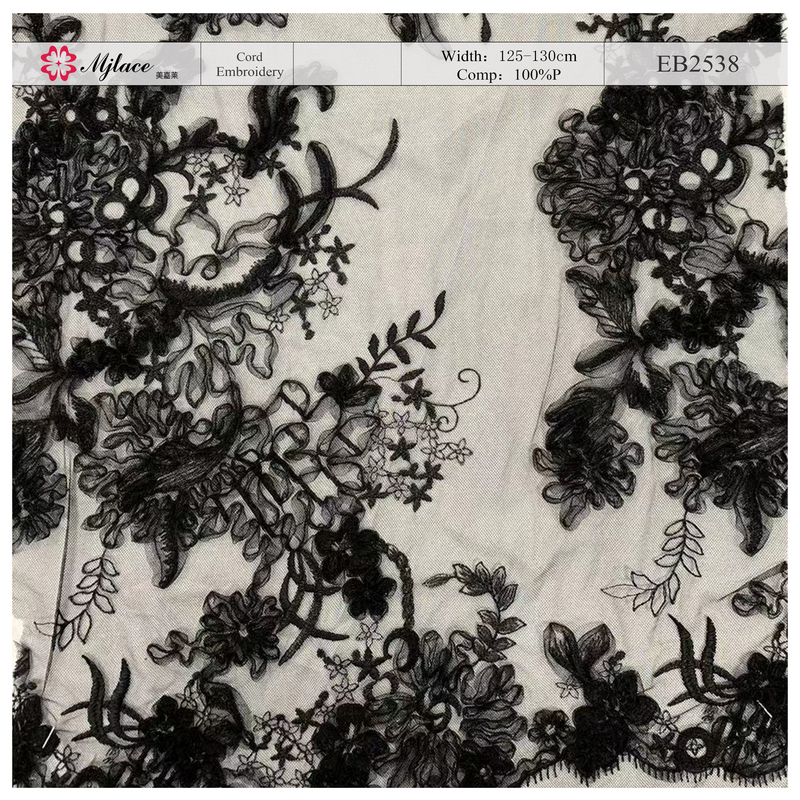
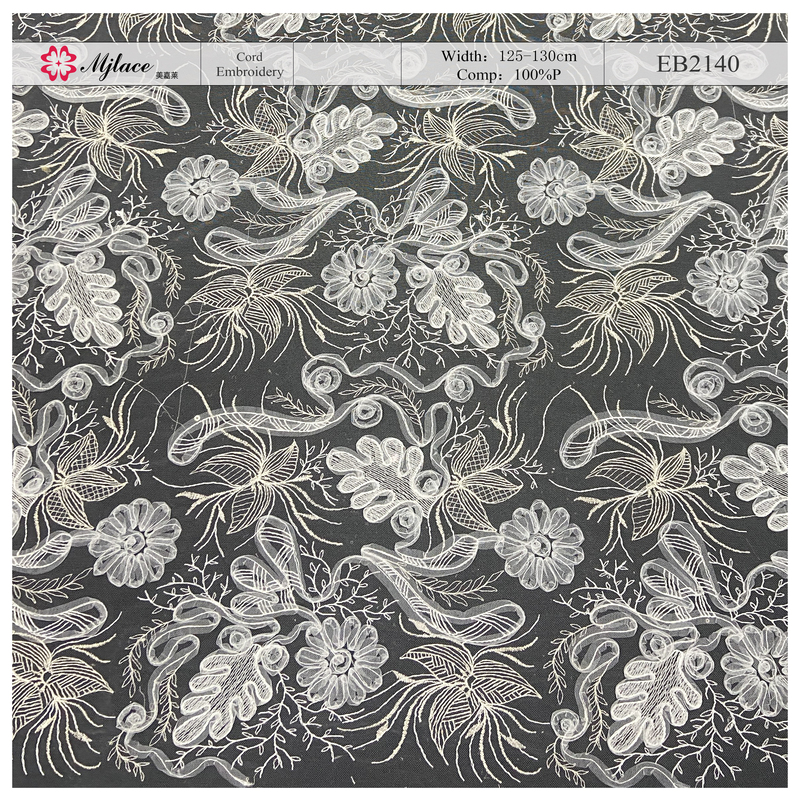
Custom lace allows full control over pattern scale, density, thread type, and finishing, making it ideal for differentiated collections.
Panel Embroidery (Cut-Piece Embroidery) as a Smart Sourcing Option
Panel embroidery—also known as cut-piece embroidery—has become increasingly popular among garment manufacturers.
Why Buyers Choose Panel Embroidery
-
Precise embroidery placement
-
Reduced fabric waste
-
Easier integration into garment production
-
Greater design flexibility
Instead of embroidering full fabric rolls, embroidery is applied only to required garment panels—such as fronts, backs, sleeves, or collars.
For sourcing teams, this means better cost control and higher efficiency, especially for mid-to-high-end garments.
Evaluating a Lace & Embroidery Supplier
Not all suppliers offer the same capabilities. A structured evaluation process is essential.
Key Criteria to Assess
Design & Development Capability
-
In-house pattern designers
-
Ability to translate sketches into embroidery files
-
Custom flower and motif development
-
Trend-driven sample updates
Production Equipment
-
Multi-head embroidery machines
-
High-speed lace machines
-
Digital pattern control systems
-
Consistent quality across batches
Quality Control
-
Stitch density consistency
-
Clean edges and stable structure
-
Color fastness and durability
-
Fabric compatibility testing
A professional supplier should proactively discuss quality risks—not avoid them.
Sampling: The Most Critical Stage in Lace Sourcing
Sampling is where many sourcing mistakes occur.
Best Practices for Sampling
-
Always request pre-production samples
-
Test embroidery on final fabric type
-
Review stitch density and motif scale
-
Confirm color accuracy under different lighting
-
Assess hand feel and drape
Never approve bulk production based solely on photos or previous samples.
Lead Time, MOQ, and Cost Transparency
Understanding supplier constraints helps avoid delays and disputes.
Questions Buyers Should Ask
-
What is the minimum order quantity (MOQ)?
-
How long does sampling take?
-
What is the bulk production lead time?
-
Are there setup or digitizing fees?
-
Can production be split into stages?
Transparent communication builds trust and ensures smoother collaboration.
Sustainability Considerations in Lace & Embroidery Sourcing
Sustainable sourcing is increasingly important for global brands.
Sustainable Sourcing Tips
-
Choose panel embroidery to reduce waste
-
Request recycled or low-impact fibers
-
Avoid unnecessary overproduction
-
Focus on quality over volume
Suppliers with sustainable practices are more likely to support long-term partnerships.
Communication Tips for Working with Overseas Suppliers
Clear communication prevents costly misunderstandings.
Practical Communication Advice
-
Provide detailed tech packs or sketches
-
Use reference images whenever possible
-
Confirm measurements and placement clearly
-
Ask for progress updates during sampling
-
Document approvals in writing
Consistency and clarity are key to successful sourcing.
Building Long-Term Supplier Partnerships
The best sourcing outcomes come from partnerships, not transactions.
Benefits of Long-Term Collaboration
-
Faster development cycles
-
Better cost control
-
Priority production scheduling
-
Deeper understanding of brand needs
-
Continuous design innovation
A reliable supplier becomes an extension of your design and production team.
Final Thoughts
Successful lace and embroidery sourcing requires more than finding the lowest price—it demands strategic thinking, technical understanding, and reliable partnerships.
By clarifying your needs, choosing the right embroidery method, and working closely with experienced suppliers, you can improve efficiency, reduce risk, and elevate your garment collections.
For fashion brands and manufacturers, mastering sourcing decisions is not just a cost-saving measure—it is a competitive advantage.