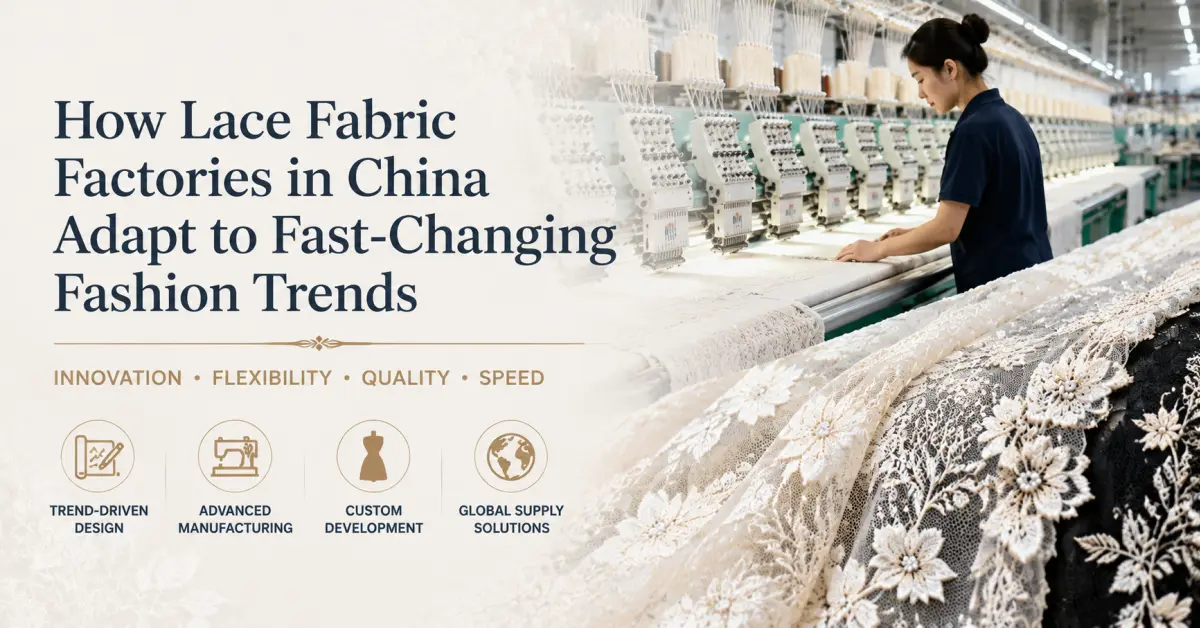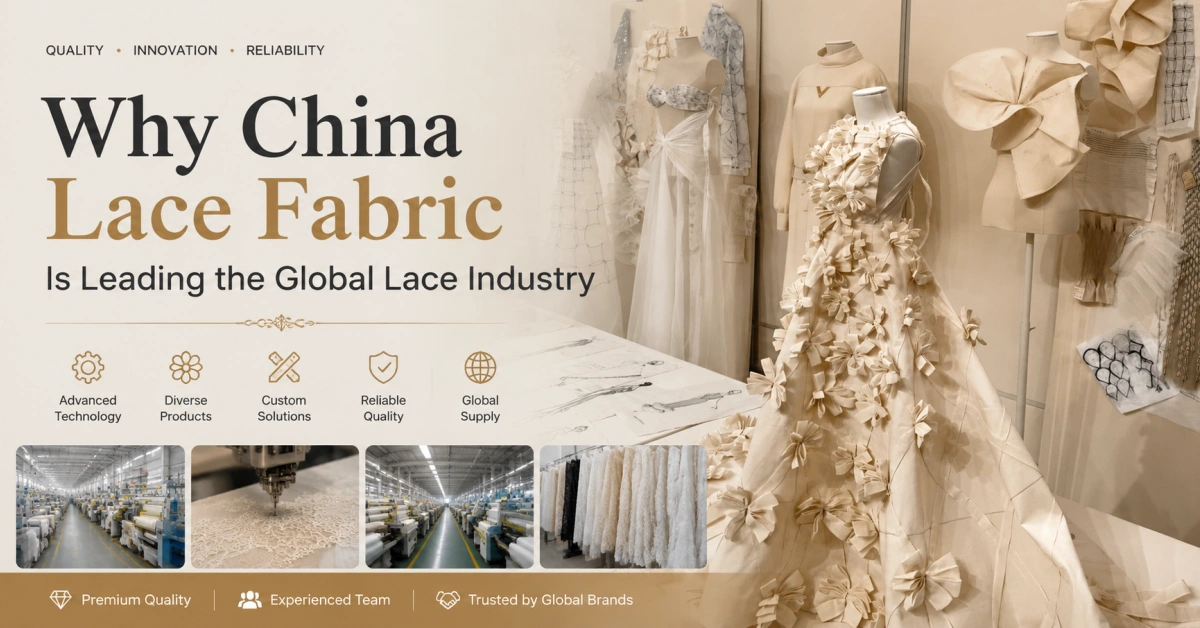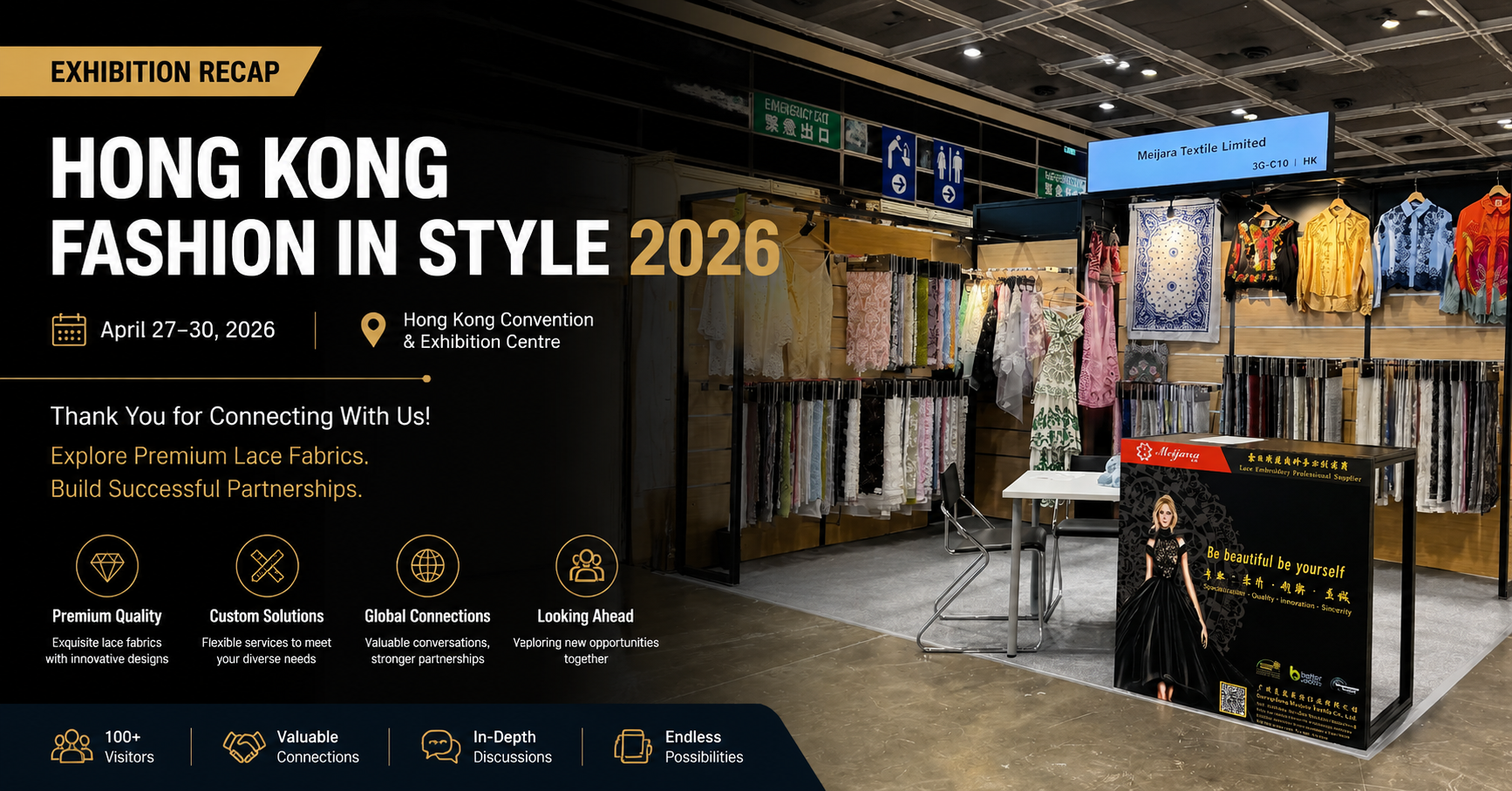




The global textile industry is undergoing a significant transformation. Driven by evolving fashion aesthetics, supply chain restructuring, sustainability demands, and technological innovation, the lace and embroidered fabric market is entering a new phase of growth and specialization.
For fashion brands, designers, and sourcing managers, understanding these shifts is no longer optional—it is essential for staying competitive. In this Textile Market Insights report, we explore the key trends influencing lace and embroidery fabrics, how buyer behavior is changing, and what this means for future sourcing strategies.
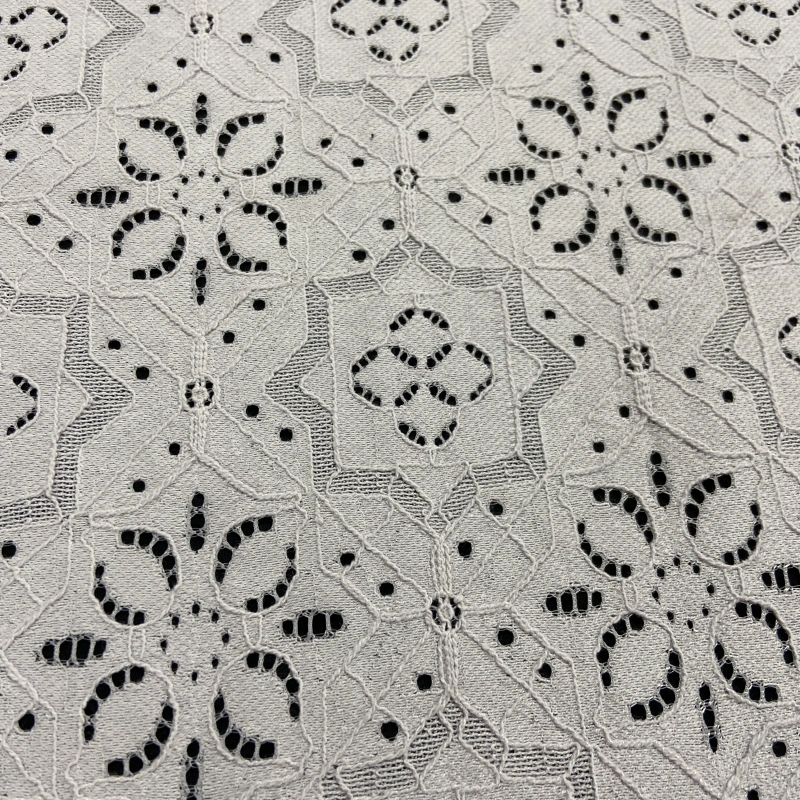
Market Overview: Lace and Embroidery in a Changing Industry
Lace and embroidered fabrics have traditionally been associated with bridalwear and luxury fashion. However, today’s market shows a much broader application range, including:
-
Contemporary ready-to-wear collections
-
Premium denim and casualwear
-
Occasion and eveningwear
-
Accessories and lifestyle products
As fashion cycles shorten and consumers seek more distinctive textures, lace is increasingly used as a design feature rather than a decorative afterthought.
Rising Demand for Engineered & Decorative Fabrics
One of the most notable market shifts is the growing preference for engineered lace and embroidered panels over standard all-over fabrics.
Key Drivers:
-
Brands want placement accuracy for garments
-
Designers seek cut-and-sew friendly structures
-
Manufacturers aim to reduce fabric waste
Techniques such as panel embroidery, cut-piece embroidery, water-soluble lace, and laser-cut embroidery are becoming central to high-value textile programs.
This reflects a move from mass-produced lace toward design-led textile engineering.
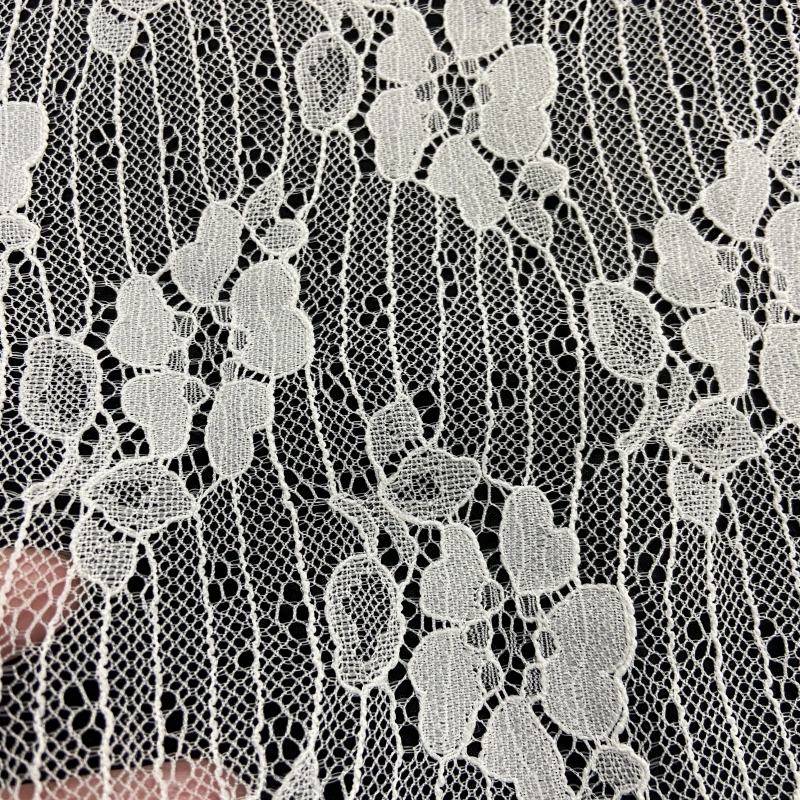
Customization Becomes a Market Standard
In the past, custom lace development was reserved for luxury brands. Today, customization is expected even in mid-market sourcing.
Buyers increasingly request:
-
Exclusive patterns
-
Custom motif scale and density
-
Color-matched embroidery threads
-
Application-specific constructions
Fabric suppliers who can support OEM and private-label development are gaining a clear competitive advantage.
Sustainability and Material Transparency
Sustainability is no longer a trend—it is a requirement.
In the lace and embroidery sector, sustainability efforts focus on:
-
Recycled polyester embroidery threads
-
Reduced chemical usage in finishing
-
Water-saving embroidery processes
-
Long-lasting, durable constructions
Buyers are also asking for clear documentation, including material composition, process transparency, and compliance with international standards.
This shift favors manufacturers with stable production systems and responsible sourcing capabilities.
Supply Chain Restructuring and Risk Awareness
Global events have reshaped sourcing strategies. Many brands are now prioritizing:
-
Fewer, more reliable suppliers
-
Shorter sampling and development cycles
-
Improved communication and traceability
Rather than chasing the lowest cost, buyers are valuing production consistency, lead time control, and technical support.
Suppliers that act as development partners—not just material vendors—are better positioned in today’s market.
Technology Driving Lace Innovation
Technological investment is redefining lace production.
Key advancements include:
-
Digital pattern development systems
-
Laser cutting integration
-
Precision placement embroidery
These technologies allow for greater accuracy, higher efficiency, and more complex design execution—meeting the growing demand for innovative textiles with reliable quality.
Buyer Behavior: From Price-Driven to Value-Driven
Today’s buyers are asking different questions:
-
How does this lace perform in garment production?
-
Can this fabric support scale-up orders?
-
Is the supplier capable of long-term collaboration?
This value-driven mindset benefits suppliers who offer:
-
Technical consultation
-
Sampling support
-
Stable quality control systems
The lace market is shifting toward strategic partnerships rather than transactional purchasing.

What This Means for Brands and Designers
For brands navigating the evolving textile market, success depends on:
-
Early involvement of fabric suppliers in design development
-
Choosing manufacturers with strong technical capabilities
-
Balancing creativity with production feasibility
Lace and embroidery are no longer just decorative—they are structural and strategic materials in modern fashion collections.
Final Thoughts: The Future of the Lace Textile Market
The global lace and embroidery fabric market is becoming more specialized, more technical, and more collaborative. Growth is driven by innovation, customization, and trust between buyers and suppliers.
For brands and sourcing teams, staying informed about textile market insights helps guide smarter design decisions and more resilient supply chains.
As the industry continues to evolve, those who embrace engineered textiles, responsible sourcing, and strategic partnerships will shape the next generation of lace innovation.