

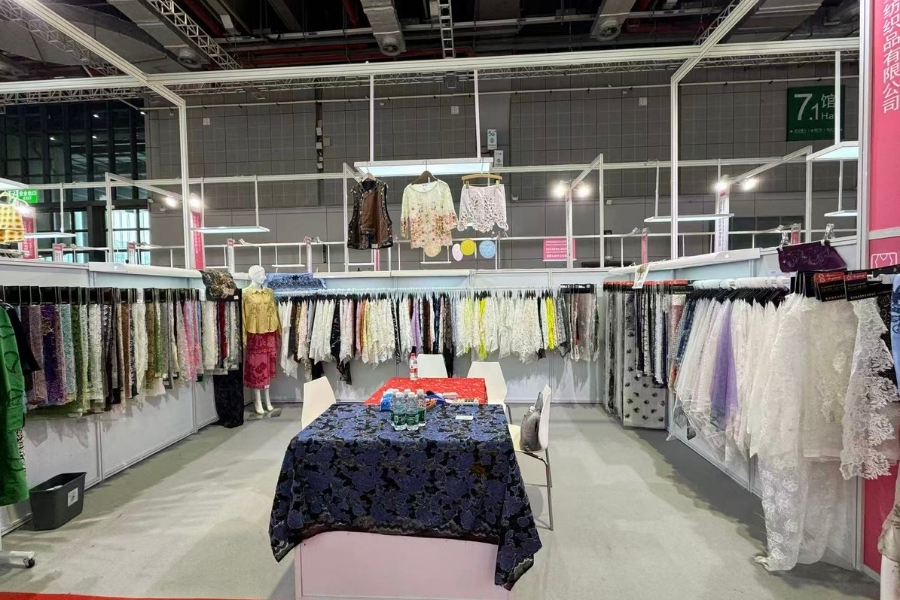
If you’ve ever stood inside a textile exhibition hall during peak season, you’ll know one thing immediately — lace never goes unnoticed.
At the Shanghai Intertextile show last spring, I watched a European bridal brand buyer spend nearly 40 minutes at a single booth, running her fingers repeatedly over different lace fabrics. She wasn’t just looking at patterns — she was testing softness, structure, and how the fabric might behave once it becomes a dress.
That moment says a lot about the role bridal lace really plays in fashion.
Lace Is Not Just Decoration — It’s a Decision Point
In the bridal and luxury garment industry, lace fabrics and trims are rarely an afterthought. They often define the entire product.
Designers don’t simply choose lace based on appearance. They think about:
- How it drapes under studio lighting
- Whether it holds structure after stitching
- How consistent it looks across production batches
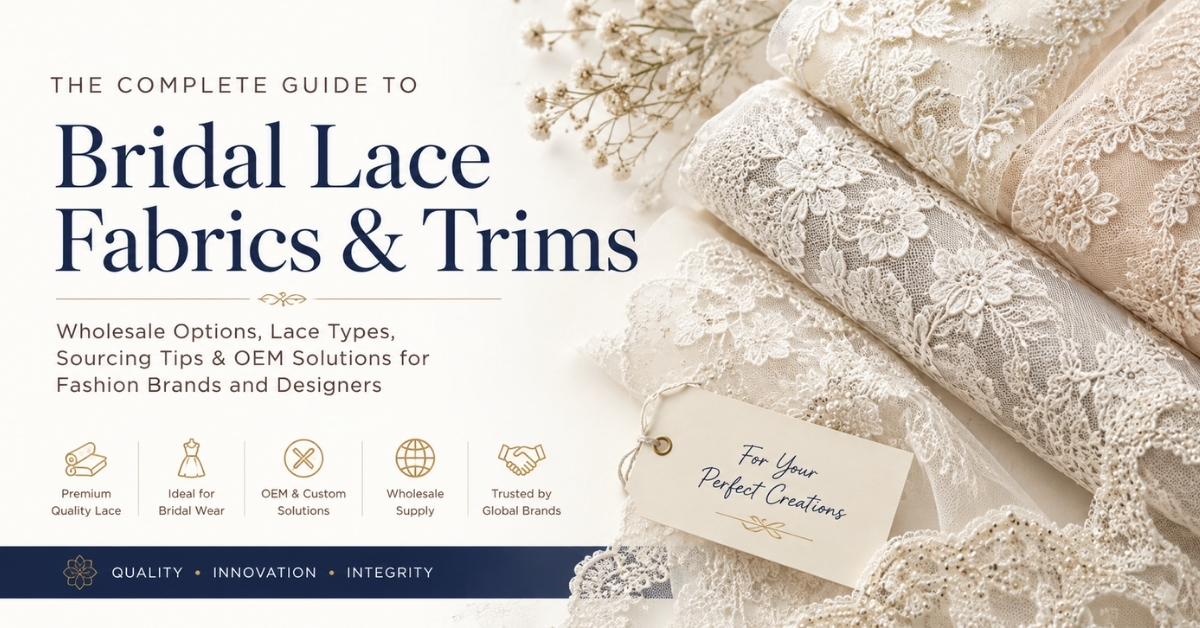
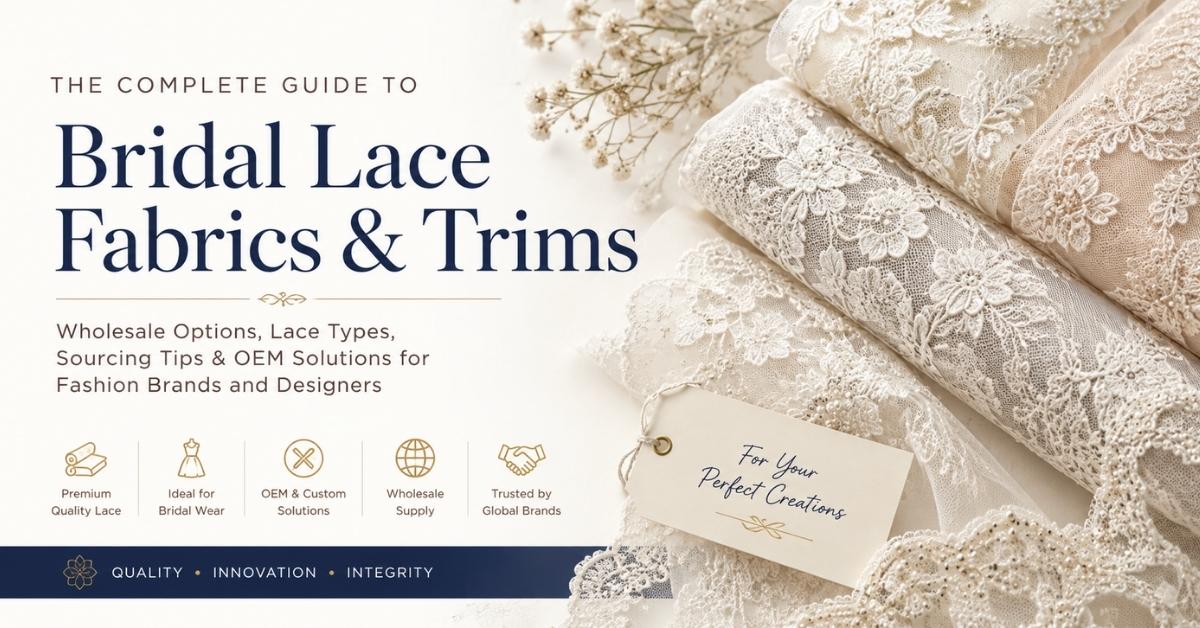
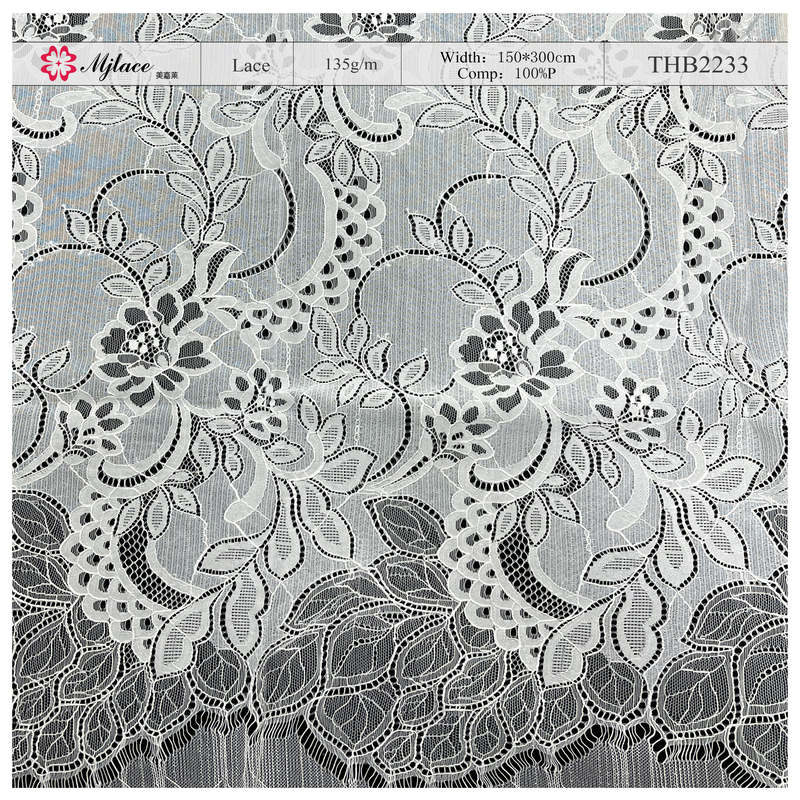
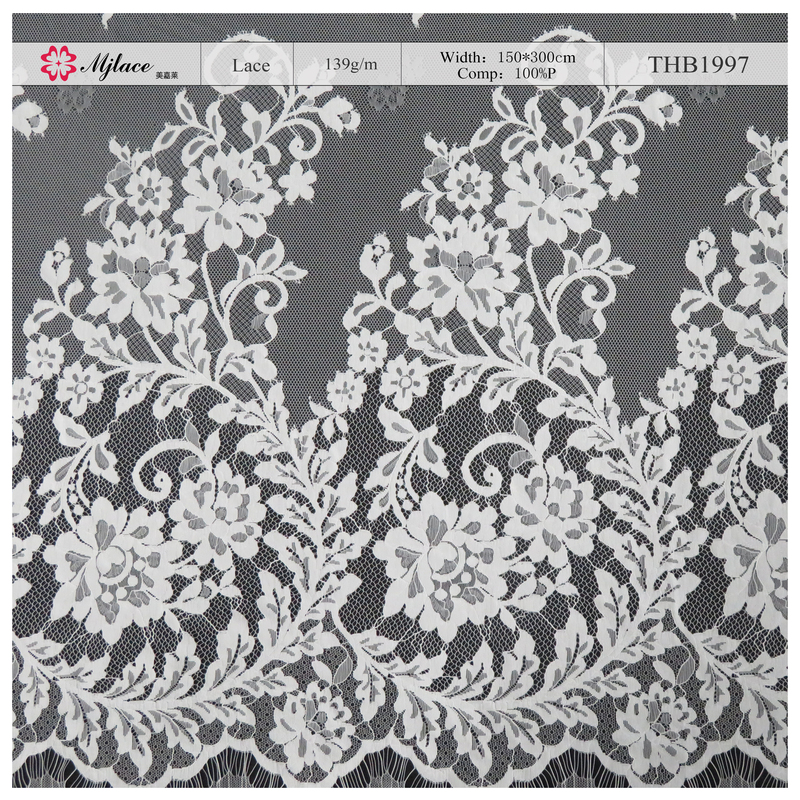
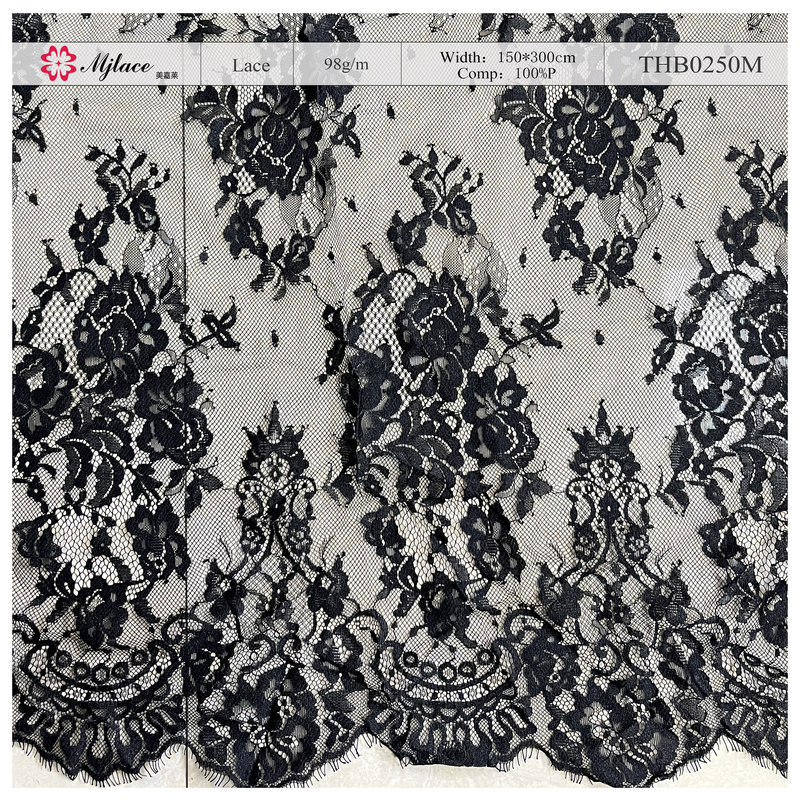
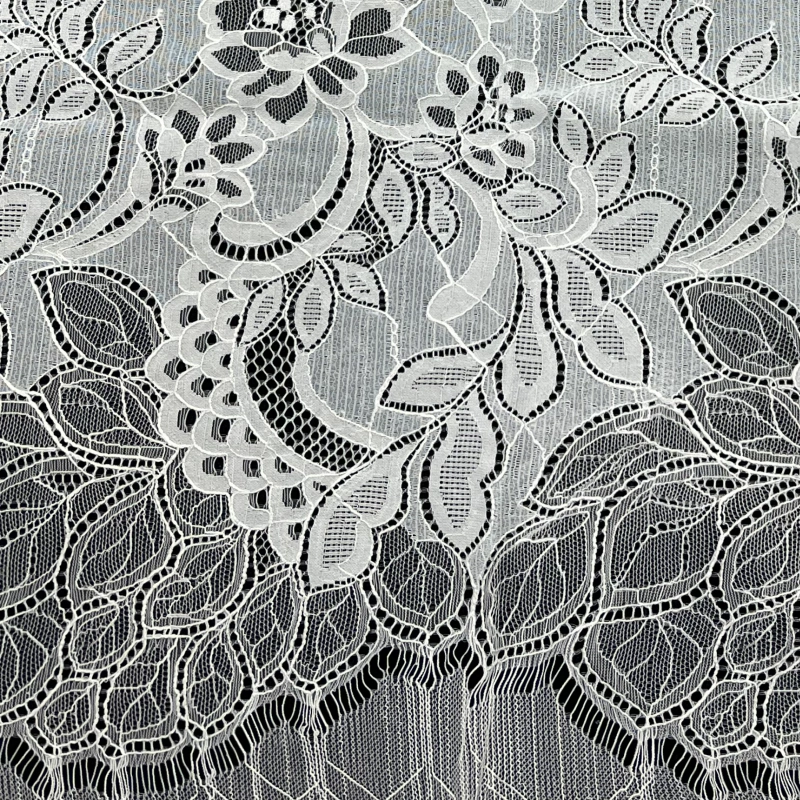
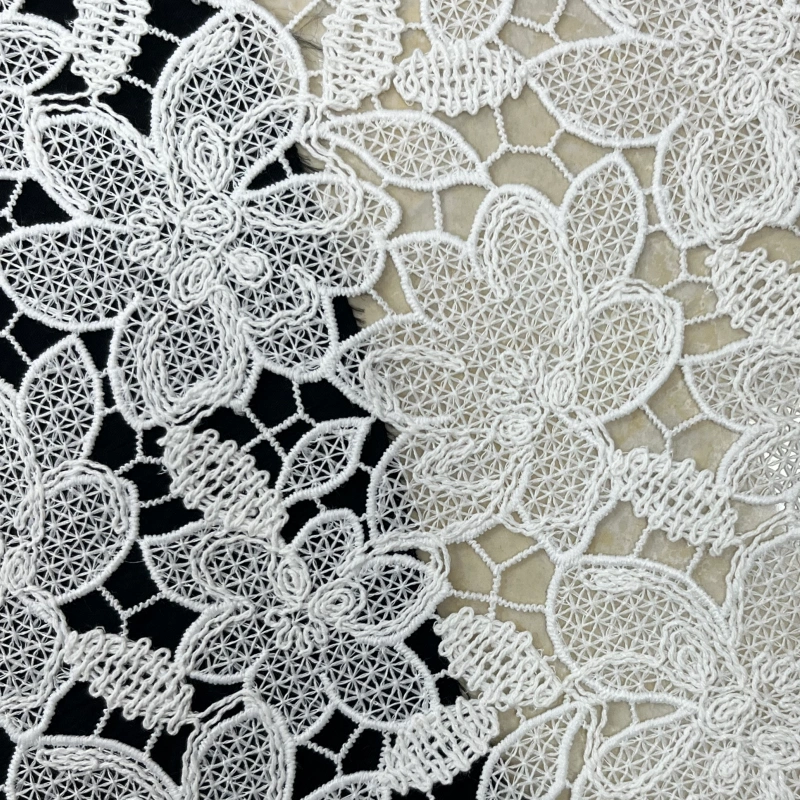
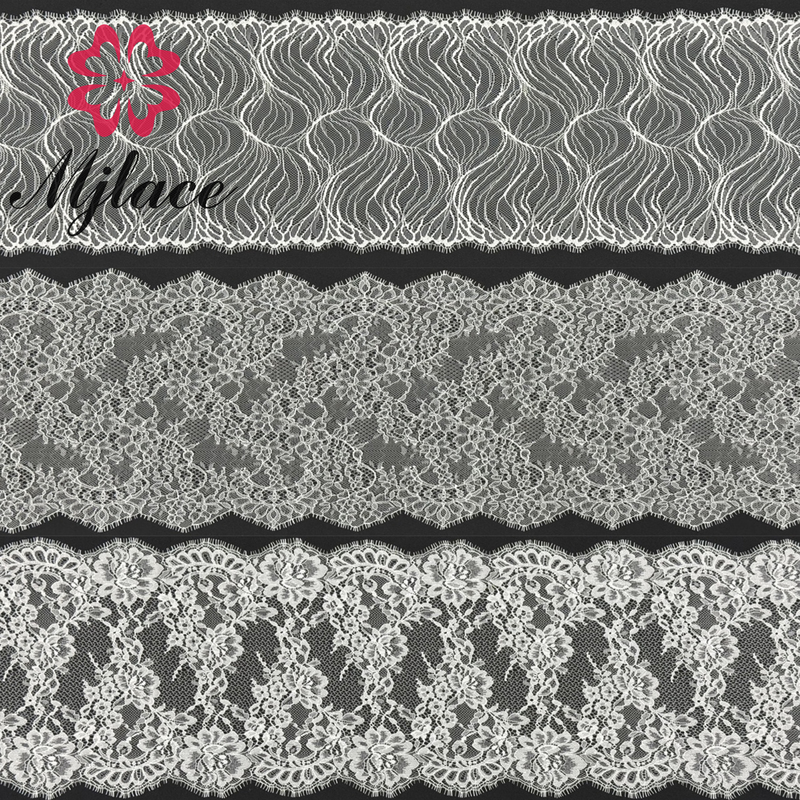
From Chantilly lace to embroidery lace and guipure structures, each option brings a different balance of softness, strength, and visual identity.
And that’s exactly where sourcing becomes complicated.
So, Are Wholesale Bridal Lace Options Really Viable?
Short answer — yes. But the real question isn’t availability. It’s reliability.
Most experienced buyers eventually move away from traders and small distributors. Not because of price, but because of uncertainty.
A fashion sourcing manager I spoke with last year put it very directly:
“We don’t worry about finding lace. We worry about whether the same lace still exists three months later.”
That’s why more brands are choosing to work directly with lace fabric manufacturers or OEM suppliers.
Not just for cost advantages, but for:
- Stable production
- Repeatable quality
- Faster sampling cycles
Understanding Lace Types Matters More Than You Think
Different lace types behave very differently in real production environments.
Here’s a simplified comparison based on actual buyer usage:
| Lace Type | What Buyers Like | Where It Works Best |
|---|---|---|
| Chantilly Lace | Soft, elegant, lightweight | Veils, overlays |
| Guipure Lace | Strong structure, bold patterns | Bridal gowns, couture pieces |
| Embroidery Lace | Flexible design possibilities | Custom collections |
| Eyelash Lace | Decorative edge details | Lingerie, trims |
But in reality, most serious buyers don’t just choose a type — they modify it.
That’s where OEM capability becomes critical.
Why OEM Lace Suppliers Are Becoming the First Choice
A few years ago, customization was considered a “premium option.” Today, it’s becoming standard.
Especially for:
- Bridal brands
- Boutique designers
- Mid-size fashion labels
They’re all trying to avoid one thing — sameness.
Working with an OEM lace supplier allows them to:
- Adjust embroidery density
- Modify patterns slightly for exclusivity
- Match seasonal color palettes
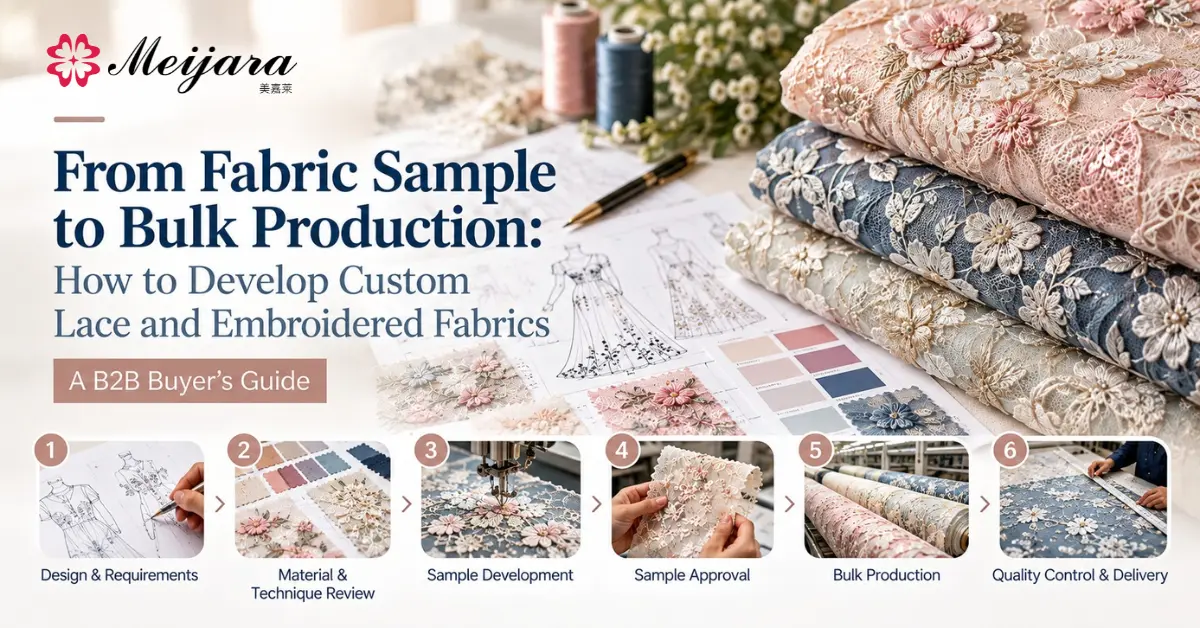
- Speed up sample development
One designer from South Korea told me during a sourcing meeting:
“If I see the same lace in three booths, I won’t use it.”
That mindset is now very common.
What Actually Happens During Buyer–Supplier Interaction
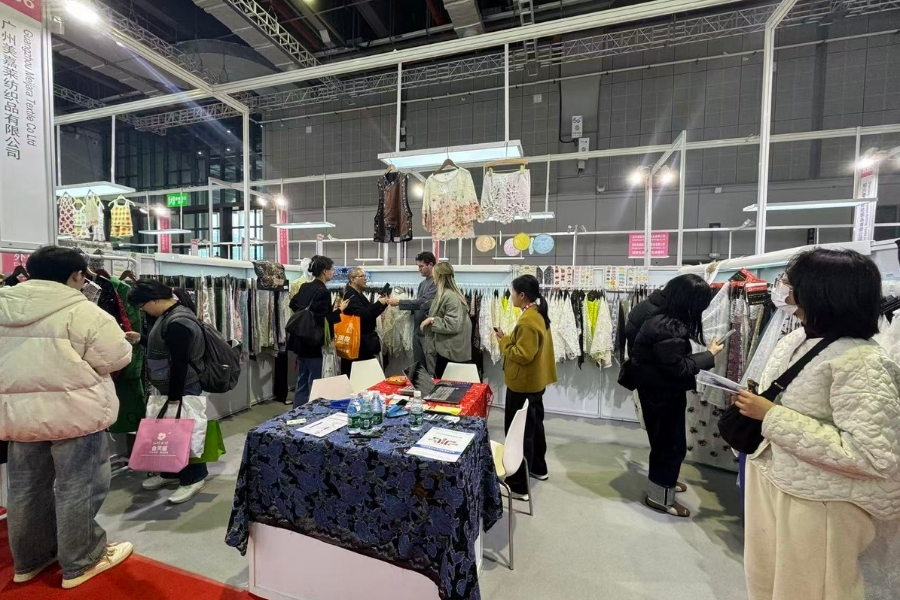
At exhibitions or sourcing meetings, conversations rarely start with pricing.
They usually start like this:
- “Can you adjust this pattern?”
- “How fast can you sample this?”
- “What’s your minimum for custom work?”
In other words, buyers are testing flexibility, not just product.
Suppliers who can respond quickly — with clear answers — tend to win the business.
A Practical Insight from Real Projects
In several OEM lace projects we’ve seen, the biggest bottleneck is not production — it’s decision speed.
Brands often delay because:
- Sample turnaround is too slow
- Communication is unclear
- Fabric consistency is uncertain
Once those issues are solved, orders tend to move quickly.
That’s why experienced lace manufacturers invest heavily in:
- Sampling efficiency
- Internal design teams
- Production stability
Where the Industry Is Heading
From what we’ve observed over the past few seasons, a few trends are becoming very clear:
1. Buyers care more about consistency than price
Repeatability is becoming more valuable than small cost savings.
2. Customization is expected, not optional
Even mid-tier brands want something slightly different.
3. Speed is a competitive advantage
Faster sampling often leads directly to faster orders.
Final Thoughts
Choosing lace isn’t just about finding something beautiful.
It’s about finding something that can be reproduced, adapted, and delivered — without surprises.
For brands that are scaling, that usually means working with a supplier who understands both design and production.

Let’s Talk
If you’re currently sourcing bridal lace fabrics or planning a new collection, it might be worth having a quick conversation.
👉 We’re happy to discuss your requirements
👉 Or prepare samples based on your design direction
Sometimes, a short discussion saves weeks of back-and-forth later.