
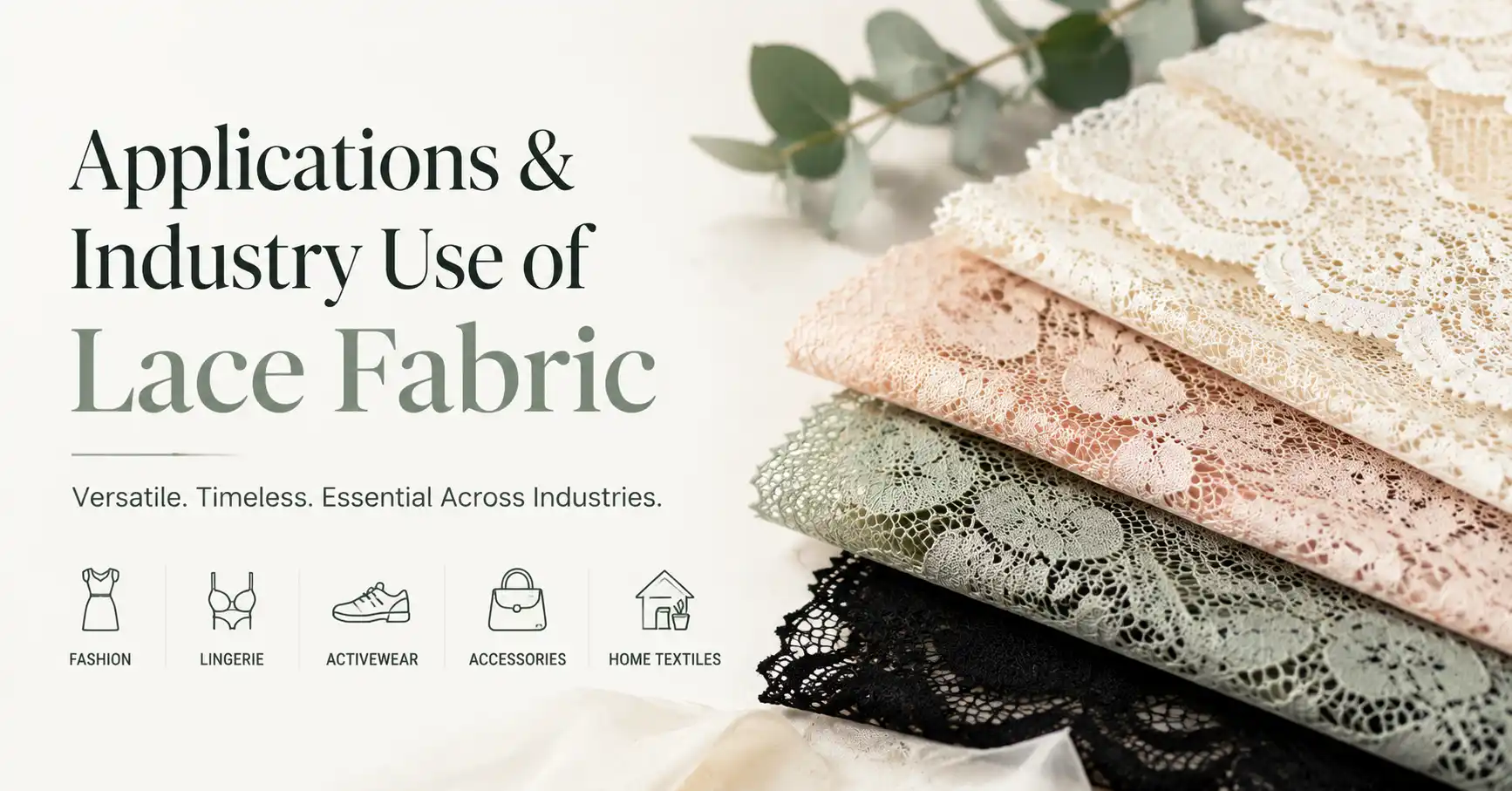

Applications & Industry Use of Lace Fabric
Lace fabric has evolved far beyond its traditional association with bridalwear and decorative trims. Today, it plays a strategic role in global fashion manufacturing, serving as both a design language and a functional textile solution across multiple industries. From haute couture runways to ready-to-wear collections and even home décor, lace continues to demonstrate its versatility, technical complexity, and commercial value.
For fabric developers, sourcing teams, and fashion brands, understanding where and how lace is applied is essential—not only for design inspiration, but also for product development planning, cost control, and market positioning.
This article explores the major application areas of lace fabric and how different industries are leveraging its aesthetic and technical advantages.
Bridalwear: The Core Market of Lace Fabric
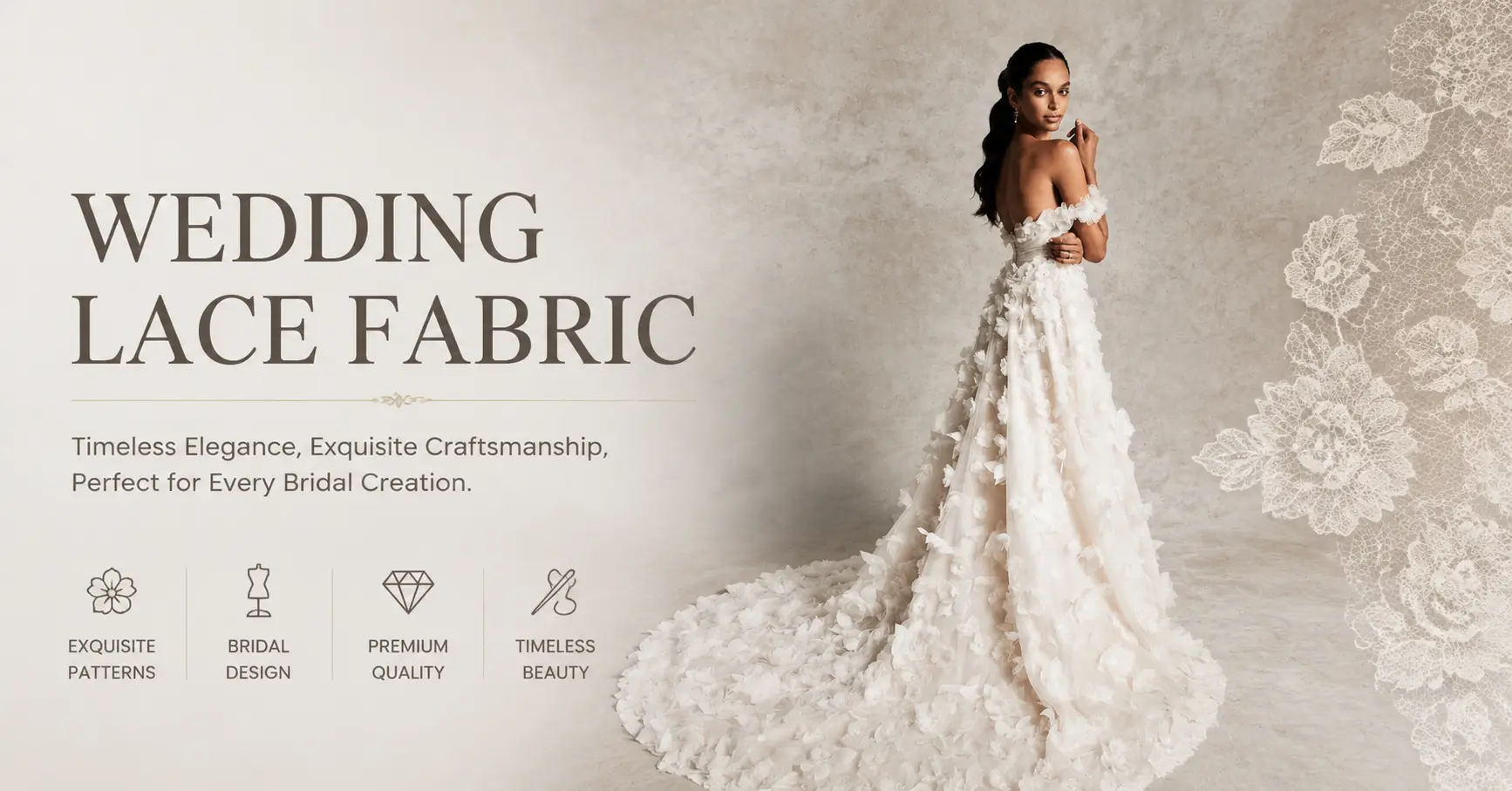
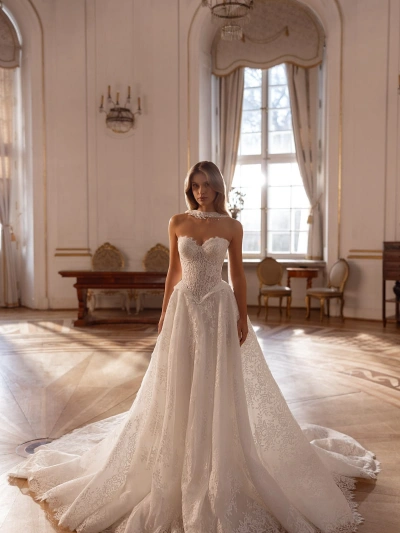
Bridalwear remains the most established and influential application of lace fabric. It is the category where lace design, craftsmanship, and emotional value converge.
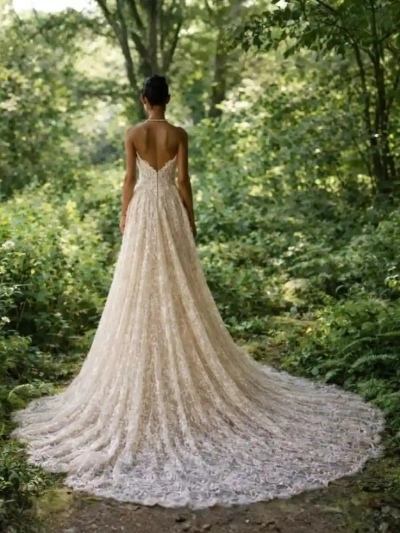
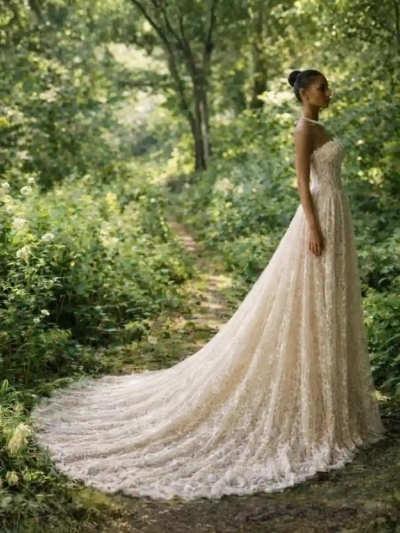
Why lace dominates bridal fashion
Lace offers qualities that are difficult to replicate with other fabrics:
-
Soft transparency with structured elegance
-
Intricate patterns that enhance visual depth
-
A sense of luxury and romance
-
Strong compatibility with embroidery, beads, and sequins
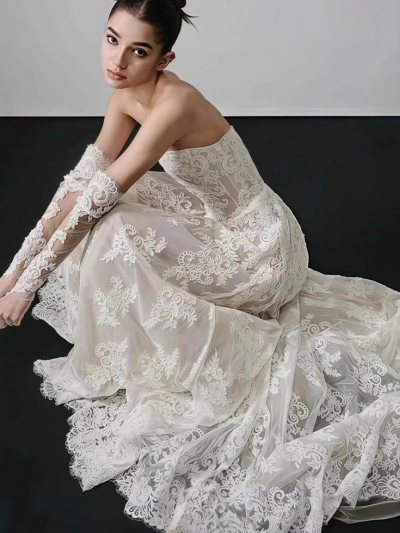
In modern bridal collections, lace is no longer limited to full gowns. Designers frequently use it in:
-
Bodices and corset structures
-
Sleeves (especially illusion sleeves)
-
Veils and overlays
-
Skirt panels and trains
-
Detachable capes and accessories
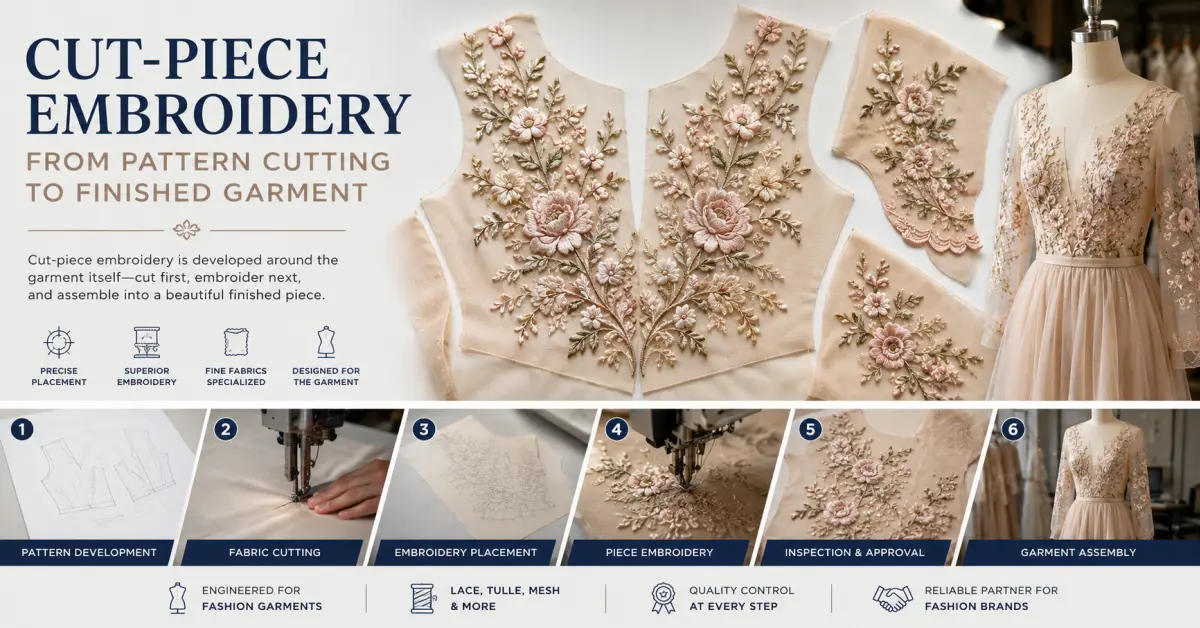
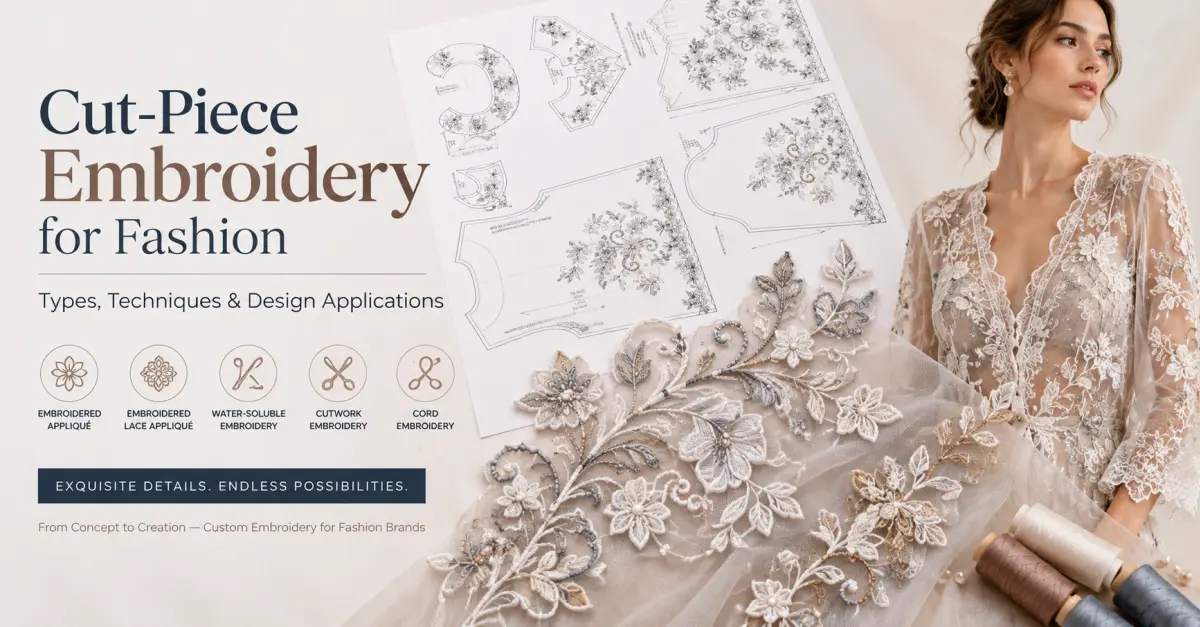
Heavy embroidery lace and water-soluble lace are particularly popular among premium bridal brands because they allow more dimensional pattern development and stronger visual impact.
For suppliers, bridalwear continues to drive demand for:
-
High-density embroidered lace
-
Chantilly-style delicate lace
-
Custom motif development for exclusive collections. Explore our bridal lace collection.
Ready-to-Wear Fashion: Lace as a Design Language
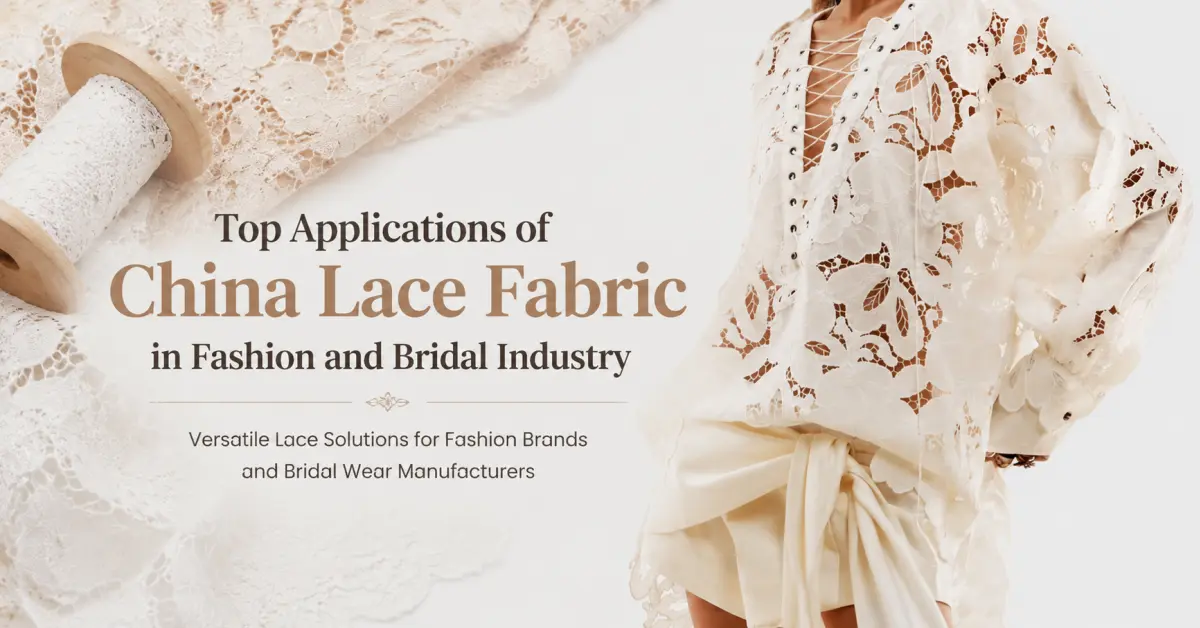
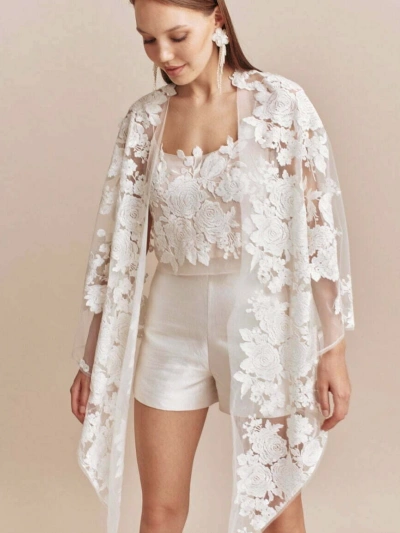
In the ready-to-wear (RTW) sector, lace has shifted from decorative material to a core design element that defines seasonal identity.
How brands use lace in RTW collections
Modern fashion brands integrate lace in more versatile and wearable ways:
-
Layered dresses and slip dresses
-
Blouses and tops with partial lace panels
-
Skirts with mixed-material construction
-
Casual wear with lace trims and inserts
Unlike bridalwear, RTW lace focuses more on:
-
Lightweight construction
-
Comfort and elasticity
-
Machine-wash durability
-
Scalable production efficiency
Stretch lace and chemical lace are especially widely used in this segment because they balance aesthetics with functionality.
Fast fashion brands often prefer:
-
Stock-supported lace patterns
-
Quick sampling turnaround
-
Multi-color dyeing options
-
Cost-efficient production structures
Meanwhile, premium RTW brands focus on:
-
Custom-developed lace patterns
-
Exclusive color matching
-
Higher GSM lace structures
-
Small-batch luxury production
Evening Wear & Haute Couture: High-End Lace Innovation
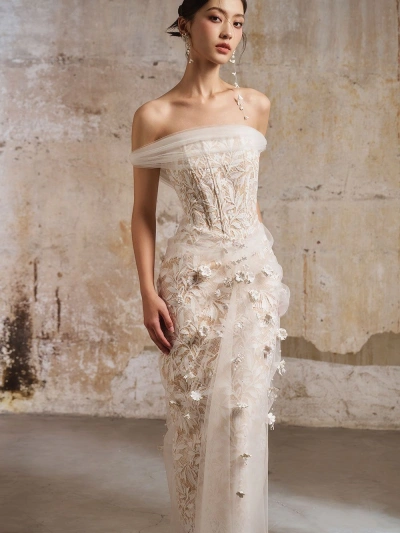
In the luxury segment, lace is treated as an artistic material rather than a standardized textile.
Role of lace in couture design
High-end designers use lace to create:
-
Sculptural silhouettes
-
See-through layering effects
-
Handcrafted visual storytelling
-
Signature runway identities
In couture collections, lace is often combined with:
-
Hand embroidery
-
3D floral appliqués
-
Metallic threads
-
Beadwork and sequins. See our sequins and beads embroidery.
Heavywork lace and embroidered lace fabrics are particularly important in this category. They allow designers to build depth, texture, and volume without relying on heavy structural fabrics.
This segment also drives innovation in:
-
Laser-cut lace detailing. Explore laser embroidery.
-
Mixed fiber compositions
-
Sustainable luxury lace materials
-
Experimental dyeing techniques
For manufacturers, couture collaborations often require:
-
Fully customized design development
-
Small MOQ but high precision
-
Long sampling cycles
-
Strict quality consistency across production runs
Lingerie & Intimate Apparel: Comfort Meets Aesthetics
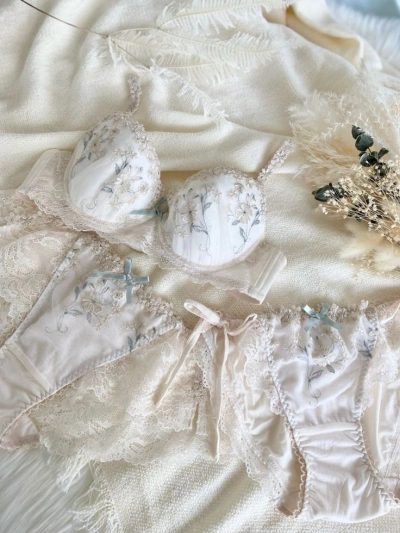
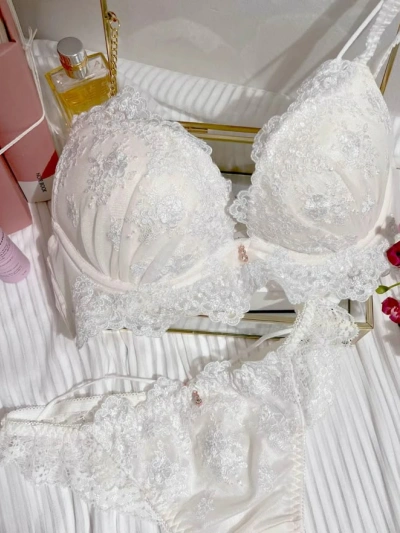
Lace plays a critical role in lingerie design, where comfort, elasticity, and skin compatibility are as important as visual appeal.
Key applications in lingerie
-
Bras and bralettes
-
Bodysuits
-
Underwear panels
-
Sleepwear and loungewear
In this category, lace must meet specific technical requirements:
-
High elasticity and recovery
-
Soft hand-feel against skin
-
Breathability
-
Lightweight structure
Stretch lace is the dominant material used in lingerie production due to its flexibility and durability. Designers also prefer scalloped lace edges and eyelash lace trims for a softer visual finish.
From a manufacturing perspective, lingerie lace often requires:
-
Fine gauge knitting machines
-
Low-irritation fiber selection
-
High consistency in elastic recovery
-
Stable dye fastness across skin-contact use
Sportswear & Athleisure: Functional Lace Applications
One of the most significant modern developments in lace fabric usage is its entry into sportswear and athleisure categories.
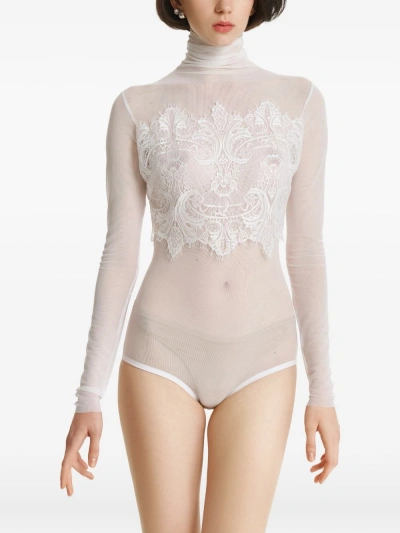
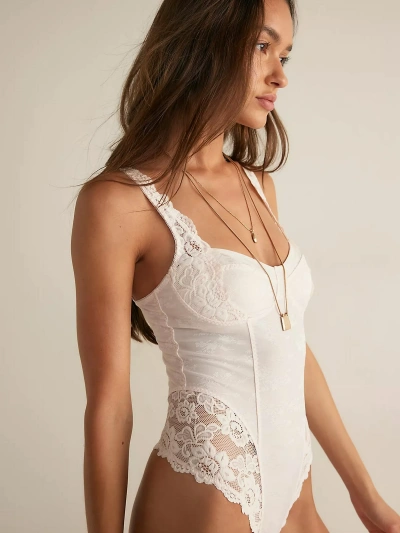
While traditionally unexpected, lace is now used in:
-
Yoga sets and leggings accents
-
Breathable mesh-style tops
-
Decorative panels in activewear
-
Lightweight layering pieces
In this segment, lace is typically engineered for:
-
Moisture-wicking performance
-
High stretch recovery
-
Durability under movement stress
-
Lightweight ventilation
Designers use lace strategically to add femininity and aesthetic value to performance-oriented garments without compromising function.
This crossover trend reflects a broader shift in the textile industry toward hybrid fabrics that combine style and technical performance.
Accessories & Fashion Details
Beyond garments, lace is widely used in fashion accessories and detailing work.
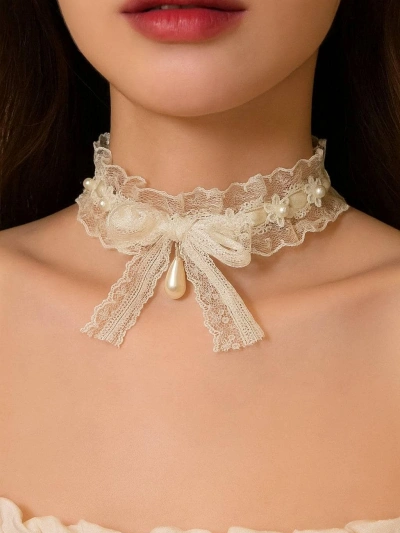
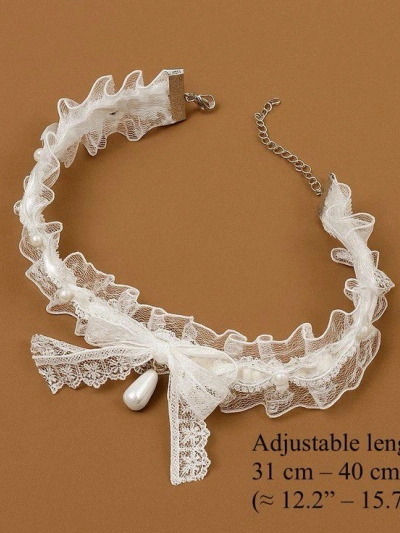
Common applications include:
-
Scarves and shawls
-
Hair accessories
-
Gloves and sleeves
-
Bags and decorative panels
-
Footwear overlays
In these applications, lace functions primarily as a decorative enhancement, allowing brands to extend their design language across full collections.
Lightweight embroidered lace and lace trim are especially popular due to their flexibility and ease of cutting.
Home Textiles & Interior Design
Lace is also widely used in home décor, particularly in markets where soft, romantic interior styles are preferred.
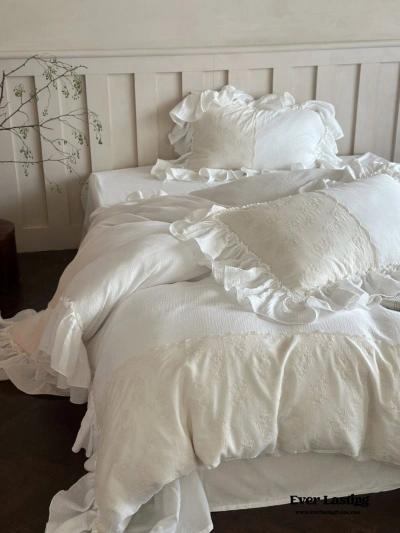
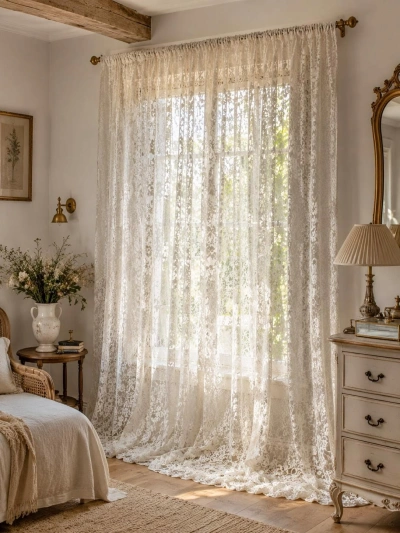
Applications in interiors:
-
Curtains and drapery panels
-
Table linens
-
Cushion covers
-
Bed canopy decorations
Home textile lace tends to focus on:
-
Larger repeat patterns
-
Durable fiber blends
-
UV resistance (for curtains)
-
Easy maintenance and washing
Compared with fashion lace, home textile lace often requires stronger structure and longer-lasting color stability.
Commercial & Uniform Applications
In some regions, lace is also used in uniform design and ceremonial clothing, including:
-
Stage costumes
-
Cultural performance outfits
-
Formal uniforms with decorative accents
These applications often require:
-
High durability
-
Strong visual identity
-
Cost-controlled production
-
Standardized repeat patterns
Industry Trends Driving Lace Applications
Across all industries, several key trends are shaping lace fabric demand:
Customization at scale
Brands increasingly require:
-
Exclusive lace patterns
-
Private label development
-
Seasonal pattern updates. Explore pattern design development.
Sustainability requirements
Eco-friendly lace production is becoming a standard expectation:
-
Recycled fibers
-
Low-impact dyeing
-
Reduced water consumption. Visit our sustainability section.
Hybrid fabric innovation
Lace is now combined with:
-
Mesh fabrics
-
Stretch knits
-
Technical textiles
Fast sampling cycles
Speed-to-market is critical:
-
7–25 days sampling expectations
-
Rapid color matching
-
Digital design simulation before production. Learn about customized processes.
Conclusion
Lace fabric is no longer limited to decorative fashion elements. It has become a multifunctional material integrated across bridalwear, RTW fashion, lingerie, couture, accessories, and even home textiles.
For global buyers and fashion brands, the value of lace lies not only in its aesthetic appeal but also in its adaptability across categories and its ability to align with evolving market demands—whether that is sustainability, customization, or performance.
As the industry continues to evolve, lace will remain one of the most important fabrics connecting craftsmanship, technology, and design innovation.
Ready to source lace for your application? Visit our homepage to explore our collections or contact us for inquiries. You may also submit an inquiry for custom pricing.