
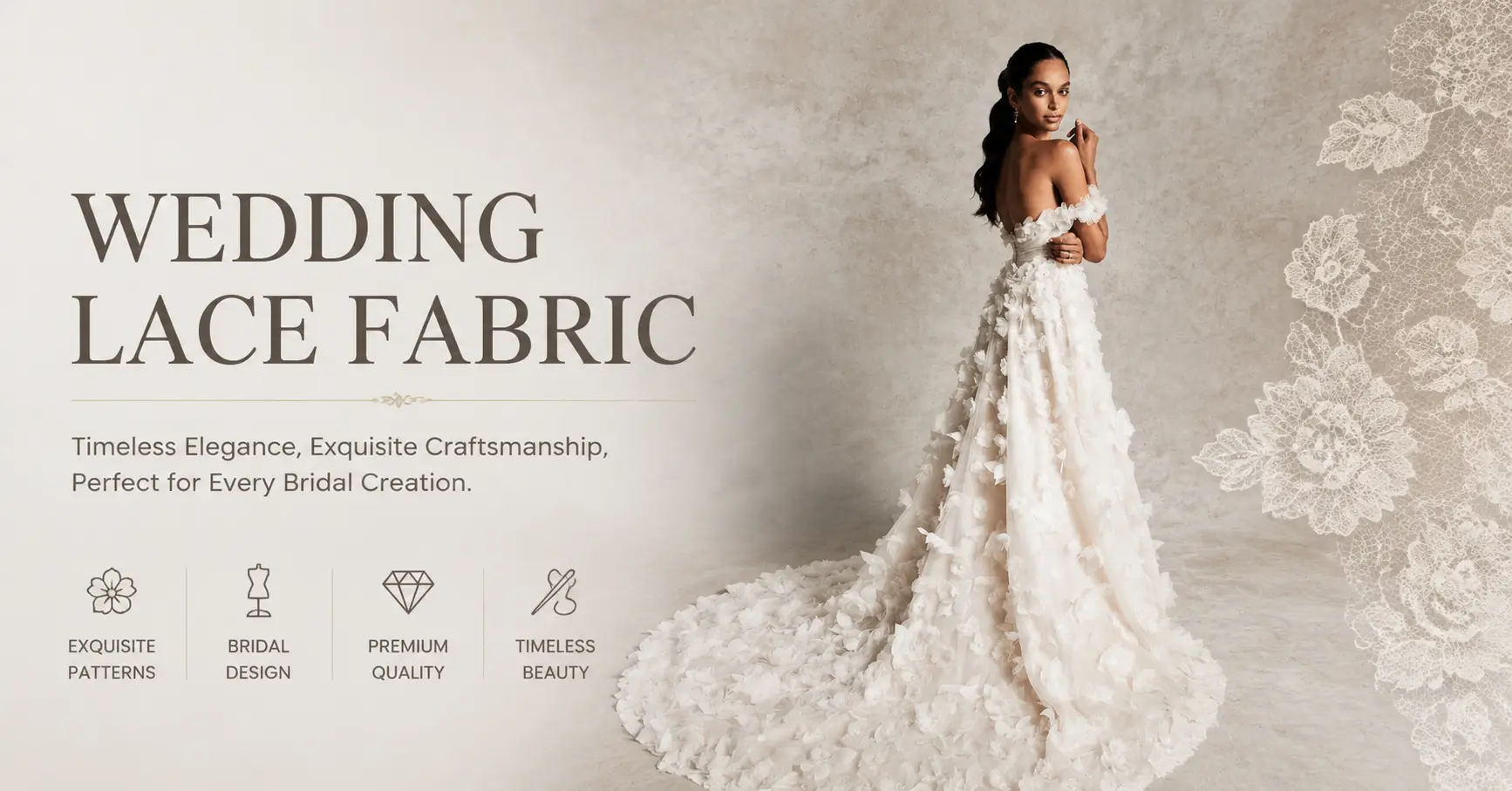

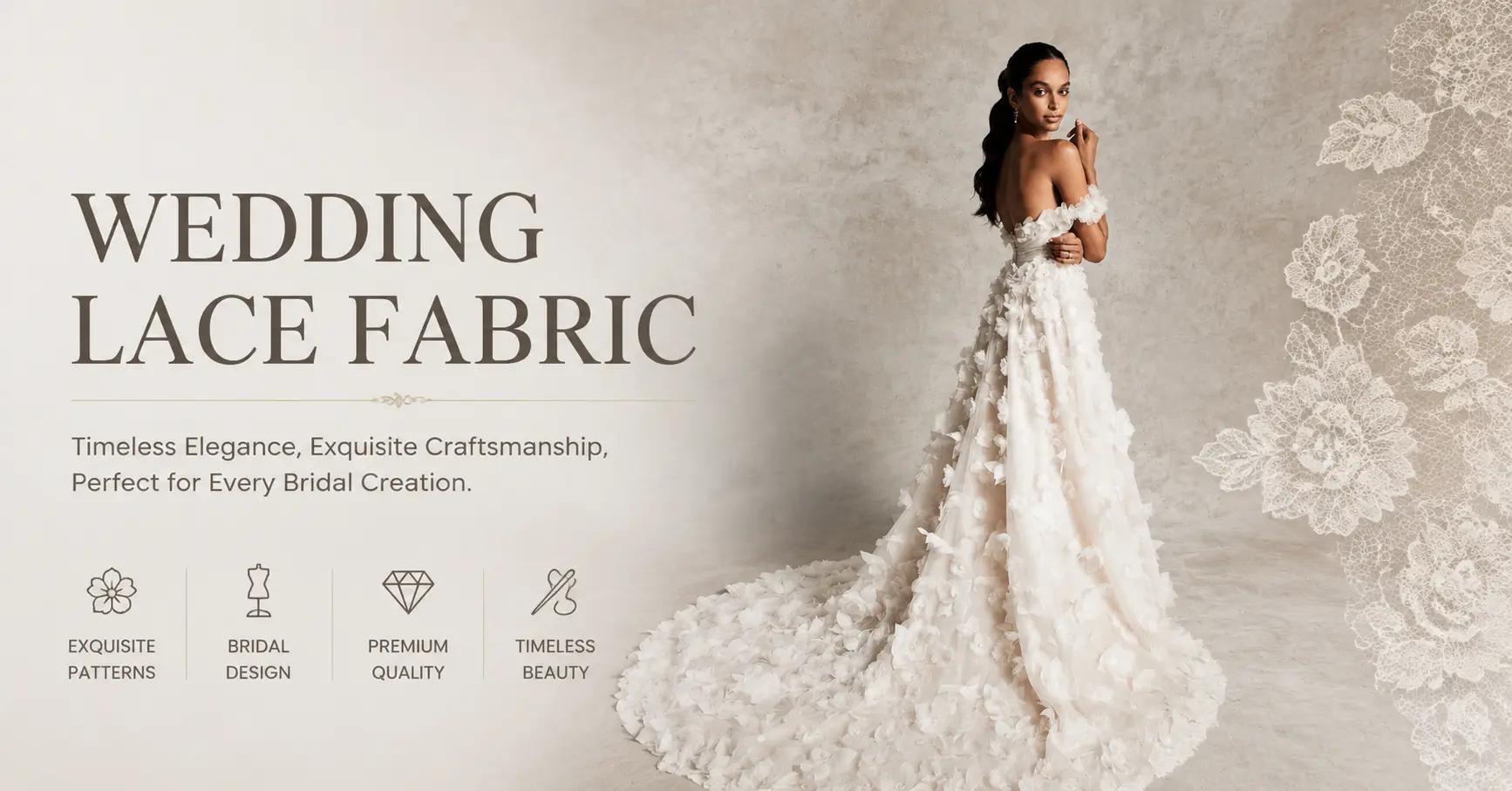
Wedding lace fabrics have always occupied a unique position in the global textile fashion industry. It is more than just a fabric, it is a symbol of elegance, craftsmanship and emotional storytelling. From traditional wedding dresses to modern simple wedding dresses, lace has always been an element that crosses cultural boundaries and defines the fashionable visual image of wedding dresses.
For fashion brands, designers and fabric sourcing teams, understanding wedding lace is critical not only for product development, but also for market positioning, cost control and trend forecasting.
This article provides a comprehensive overview of bridal lace fabrics, including their design evolution, manufacturing techniques, application areas and key considerations for bulk buyers.
The role of lace in wedding fashion
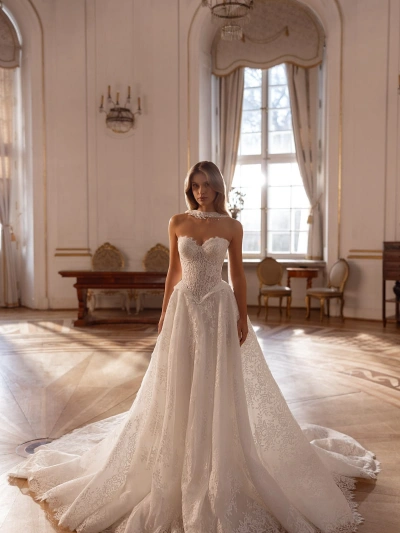
Lace is one of the few textiles that has both decorative and sentimental value. In wedding fashion, it symbolizes purity, romance and exquisite craftsmanship.
Why lace is crucial in wedding dress design
Compared with other fabrics, lace has the following advantages:
-
Complex visual patterns with high aesthetic value
-
Lightweight construction ideal for layering garments
-
Semi-transparent texture enhances silhouette depth
-
and embroidery , beads and sequins have strong compatibility
Modern wedding dress designers use lace to create gowns that are both classic and contemporary. Whether used as the fabric of the entire wedding dress or as an embellishment, lace has always been the core element of global wedding dress collections.
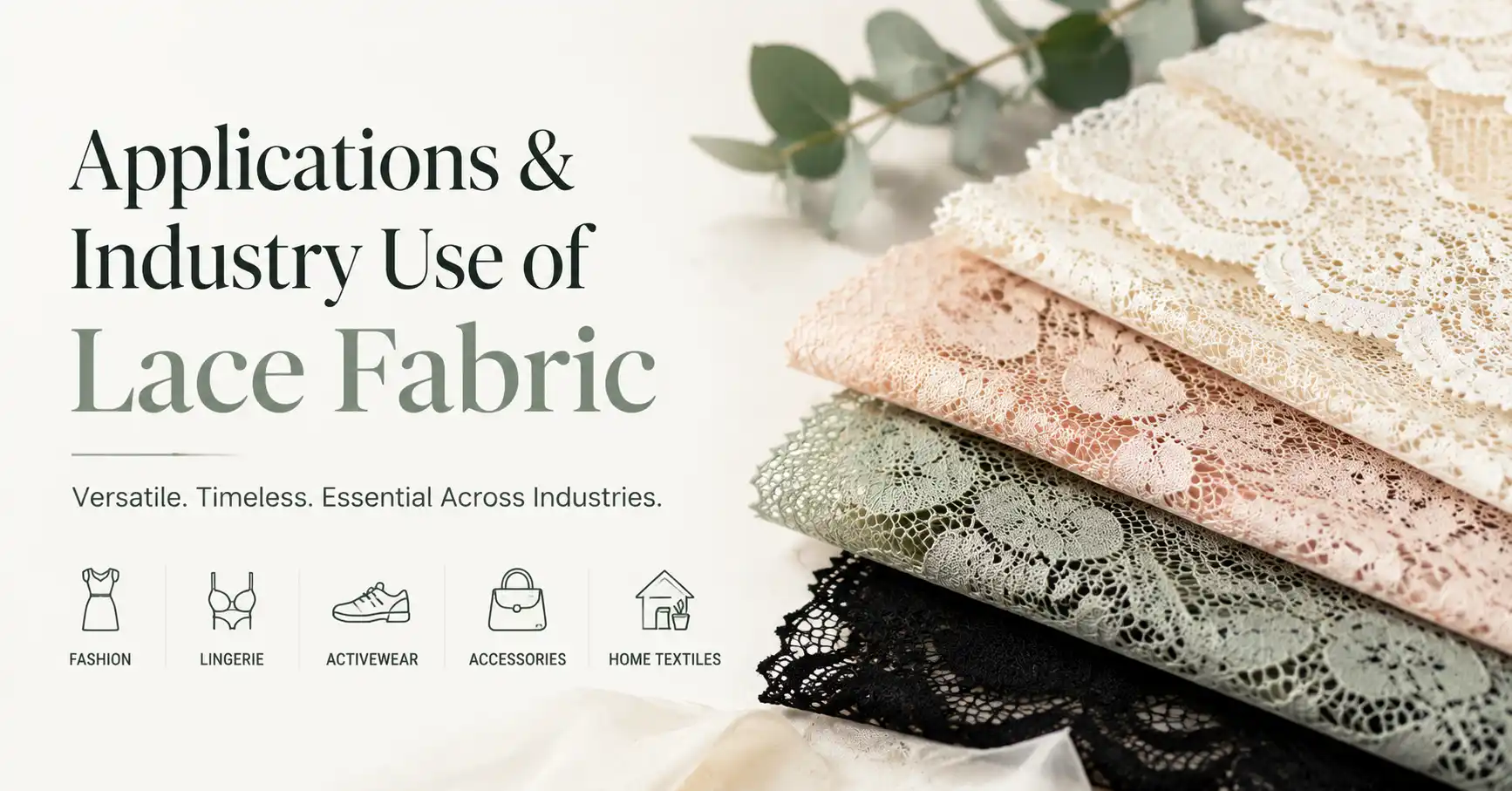
Types of wedding lace fabrics
Different lace structures serve different design purposes. Understanding these classifications helps brands choose the right fabrics for each collection.
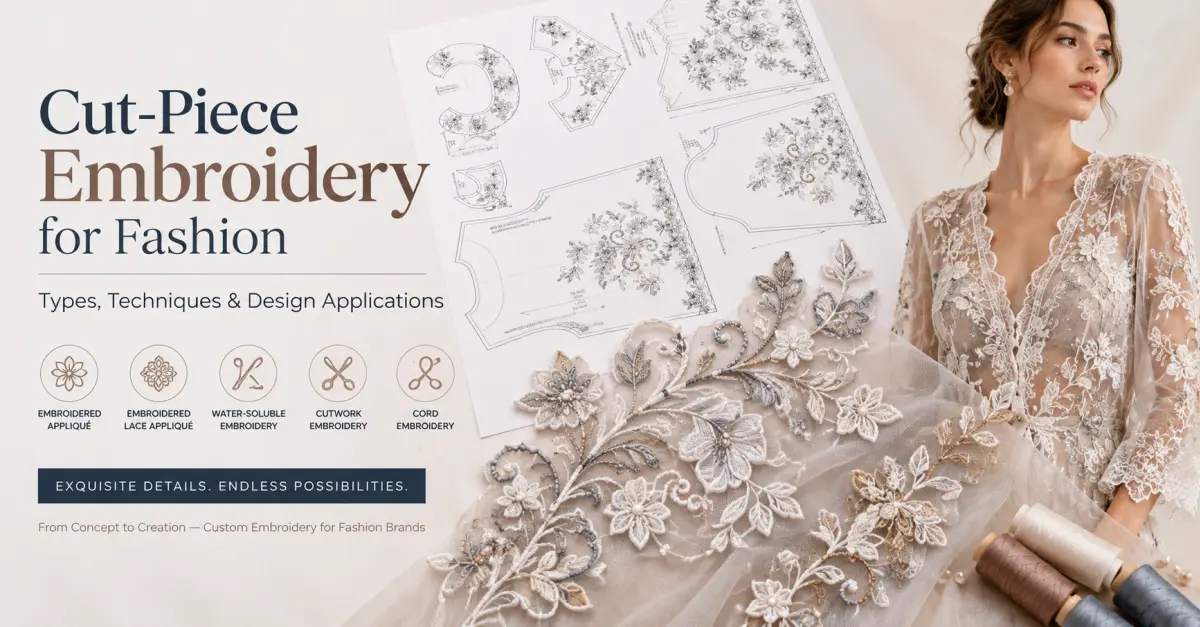
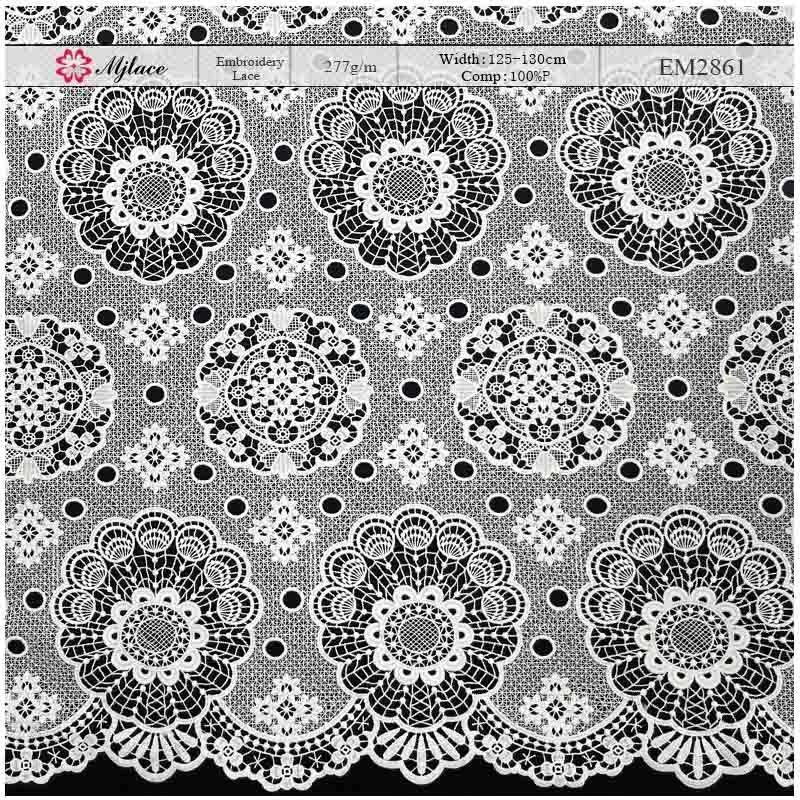
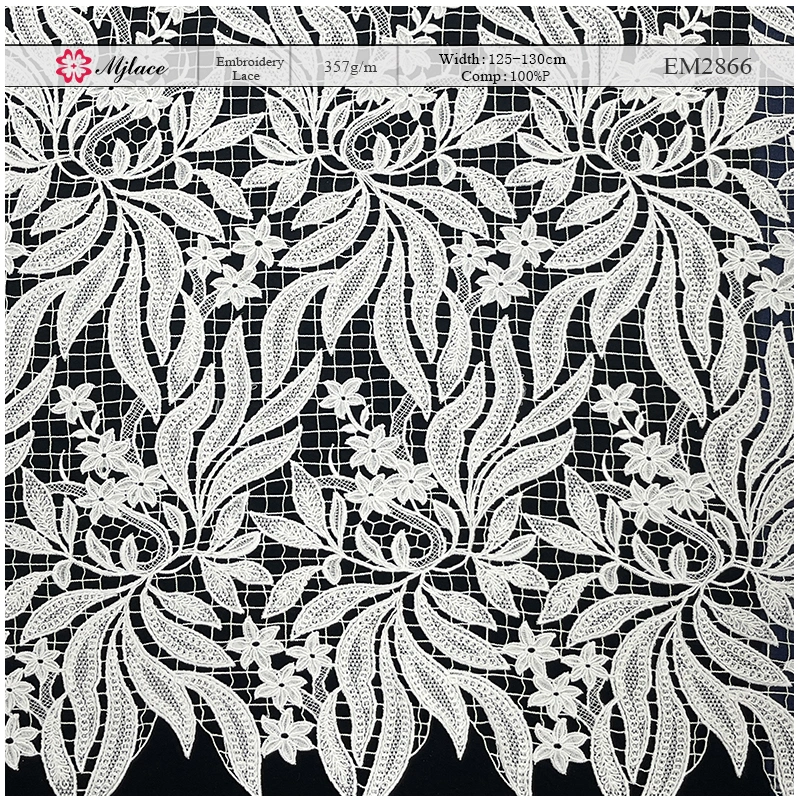
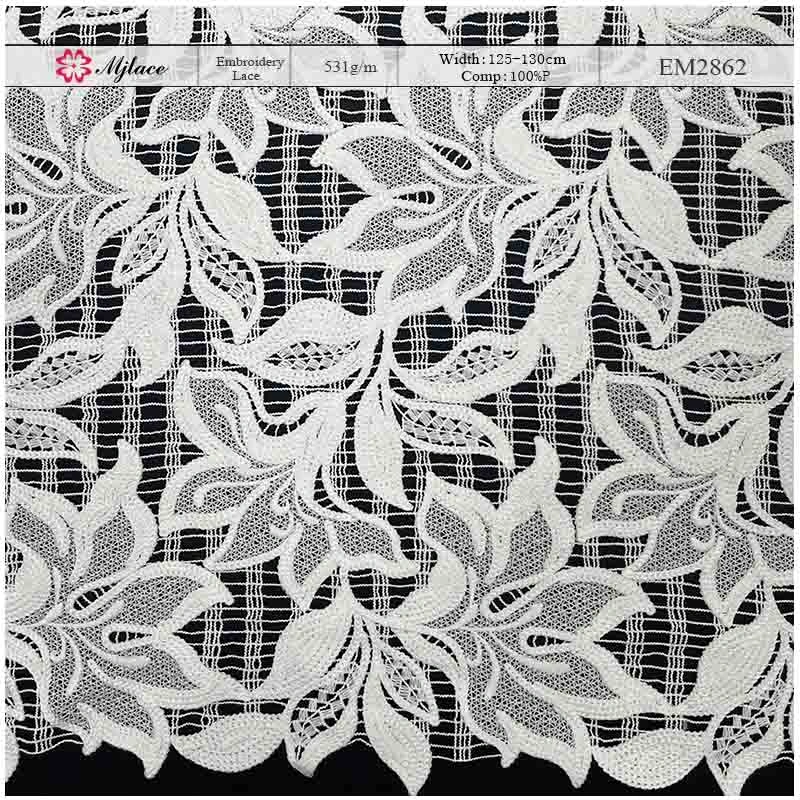
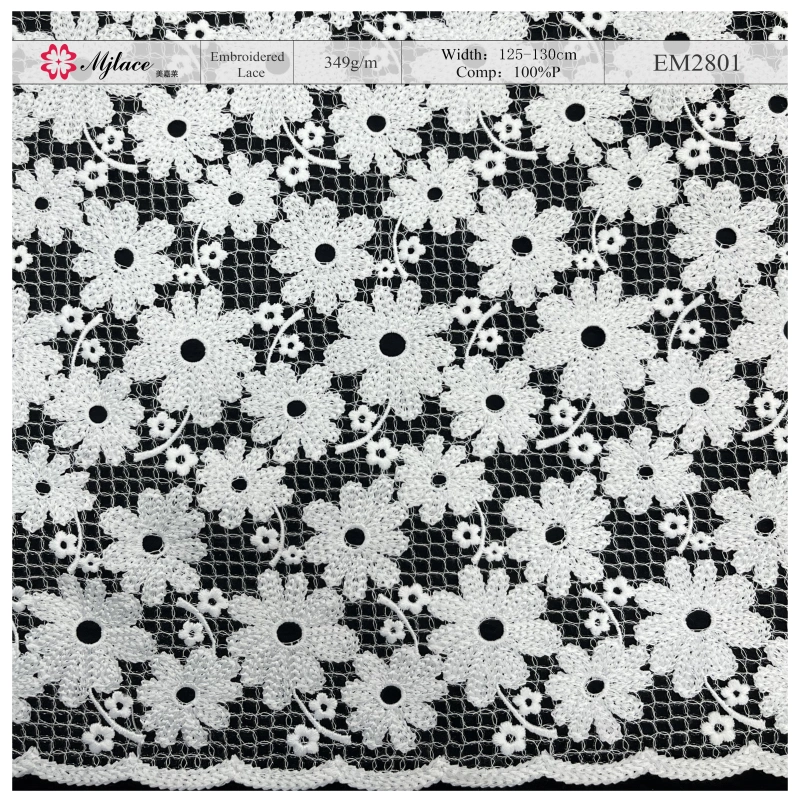
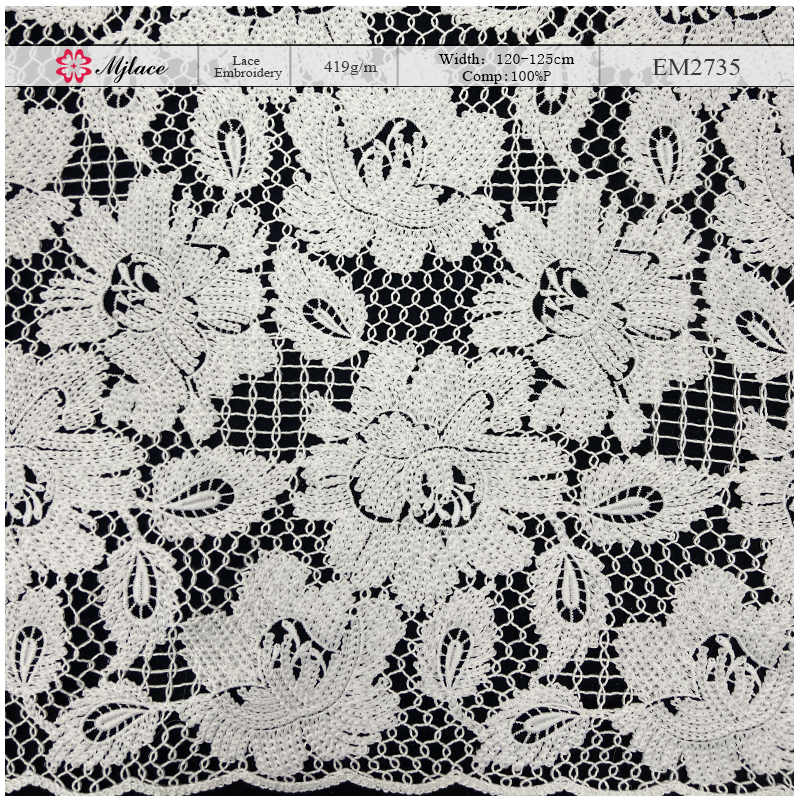
Embroidery lace
One of the most commonly used styles in wedding dresses.
-
Rich surface texture
-
Suitable for floral and botanical patterns
-
Often paired with sequins or beads.
-
For high-end wedding dresses and veils
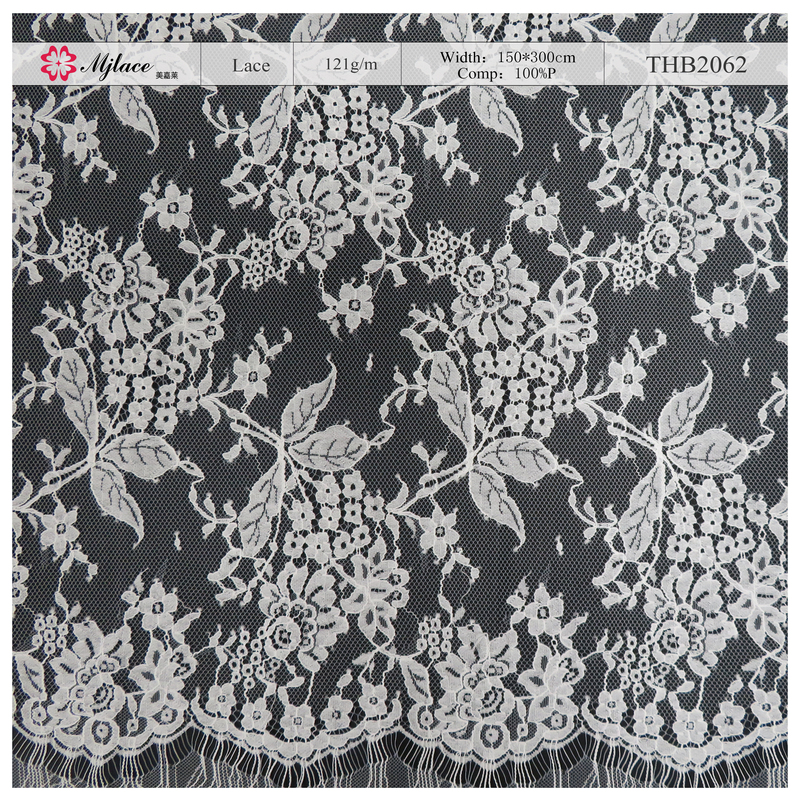
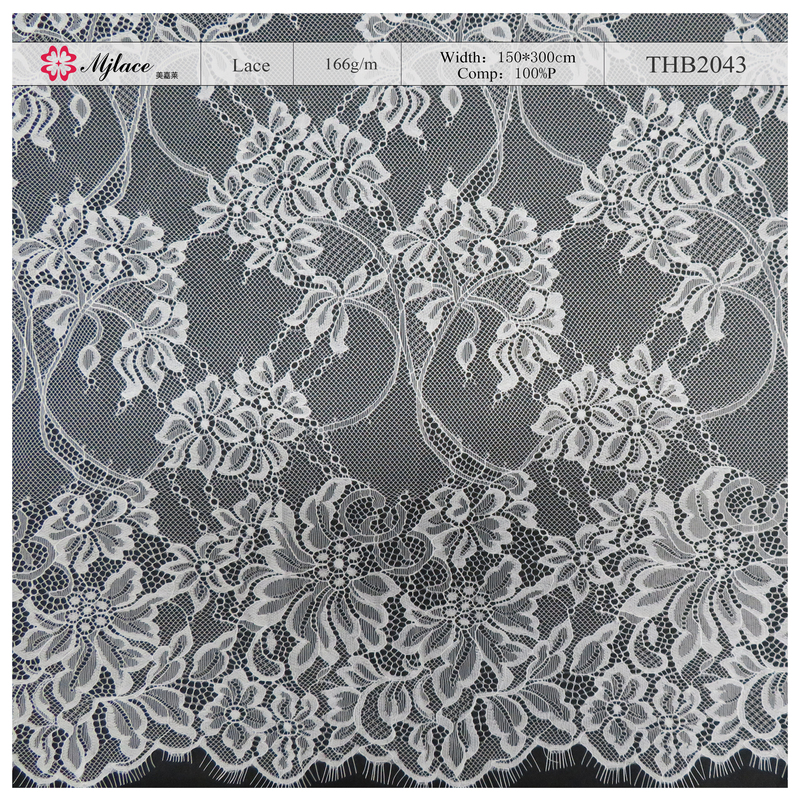
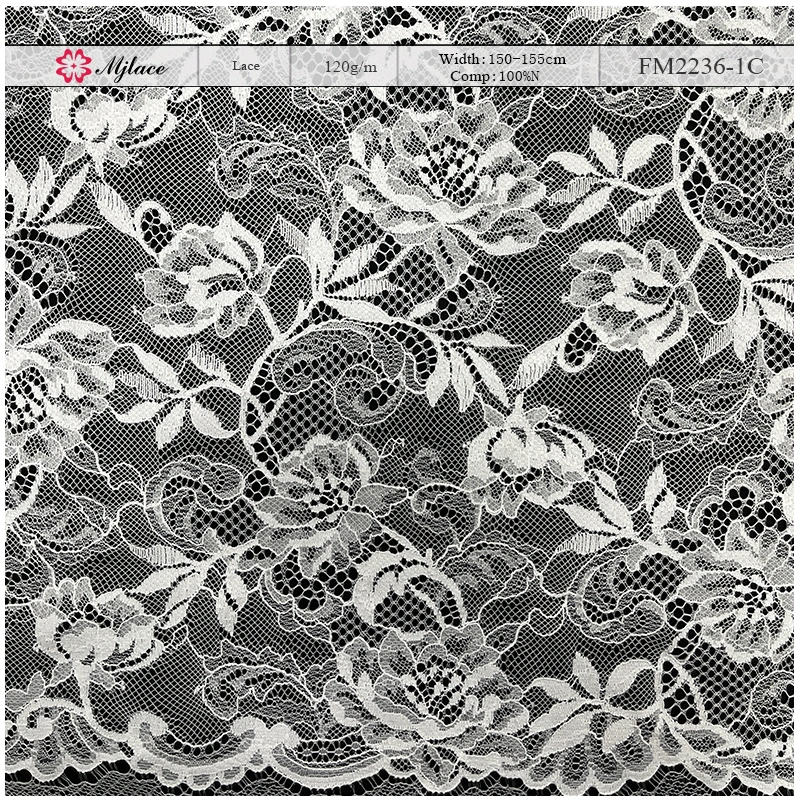
Chantilly Lace
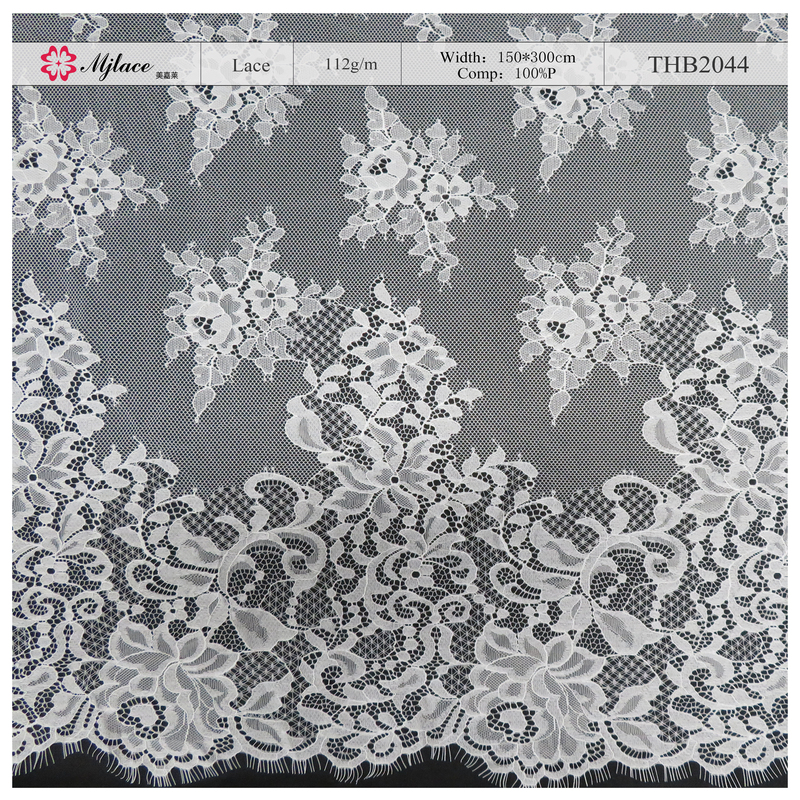
Known for its delicate and feminine appearance. Explore our Chantilly Lace series.
-
Fine mesh background
-
Light and elegant
-
Ideal for sleeves, blouses and veils
-
Very common in French wedding dress designs
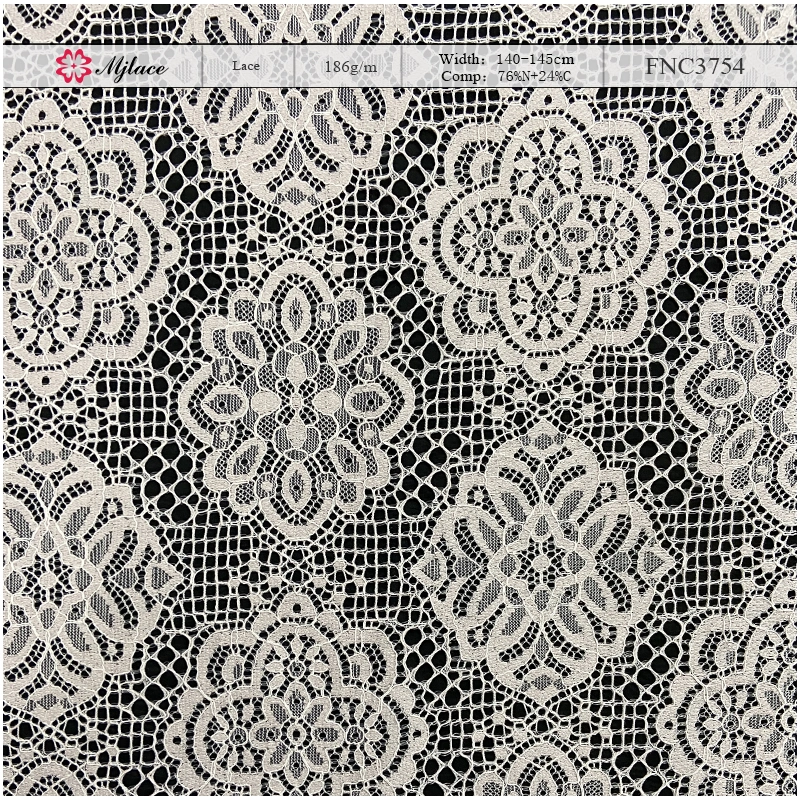
Water-soluble lace
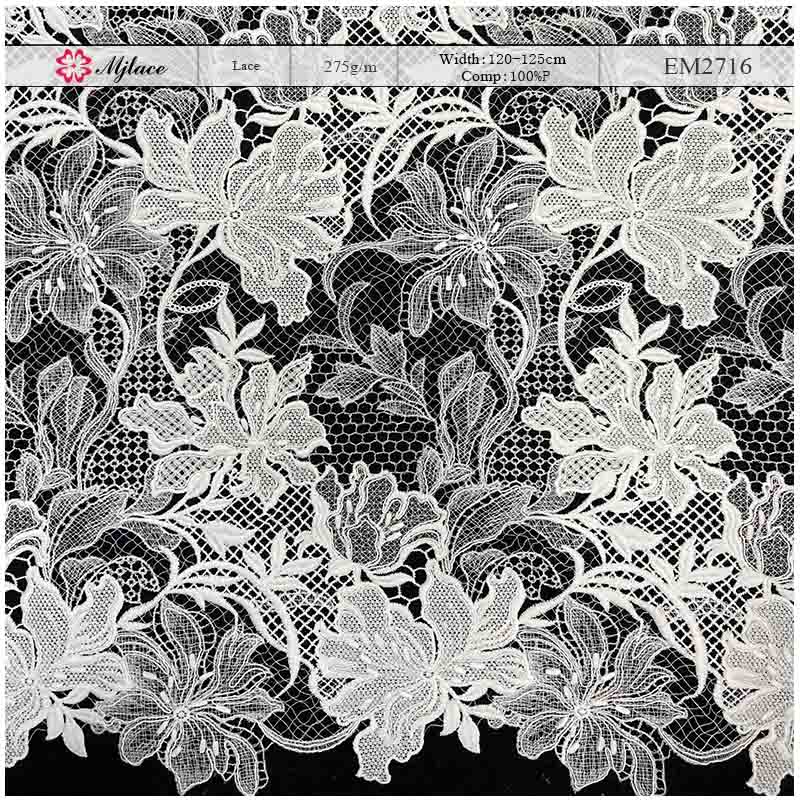
High-tech lace category. Please see our water soluble embroidery .
-
Three-dimensional embroidery effect
-
No mesh base after finishing
-
Often used in couture-level bridal gowns
-
Supports complex floral motifs
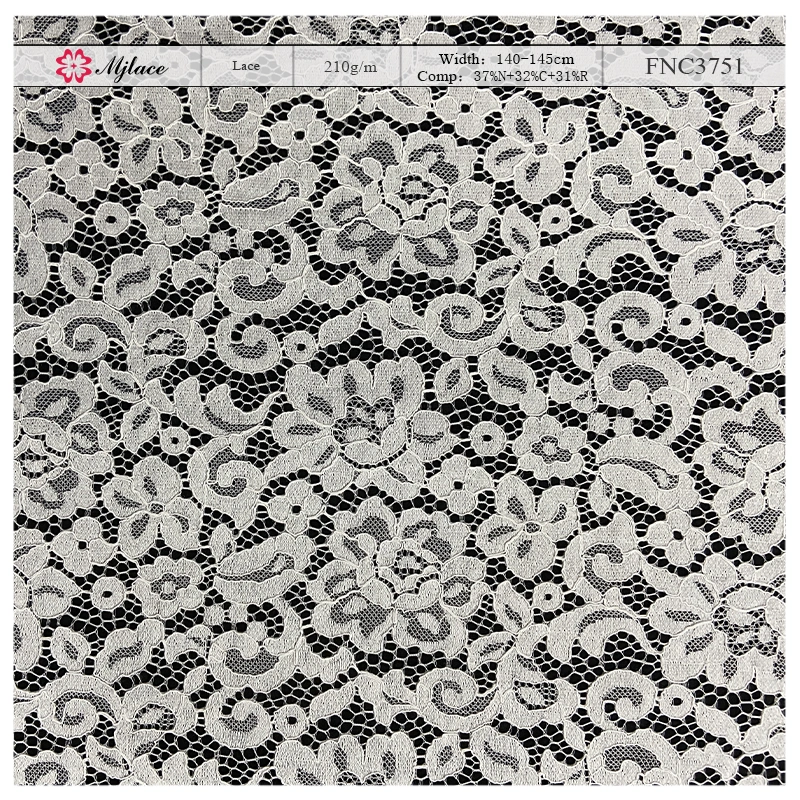
Stretch Lace
Increasingly used in modern bridalwear.
-
Flexible and comfortable
-
Suitable for fitted silhouettes
-
Common in contemporary minimalist wedding dresses
-
Works well for lining-free designs
Manufacturing Techniques Behind Bridal Lace
Wedding lace is one of the most technically demanding textile products. Its production involves multiple stages of precision engineering and craftsmanship.
Key production processes include:
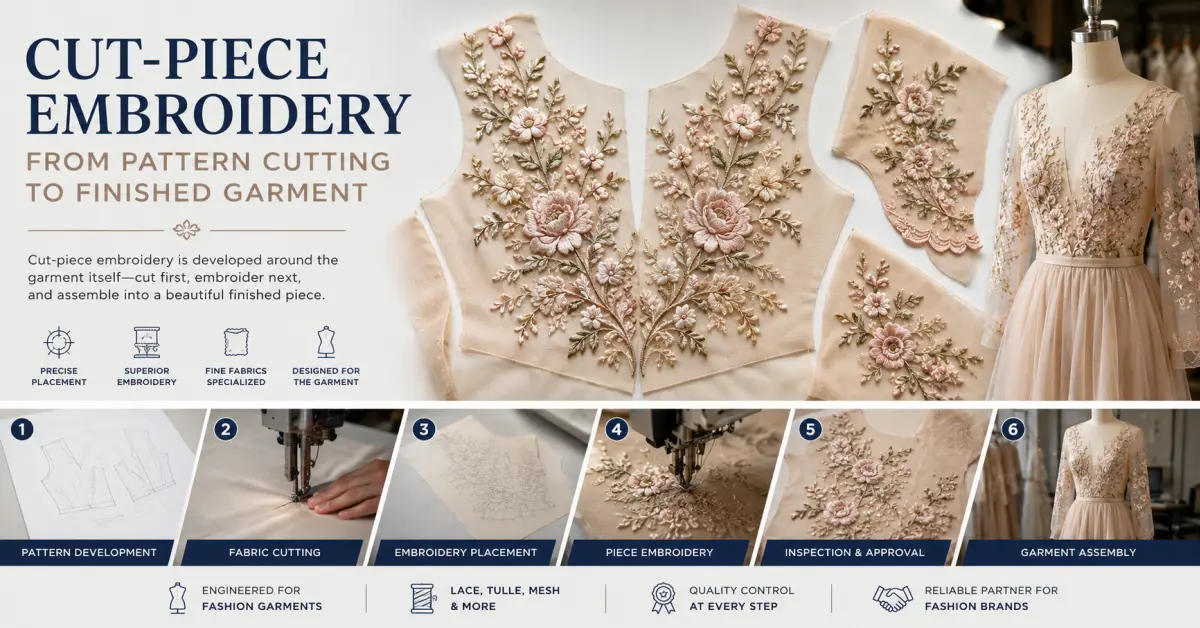
Pattern Development
Designers and technicians collaborate to create:
-
Floral motifs
-
Geometric patterns
-
Custom brand-exclusive designs. Learn about pattern design development .
Digital design tools are often used before machine production begins.
Embroidery and Knitting
Industrial lace machines execute complex stitching patterns using:
-
Polyester yarns
-
Cotton blends
-
Metallic or specialty threads
High-end bridal lace often requires multi-thread layering to achieve depth and dimension. Explore cord embroidery and multi-color embroidery .
Dyeing and Color Matching
Bridal lace is not limited to white anymore.
Popular tones include:
-
Ivory
-
Champagne
-
Soft nude
-
Blush pink
Color consistency is critical for wedding collections, especially for global brands. See dyeing and color matching .
Finishing Process
Final treatments may include:
-
Softening
-
Stiffness adjustment
-
Edge refinement
-
Pattern reinforcement
Applications of Wedding Lace Fabric
Wedding lace is no longer limited to traditional gowns. Its applications have expanded significantly across bridal product categories.
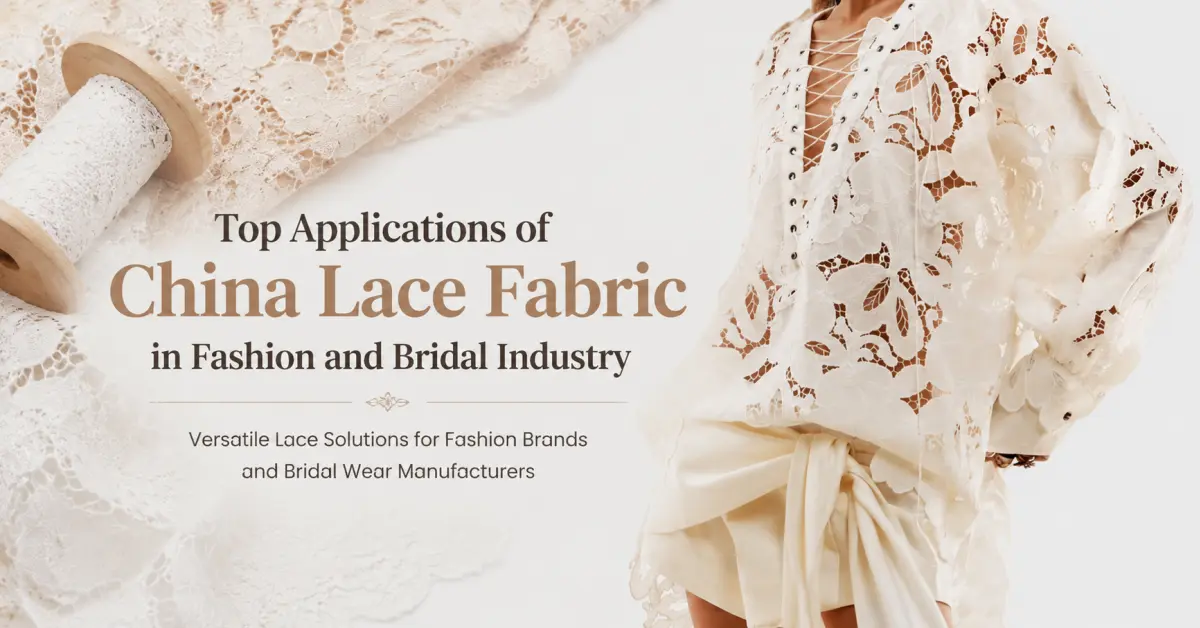
Wedding Dresses
The primary application area. Explore our bridal lace collection:
-
full lace gowns
-
Lace overlays on satin or tulle
-
Structured corset designs
-
Mermaid and A-line silhouettes
Veils and Accessories
Lace is essential in bridal detailing:
-
Cathedral veils
-
Shoulder caps
-
Gloves
-
Hair accessories
Bridesmaid Dresses
Lighter lace fabrics are often used for:
-
Coordinated bridal party looks
-
Semi-formal dresses
-
Mixed fabric designs
Couture Bridal Collections
High-end designers use lace for:
-
Runway bridal pieces
-
Limited-edition gowns
-
Artistic textile experimentation
Market Trends in Wedding Lace Fabric
The bridal industry is evolving, and lace is adapting with it.
Minimalist Bridal Fashion
Modern brides prefer:
-
Clean silhouettes
-
Subtle lace detailing
-
Lightweight fabrics
This has increased demand for fine Chantilly and stretch lace.
Customization and Exclusivity
Brands increasingly request:
-
Custom lace patterns
-
Private design development
-
Exclusive production rights. Learn about customized processes .
Sustainability in Bridal Textiles
Eco-friendly production is becoming a key requirement:
-
Recycled fibers
-
Low-impact dyeing processes
-
Reduce waste generated during production. Please visit our Sustainable Development Zone .
Mixed fabric design
Lace is now used in combination with:
-
mesh fabric
-
satin base
-
organza layer
This creates a more three-dimensional and modern wedding aesthetic.
Key considerations for bulk buyers
For purchasing teams and fashion brands, choosing the right wedding lace supplier is crucial.
Important factors include:
Quality stability
Consistency between production batches is critical for:
-
Various dress series
-
bulk order
-
International distribution. See quality control standards .
Sampling capabilities
Efficient sampling helps reduce time to market:
-
Typical development cycle is 7-25 days
-
Precise color and pattern matching
Minimum order quantity and production capacity
Different types of lace require different production scales:
-
Embroidered Lace: Medium MOQ
-
Customized lace: higher minimum order quantity
-
Lace in stock: flexible ordering. learn Crop size and Processing technology .
Design support
Strong suppliers can provide:
-
Pattern development assistance
-
Trend forecast input
-
Technical feasibility assessment
Challenges faced by wedding lace production
Although lace is made with exquisite craftsmanship, it also involves some technical difficulties:
-
Maintain pattern accuracy in complex designs
-
Ensures softness without losing structure
-
Get stable dyeing results
-
Taking into account cost and high-end details
These challenges have made lace production a highly specialized area of the textile industry. learn OEM service .
Conclusion
Wedding lace fabric has always been one of the most important fabrics in global wedding fashion. Its blend of craftsmanship, aesthetics and technical innovation ensures its continued relevance in both traditional and contemporary design realms.
For fashion brands, understanding lace is not just about choosing a fabric, but choosing a design direction, a production strategy and a brand image.
As bridal fashion continues to evolve towards personalization, sustainability and minimalism, lace will remain at the heart of innovation in the bridal industry.
Ready to shop for lace for your bridal collection? Please visit our Home page Browse our product range, or Contact us Get a consultation. You can also Submit inquiry to get a custom quote.