
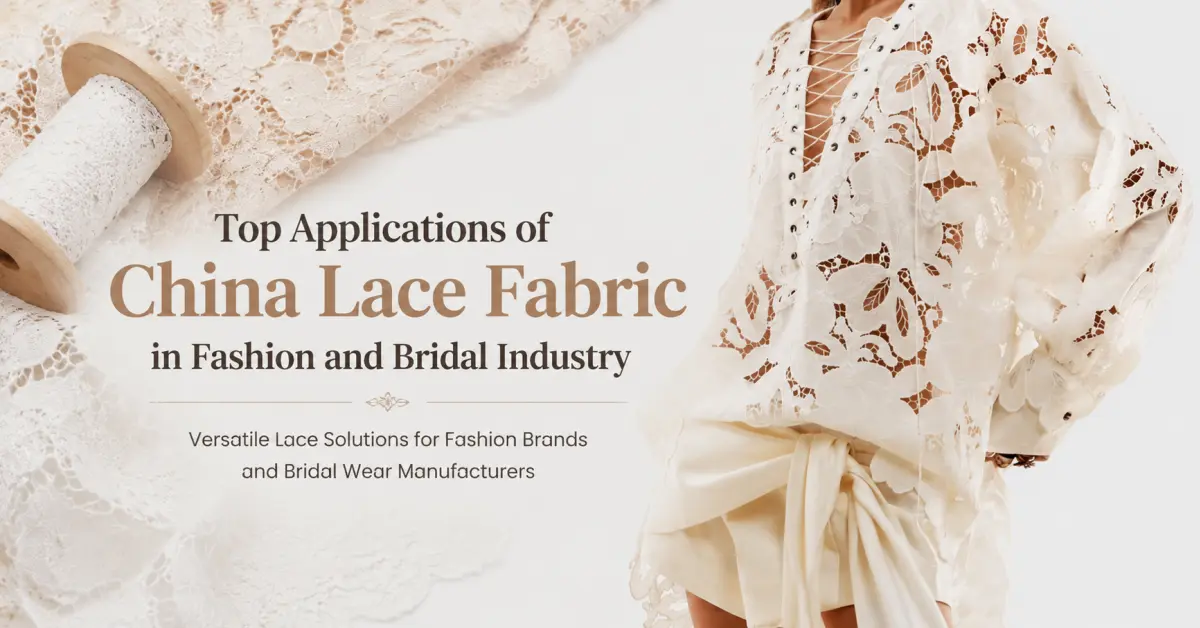

Why China Lace Fabric Has Become a Key Material for Global Fashion Brands
Lace has always represented elegance, craftsmanship, and feminine aesthetics in the fashion industry. From luxury bridal gowns and evening dresses to lingerie, ready-to-wear collections, and high-end accessories, lace fabric continues to be one of the most versatile decorative textiles used by designers worldwide.
With the continuous development of textile manufacturing technology, China lace fabric has become an important sourcing choice for international fashion brands, garment manufacturers, and bridal wear companies.
Today, buyers are not only looking for traditional lace patterns but also demanding:
-
Customized lace designs
-
Better production consistency
-
Flexible MOQ options
-
Advanced embroidery techniques
-
Sustainable textile solutions
-
Competitive global supply chains
As one of the world's major textile manufacturing hubs, China has developed a complete lace production ecosystem covering:
-
Lace knitting
-
Jacquard lace production
-
Embroidery lace manufacturing
-
Chemical lace processing
-
Stretch lace development
-
Beaded and sequin lace embroidery. Explore sequins and beads embroidery.
-
Customized lace pattern creation
For fashion brands, selecting the right lace supplier is no longer simply about purchasing fabric. It is about finding a manufacturing partner who can support product development, design innovation, and long-term supply stability.
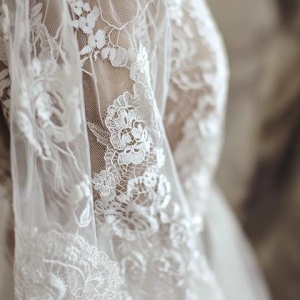
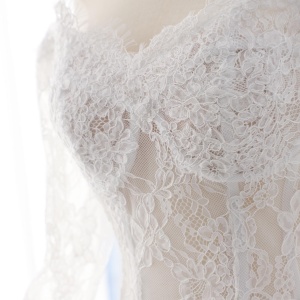
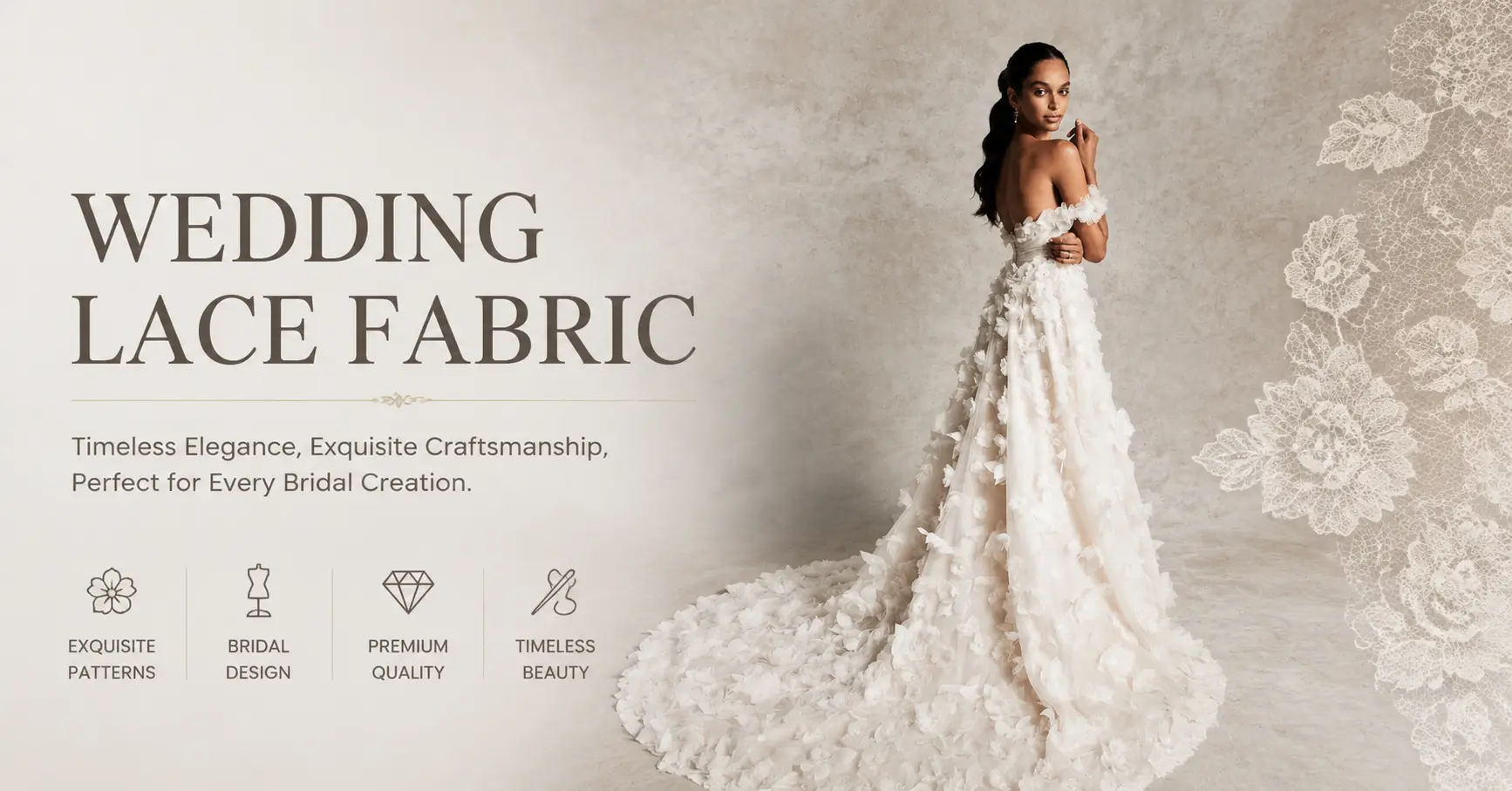
China Lace Fabric in Bridal Wedding Dress Design
Creating Timeless Wedding Gowns with Premium Lace Materials
The bridal industry remains one of the largest application markets for lace fabrics.
For wedding dress designers, lace is more than a decorative fabric. It defines the overall style, texture, and emotional value of a wedding gown.
Modern bridal brands use lace fabrics to create different design aesthetics, including:
-
Romantic wedding dresses
-
Vintage-inspired gowns
-
Luxury couture bridal collections
-
Minimalist modern designs
-
Bohemian wedding styles
-
Royal-inspired bridal gowns
Popular Types of China Lace Fabric for Bridal Applications
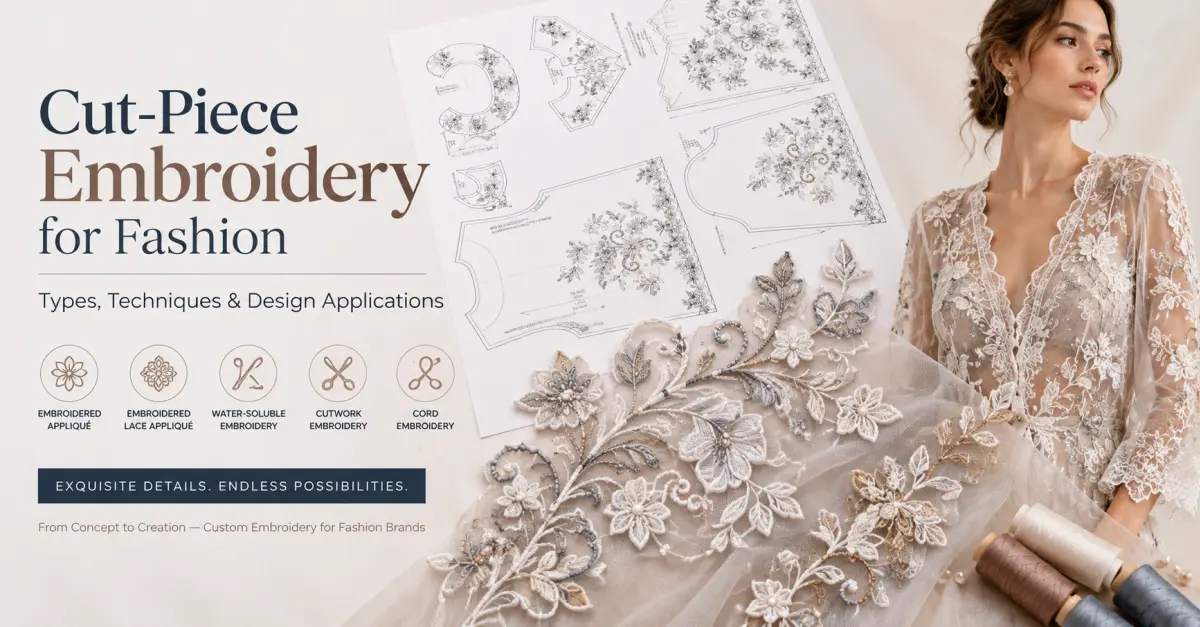
Bridal Embroidery Lace
Embroidered lace is one of the most popular materials used in premium wedding dresses.
Manufacturers create intricate patterns by applying embroidery techniques onto different base fabrics, including:
-
Tulle
-
Mesh
-
Organza
-
Satin
-
Chiffon
Common embroidery designs include:
-
Floral motifs
-
Botanical patterns
-
Leaf structures
-
Geometric patterns
-
Abstract artistic designs
For luxury bridal brands, embroidered lace provides:
-
Three-dimensional texture
-
High visual impact
-
Customized design possibilities
-
Premium handcrafted appearance. Explore multi-color embroidery.
Chantilly Lace Fabric
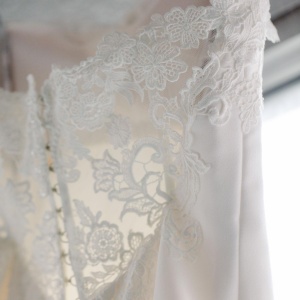
Chantilly lace remains a classic choice for high-end bridal gowns. See our chantilly lace.
Known for its:
-
Lightweight structure
-
Elegant floral patterns
-
Soft hand feeling
-
Transparent appearance
Chantilly lace is frequently used for:
-
Wedding veils
-
Sleeves
-
Bodices
-
Overlay layers
-
Neckline decoration
Many international bridal designers prefer Chantilly lace because it creates a delicate visual effect while maintaining a luxurious appearance.
Compared with ordinary lace materials, premium Chantilly lace requires higher production accuracy because the pattern details and fabric stability directly affect the final garment quality.
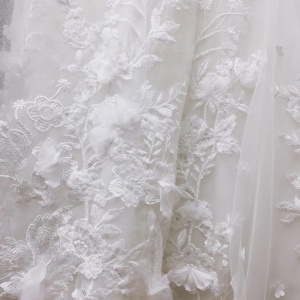
China Lace Fabric Applications in Women's Fashion
Lace as a Core Design Element in Contemporary Apparel
Beyond bridal wear, lace fabric has become an essential material in women's fashion collections.
Global fashion brands commonly apply lace fabrics in:
-
Dresses
-
Blouses
-
Skirts
-
Tops
-
Jackets
-
Evening wear
-
Resort wear
-
Luxury ready-to-wear collections
The popularity of lace in fashion continues because it combines:
-
Decorative beauty
-
Lightweight comfort
-
Design flexibility
-
Premium brand positioning
For fashion designers, lace allows garments to achieve different moods:
Romantic Style
Soft floral lace creates a feminine and elegant appearance.
Common applications:
-
Summer dresses
-
Vacation collections
-
Resort fashion
Vintage Style
Retro-inspired lace patterns bring historical fashion elements into modern designs.
Popular materials:
-
Chemical lace
-
Guipure lace
Luxury Style
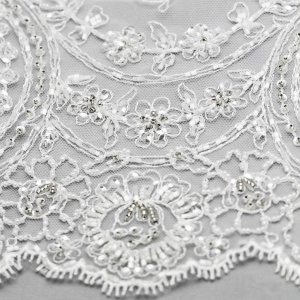
High-density embroidered lace with beads, sequins, or metallic threads creates premium fashion products.
Common applications:
-
Evening gowns
-
Red carpet dresses
-
Couture collections
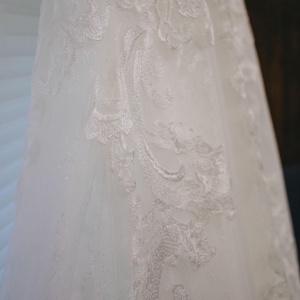
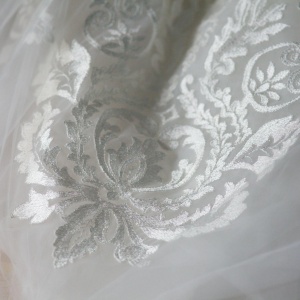
Lace Fabric Applications in Luxury Evening Wear
Supporting High-End Fashion Through Detailed Surface Design
Evening wear brands often use lace fabric to create visual richness and sophisticated silhouettes.
Unlike basic fabrics, lace provides designers with additional opportunities for surface decoration.
Luxury evening dresses frequently combine lace with:
-
Satin
-
Silk
-
Velvet
-
Organza
-
Tulle
Popular applications include:
Lace Sleeves
Transparent lace sleeves create elegance while maintaining a sophisticated appearance.
Lace Bodices
Many luxury dresses use embroidered lace panels on the upper body area to enhance craftsmanship.
Lace Overlay
A lace overlay layer can completely transform a simple base dress into a premium fashion piece.
For brands producing limited collections, working with a professional China lace fabric manufacturer provides advantages including:
-
Custom pattern development
-
Color matching service
-
Small batch production
-
Fabric modification
Lace Fabric in Lingerie and Intimate Apparel
Why Stretch Lace Fabric Is Essential for Lingerie Brands
The lingerie industry is another major application area for China lace fabric.
Unlike decorative lace used in bridal or evening wear, lingerie lace requires additional performance characteristics:
-
Soft touch
-
Skin-friendly feeling
-
Elastic recovery
-
Breathability
-
Comfort during movement
Popular lace materials include:
-
Stretch lace
-
Nylon spandex lace
-
Elastic lace trim
-
Mesh lace
Applications include:
-
Bras
-
Panties
-
Bodysuits
-
Sleepwear
-
Fashion lingerie
For lingerie manufacturers, choosing a reliable lace supplier is critical because fabric performance directly influences consumer experience.
Important quality factors include:
Elastic Recovery
Stretch lace must maintain shape after repeated use.
Color Fastness
Lingerie products often require frequent washing, making dyeing quality essential.
Pattern Stability
High-quality lace should maintain consistent patterns during cutting and sewing.
China Lace Fabric Applications in Women's Fashion
Women's fashion has always been one of the largest application fields for lace fabrics. From luxury collections to fast fashion, lace continues to play an important role in creating feminine silhouettes, adding texture, and improving garment value.
For international fashion brands, choosing the right China lace fabric supplier is not only about purchasing materials but also about finding a partner who can provide consistent quality, customized designs, and production flexibility.
Chinese lace manufacturers have developed advanced production capabilities that allow designers to use lace fabrics across different categories, including dresses, blouses, skirts, lingerie, eveningwear, and seasonal collections.
Lace Dresses: A Key Application Area for Fashion Brands
Lace dresses remain one of the most popular applications of lace fabric worldwide.
Whether used for luxury evening dresses, resort collections, cocktail dresses, or daily feminine wear, lace creates a premium visual effect that is difficult to achieve with ordinary fabrics.
Fashion brands commonly use:
-
Stretch lace fabric for body-fitting dresses
-
Embroidered lace fabric for luxury collections
-
Chantilly lace for elegant and lightweight designs
-
Jacquard lace fabric for structured garments
-
Sequined lace for eveningwear and special occasions
For example, a fashion brand developing a spring-summer collection may select lightweight floral lace with soft hand feeling, while a bridal-inspired eveningwear collection may require heavier embroidered lace with three-dimensional patterns.
A professional China lace fabric manufacturer can provide different solutions according to garment requirements, including:
-
Pattern customization
-
Color development
-
Width adjustment
-
Elasticity modification
-
Embroidery enhancement
-
Surface finishing
This flexibility allows brands to create differentiated products instead of using standard market fabrics.
Lace Tops and Blouses
Lace tops and blouses are another important category where China lace fabric is widely applied.
Many international fashion brands use lace fabrics to develop:
-
Romantic feminine tops
-
Transparent layering pieces
-
Vintage-inspired blouses
-
Luxury resort wear
-
Fashionable office styles
Compared with ordinary woven fabrics, lace provides additional texture and visual depth.
For designers, lace can be used as:
Full Garment Fabric
The entire garment is produced with lace fabric, creating a delicate and elegant appearance.
Common examples:
-
Lace shirts
-
Lace camisoles
-
Lace cardigans
Decorative Panels
Lace is combined with other materials such as:
-
Silk
-
Satin
-
Cotton
-
Chiffon
-
Velvet
This combination creates contrast between transparency and solid structures.
Sleeve and Collar Applications
Many premium fashion brands use lace for:
-
Statement sleeves
-
High collars
-
Cuffs
-
Neckline decoration
These small details can significantly increase garment value.
China Lace Fabric Applications in Bridal Industry
The bridal industry remains one of the most important markets for lace fabrics.
For centuries, lace has represented elegance, romance, craftsmanship, and luxury. Today, almost every bridal collection includes lace elements in some form.
For wedding dress designers and bridal manufacturers, selecting the right lace supplier directly influences:
-
Dress appearance
-
Production efficiency
-
Customer experience
-
Brand positioning
This is why many global bridal brands cooperate with experienced China lace fabric manufacturers for customized lace development. Explore bridal lace.
Wedding Dress Lace Fabric
Wedding dresses are probably the most recognized application of lace fabric.
Different lace structures create completely different bridal styles.
Romantic Style
Popular lace choices:
-
Floral lace
-
Soft embroidered lace
-
Lightweight Chantilly lace
Features:
-
Delicate patterns
-
Soft texture
-
Feminine appearance
Suitable for:
-
A-line wedding gowns
-
Princess dresses
-
Outdoor weddings
Luxury Style
Luxury bridal designers often choose:
-
Heavy embroidery lace
-
Beaded lace
-
Sequin lace
-
3D floral lace
These fabrics create:
-
Three-dimensional effects
-
Rich surface texture
-
High-end appearance
They are commonly used for:
-
Couture wedding dresses
-
Luxury bridal collections
-
Custom wedding gowns
Modern Minimalist Style
Modern brides increasingly prefer clean silhouettes with subtle details.
Popular choices include:
-
Transparent lace
-
Geometric lace
-
Simple floral patterns
Applications:
-
Minimal wedding gowns
-
Contemporary bridal collections
-
Modern ceremony dresses
Lace for Bridal Veils and Accessories
Besides wedding dresses, lace fabric is widely used in bridal accessories.
Common applications include:
Wedding Veils
Lace edging adds:
-
Romantic appearance
-
Handmade feeling
-
Premium positioning
Popular materials:
-
Chantilly lace
-
Embroidered lace
Bridal Gloves
Lace gloves have become popular again in modern bridal fashion.
Designers use:
-
Stretch lace
-
Sheer lace
-
Floral lace
to create vintage-inspired accessories.
Bridal Capes and Sleeves
Many designers now create detachable bridal accessories.
Examples:
-
Lace sleeves
-
Lace capes
-
Lace jackets
These designs allow brides to transform their look during different wedding moments.
China Lace Fabric Applications in Eveningwear and Luxury Fashion
Beyond bridal products, lace fabrics play an important role in eveningwear and luxury fashion.
Luxury brands often use lace because it combines:
-
Artistic expression
-
Material innovation
-
Decorative value
Evening Dresses
Evening dresses require fabrics that provide elegance and premium appearance.
Lace is frequently applied to:
-
Red carpet gowns
-
Formal dresses
-
Party dresses
-
Luxury occasion wear
Popular choices include:
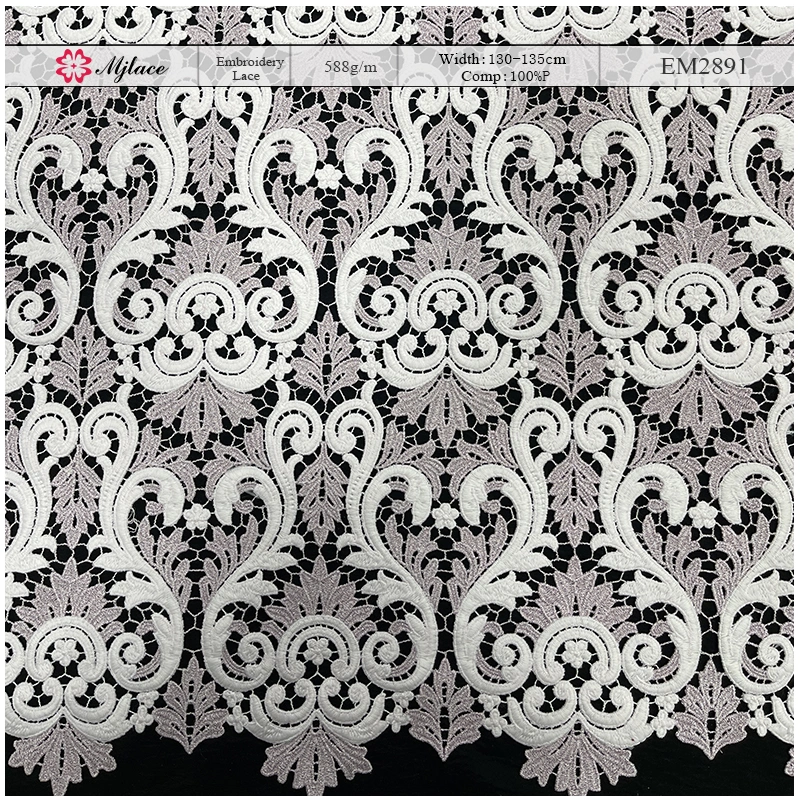
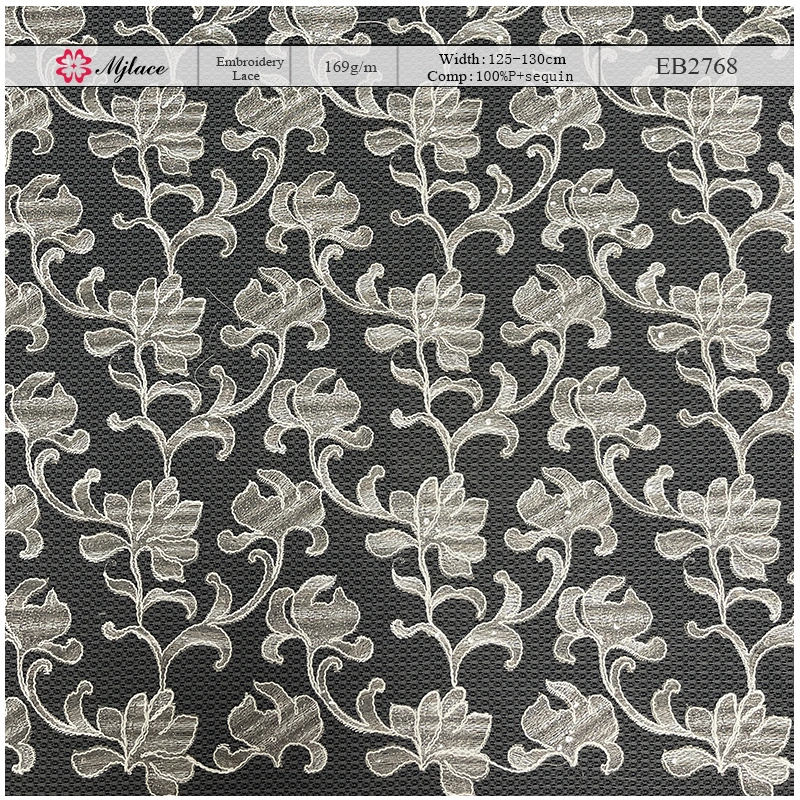
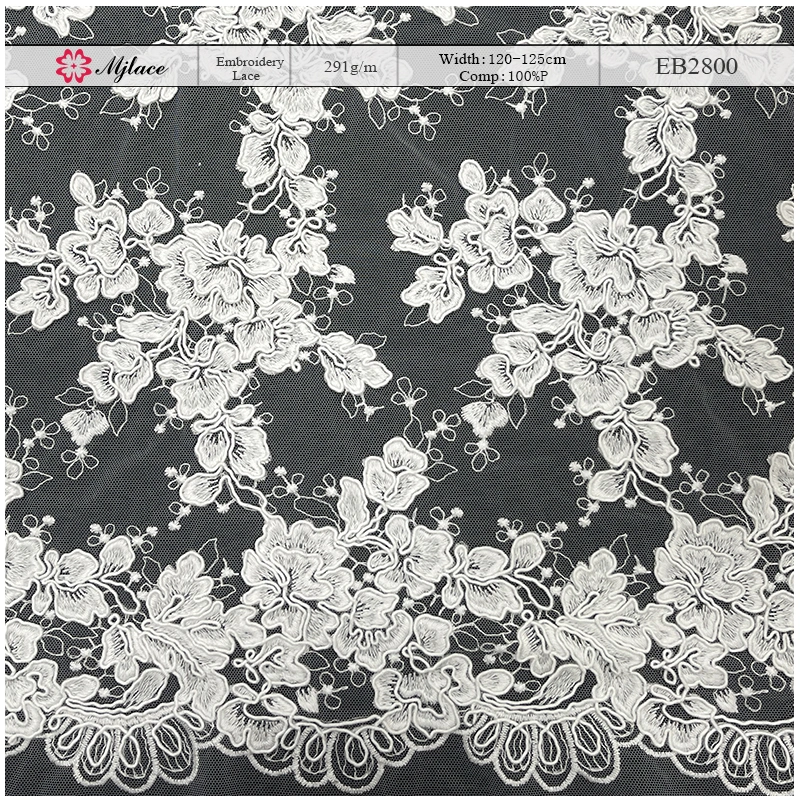
Embroidered Lace Fabric
Advantages:
-
Rich patterns
-
Strong visual impact
-
Premium feeling
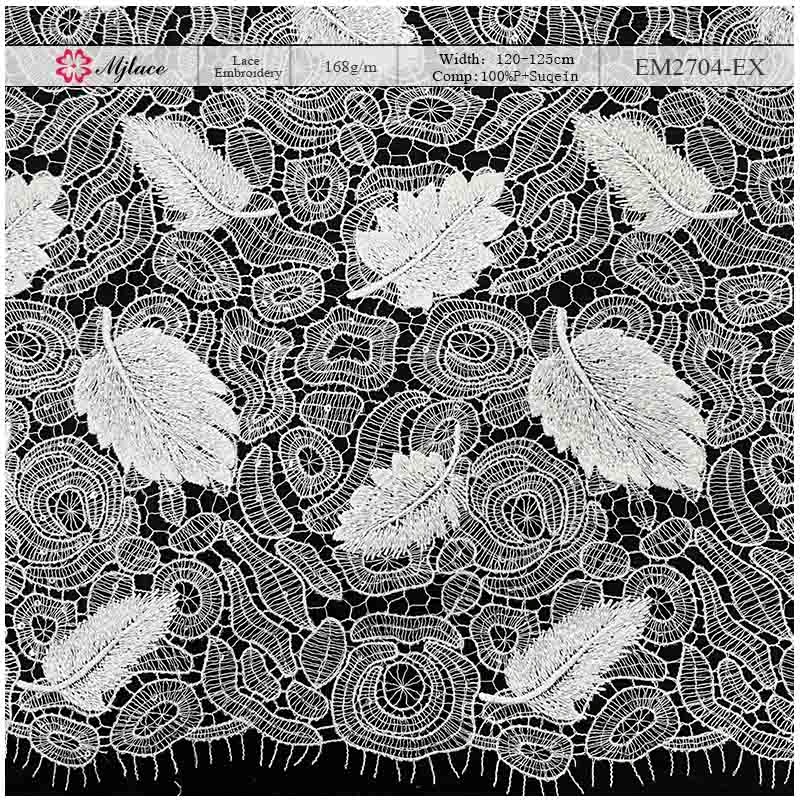
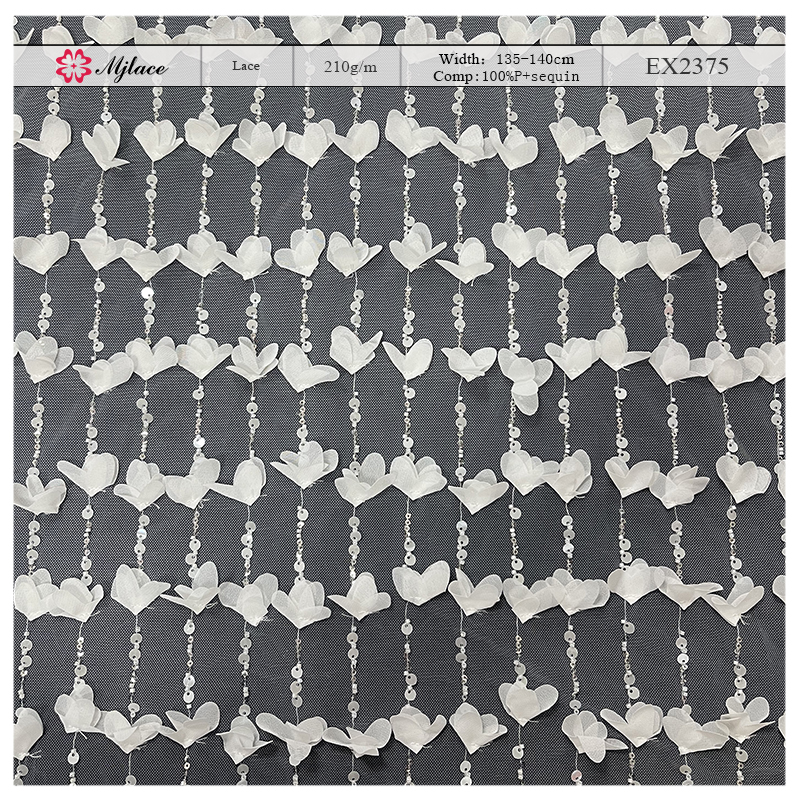
Sequin Lace Fabric
Advantages:
-
Sparkling effect
-
Suitable for evening lighting
-
Creates luxury appearance
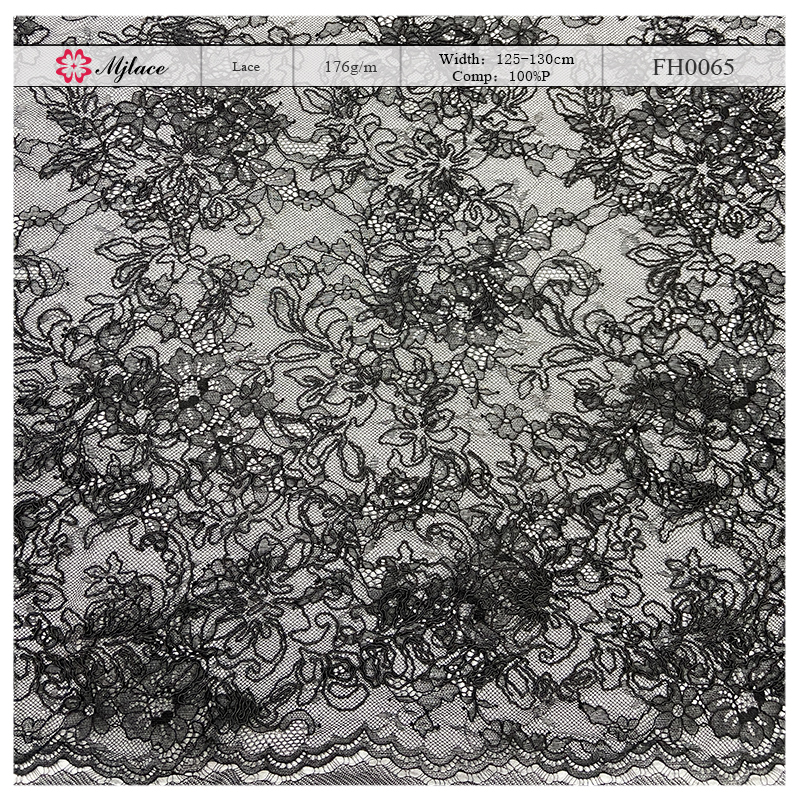
Stretch Lace
Advantages:
-
Comfortable fitting
-
Suitable for body-conscious designs
Luxury Fashion Collections
Many designer brands integrate lace into seasonal collections.
Examples:
-
Spring/Summer collections
-
Resort collections
-
Haute couture collections
Lace can be combined with:
-
Leather
-
Denim
-
Mesh
-
Satin
-
Knit fabrics
to create innovative fashion expressions.
For fashion brands sourcing from China, working with a manufacturer capable of combining different techniques is a major advantage.
A professional supplier can provide:
-
Lace knitting
-
Embroidery
-
Printing
-
Sequin decoration
-
Beading. Explore crystal elegance bead sequin fabric.
-
Laser cutting. See laser embroidery.
under one supply chain.
Applications of China Lace Fabric in Lingerie and Intimate Apparel
Lingerie is one of the traditional application fields of lace.
The softness, elasticity, and decorative appearance of lace make it an ideal material for intimate apparel brands.
Common products include:
-
Bras
-
Panties
-
Bodysuits
-
Sleepwear
-
Lingerie sets
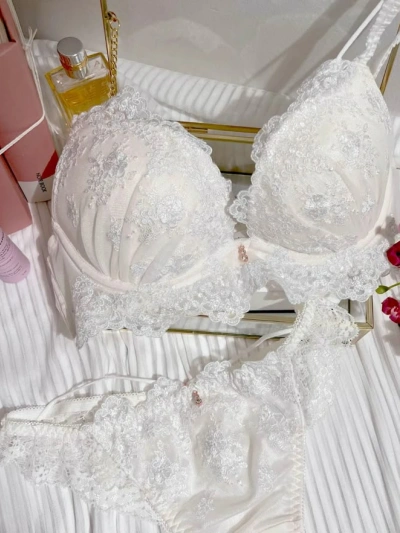
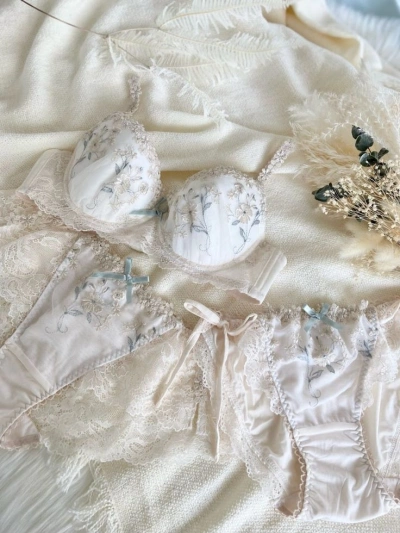
Stretch Lace for Lingerie
Stretch lace is widely used because it provides:
-
Comfortable wearing experience
-
Better body adaptation
-
Attractive appearance
Typical compositions include:
-
Nylon
-
Spandex
-
Polyester
-
Elastane blends
A reliable China lace fabric supplier can customize:
-
Elasticity level
-
Pattern density
-
Transparency
-
Weight
-
Softness
according to brand requirements.
Luxury Lingerie Collections
Premium lingerie brands often require specialized lace.
Common choices:
-
Floral lace
-
Eyelash lace
-
Soft Chantilly lace
-
Embroidered lace
These materials enhance:
-
Brand identity
-
Product differentiation
-
Consumer perception
For high-end lingerie brands, fabric quality directly affects customer loyalty.
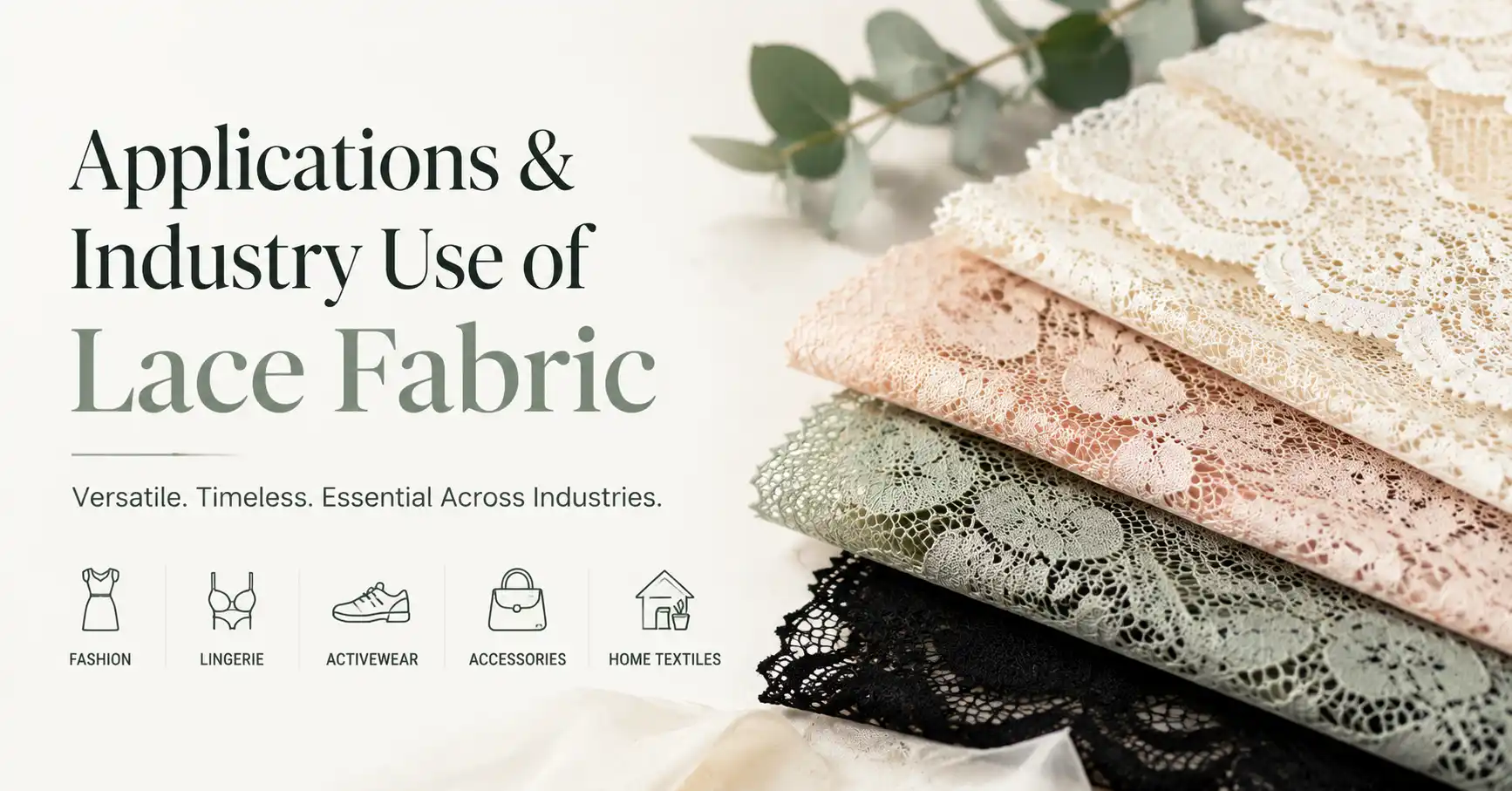
China Lace Fabric Applications in Home Textile and Decoration
Although lace is traditionally associated with fashion, its applications have expanded into home textiles.
Modern interior designers use lace to create elegant and decorative spaces.
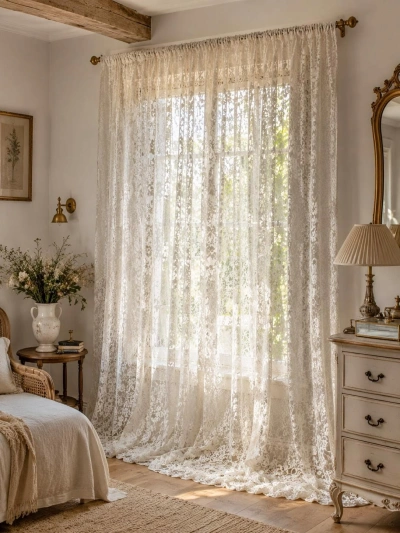
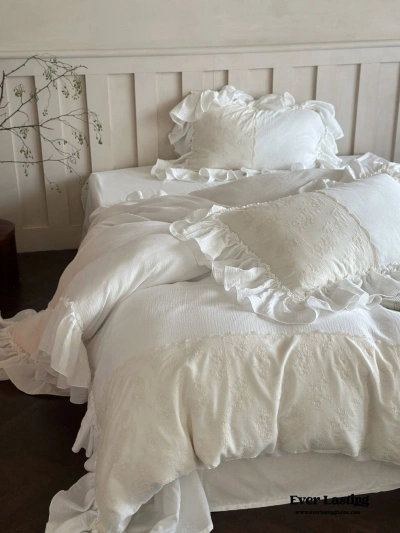
Applications include:
Curtains
Lace curtains provide:
-
Privacy
-
Natural light diffusion
-
Decorative effects
Table Decoration
Used for:
-
Table runners
-
Wedding decoration
-
Event styling
Home Accessories
Including:
-
Cushion covers
-
Decorative panels
-
Craft products
The development of customized lace production has allowed designers to explore more creative applications.
Selecting Lace Fabric According to Product Requirements
Different applications require different lace characteristics.
Fashion brands should evaluate several factors before sourcing.
Fabric Structure
The structure determines:
-
Appearance
-
Durability
-
Application suitability
Common lace structures:
Stretch Lace
Best for:
-
Lingerie
-
Body-fitting dresses
-
Comfortable apparel
Non-Stretch Lace
Best for:
-
Wedding dresses
-
Decorative applications
-
Structured garments
Embroidered Lace
Best for:
-
Luxury fashion
-
Bridal gowns
-
Premium collections
Pattern Design
Pattern selection influences brand identity.
Popular lace patterns include:
-
Floral
-
Geometric
-
Abstract
-
Botanical
-
Vintage patterns
For custom collections, brands often require:
-
Exclusive patterns
-
Modified designs
-
Private molds
Experienced China lace manufacturers usually provide OEM and ODM services to support these requirements.
Fabric Finishing Options
Modern lace production includes various finishing techniques.
Examples:
Printing
Used to create:
-
Gradient colors
-
Artistic patterns
-
Seasonal designs
Hot Stamping
Creates:
-
Metallic effects
-
Luxury appearance
Flocking
Adds:
-
Soft texture
-
Three-dimensional feeling
Beading and Sequins
Used for:
-
Bridal gowns
-
Evening dresses
-
Luxury fashion
Why Global Brands Choose China Lace Fabric Suppliers
China has become one of the world's major lace production centers because of its complete textile supply chain.
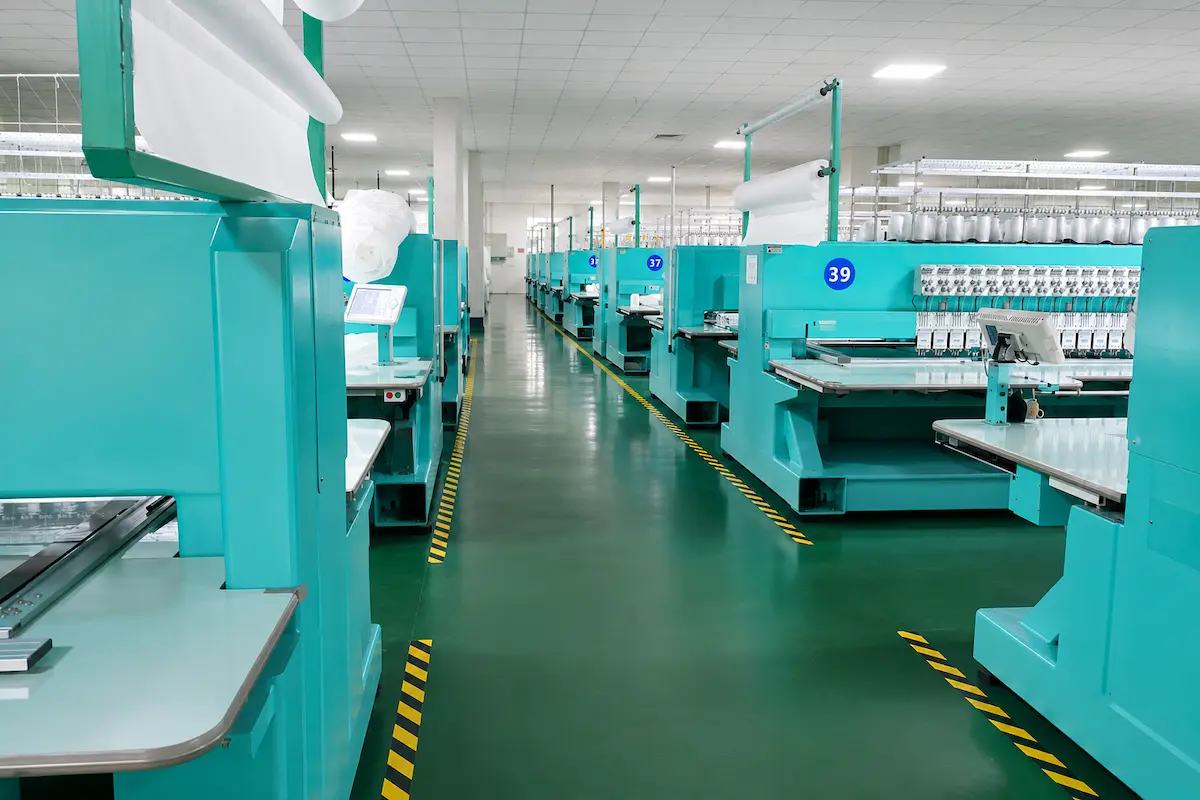
Advantages include:
Advanced Manufacturing Capability
Chinese lace manufacturers have invested heavily in:
-
Lace knitting machines
-
Embroidery equipment
-
Digital pattern systems
-
Quality control technology
Custom Development Ability
Compared with stock suppliers, manufacturers can provide:
-
Custom patterns
-
Custom colors
-
Small trial production
-
Bulk production. Explore customized processes.
This is especially important for fashion brands launching seasonal collections.
Competitive Production Efficiency
China's integrated textile industry allows suppliers to manage:
-
Yarn sourcing
-
Fabric production
-
Dyeing
-
Finishing
-
Packaging
within one supply chain.
This helps reduce:
-
Production time
-
Communication costs
-
Supply risks
Understanding the Manufacturing Process of China Lace Fabric
For international fashion brands, understanding how China lace fabric is manufactured can help buyers evaluate supplier capabilities and make better sourcing decisions.
Although lace appears delicate and artistic, producing high-quality lace fabric requires advanced machinery, professional technical knowledge, and strict quality control throughout the entire process.
A reliable China lace fabric manufacturer usually manages the complete production process, including:
-
Yarn selection
-
Pattern development. Learn about pattern design development.
-
Lace knitting or embroidery
-
Dyeing and finishing. See dyeing and color matching.
-
Quality inspection. Learn about quality control standards.
-
Packing and delivery
Each step directly affects the final appearance, durability, and performance of lace fabric.
Yarn Selection for Lace Production
The first step in lace manufacturing is selecting suitable yarn materials.
Different applications require different yarn characteristics.
Common materials include:
Nylon Lace Fabric
Nylon is one of the most widely used materials for lace production.
Advantages:
-
High strength
-
Smooth surface
-
Good elasticity
-
Excellent durability
Common applications:
-
Lingerie
-
Fashion dresses
-
Stretch lace
Polyester Lace Fabric
Polyester lace is popular because of:
-
Cost efficiency
-
Color stability
-
Easy maintenance
Applications:
-
Fashion garments
-
Decorative lace
-
Mass production collections
Spandex Blended Lace
Spandex is added when elasticity is required.
Common applications:
-
Body-fitting dresses
-
Active fashion
-
Intimate apparel
The percentage of spandex influences:
-
Stretch recovery
-
Comfort
-
Garment fitting
Lace Pattern Development
Pattern development is one of the most important stages in lace manufacturing.
For fashion brands, lace patterns are not only decorative elements but also part of brand identity.
A professional lace manufacturer usually provides:
Standard Lace Patterns
Including:
-
Floral designs
-
Geometric patterns
-
Botanical motifs
-
Vintage-inspired designs
Suitable for:
-
Ready-to-wear collections
-
Standard fashion products
Custom Lace Pattern Development
For premium brands, suppliers often develop exclusive patterns based on:
-
Designer sketches
-
Reference samples
-
Market trends
-
Brand concepts
The development process usually includes:
-
Design analysis
-
Digital pattern creation
-
Sample production
-
Customer approval
-
Bulk manufacturing
This service is especially important for:
-
Bridal designers
-
Luxury fashion brands
-
Private label companies
Lace Knitting and Embroidery Production
Different lace types require different production technologies.
Raschel Lace Knitting
Raschel machines are commonly used for producing:
-
Stretch lace
-
Lace fabric rolls
-
Lace trims. See lace trim.
Advantages:
-
High production efficiency
-
Consistent quality
-
Large-scale production capability
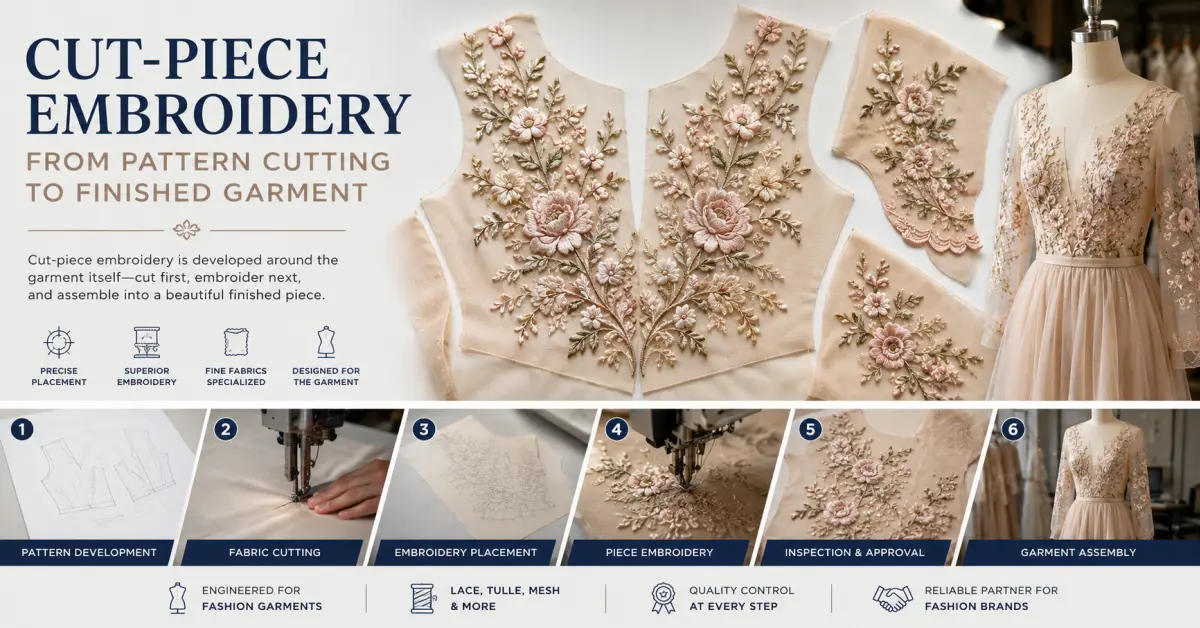
Embroidery Lace Production
Embroidery lace requires additional craftsmanship.
Production includes:
-
Base fabric preparation
-
Embroidery pattern setting
-
Thread embroidery
-
Cutting
-
Finishing
Applications:
-
Bridal lace
-
Heavy embroidery lace
-
Luxury fashion fabrics
Water Soluble Embroidery Lace
Water soluble lace is widely used in high-end fashion. See water-soluble embroidery.
The process involves:
-
Embroidering patterns on water-soluble backing
-
Removing backing material through washing
-
Creating independent lace structures
Advantages:
-
Three-dimensional appearance
-
Complex designs
-
Premium handmade feeling
Common applications:
-
Wedding dresses
-
Couture garments
-
Luxury collections
Dyeing and Finishing Process
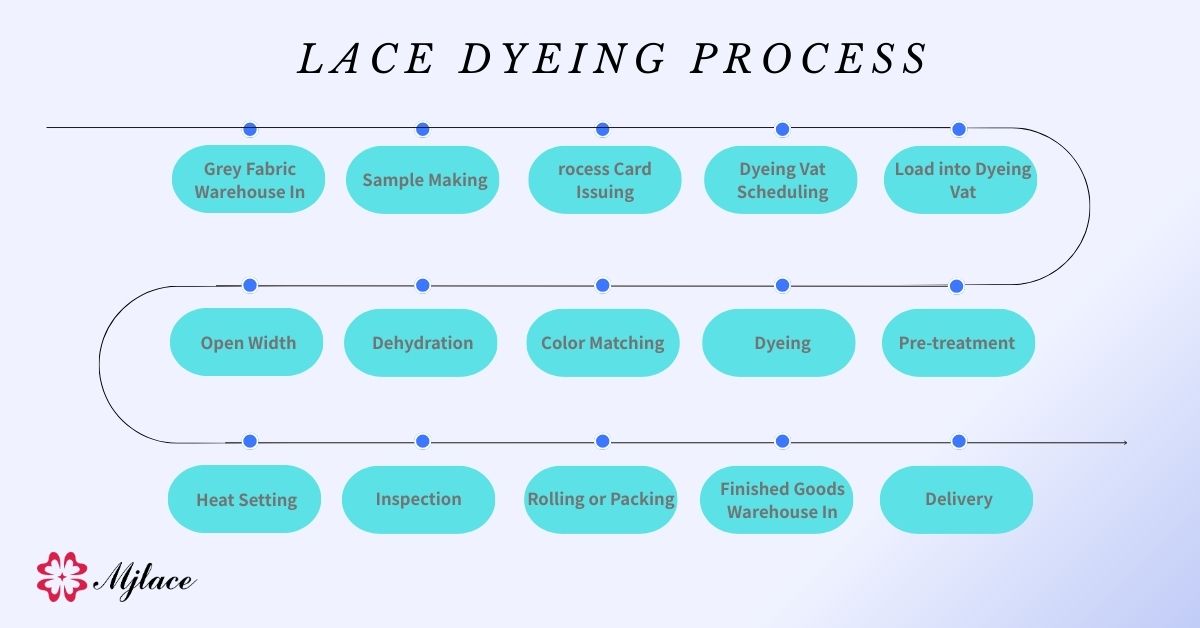
After lace production, fabric usually requires professional finishing.
Dyeing determines:
-
Final color appearance
-
Color consistency
-
Fabric performance
Popular colors include:
-
White
-
Ivory
-
Black
-
Nude
-
Pastel colors
-
Custom Pantone colors
For international buyers, color accuracy is extremely important.
A professional supplier should provide:
-
Lab dip confirmation
-
Color matching service
-
Production color control
Special Lace Finishing Techniques
Modern fashion brands often require additional effects.
China lace fabric manufacturers provide various finishing options.
Printing Lace
Creates:
-
Floral effects
-
Gradient colors
-
Artistic patterns
Suitable for:
-
Fashion collections
-
Seasonal designs
Hot Stamping Lace
Adds metallic effects such as:
-
Gold
-
Silver
-
Shimmer finishes
Used for:
-
Eveningwear
-
Luxury garments
Sequin Lace
Combines lace with decorative sequins.
Features:
-
High shine
-
Luxury appearance
-
Strong visual impact
Applications:
-
Party dresses
-
Bridal gowns
-
Stage costumes
Quality Control Standards for China Lace Fabric
For global fashion brands, quality consistency is one of the most important factors when selecting a lace supplier.
A professional China lace fabric manufacturer should have a complete quality control system.
Raw Material Inspection
Before production begins, manufacturers should check:
-
Yarn quality
-
Color consistency
-
Elasticity
-
Strength
Poor-quality yarn can cause:
-
Fabric breakage
-
Uneven texture
-
Color differences
Fabric Appearance Inspection
During and after production, inspectors check:
-
Pattern accuracy
-
Surface defects
-
Missing embroidery
-
Broken threads
-
Uneven density
For lace products, small defects can significantly affect garment appearance.
Color Inspection
Color control is essential for international orders.
Quality teams usually evaluate:
-
Color matching
-
Batch consistency
-
Light fastness
Professional suppliers provide:
-
Color approval samples
-
Production references
-
Inspection reports
Size and Specification Control
Before shipment, manufacturers check:
-
Fabric width
-
Roll length
-
Weight
-
Stretch percentage
This ensures compatibility with garment production.
How to Source China Lace Fabric for International Fashion Brands
Finding a suitable lace supplier requires more than comparing prices.
Professional buyers should evaluate several important factors.
Check Manufacturer Experience
Experience is a strong indicator of production capability.
A reliable supplier should have:
-
Years of lace manufacturing experience
-
Professional technical team
-
Stable production facilities
-
International export experience
For example, experienced manufacturers understand:
-
European fashion requirements
-
American market preferences
-
International quality standards
Evaluate Product Range
A complete lace supplier should offer multiple categories.
Including:
-
Stretch lace fabric
-
Non-stretch lace
-
Embroidered lace
-
Bridal lace
-
Chantilly lace
-
Eyelash lace trim
-
Jacquard lace
A wider product range allows brands to develop multiple collections with one supplier.
Request Samples Before Bulk Production
Sampling is an essential step in lace sourcing.
Professional buyers usually evaluate:
-
Fabric hand feeling
-
Pattern accuracy
-
Color
-
Elasticity
-
Transparency
-
Sewing performance
For customized lace fabric, sampling helps avoid production risks.
Understand MOQ Requirements
Different lace products have different minimum order quantities.
Typical examples:
Lace Fabric
New development MOQ:
-
Around 3000–5000 meters
Sampling:
-
Approximately 20–25 days
Bulk production:
-
Usually 35–40 days
Embroidery Lace
MOQ:
-
Around 300–500 meters per color
Sampling:
-
Approximately 8–10 days
Bulk production:
-
Usually 18–20 days
These requirements may vary depending on:
-
Pattern complexity
-
Material selection
-
Production method
Why Meijara Textile Is a Reliable China Lace Fabric Manufacturer
For fashion brands searching for a long-term lace supplier, choosing a manufacturer with both production capability and customization experience is essential.
Meijara Textile specializes in lace fabric manufacturing and provides solutions for:
-
Fashion brands
-
Bridal designers
-
Garment manufacturers
-
Textile wholesalers
With extensive lace production experience, the company focuses on:
Customized Lace Development
Including:
-
Pattern customization
-
Color development
-
Fabric modification
-
OEM production
Wide Product Portfolio
Products include:
-
Stretch lace fabric
-
Embroidered lace fabric
-
Bridal lace
-
Eyelash lace trim
-
Jacquard lace
-
Chemical lace
-
Heavy embroidery lace. Explore cord embroidery.
Professional Production Support
From initial concept to final delivery, manufacturers can support:
-
Design development
-
Sample approval
-
Bulk production
-
Quality inspection
-
Export packaging. Explore cut piece and processing.
Frequently Asked Questions About China Lace Fabric
What is China lace fabric?
China lace fabric refers to lace materials produced by manufacturers in China, including knitted lace, embroidered lace, bridal lace, stretch lace, and decorative lace fabrics.
China has become one of the world's major lace production centers due to its advanced textile technology, complete supply chain, and customization capabilities.
Why do fashion brands source lace fabric from China?
Fashion brands choose China lace fabric because suppliers can provide:
-
Competitive pricing
-
Custom designs
-
Large production capacity
-
Wide product selection
-
Professional OEM services
China manufacturers can support both small development projects and large-scale production orders.
How do I choose a reliable China lace fabric manufacturer?
When selecting a supplier, buyers should evaluate:
-
Manufacturing experience
-
Product quality
-
Custom development ability
-
Production capacity
-
Export experience
-
Quality control system
A reliable supplier should provide samples before bulk production.
What types of lace fabric can be customized?
Most professional lace manufacturers can customize:
-
Patterns
-
Colors
-
Fabric composition
-
Elasticity
-
Embroidery designs
-
Surface finishing
Customization allows brands to create unique collections.
What industries use China lace fabric?
China lace fabric is widely used in:
-
Women's fashion
-
Bridal industry
-
Eveningwear
-
Lingerie
-
Luxury fashion
-
Home decoration
What is the MOQ for China lace fabric?
MOQ depends on product type.
Generally:
-
Lace fabric development: 3000–5000 meters
-
Embroidery lace: 300–500 meters per color
For existing stock designs, MOQ may be lower.
Ready to source China lace fabric for your fashion or bridal collection? Visit our homepage to explore our products or contact us for inquiries. You may also submit an inquiry for custom pricing.