
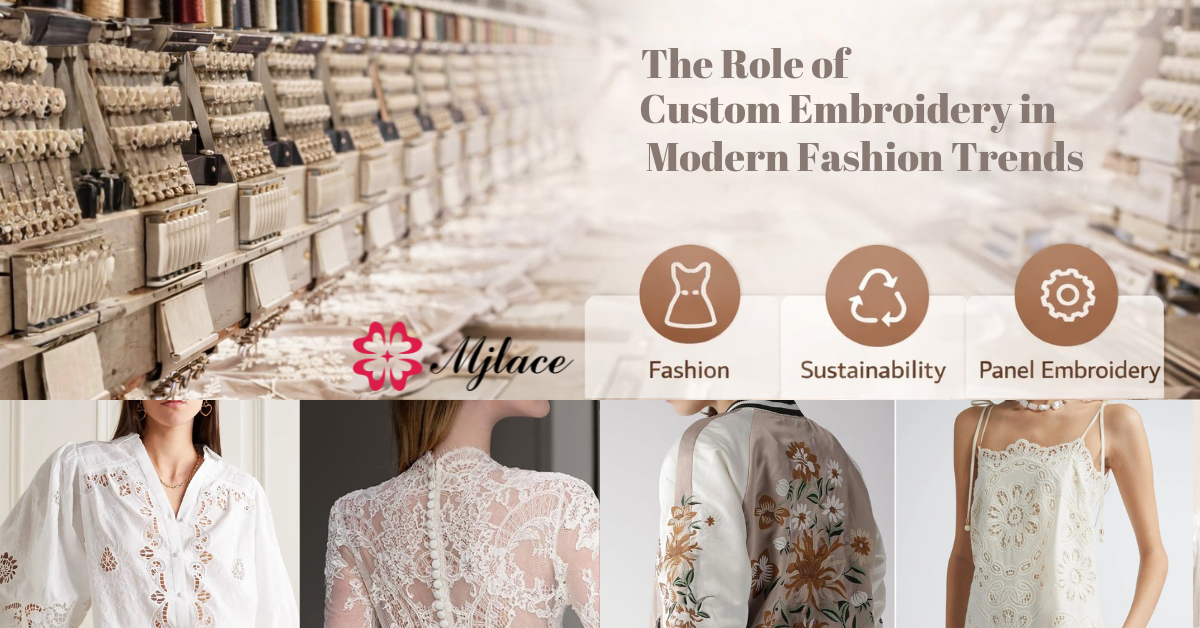

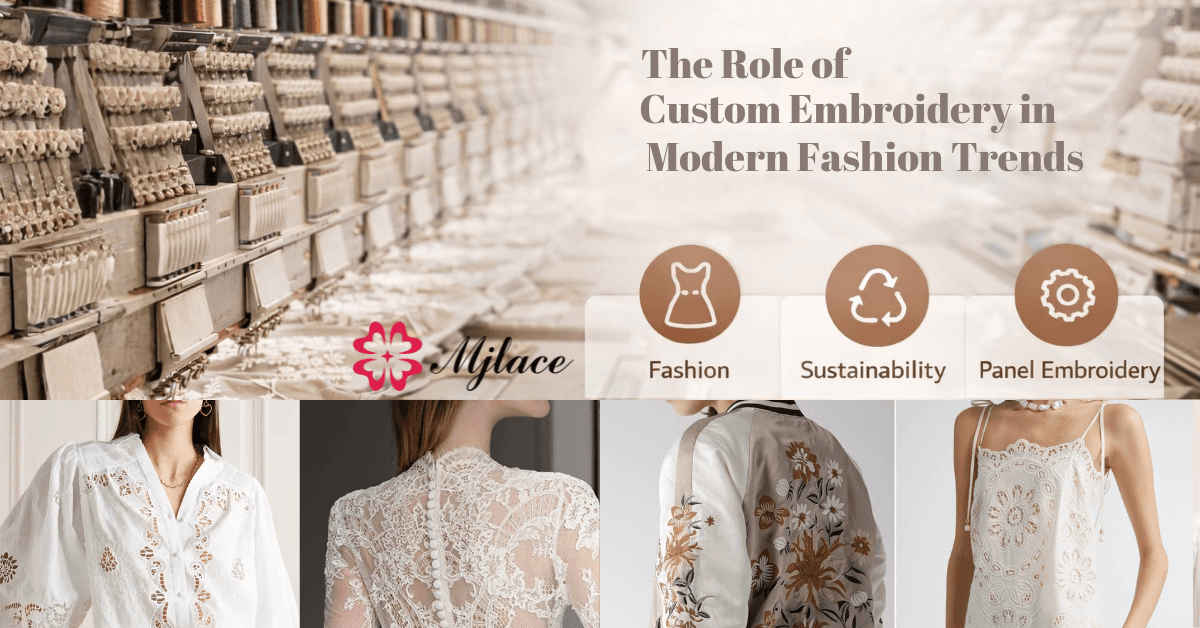
In today's rapidly evolving fashion industry, where brand image is more important than ever, bespoke embroideryhas become a powerful design and manufacturing tool. Embroidery is no longer limited to traditional decorative uses, but plays a central role in shaping silhouettes, reinforcing brand stories, and supporting sustainable production strategies.
From fashion shows to ready-to-wear, bespoke embroidery helps brands stand out in a competitive market—offering personalization, exquisite craftsmanship, and creative freedomthat mass production simply cannot provide.
This article explores how custom embroidery is shaping modern fashion trends, why it is becoming increasingly popular, and how apparel brands and manufacturers are leveraging it for creative and commercial advantages.
Custom embroidery as a modern design language
Embroideryhas evolved from a decorative craft into a design languageused to convey brand values, heritage, and creativity.
From decoration to identity
Modern designers use embroidery techniques to:
-
Highlight the brand logo and signature
-
Incorporating story elements into clothing
-
Creating a visual focal point in minimalist design
-
Combining traditional and modern aesthetics
Unlike prints, embroidery can add texture and three-dimensionality, making clothing visually richer and more delicate to the touch.
Why is customization so important in today's fashion market?
Consumers are increasingly seeking personalized, limited-edition, and meaningful products. Custom embroidery perfectly meets this demand.
Key Drivers Behind the Custom Embroidery Trend
-
The desire for uniqueness and exclusivity
-
Shift to small-batch production
-
The development of niche and independent fashion brands
-
The value of craftsmanship is increasing day by day
-
Fashion cycles are shortening and trends are changing faster.
Custom embroidery allows brands to respond quickly to trends without the need for mass production.
The impact of custom embroidery on fashion categories
Custom embroideryhas expanded into multiple fashion sectors, each embracing it in different ways.
Ready-to-wear fashion
In contemporary ready-to-wear collections, embroidery is often used for:
-
Enhance basic silhouette
-
Add some subtle branding elements
-
High-end details can be created without excessive embellishment.
Simple-style clothing, adorned with clever embroidery, is especially popular.
High-end and designer fashion
Luxury brands and designer brands use custom embroidery to:
-
Display Technology
-
Introducing complex patterns and textures
-
Strengthen brand storytelling
Embroidery often appears on collars, cuffs, lapels, and decorative pieces, which can enhance the quality of clothing without overshadowing it.
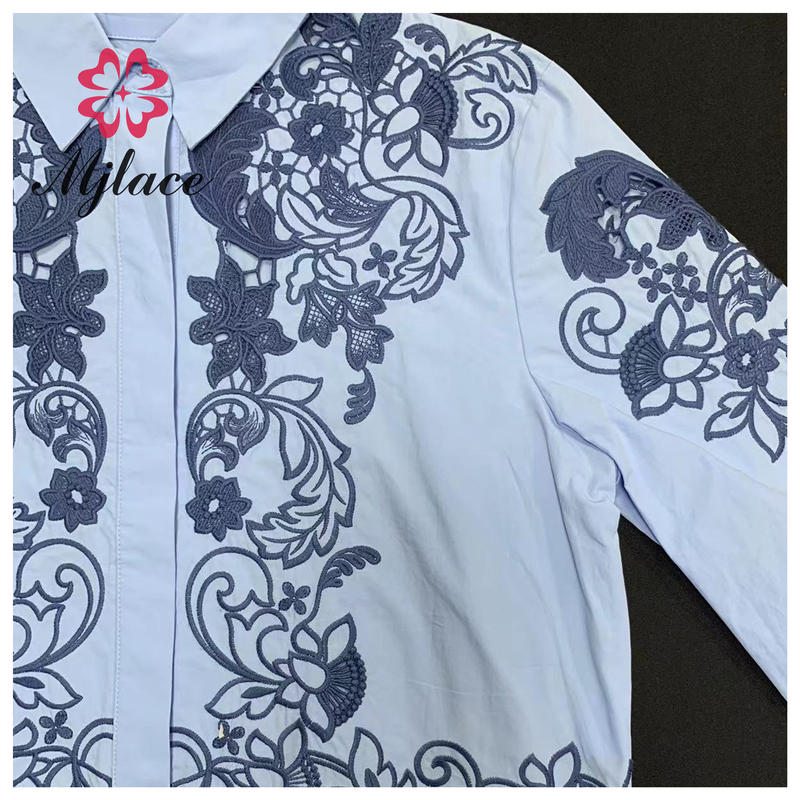
Wedding dresses and evening gowns
Custom embroideryremains crucial in wedding dress fashion for the following reasons:
-
Floral patterns symbolize romance
-
Lace embroidery creates a sense of layering and elegance.
-
Custom patterns can be used to make exclusive dresses.
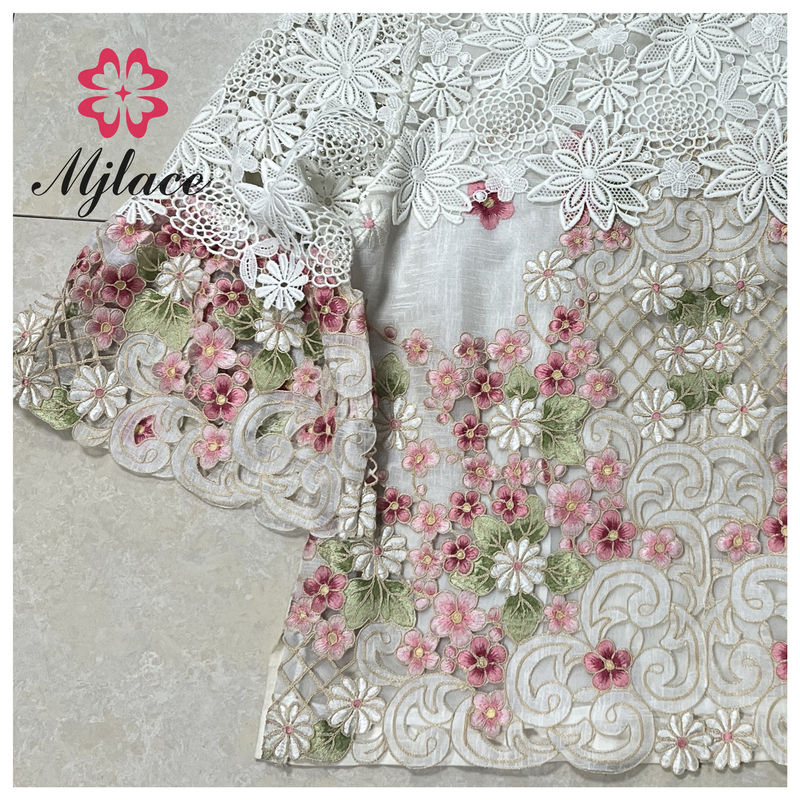
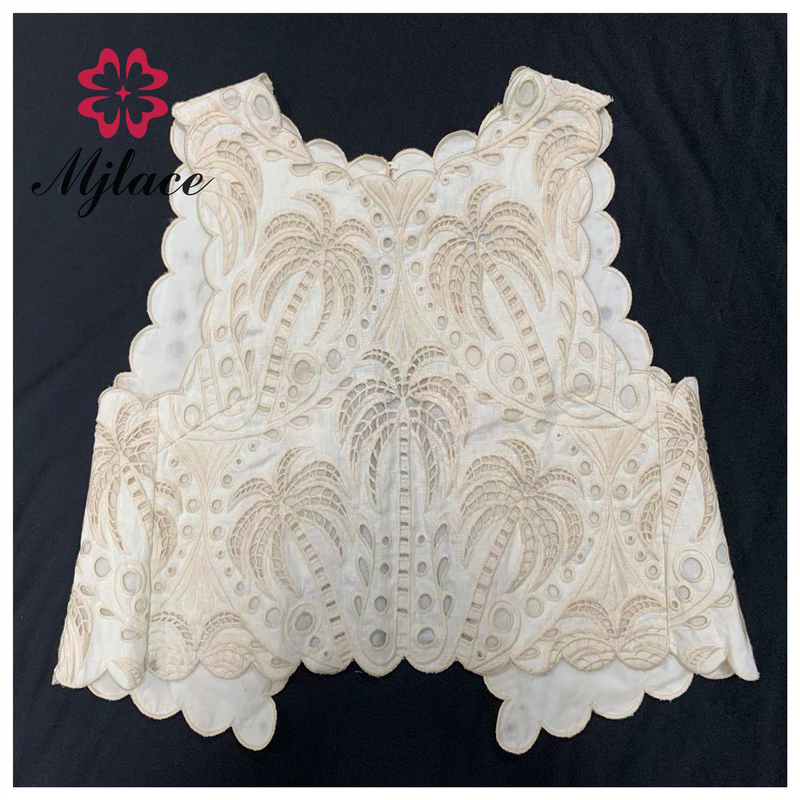
Precision embroidery techniques, such as patchwork, are widely used for precise pattern positioning.
Streetwear and Youth Fashion
Streetwear brands are increasingly using embroidery techniques:
-
Logos and badges
-
Eye-catching graphic declaration
-
Limited Edition
Embroidery adds durability and texture, perfectly aligning with the aesthetic principles of streetwear.
The Rise of Embroidery Patterns in Fashion Trends
One of the most important changes in embroidery techniques isthe increasing popularity of piece embroidery (cut-piece embroidery) .
Why is panel embroidery so popular?
-
Precise embroidery placement
-
Reduce fabric waste
-
Designers have greater flexibility
-
Better integration with garment production
The patchwork embroidery technique allows brands to embroider only the desired areas of the garment, thus balancing creativity and efficiency.
Sustainability and Custom Embroidery
Sustainabilityis a key trend in modern fashion, and custom embroidery has made positive contributions in many ways.
How embroidery can contribute to sustainable fashion
-
Reduce fabric waste by using patchwork embroidery.
-
Reduce overproduction through small-batch customization
-
Higher perceived value leads to a longer garment lifespan.
-
Encouraging slow fashion practices
Customized embroidery perfectly aligns with the concept of eco-friendly fashion.
The role of technology in modern embroidery
Advances in embroidery techniques have changed the way brands use embroidery.
Modern Embroidery Innovation
-
Automated multi-head embroidery machine
-
3D embroidery technology
-
The combined use of embroidery and lace
These technologies enable high precision, repeatability, and scalability, allowing more brands to enjoy customized embroidery services.
Custom embroidery as a tool for brand differentiation
In the highly competitive fashion market, embroidery helps brands:
-
Stand out visually
-
Build recognizable design elements
-
Build an emotional connection with consumers
Even the smallest embroidery details can make a garment more memorable and distinctive.
Challenges and Considerations
While custom embroidery has many advantages, it requires careful planning.
Key considerations
-
The placement of the embroidery must conform to the structure of the garment.
-
The stitch density should match the fabric type.
-
Communication between designers and manufacturers is crucial.
-
Sampling is crucial before mass production.
Partnering with an experienced embroidery supplier can minimize risk.
Future Trends in Custom Embroidery
Looking ahead, custom embroidery is expected to:
-
Play a greater role in the on-demand fashion sector
-
Integration with smart textiles
-
Combining traditional technologies with digital innovation
-
Supports highly customized clothing experiences
As fashion becomes increasingly personalized and sustainable, embroidery will remain one of the core design solutions.
Final words
Custom embroidery is no longer just a decorative technique; it has become a strategic element in modern fashion design and production. With its flexibility, exquisite craftsmanship, and sustainability, custom embroidery enables brands to maintain a distinctive visual identity while adapting to ever-changing trends.
For fashion brands, designers, and apparel manufacturers, the adoption of custom embroidery—especially techniques like panel embroidery—opens up new possibilities for innovation, efficiency, and creative expression.