

From Precision Engineering to Premium Textile Performance
In the modern lace industry, quality is no longer defined by appearance alone. Today’s global fashion brands demand lace fabrics that deliver visual consistency, structural stability, production reliability, and scalability—all without sacrificing design sophistication.
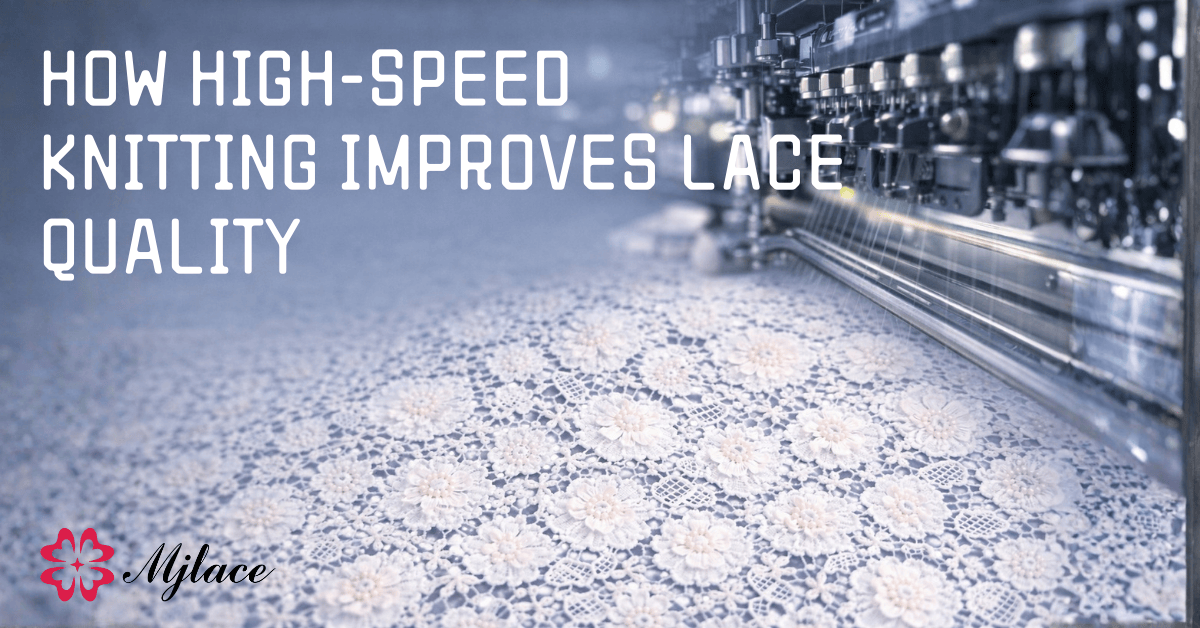
One of the most transformative technologies enabling this shift is high-speed knitting. Once viewed simply as a way to increase output, high-speed knitting has evolved into a quality-driven manufacturing approach that directly impacts lace texture, durability, repeat accuracy, and overall fabric performance.
At mjlace, high-speed knitting is not just about speed—it is a controlled, precision-based process designed to elevate lace quality at every level.
This article explores how high-speed knitting improves lace quality, why it matters for designers and sourcing teams, and how it supports consistent, scalable lace production for modern fashion brands.
Understanding High-Speed Knitting in Lace Production
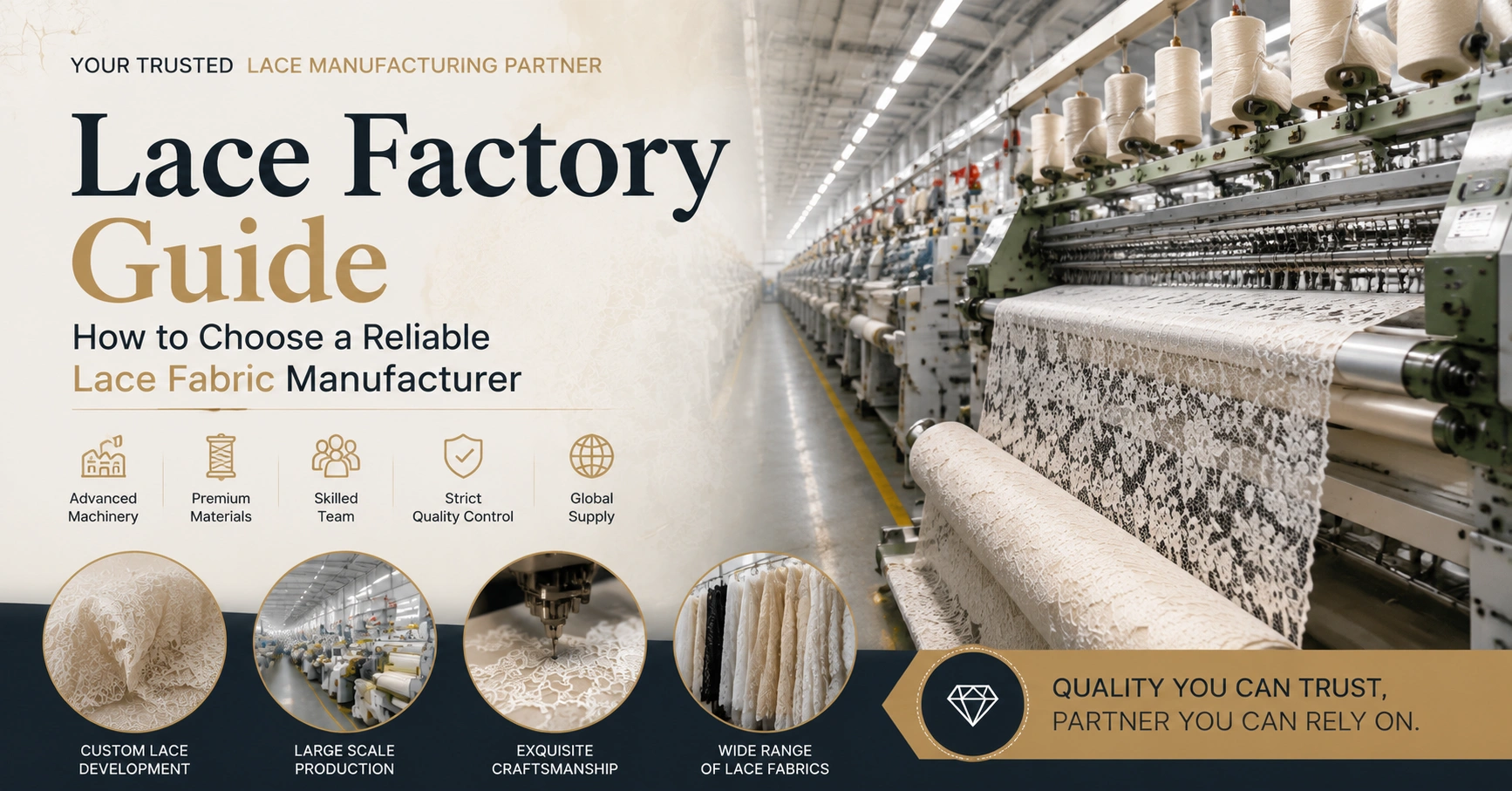
High-speed knitting refers to lace production using advanced warp knitting and weft knitting machines capable of operating at significantly higher rotations per minute while maintaining precise stitch control.
Key Machine Types Used in Lace Knitting
-
Raschel machines – for structured lace and wide-width fabrics
-
Tricot machines – for fine, lightweight lace with smooth surfaces
-
Electronic jacquard systems – for complex pattern control
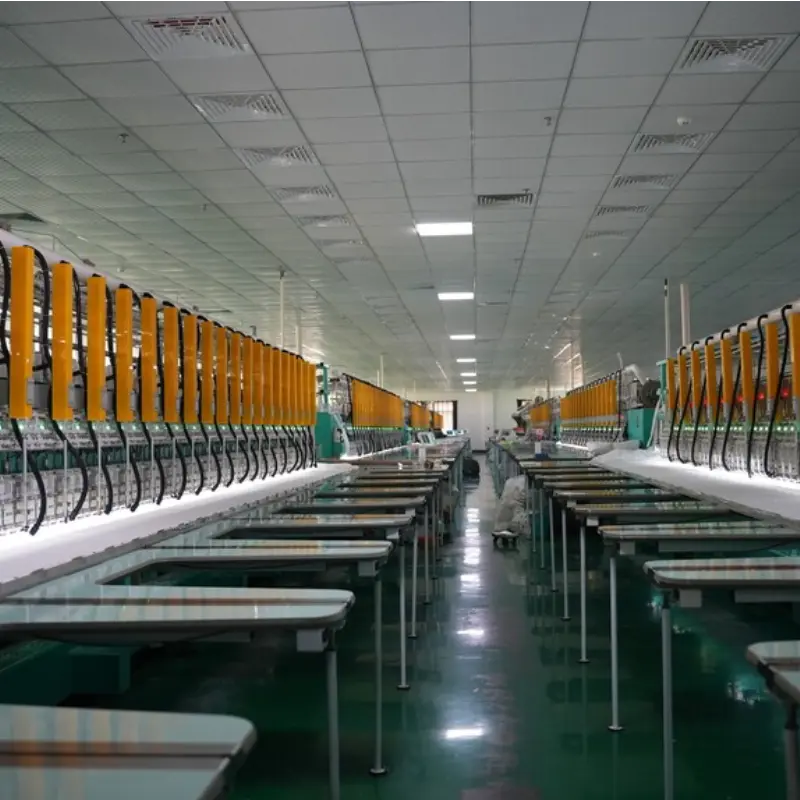
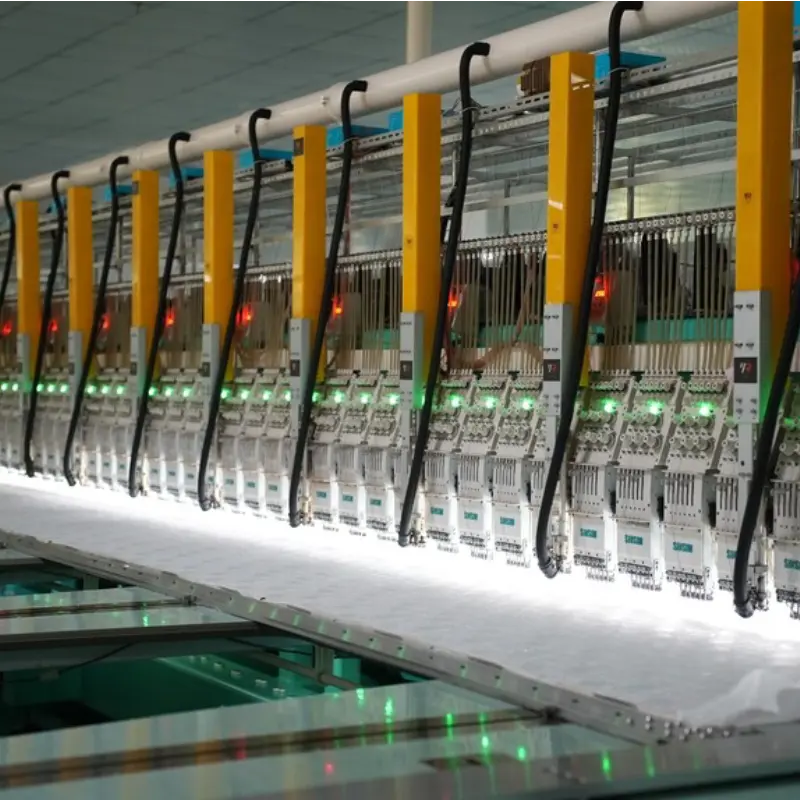
High-speed machines combine electronic pattern programming, advanced yarn tension systems, and real-time monitoring, allowing lace to be produced faster without compromising stitch accuracy.
Why Speed Alone Does Not Equal Quality
A common misconception is that higher speed leads to lower quality. In reality, controlled high-speed knitting improves quality when supported by:
-
Precision-engineered needles and sinkers
-
Intelligent yarn feeding systems
-
Digitally optimized stitch patterns
-
Real-time error detection
At mjlace, speed is balanced with machine calibration and yarn-specific parameter settings, ensuring that faster production actually results in more uniform and reliable lace fabrics.
How High-Speed Knitting Enhances Lace Quality
Superior Stitch Consistency
At high speeds, modern knitting machines maintain extremely stable stitch formation, reducing:
-
Uneven loops
-
Yarn slack variations
-
Density inconsistency across fabric width
This leads to lace with clean edges, uniform motif definition, and repeat precision, especially critical for large-scale garment production.
Improved Pattern Accuracy and Repeat Control
Electronic jacquard control allows designs to be executed with pixel-level accuracy, even at high speeds.
Benefits include:
-
Precise motif alignment
-
Clean pattern repeats across long yardage
-
Reduced distortion in floral and geometric designs
For brands using lace in pattern-cut garments or panels, this accuracy minimizes cutting loss and improves visual consistency across finished pieces.
Enhanced Fabric Stability
High-speed knitting produces lace under stable mechanical tension, which improves:
-
Reduced shrinkage after finishing
-
Better shape retention in garments
This is especially important for:
-
Stretch lace
-
Panel lace
-
Lace used in structured silhouettes
mjlace tests stability across multiple finishing cycles to ensure lace performs reliably during garment manufacturing.
Cleaner Surface and Reduced Yarn Damage
Modern high-speed machines are engineered to reduce friction and yarn stress, resulting in:
-
Smoother lace surfaces
-
Less fuzzing and filament breakage
-
Improved yarn integrity in fine counts
This allows the use of delicate yarns such as fine polyamide, viscose blends, and specialty recycled fibers—without compromising durability.
Greater Design Freedom Without Sacrificing Quality
High-speed knitting enables:
-
Complex lace structures
-
Multi-layer effects
-
Variable stitch density in a single design
Designers can push creative boundaries while still maintaining production feasibility.
At mjlace, this allows us to support:
-
Brand-exclusive patterns
-
Seasonal design updates at scale
Quality Advantages for Different Lace Categories
Stretch Lace
High-speed knitting ensures:
-
Even elasticity
-
Controlled recovery
-
Consistent stretch ratio across width
Critical for lingerie, activewear, and body-conscious fashion.
Raschel Lace
High-speed raschel machines improve:
-
Structural clarity
-
Motif sharpness
-
Edge definition
Ideal for outerwear, denim accents, and statement fashion pieces.
Fine Tricot Lace
For lightweight and sheer lace:
-
Smooth hand feel
-
Minimal distortion
-
Elegant drape
Commonly used in bridalwear, blouses, and layered garments.
Production Efficiency That Protects Quality
High-speed knitting also improves quality indirectly by enhancing production control:
-
Shorter machine runtime reduces mechanical fatigue
-
Faster sampling allows quicker design validation
-
Reduced downtime minimizes batch variation
This results in higher consistency between production lots, a major concern for international buyers.
mjlace’s High-Speed Knitting Approach
At mjlace, high-speed knitting is integrated into a full quality-driven production system:
Customized Machine Settings
Each lace design is programmed with:
-
Yarn-specific tension profiles
-
Stitch density optimization
-
Speed calibration based on complexity
In-House Design & Sampling
Our design team works directly with production engineers to ensure:
-
Digital designs translate accurately to knitted lace
-
Samples reflect final production quality
-
Adjustments are made before bulk production
Quality Control at Every Stage
mjlace implements:
-
Inline inspection during knitting
-
Post-finishing dimensional testing
-
Batch consistency verification
This ensures that high-speed production never compromises fabric integrity.
Benefits for Brands and Buyers
For Designers
-
Reliable execution of complex designs
-
Creative freedom with scalable results
For Sourcing Teams
-
Consistent quality across bulk orders
-
Reduced risk of production defects
-
Stable lead times
For Brands
-
Improved garment quality
-
Reduced returns and quality claims
-
Stronger product differentiation
Sustainability and Waste Reduction
High-speed knitting contributes to sustainability by:
-
Reducing yarn waste through precise stitch control
-
Lowering defect rates
-
Optimizing energy use per meter of lace produced
mjlace continuously invests in energy-efficient machinery and process optimization, aligning quality improvement with responsible manufacturing.
Choosing a Lace Supplier with High-Speed Knitting Expertise
When evaluating suppliers, buyers should ask:
-
Are machine speeds matched to design complexity?
-
Is quality monitored in real time?
-
Can the supplier maintain consistency at scale?
-
Do they offer design and development support?
mjlace combines advanced high-speed knitting technology with deep lace development expertise, making us a trusted partner for brands seeking both innovation and reliability.
Final Thoughts
High-speed knitting is no longer just a productivity tool—it is a quality enabler.
When executed with precision, technical expertise, and strict quality control, high-speed knitting delivers lace fabrics that are:
-
More consistent
-
More stable
-
More visually refined
-
More scalable
At mjlace, high-speed knitting allows us to meet the evolving demands of global fashion brands—delivering lace that performs beautifully from concept to consumer.
If you are developing lace-intensive collections or sourcing premium lace at scale, understanding the role of high-speed knitting is essential—and choosing the right manufacturing partner makes all the difference.