

The Evolution of China Lace Fabric in Global Fashion
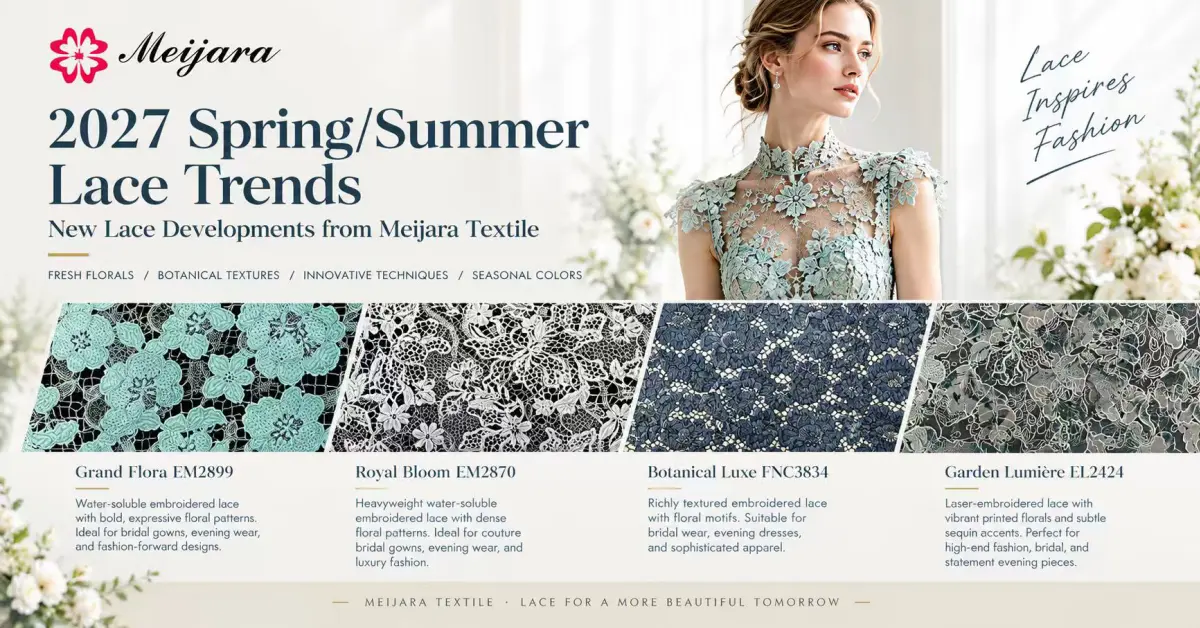
Lace fabric has always represented elegance, craftsmanship, and emotional value in fashion. From luxury bridal gowns to contemporary ready-to-wear collections, lace continues to evolve with changing consumer preferences, technological innovation, and global fashion trends.
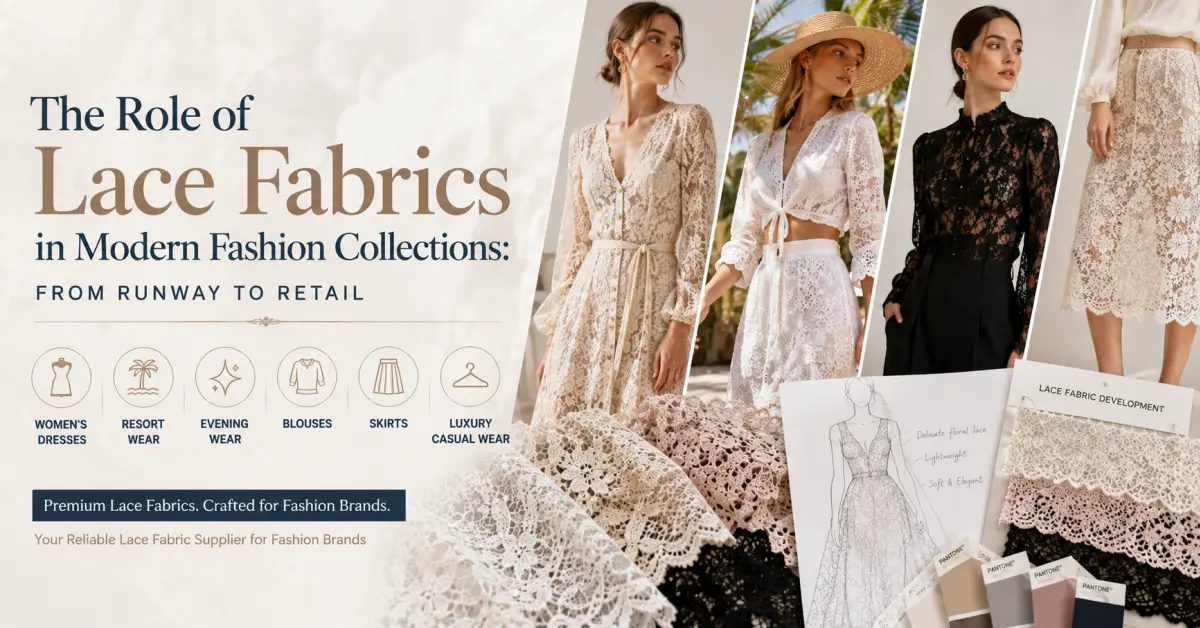
Entering 2026, the role of lace fabric is expanding beyond traditional decoration. Fashion brands are increasingly using lace as a core design element to create unique textures, visual identity, and premium product positioning.
As one of the world's major textile manufacturing hubs, China has become an important source for global lace fabric development. China lace fabric is widely used by international fashion brands, bridal designers, lingerie manufacturers, and garment producers because of its diverse designs, flexible customization capabilities, and competitive supply chain advantages.
The lace market in 2026 is expected to focus on several key directions:
-
More natural and sustainable materials
-
Soft luxury color palettes
-
Vintage-inspired patterns with modern interpretation
-
Customized lace development for brand identity
-
Combination of traditional craftsmanship and digital production technology
For fashion companies searching for reliable lace suppliers, understanding the upcoming China lace fabric trends 2026 can help designers make better sourcing decisions and develop collections that match future market demand.
The Global Market Direction of Lace Fabric in 2026
Lace Is Moving From Decoration to Brand Identity
In previous decades, lace was often considered an additional decorative material used mainly for wedding dresses, evening gowns, and lingerie.
However, modern fashion brands have changed this perception.
Today, lace fabric is increasingly becoming a signature element that defines a collection.
Luxury brands use lace to communicate:
-
Femininity
-
Craftsmanship
-
Romantic aesthetics
-
Heritage inspiration
-
Premium quality
Independent fashion labels especially rely on unique lace patterns to differentiate their products in competitive markets.
For example:
-
A bridal brand may develop exclusive floral lace for wedding collections. Explore bridal lace.
-
A fashion label may create custom lace overlays for seasonal collections.
-
A lingerie brand may use stretch lace with special patterns to enhance comfort and design.
This shift creates higher demand for custom lace fabric manufacturing rather than standard lace products.
China Lace Fabric Manufacturing Advantage in 2026
China remains one of the most important lace production regions globally due to its complete textile supply chain.
A professional China lace fabric manufacturer can provide:
-
Lace knitting
-
Jacquard lace development
-
Embroidery lace production
-
Sequin and bead embroidery. See sequins and beads embroidery.
-
Dyeing and color matching
-
Special finishing processes
-
Custom pattern development
Compared with traditional European lace production, Chinese manufacturers offer advantages in:
Faster Product Development
Fashion brands need shorter development cycles.
Professional Chinese lace suppliers can support:
-
Design adjustment
-
Sample production
-
Color modification
-
Bulk production
This allows brands to respond quickly to seasonal trends.
Flexible Customization
The demand for personalized materials continues increasing in 2026.
Brands are no longer satisfied with selecting existing lace designs.
They require:
-
Custom floral motifs
-
Exclusive jacquard patterns
-
Specific color shades
-
Different fabric structures
-
Special finishing effects
This makes OEM lace fabric development increasingly important. Learn about customized processes.
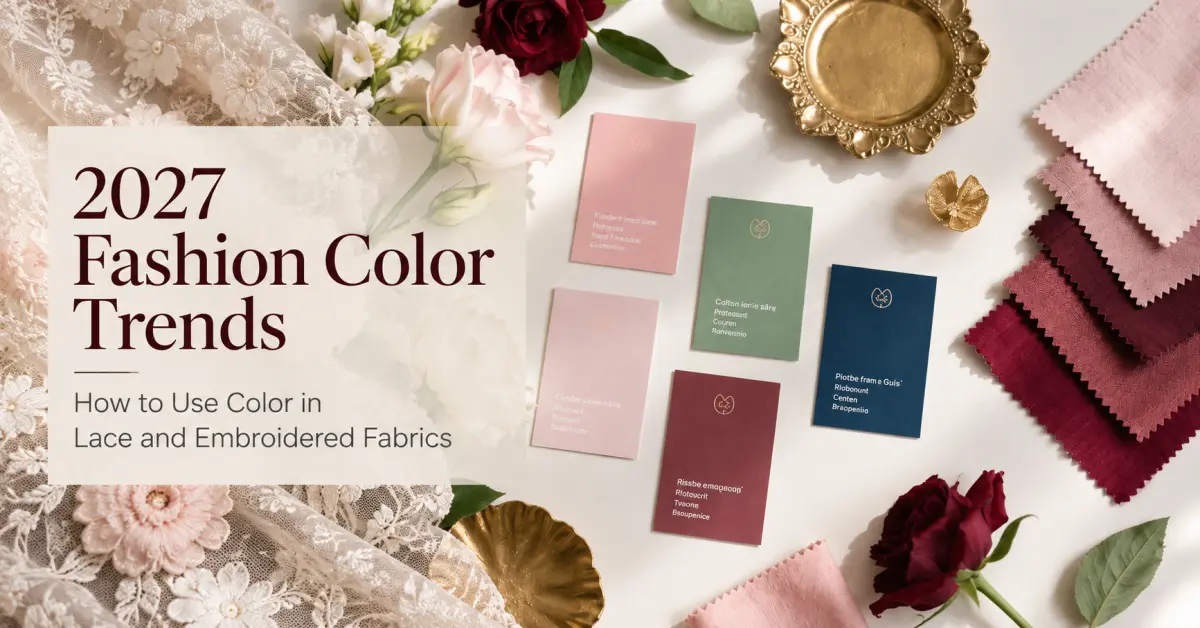
China Lace Fabric Color Trends 2026
Color is one of the most important factors influencing lace design direction.
In 2026, lace colors will move toward a combination of natural elegance, emotional expression, and premium minimalism.
Soft Neutral Tones: The New Luxury Palette
Neutral colors will continue dominating lace fabric collections.
Popular shades include:
-
Ivory
-
Champagne
-
Warm beige
-
Sand
-
Cream white
-
Nude tones
These colors are especially important in:
-
Bridal lace fabric
-
Evening dresses
-
Luxury womenswear
-
Premium lingerie
Unlike pure white, soft neutral tones create a warmer and more sophisticated appearance.
For bridal brands, ivory lace remains one of the most requested choices because it works well with different skin tones and wedding themes.
Why Neutral Lace Fabrics Are Popular Among Brands
Neutral colors provide several advantages:
Better Product Versatility
A single lace design can be applied to:
-
Wedding dresses
-
Veils
-
Formal dresses
-
Accessories
Longer Market Life
Unlike seasonal colors, neutral lace designs remain commercially relevant for multiple years.
Premium Visual Effect
Soft colors enhance the delicate structure of lace patterns.
2.2 Romantic Pastels for Fashion Collections
Pastel lace will become increasingly popular in 2026.
Key colors include:
-
Dusty pink
-
Lavender
-
Sage green
-
Powder blue
-
Soft peach
These colors reflect consumer demand for:
-
Romantic fashion
-
Feminine aesthetics
-
Vintage-inspired designs
Pastel lace is especially suitable for:
-
Spring collections
-
Resort wear
-
Bridesmaid dresses
-
Boutique fashion brands
2.3 Deep Luxury Colors
While soft colors dominate, darker lace tones will continue appearing in premium collections.
Trending colors include:
-
Burgundy
-
Emerald green
-
Navy blue
-
Chocolate brown
-
Black
These colors create:
-
Dramatic visual impact
-
Luxury positioning
-
Eveningwear appeal
Black lace, in particular, remains a classic choice for:
-
High-end lingerie
-
Cocktail dresses
-
Evening gowns
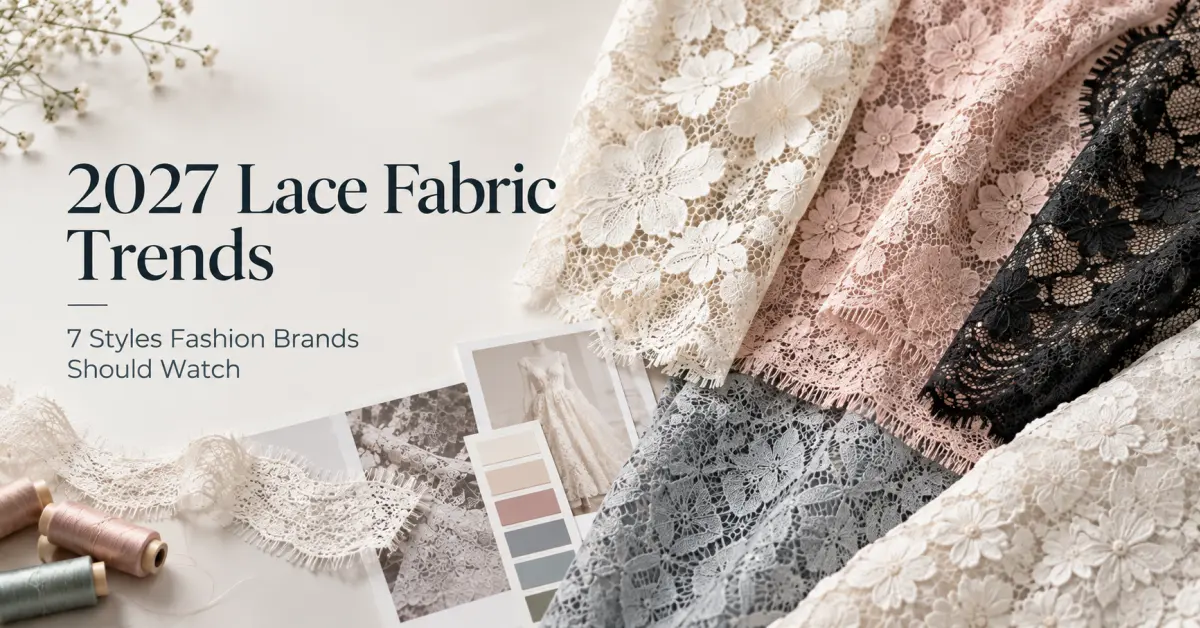
3. Lace Pattern Trends 2026
Pattern development is one of the biggest competitive advantages for lace manufacturers.
In 2026, designers are looking for patterns that combine traditional craftsmanship with modern aesthetics.
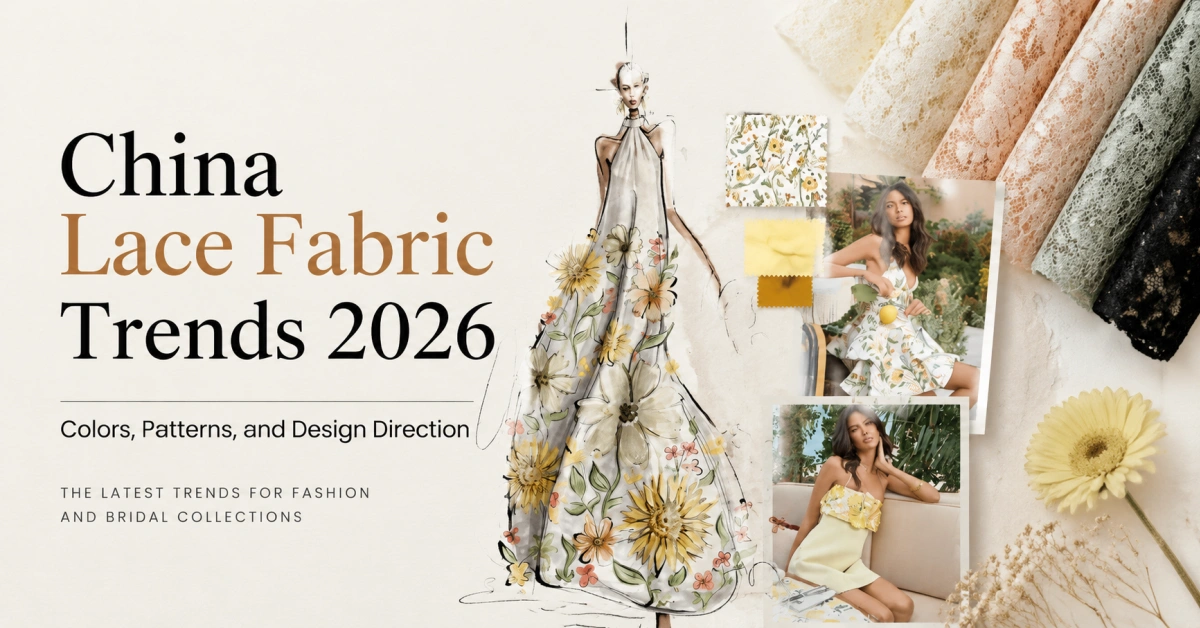
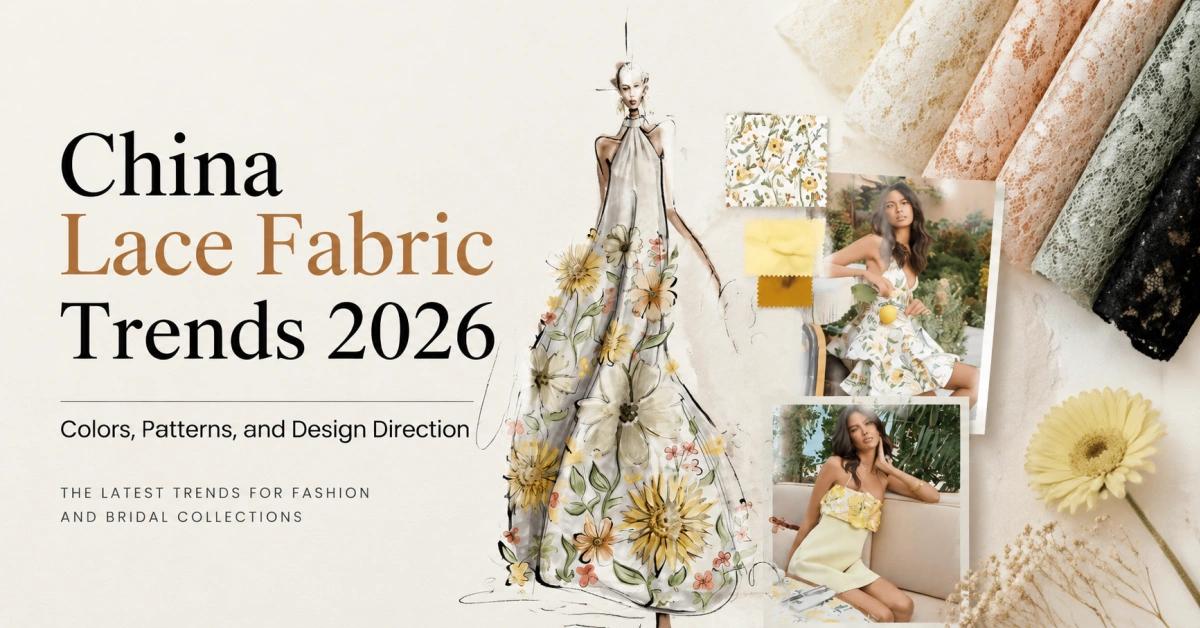
3.1 Botanical and Floral Lace Patterns
Floral lace continues to dominate the market.
However, 2026 floral patterns will become more artistic.
Popular directions include:
Oversized Botanical Motifs
Large flowers create a stronger visual impact.
Used in:
-
Bridal gowns
-
Couture dresses
-
Luxury fashion
Natural Garden Inspiration
Designs inspired by:
-
Wild flowers
-
Leaves
-
Branches
-
Organic shapes
These patterns create a connection with nature and sustainability trends.
Three-Dimensional Floral Lace
3D lace effects will continue growing.
Techniques include:
-
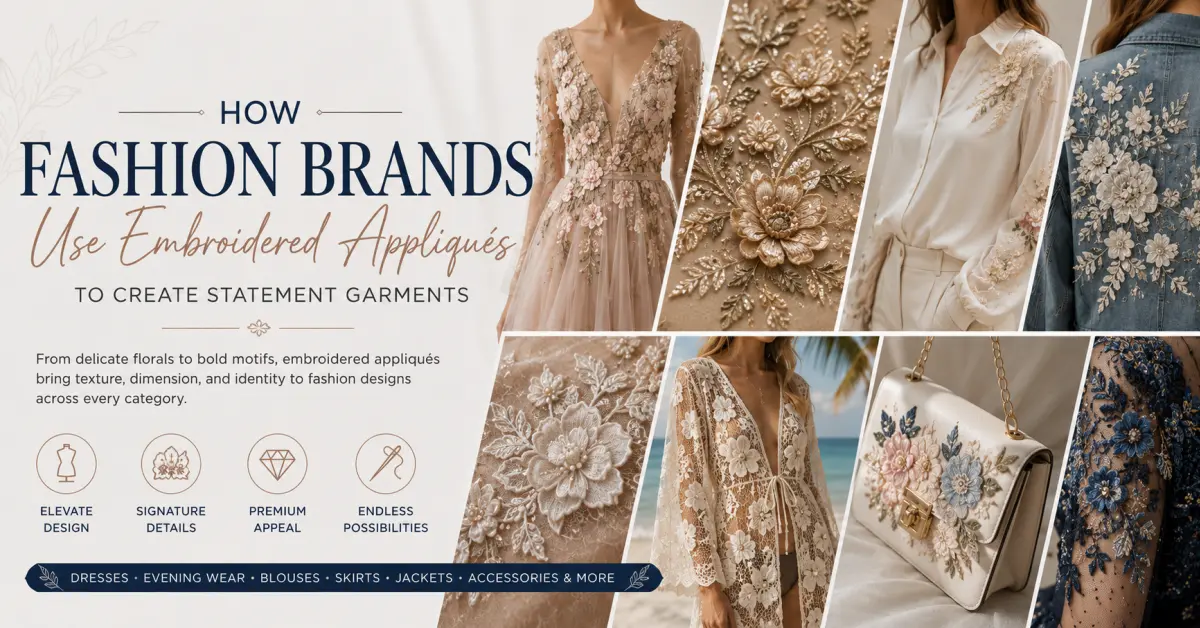
Embroidered flowers
-
Appliqué lace
-
Layered structures
-
Raised textures
These designs add depth and premium appearance.
3.2 Vintage-Inspired Lace With Modern Interpretation
Vintage aesthetics remain influential in fashion.
Designers are looking at:
-
Victorian lace
-
French-inspired patterns
-
Antique textile references
-
Retro wedding styles
However, modern applications combine vintage patterns with:
-
Stretch materials
-
Lightweight structures
-
Contemporary silhouettes
This creates a balance between heritage and modern fashion.
3.3 Geometric Lace Patterns
Although floral lace remains dominant, geometric lace is gaining popularity.
Common designs:
-
Diamond patterns
-
Wave structures
-
Abstract lines
-
Symmetrical motifs
Geometric lace works especially well for:
-
Modern womenswear
-
Minimalist fashion
-
Contemporary bridal designs
4. Sustainable Lace Fabric Direction in 2026
Sustainability has become one of the most important factors influencing the textile industry. For global fashion brands, choosing environmentally responsible materials is no longer only a marketing decision but also an important part of supply chain management.
In 2026, sustainable lace fabric development will continue to grow as brands look for materials that combine:
-
Elegant appearance
-
High performance
-
Responsible production
-
Traceable supply chains
For lace manufacturers in China, sustainability is becoming an important direction for product innovation.
4.1 Recycled Fiber Lace Fabric
One of the major trends in 2026 is the increasing use of recycled materials in lace production.
Recycled polyester lace is becoming more popular because it provides:
-
Similar performance to conventional polyester
-
Better environmental profile
-
Stable production quality
-
Wide application possibilities
For fashion brands, recycled lace can be applied to:
-
Sustainable bridal collections
-
Eco-friendly womenswear
-
Premium ready-to-wear
-
Responsible fashion projects
A professional lace fabric supplier can help brands develop recycled lace options while maintaining:
-
Pattern clarity
-
Fabric strength
-
Elastic recovery
-
Color stability
4.2 Natural-Inspired Lace Design
Sustainability is not only about materials but also about design philosophy.
In 2026, designers will continue embracing nature-inspired lace concepts.
Popular themes include:
-
Botanical gardens
-
Organic flowers
-
Leaves and vines
-
Natural textures
-
Handmade-inspired patterns
These designs communicate:
-
Environmental awareness
-
Craftsmanship
-
Authenticity
This trend is especially suitable for brands targeting premium customers who value emotional connection with products.
4.3 Sustainable Production Processes
Beyond fabric selection, buyers are paying more attention to manufacturing processes.
When sourcing China lace fabric, international buyers increasingly evaluate:
Energy Efficiency
Modern lace factories are improving production efficiency through:
-
Advanced knitting equipment
-
Automated production systems
-
Optimized manufacturing processes
Responsible Dyeing
Color development is another important sustainability factor.
Professional suppliers focus on:
-
Better dye utilization
-
Stable color matching
-
Reduced waste
This helps brands achieve consistent colors across different production batches. Learn about dyeing and color matching.
Certified Materials
For brands entering international markets, certifications can improve consumer trust.
Common sustainability certifications include:
-
Global Recycled Standard (GRS)
-
OEKO-TEX Standard 100
-
Environmental management certifications
A reliable supplier should be able to provide supporting documentation when required. Visit our sustainability section.
5. Technology Innovation in China Lace Fabric Manufacturing
The development of lace fabric in 2026 is not only driven by fashion trends but also by manufacturing technology.
Modern lace production combines:
-
Advanced machinery
-
Digital design systems
-
Improved finishing techniques
-
Customized manufacturing solutions
These technologies allow manufacturers to create more complex and differentiated lace products.
5.1 Digital Pattern Development
Traditional lace design required significant manual adjustment.
Today, digital pattern systems allow manufacturers to develop complex designs more efficiently.
Advantages include:
Faster Design Modification
Designers can adjust:
-
Pattern size
-
Motif arrangement
-
Density
-
Fabric structure
before production begins.
Better Design Accuracy
Digital development helps ensure:
-
Consistent patterns
-
Clear details
-
Stable production quality
This is especially important for international fashion brands requiring strict quality standards. Explore pattern design development.
5.2 Advanced Jacquard Lace Technology
Jacquard lace remains one of the most important categories in premium fashion.
Unlike basic lace, jacquard lace allows more complex structures.
Features include:
-
Detailed motifs
-
Multi-layer effects
-
Rich textures
-
Premium appearance
In 2026, jacquard lace will continue being used in:
-
Luxury dresses
-
Bridal gowns
-
Designer collections
-
High-end garments
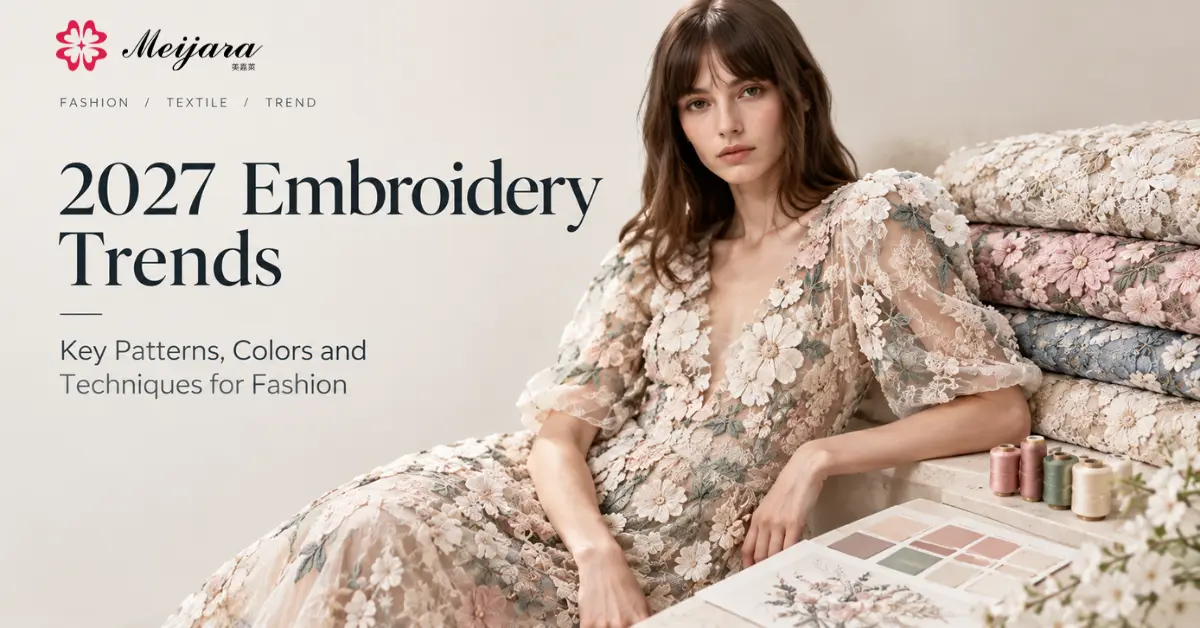
5.3 Embroidery and Decorative Lace Innovation
Decorative techniques will continue expanding.
Popular developments include:
Sequin Lace
Combining lace embroidery with sequins creates:
-
Shine effects
-
Luxury appearance
-
Eveningwear applications. See laser embroidery.
Used for:
-
Party dresses
-
Stage costumes
-
Couture collections
Beaded Lace
Beaded lace adds handmade visual value. See crystal elegance bead sequin fabric.
Common applications:
-
Bridal gowns
-
Veils
-
Luxury fashion
3D Embroidered Lace
Three-dimensional embroidery creates stronger texture.
Features:
-
Raised flowers
-
Layered petals
-
Decorative volume
This style has become increasingly popular among bridal designers.
6. Embroidery, Sequin and 3D Lace Trends for 2026
As consumers continue looking for unique fashion products, decorative lace will become a major growth area.
Mass-produced simple fabrics are becoming less attractive compared with personalized textile solutions.
6.1 3D Floral Lace Becomes a Key Design Direction
Three-dimensional lace is expected to remain one of the strongest trends in 2026.
The reason is simple:
It creates a visual difference that ordinary printed fabrics cannot achieve.
3D lace can include:
-
Raised flowers
-
Layered embroidery
-
Fabric petals
-
Dimensional leaves
Applications:
-
Wedding dresses
-
Luxury gowns
-
Fashion editorials
-
Premium collections
6.2 Mixed Material Lace
Another emerging trend is combining different materials.
Examples:
-
Lace + satin
-
Lace + mesh
-
Lace + tulle
-
Lace + sequins
-
Lace + beads
These combinations create richer textures.
For designers, mixed-material lace provides more creative possibilities. Explore multi-color embroidery.
6.3 Lightweight Luxury Lace
Modern consumers prefer comfortable luxury.
Therefore, lace fabrics in 2026 will focus on:
-
Lightweight structures
-
Soft hand feel
-
Better breathability
-
Improved flexibility
Especially for bridal wear, comfort has become as important as appearance.
A wedding dress needs to be beautiful in photographs but also comfortable for long hours of wearing.
7. Bridal Lace Fabric Trends 2026
The bridal industry remains one of the most important application markets for lace fabric.
Wedding designers continue using lace because it represents:
-
Romance
-
Tradition
-
Elegance
-
Personal expression
In 2026, bridal lace trends will focus on personalization and craftsmanship.
7.1 Modern Romantic Bridal Lace
Traditional bridal lace is evolving.
Future wedding dress designs will combine:
-
Classic floral lace
-
Modern silhouettes
-
Minimalist structures
Popular styles:
-
Clean A-line gowns
-
Soft mermaid dresses
-
Romantic sleeves
-
Transparent lace overlays
7.2 Customized Bridal Lace Development
More bridal brands are requesting exclusive lace patterns.
Customization allows brands to create:
-
Unique collections
-
Brand identity
-
Higher product value
Typical customization process:
Step 1: Design Concept
The brand provides:
-
Sketches
-
Inspiration images
-
Pattern ideas
Step 2: Lace Development
The supplier develops:
-
Pattern structure
-
Fabric construction
-
Sample version
Step 3: Sample Approval
The brand checks:
-
Appearance
-
Hand feel
-
Color
-
Application effect
Step 4: Bulk Production
After confirmation, production begins.
8. How Fashion Brands Should Source China Lace Fabric in 2026
With increasing demand for customized lace products, choosing the right supplier has become more important.
A low-cost supplier may not always provide the best long-term solution.
Professional buyers should evaluate suppliers based on several factors.
8.1 Evaluate Manufacturing Experience
A reliable lace supplier should have:
-
Long-term production experience
-
Professional technical team
-
Stable manufacturing capacity
-
International export experience
Experienced manufacturers understand:
-
Fabric performance requirements
-
International quality standards
-
Different market preferences
8.2 Check Product Development Capability
Fashion changes quickly.
Brands need suppliers who can support innovation.
Important questions:
-
Can they develop custom patterns?
-
Can they create samples quickly?
-
Can they match specific colors?
-
Can they support small development orders?
A supplier with strong R&D ability can become a long-term partner.
8.3 Review Quality Control System
Quality consistency is critical for international brands. Learn about quality control standards.
Important inspection points include:
Fabric Appearance
Check:
-
Pattern clarity
-
Surface defects
-
Uneven structures
Color Accuracy
Important for:
-
Seasonal collections
-
Repeat orders
-
Brand consistency
Physical Performance
Depending on application:
-
Stretch recovery
-
Tensile strength
-
Fabric stability
8.4 Consider MOQ and Production Capacity
Different suppliers have different production requirements.
Fashion brands should understand:
-
Minimum order quantity
-
Sampling time
-
Bulk production period
For customized lace fabric development, typical factors include:
-
Pattern complexity
-
Material selection
-
Production technology
A professional supplier should clearly explain the development process.
9. Future Design Direction of China Lace Fabric
Looking toward 2026 and beyond, lace fabric will continue developing around three major themes:
9.1 Personalization
Consumers want products that feel unique.
Therefore, custom lace will become increasingly important.
Future brands will invest more in:
-
Exclusive patterns
-
Limited collections
-
Signature textile designs
9.2 Sustainable Luxury
Luxury fashion is moving toward responsible production.
The future of lace is not only beautiful but also environmentally conscious.
Brands will increasingly choose:
-
Sustainable fibers
-
Responsible suppliers
-
Transparent supply chains
9.3 Technology Meets Craftsmanship
The combination of technology and traditional textile skills will define future lace development.
Digital tools improve efficiency.
Craftsmanship creates emotional value.
Together they create premium lace products.
10. Why Choose a Professional China Lace Fabric Manufacturer?
For international buyers, working directly with experienced Chinese lace manufacturers provides several advantages:
Product Diversity
Access to:
-
Stretch lace
-
Jacquard lace
-
Embroidered lace
-
Bridal lace
Custom Development
Support for:
-
OEM projects
-
Exclusive patterns
-
Color customization. Explore cut piece and processing.
Competitive Supply Chain
China's mature textile ecosystem allows:
-
Efficient production
-
Stable quality
-
Flexible solutions
FAQ: China Lace Fabric Trends 2026
1. What are the main China lace fabric trends in 2026?
The main trends include sustainable materials, soft neutral colors, botanical patterns, 3D embroidery, customized designs, and lightweight luxury lace.
2. What lace colors will be popular in 2026?
Popular colors include ivory, champagne, beige, pastel pink, sage green, lavender, burgundy, and black.
3. Is China lace fabric suitable for international fashion brands?
Yes. China lace fabric suppliers provide various customization options including patterns, colors, embroidery, and finishing techniques.
4. What lace patterns will dominate bridal fashion in 2026?
Floral lace, botanical motifs, 3D flowers, vintage-inspired patterns, and customized bridal lace will remain popular.
5. How can brands customize lace fabric?
Brands can customize lace through:
-
Pattern development
-
Color matching
-
Material selection
-
Embroidery techniques
-
Special finishing
6. What should buyers consider when choosing a China lace fabric supplier?
Buyers should evaluate:
-
Manufacturing experience
-
Product quality
-
Customization ability
-
Production capacity
-
Communication capability
7. What is the future of sustainable lace fabric?
Sustainable lace will continue growing through recycled fibers, responsible production, and environmentally friendly manufacturing processes.
8. Can China lace manufacturers provide OEM services?
Yes. Many professional manufacturers provide OEM and ODM services for global fashion brands.
9. What industries use lace fabric?
Lace fabric is widely used in:
-
Bridal wear
-
Women's fashion
-
Evening dresses
-
Lingerie
-
Accessories
-
Home decoration
10. Why source lace fabric from China?
China offers:
-
Complete textile supply chains
-
Advanced production technology
-
Competitive pricing
-
Flexible customization
Conclusion
The China lace fabric trends 2026 show that lace is entering a new stage of development.
Future lace design will no longer focus only on decoration. Instead, it will combine:
-
Sustainability
-
Customization
-
Advanced manufacturing
-
Artistic design
-
Functional performance
For global fashion brands, choosing the right lace supplier is becoming an important part of product strategy.
A reliable China lace fabric manufacturer can help brands transform creative ideas into commercially successful collections through professional development, stable production, and innovative textile solutions.
As fashion continues evolving, lace will remain a timeless material—while constantly adapting to new consumer expectations and design directions.
Ready to explore 2026 lace trends for your collection? Visit our homepage to learn more or contact us for inquiries. You may also submit an inquiry for custom pricing.