
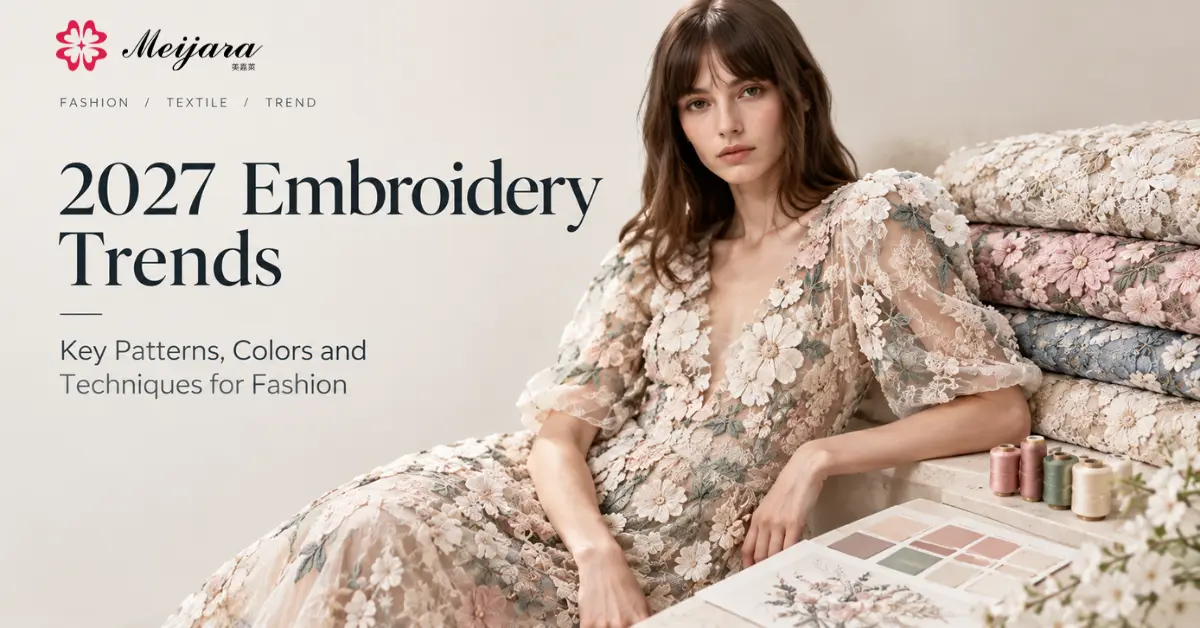

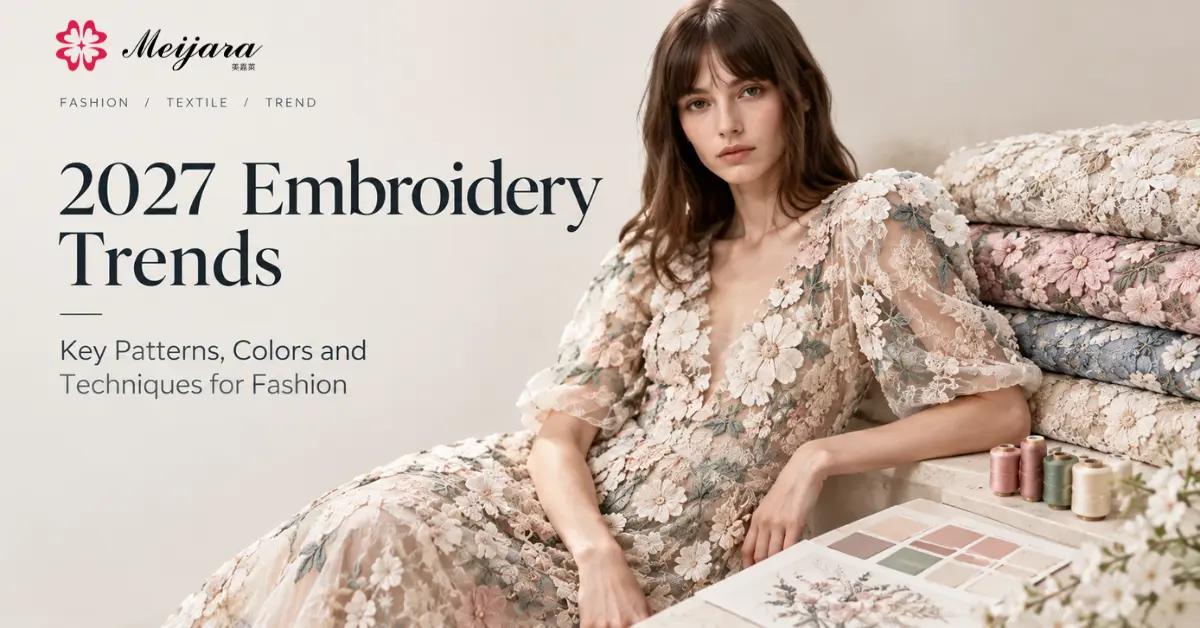
Embroidery continues to offer fashion brands a practical way to add texture, depth, and visual identity to fabric. For 2027 collections, designers and product development teams can explore more expressive floral motifs, dimensional surfaces, considered color combinations, and embroidery techniques that balance decorative impact with garment performance.
For fabric buyers, however, a trend is more than an attractive design. The embroidery must work with the base fabric, garment construction, target price, production schedule, and intended use. A design that looks impressive on a sample may require adjustments before it can be produced consistently at scale.
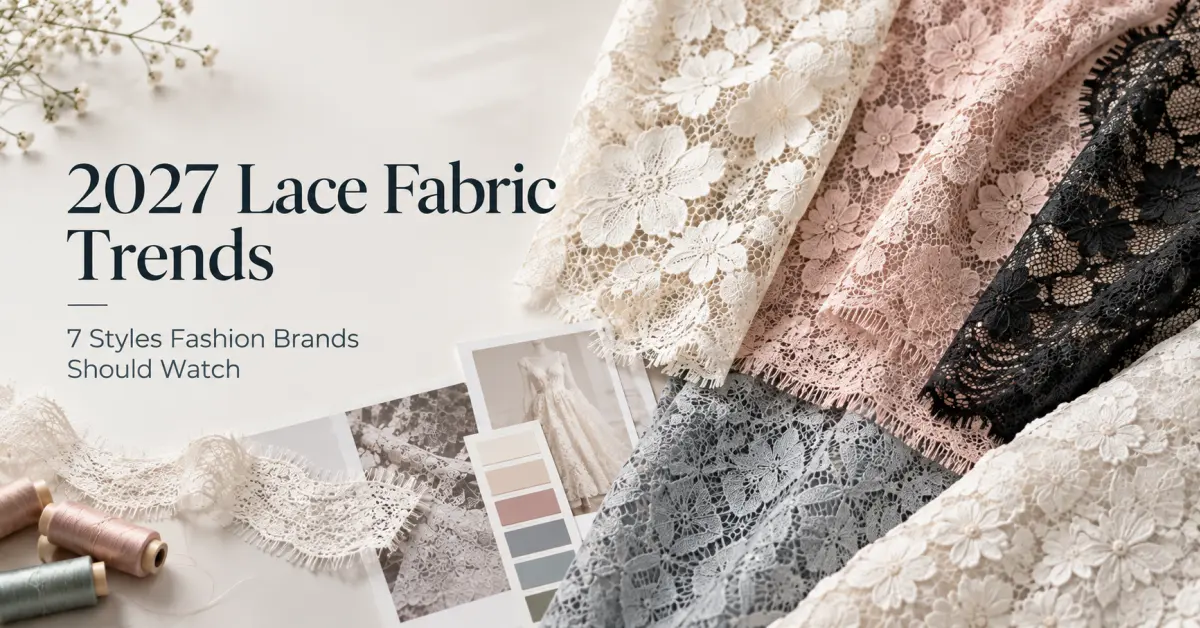
This guide explores seven embroidery directions worth considering for 2027, along with fabric selection, technical development, and sourcing considerations for fashion brands and garment manufacturers.
Seven Embroidery Trends to Watch for 2027
The following directions are forward-looking design ideas, not a definitive ranking of confirmed market trends. Their commercial relevance will depend on the target market, season, garment category, and customer preferences. Buyers can use them as starting points for collection planning and sample development.
Expressive Floral Embroidery
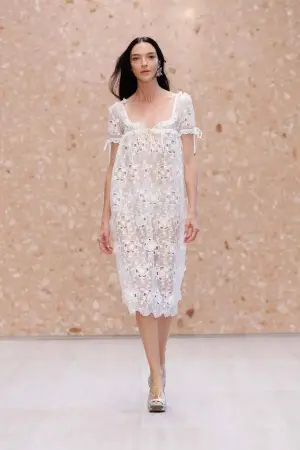
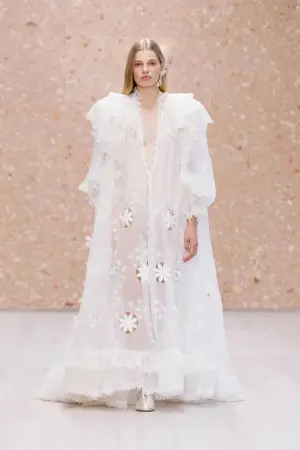
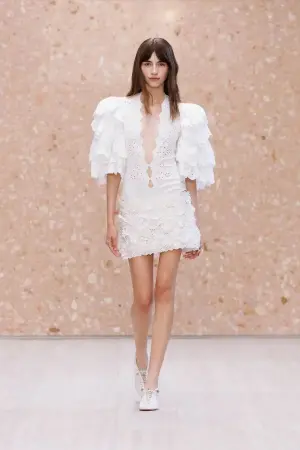
Floral embroidery remains a versatile design direction because it can shift between romantic, modern, understated, and statement-making aesthetics. For 2027 development, brands can explore floral layouts with more noticeable differences in scale, spacing, and stitch density.
Potential design approaches include:
-
Oversized flowers used as focal points on dresses and statement garments
-
Small, evenly distributed motifs for blouses, skirts, and lightweight layering pieces
-
Botanical arrangements featuring leaves, stems, and varied petal shapes
-
Floral embroidery combined with sheer or textured base fabrics
The key is to match motif scale to the garment pattern. Large flowers may work well on broad panels, while smaller motifs can be easier to position across collars, sleeves, and narrow garment sections.
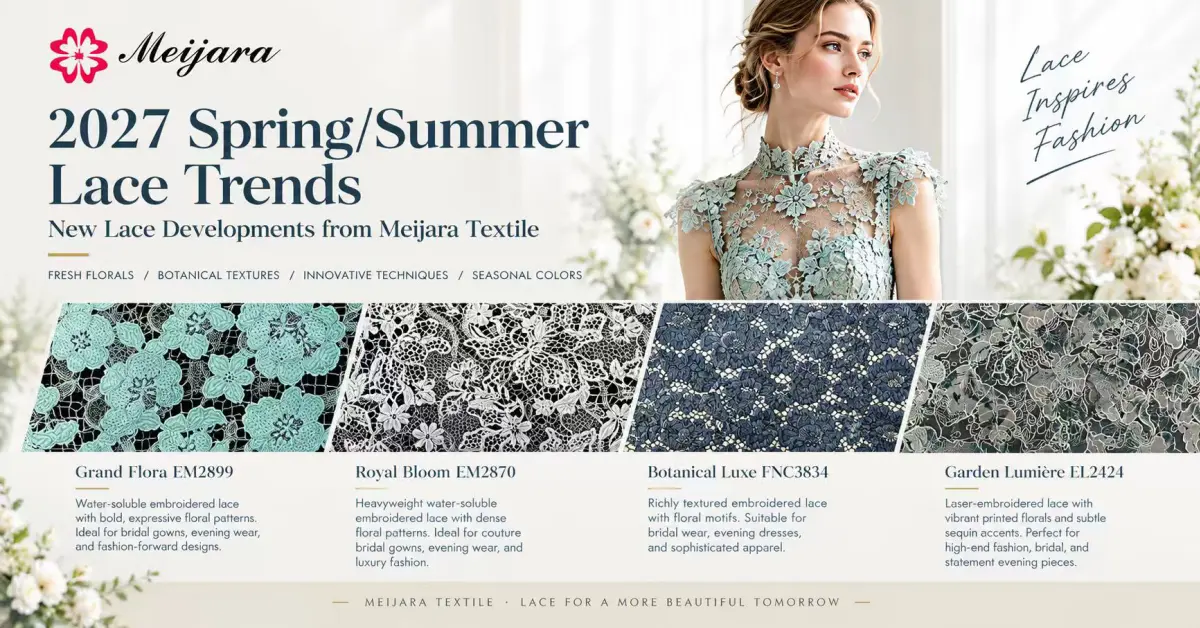
For brands developing custom floral designs, embroidered fabric collections provide a useful starting point for comparing motif density, ground fabrics, and decorative effects.
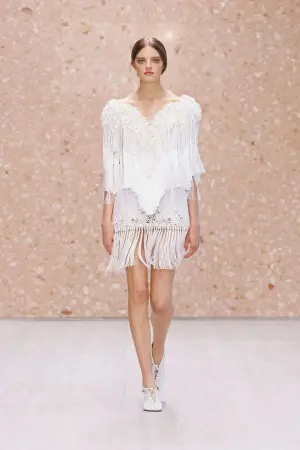
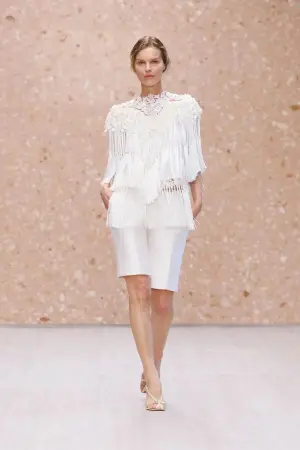
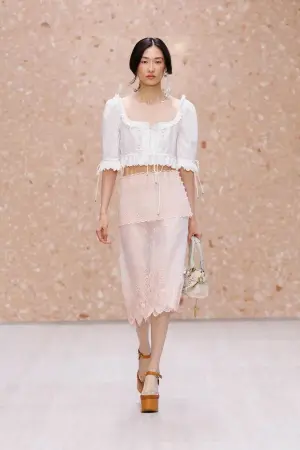
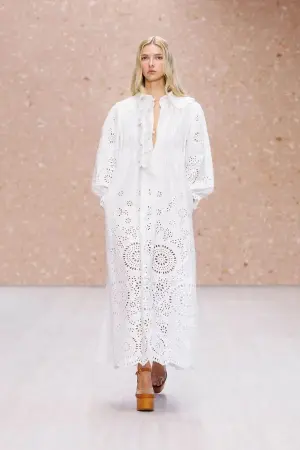
Dimensional and Textured Embroidery
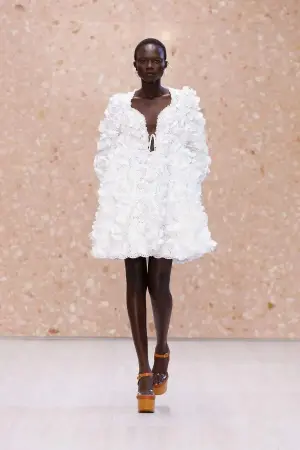
Texture gives embroidered fabric a stronger tactile and visual identity. Instead of relying entirely on color, designers can use raised stitching, cord details, layered thread effects, and contrasting surface finishes to create depth.
Possible applications include:
-
Raised floral motifs for dresses and fashion separates
-
Cord embroidery for defined outlines and linear patterns
-
Dense decorative embroidery for selected panels or statement pieces
-
Textural accents on sleeves, yokes, collars, and garment inserts
The design needs to account for more than appearance. Dense or raised embroidery can affect fabric weight, drape, flexibility, and sewing performance. It may also require more processing time and a higher production cost.
When evaluating a dimensional design, buyers should request a sample that represents the intended embroidery density and base fabric. A small decorative swatch may not accurately demonstrate how a full garment panel will hang or move.
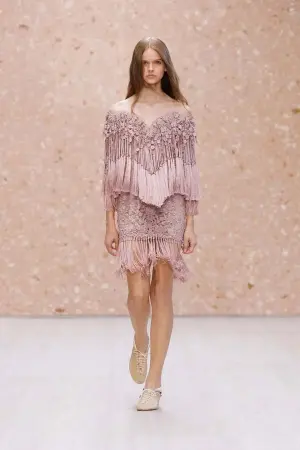
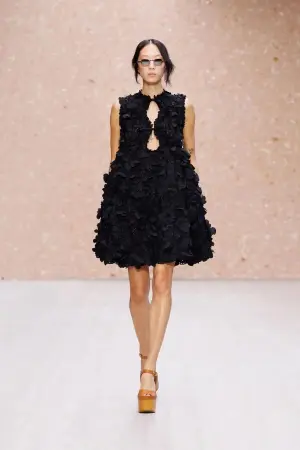
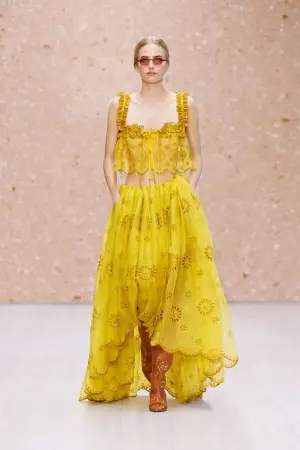
Multicolor Embroidery with More Considered Palettes
Multicolor embroidery gives brands more options for building distinctive patterns and coordinating fabrics with a seasonal collection. One practical direction is to use a controlled palette rather than adding colors without a clear hierarchy.
Three approaches are worth exploring:
-
Tone-on-tone: Similar shades create subtle texture and a refined surface.
-
Two- or three-color combinations: A limited palette helps motifs remain clear and easier to coordinate with other materials.
-
High-contrast accents: A small amount of contrast can highlight flowers, outlines, or selected pattern elements.
Color should be assessed on the actual base fabric because thread appearance can change with the ground color, transparency, surface texture, and lighting. Buyers should approve colors under consistent lighting and confirm whether the bulk order will use a physical color standard, a reference swatch, or an agreed color specification.
For complex designs, multicolor embroidery can be explored as a product direction for coordinating thread colors with the wider garment collection.
Sheer Embroidery and Lightweight Fabrics
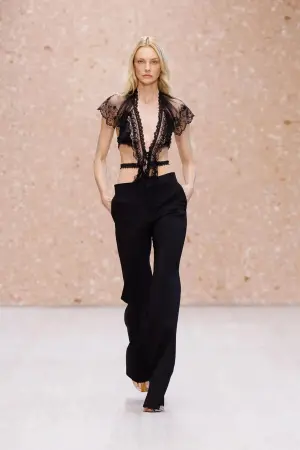
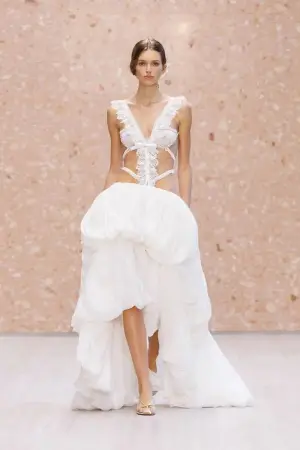
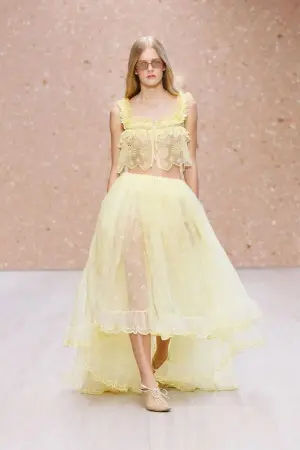
Sheer embroidered fabrics can add detail without making an entire garment feel visually heavy. They are worth considering for blouses, overlays, sleeves, skirts, resortwear, and layered fashion designs.
The base fabric plays a major role in the final result. Buyers should evaluate:
-
Transparency and coverage
-
Fabric softness and drape
-
Embroidery coverage and pattern spacing
-
Stability during cutting and sewing
-
Whether the garment requires lining or an additional layer
A design with large embroidered motifs and generous open spaces can create a different effect from a dense pattern covering most of the surface. The intended garment application should guide the balance.
For lightweight designs, sample testing should include handling, cutting, and seam construction. A fabric that looks delicate and attractive on a flat table must also remain manageable during garment production.
Embroidery Combined with Decorative Materials
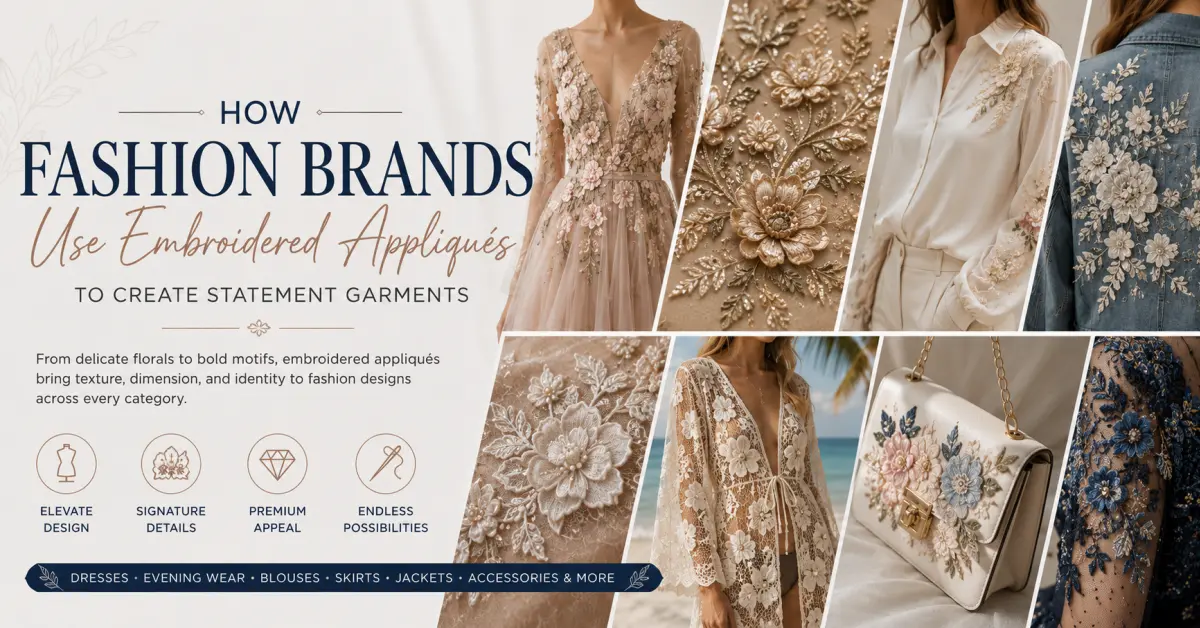
Combining embroidery with sequins, beads, or other decorative elements can create a stronger surface effect for occasionwear, eveningwear, fashion jackets, and statement pieces.
The challenge is to maintain a workable balance between visual impact and garment usability. Additional components may increase weight, complicate washing or care requirements, and affect sewing or finishing.
Before approving a design, buyers should check:
-
Whether decorative components are securely attached
-
Whether the fabric weight suits the garment
-
Whether embellishments interfere with seams or closures
-
Whether the intended care instructions are practical
-
Whether the design can be reproduced consistently in bulk
For designs that call for additional surface decoration, sequins and beads embroidery is a relevant direction to review during fabric development.
Placement Embroidery and Cut-Piece Designs
Not every embroidered design needs to cover a continuous length of fabric. Placement embroidery and cut-piece designs allow decorative motifs to be positioned in specific areas of a garment, helping designers create focal points while controlling material use.
Common applications include:
-
Front panels on dresses and blouses
-
Sleeve and shoulder details
-
Collar and neckline decoration
-
Decorative inserts for jackets and skirts
-
Motifs positioned around garment openings or hems
Placement designs require coordination between fabric development and garment patternmaking. The motif must be positioned with cutting allowances, seam lines, symmetry, and the final garment shape in mind.
Buyers should provide the supplier with garment sketches or pattern references when placement accuracy is important. Confirming motif dimensions and orientation early can reduce avoidable revisions during sampling.
For designs that require individual embroidered components, cut-piece embroidery is worth considering as part of the development process.
Statement Embroidery for Selected Garment Areas
Dense embroidery can give a garment a distinctive focal point, but full-surface coverage is not always necessary. Concentrating heavier embroidery on selected areas can create contrast while preserving lighter sections for movement and comfort.
Examples include a heavily embroidered bodice paired with a simpler skirt, a decorative jacket panel, or an embroidered feature placed against a plain fabric background.
When assessing a statement design, buyers should consider the balance between embroidered and unembroidered areas, the overall garment weight, and how the decorated section will be supported during sewing. Dense embroidery may also affect needle selection, seam bulk, and production handling.
A sample should therefore be reviewed as both a textile product and a component of the finished garment.
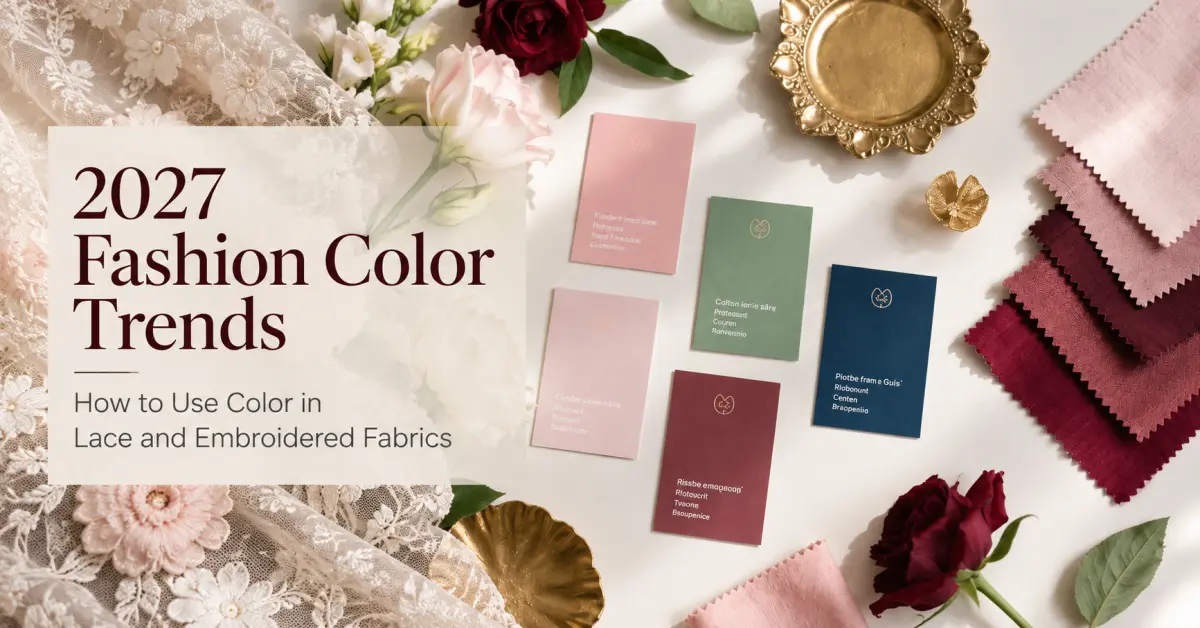
Embroidery Color Directions for 2027 Collection Development
Color planning is an important part of embroidery development, but a useful palette should be based on the collection concept and target customer rather than a trend label alone.
The following combinations offer practical starting points for sampling.
| Color direction | Embroidery approach | Potential garment applications |
|---|---|---|
| Soft neutrals | Cream, beige, taupe, and related tones | Blouses, dresses, lightweight layers |
| Botanical shades | Greens combined with muted floral colors | Resortwear, skirts, casual dresses |
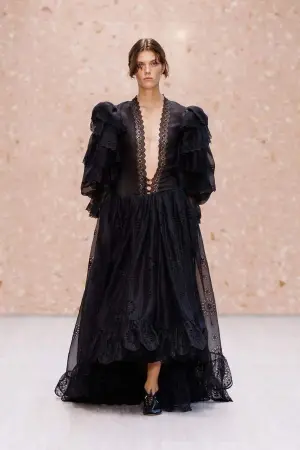
| Deep contrasts | Dark grounds with lighter thread accents | Eveningwear, jackets, statement pieces |
| Pastel combinations | Two or more soft shades in a controlled palette | Spring and summer collections |
| Monochromatic textures | Similar thread and base-fabric colors | Minimalist fashion and coordinated separates |
These are design options rather than official 2027 color predictions. Brands should validate their chosen palette against their own color forecasts, customer requirements, and collection plan.
How to Confirm Embroidery Colors Before Bulk Production
Thread color and base-fabric color should be evaluated together. A color that looks balanced on a white ground may appear different on black, beige, or colored fabric. Transparent grounds can also affect the perceived contrast of a motif.
A practical approval process should include:
-
Confirming the base-fabric color.
-
Selecting thread colors against a physical reference where possible.
-
Reviewing the embroidery sample under consistent lighting.
-
Checking the effect from normal viewing distance as well as close up.
-
Recording approved color references for repeat orders.
For custom color requirements, review the supplier's dyeing and color-matching process and clarify how color approval will be handled before production begins.
Choosing the Right Embroidery Technique for Your Design
A trend concept does not automatically determine the best production method. The embroidery technique should be selected according to the motif, base material, surface effect, garment use, and cost target.
| Design requirement | Technique or development direction | Key point to evaluate |
|---|---|---|
| Defined outlines and linear details | Cord embroidery | Cord thickness, line clarity, and flexibility |
| Complex multicolor motifs | Multicolor embroidery | Thread-color accuracy and registration |
| Raised or dense surface effects | Heavy-work embroidery | Weight, drape, and sewing performance |
| Decorative surface embellishment | Sequins and beads embroidery | Attachment security, weight, and care requirements |
| Individual decorative components | Cut-piece embroidery | Placement accuracy and edge finishing |
| Openwork or delicate embroidered effects | Water-soluble embroidery | Motif structure, ground removal, and handling |
The options above are not interchangeable in every situation. Some designs may combine more than one technique, while others may require changes to the artwork to achieve the desired effect within the target budget.
For example, a very fine outline may not be suitable for a thick cord, and a highly detailed motif may need simplification if the base fabric is too delicate. Early discussion between the designer and manufacturer helps identify these constraints before a sample is finalized.
How to Select Embroidered Fabric for Different Garments
The same embroidery design can perform differently depending on the garment. A fabric intended for a flowing blouse has different requirements from one used in a structured jacket or a heavily decorated eveningwear piece.
| Garment category | Fabric characteristics to consider | Development priority |
|---|---|---|
| Dresses and skirts | Drape, pattern repeat, transparency, and weight | Ensure the motif works across garment panels |
| Blouses and shirts | Softness, flexibility, and comfort | Avoid excessive stiffness or bulk |
| Jackets | Stability, durability, and surface density | Check seam construction and garment structure |
| Eveningwear | Decorative impact, texture, and coverage | Balance appearance with weight and handling |
| Resortwear | Lightweight construction and intended care | Test the fabric in the intended garment context |
| Accessories and garment details | Motif scale, edge quality, and placement | Confirm cutting accuracy and finishing |
When comparing options, buyers should also record composition, usable width, fabric weight, stretch and recovery, embroidery coverage, and any finishing requirements. These specifications help the production team evaluate whether a fabric is suitable for the intended product.
A broader review of lace fabric quality-control standards can also help buyers prepare a more consistent evaluation checklist for decorative fabrics.
What Fashion Brands Should Check Before Developing a Custom Embroidered Fabric
Trend-led development often begins with a reference image, sketch, or fabric swatch. To turn that idea into a manufacturable product, buyers need to provide enough information for the supplier to evaluate the design and prepare a representative sample.
Prepare a Clear Design Brief
A useful brief should include:
-
Reference artwork, photographs, or a physical fabric sample
-
Intended garment type and target market
-
Preferred base fabric and fiber composition, if known
-
Target colors and thread-color requirements
-
Motif dimensions, repeat, and placement
-
Required fabric width and approximate weight
-
Estimated order quantity and color count
-
Target price and required delivery date
Not every project needs a fully finalized technical specification at the beginning. However, the more clearly the buyer communicates the intended result, the easier it is to identify practical constraints and avoid unnecessary sample revisions.
Evaluate the Sample Beyond Appearance
A sample should be checked against the intended application, not just the original design image.
Review the following points:
Visual quality: Are the motif proportions, thread colors, spacing, and embroidery coverage correct?
Fabric performance: Does the material have the required softness, stretch, drape, and stability?
Construction: Can the fabric be cut and sewn without unacceptable distortion, loose threads, or excessive seam bulk?
Repeatability: Are the specifications clear enough for the approved design to be reproduced in bulk?
Cost and lead time: Do the confirmed materials, stitch density, embellishments, and processing steps fit the commercial requirements?
Changes made after sample approval can affect cost and delivery schedules. Important adjustments should be documented and approved before the bulk order is released.
From Trend Research to Bulk Production
A successful trend-led fabric project needs a clear development process. The following sequence can help brands and manufacturers align design intent with production requirements.
Step 1: Define the Collection Direction
Identify the garment category, target customer, price range, season, and intended design effect. This provides a practical framework for deciding which embroidery concepts deserve further development.
Step 2: Review Artwork and Material Options
The supplier reviews the motif, base fabric, thread colors, decorative components, and processing requirements. Some artwork may need adjustments to improve stitchability, stability, or cost efficiency.
Step 3: Develop and Review the Sample
The sample should represent the intended base fabric, embroidery density, colors, and relevant finishing. If the project involves a large motif or a complex placement, request a sample that shows enough of the design to evaluate its repeat and proportions.
Step 4: Confirm the Final Specification
Record the approved artwork, fabric composition, width, weight, colors, pattern repeat, tolerances, finishing, and packaging requirements as applicable.
Step 5: Plan Bulk Production and Quality Control
Before production starts, confirm quantity, delivery schedule, inspection requirements, and the process for handling any deviations from the approved sample. Quality checks should focus on the characteristics most important to the design, such as motif consistency, color, fabric dimensions, and embroidery defects.
Step 6: Evaluate the Finished Material in Its Intended Use
Where practical, conduct a garment trial or sewing assessment before committing to a larger order. This can reveal issues that are difficult to identify from a flat fabric swatch alone.
For brands seeking support from design development through production, Meijara's customized process provides a starting point for discussing a custom fabric project.
How to Source Embroidered Fabric for a 2027 Collection
Choosing a supplier involves more than finding a visually similar fabric. Buyers need to understand whether the manufacturer can develop the required design, communicate technical limitations, maintain approved specifications, and support the intended order quantity.
Before selecting a supplier, consider these questions:
-
Can the manufacturer develop custom patterns from artwork or physical references?
-
Can it explain the available base fabrics and embroidery methods?
-
Can it confirm sample and bulk lead times for the specific project?
-
Does it have a documented sample-approval process?
-
Can it explain how color and quality consistency will be checked?
-
Are the minimum order quantities and pricing assumptions clear?
-
Can the team communicate changes and production risks before they affect delivery?
For new custom lace-fabric development, Meijara's current guidance is an MOQ of approximately 3,000–5,000 meters, with sampling typically taking 20–25 days and bulk production 35–40 days. Embroidered-fabric projects may follow different requirements; the applicable MOQ and schedule should be confirmed for the selected technique, colors, and specifications before an order is placed.
These figures are project-planning references, not guaranteed lead times for every design. Complex artwork, special materials, multiple colors, finishing requirements, and approval revisions may affect the final schedule.
If you are planning a custom embroidery project for a 2027 collection, prepare your reference artwork, target application, estimated quantity, and preferred delivery window before contacting a manufacturer. You can reach the Meijara team through the contact page to discuss the project requirements.
Frequently Asked Questions
What embroidery styles should fashion brands explore for 2027?
Brands can explore expressive florals, dimensional textures, controlled multicolor palettes, sheer embroidered fabrics, decorative embellishments, placement embroidery, and statement motifs. These are design directions to evaluate against the target market rather than guaranteed trends for every collection.
Which embroidered fabrics are suitable for dresses and blouses?
The best option depends on the garment's desired drape, transparency, weight, and construction. Lightweight embroidered fabrics may suit flowing blouses and layered dresses, while denser embroidery may be more appropriate for structured panels or statement pieces. Sampling and sewing assessment are recommended before bulk production.
How can buyers customize embroidery colors?
Buyers can provide a physical color reference, an agreed color standard, or clear artwork with thread-color specifications. The supplier should confirm the base-fabric color and thread colors together and document the approved sample for production.
What information should be included in a custom embroidery inquiry?
Include the reference design, intended garment, preferred base material, colors, motif size and repeat, fabric width, estimated quantity, target price, and delivery requirements. If some details are undecided, identify the confirmed requirements and ask the supplier to recommend suitable options.
How long does custom embroidered fabric development take?
Timing depends on the design, technique, materials, sampling revisions, and order quantity. Ask the manufacturer to provide separate estimates for sampling, sample approval, bulk production, and delivery rather than relying on a single general lead-time figure.
How can a buyer reduce quality differences between samples and bulk production?
Approve a representative sample, document the key specifications, agree on acceptable tolerances, and establish quality checkpoints before production. Color references, motif dimensions, fabric width, weight, and embroidery coverage should be clearly recorded where they are important to the finished product.
Final Thoughts
For 2027 collection development, embroidery offers brands multiple ways to create distinctive fabric surfaces—from expressive florals and textured stitching to multicolor motifs and strategically placed decorative panels. The most useful design direction is one that supports the garment concept while remaining practical to manufacture.
For B2B buyers, the next step is to turn trend inspiration into a clear technical brief, evaluate a representative sample, and confirm production requirements before bulk manufacturing begins. With the right development process, embroidered fabric can become a repeatable material choice rather than a one-off visual experiment.