
logo
  • Decorative Lace Materials: Sequins, Beads, and Ribbons in Fashion Design

    Decorative Lace Materials: Sequins, Beads, and Ribbons in Fashion Design

    blog avatar

    Written by

    Meijara Textile

    Published
    May 23, 2026
    • Fashion Trends & Design Inspiration

    Follow us

    Decorative Lace Materials: Sequins, Beads, and Ribbons in Fashion Design

    Lace fabric has always been a cornerstone of luxury fashion, providing elegance and sophistication to garments. While lace itself is intricate, the addition of decorative elements such as sequins, beads, and ribbons elevates it to a new level of design complexity and aesthetic appeal. For fashion brands and B2B buyers, understanding these decorative materials is essential for sourcing high-quality fabrics and creating standout collections.

    The Role of Decorative Elements in Lace

    Decorative lace materials enhance visual texture, dimensionality, and luxury. They can transform a simple lace fabric into a statement piece, adding sparkle, depth, and a premium feel.

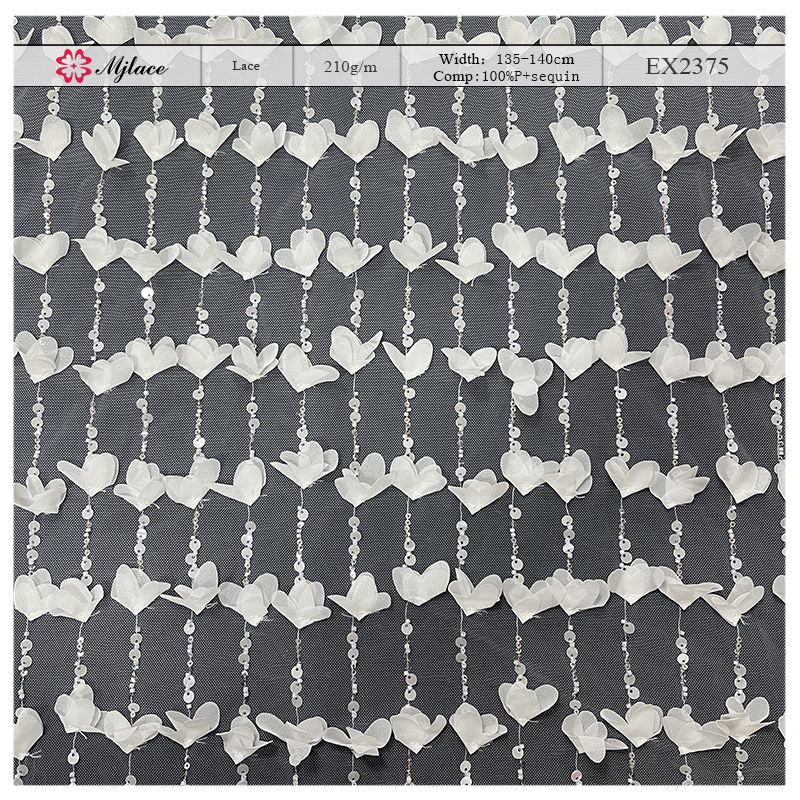
    • Sequins: Reflective surfaces that catch light, creating shimmer.

    • Beads: Small, three-dimensional embellishments that add texture and pattern.

    • Ribbons and Cords: Provide structure, outline motifs, or add contrast to lace designs.

    These elements not only enhance aesthetics but also define brand identity, making them crucial in B2B sourcing and product differentiation.
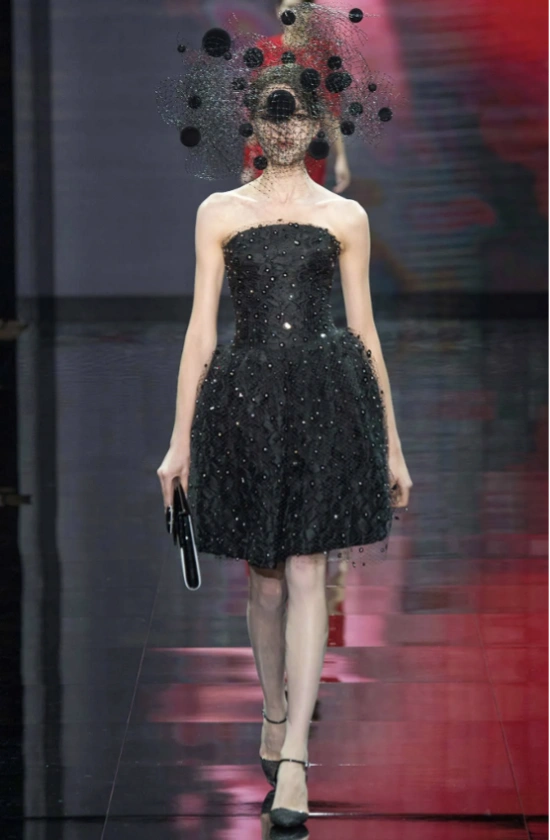
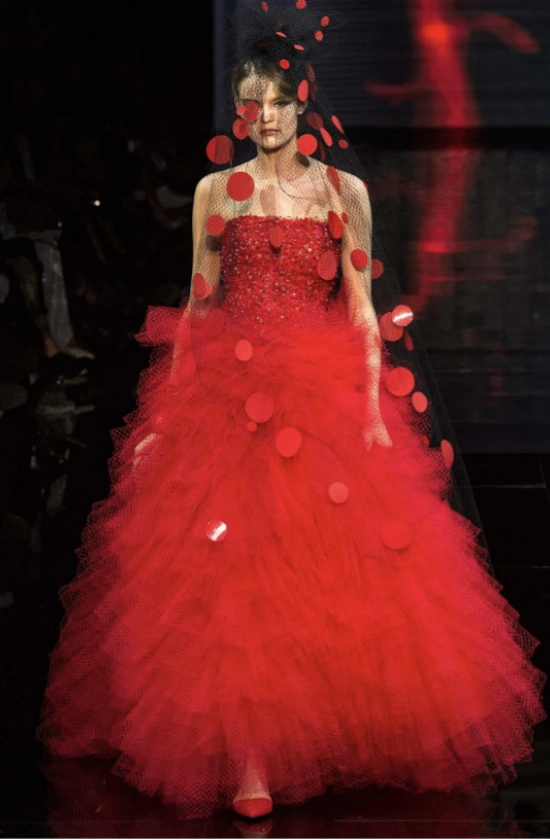
    Armani Privé Fall 2014 Haute Couture7.webpArmani Privé Fall 2014 Haute Couture26.webp

    Sequins in Fashion Lace

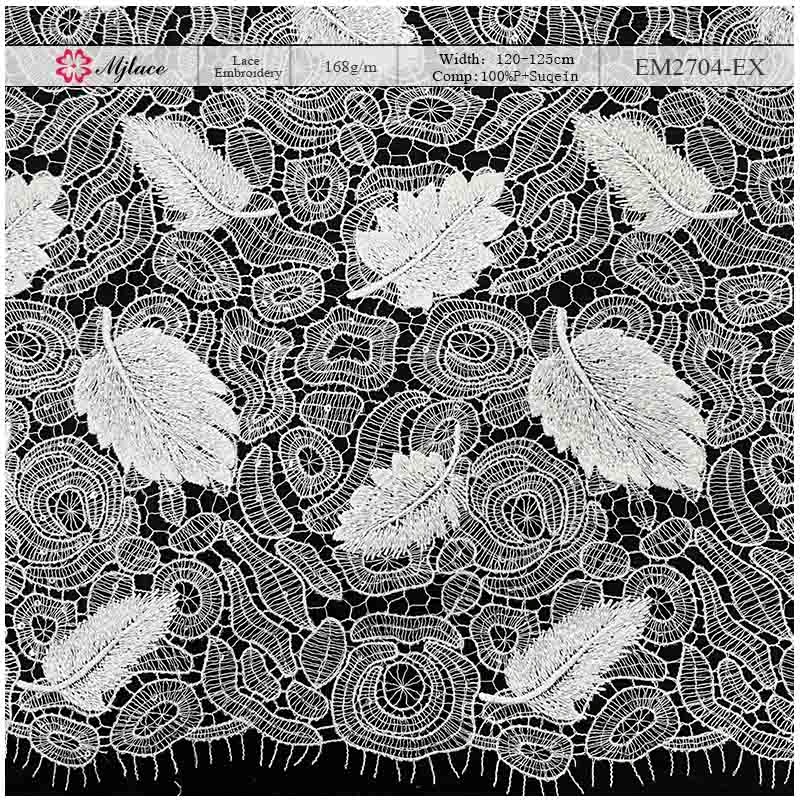
    Characteristics of Sequins

    • Flat, circular, or shaped discs, usually made from plastic or metallic materials.

    • Available in various sizes, colors, and finishes (metallic, matte, iridescent).

    • Can be applied densely or sparsely depending on design intent.
    EM2704-EX.webpex2375.jpgFH0066.webp

    Applications

    • Evening gowns, bridal overlays, and luxury lingerie.

    • Stage costumes and red carpet attire.

    • Decorative trims and accent panels.

    Sourcing Considerations

    • Verify attachment security to prevent detachment during handling or washing.

    • Confirm supplier consistency for size, color, and finish.

    • Explore customized sequin shapes for brand exclusivity. See our sequins and beads embroidery collection.

    Beads in Fashion Lace

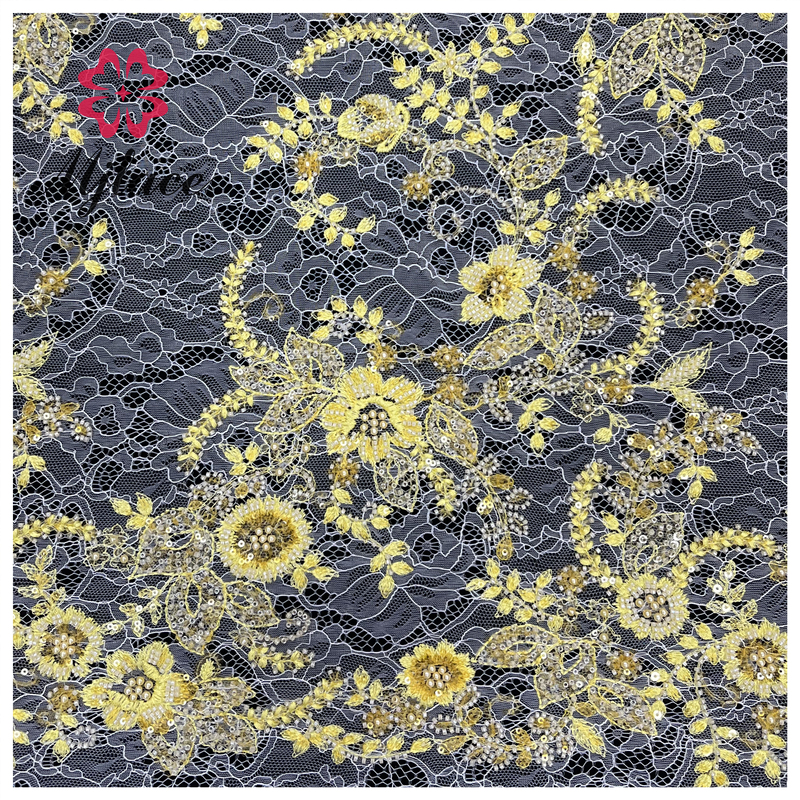
    Characteristics of Beads

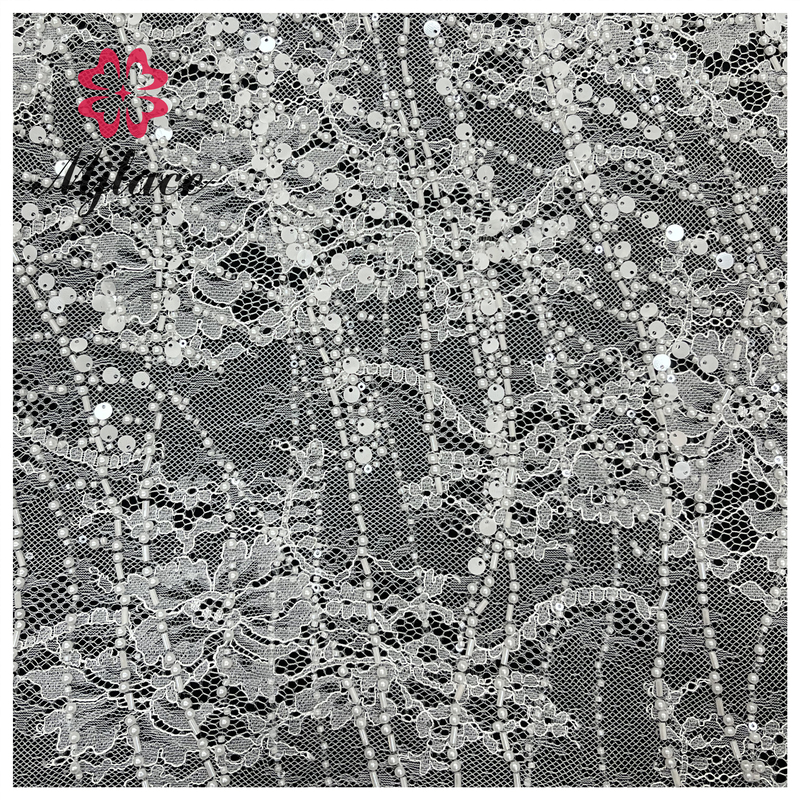
    • Small, spherical or faceted embellishments.

    • Made from glass, crystal, acrylic, or metal.

    • Enhance lace with dimension, shine, and tactile interest.
    4.webp3.webp8.webp

    Applications

    • Bridal gowns for detailed bodices and veils.

    • Evening wear, luxury accessories, and jewelry overlays.

    • Lingerie detailing for high-end collections.

    Sourcing Considerations

    • Ensure durability and uniformity in bulk production.

    • Confirm thread or adhesive techniques used to secure beads.

    • Suppliers offering custom bead colors or sizes increase design flexibility. Explore our crystal elegance bead sequin fabric.

    Ribbons and Cords in Lace Design

    Characteristics of Ribbons and Cords

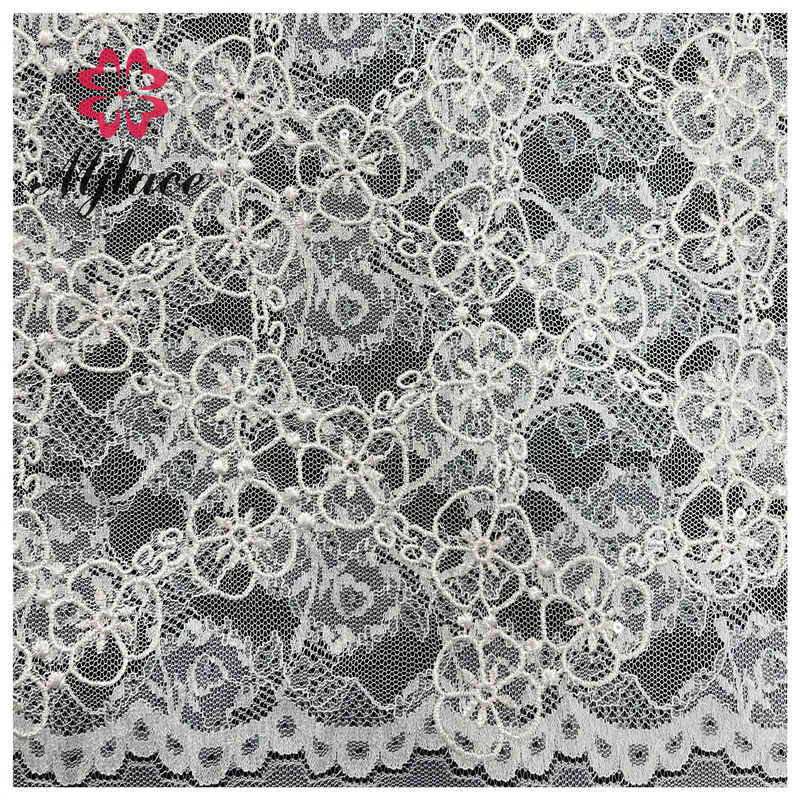
    • Narrow decorative bands interwoven or stitched into lace.

    • Materials include silk, satin, velvet, or metallic fibers.

    • Can outline motifs, add texture, or create geometric effects.

    Applications

    • Bridal and evening wear for motif accents.

    • Layered designs for haute couture and luxury ready-to-wear.

    • Decorative trims on sleeves, hems, and collars.

    Sourcing Considerations

    • Check material strength and colorfastness.

    • Ensure suppliers can provide consistent width, color, and texture.

    • Custom-dyed ribbons can align with seasonal collection palettes. Learn about our dyeing and color matching services.

    Manufacturing Techniques for Decorative Lace

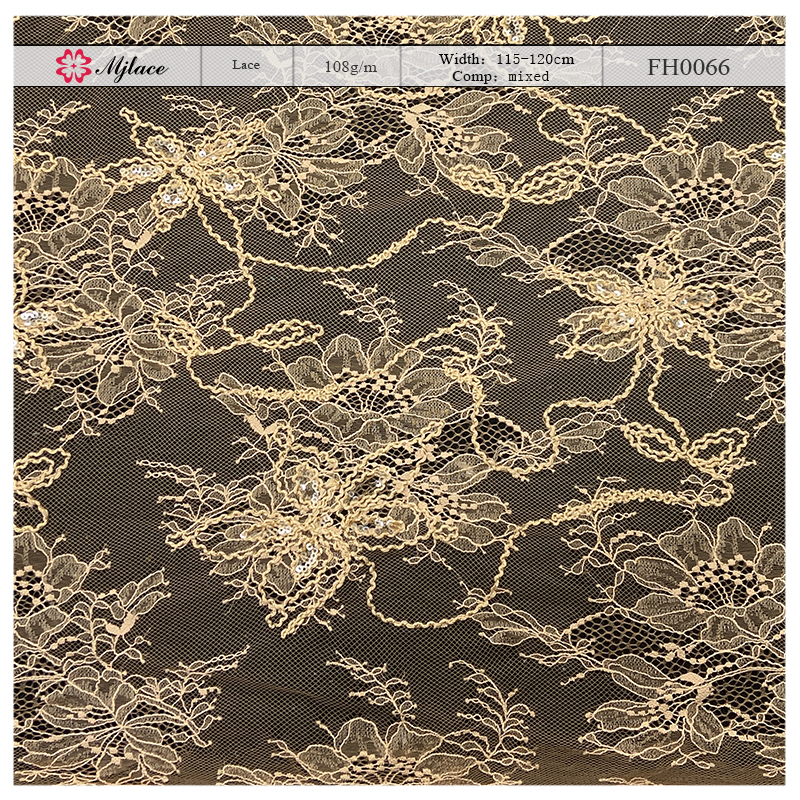
    • Embroidery Machines: Multi-head or 3D machines can integrate sequins, beads, and ribbons efficiently. See our embroidery and cord embroidery options.

    • Hand-Finishing: Required for high-end lace with intricate decorative patterns.

    • Quality Control: Thread tension, attachment strength, and pattern repeatability must be verified. Learn about our quality control standards.

    B2B Tip: Choose suppliers with experience in decorative lace production to ensure durability and precision.

    Trends in 2026 for Decorative Lace

    1. Sustainable Embellishments: Biodegradable sequins and recycled beads. Visit our sustainability section.

    2. 3D Textures: Layered beads and raised embroidery for dimensional lace.

    3. Metallic Accents: Gold and silver threads integrated with sequins and ribbons. Explore our multi-color embroidery.

    4. Custom Brand-Specific Designs: Exclusive motifs for limited collections through customized processes.

    5. Mixed Media Lace: Combining ribbons, beads, and sequins with tulle or satin layers.

    Tips for B2B Buyers

    • Inspect samples for embellishment quality and placement consistency.

    • Confirm MOQ and lead times for custom decorative lace. Explore our cut piece and processing services.

    • Verify machine vs hand-finished balance to match production scale and cost.

    • Evaluate suppliers for seasonal design adaptability and color matching capabilities.

    Conclusion

    Decorative lace materials---sequins, beads, and ribbons---add unmatched value to lace fabrics, transforming them into luxurious, eye-catching products. For fashion brands and B2B buyers, understanding these materials, their applications, and sourcing considerations ensures that collections are both innovative and commercially viable. Partnering with skilled lace manufacturers guarantees quality, consistency, and design flexibility, essential for maintaining a competitive edge in 2026 and beyond.

    Ready to source decorative lace? Visit our homepage to explore our collections or contact us for inquiries. You may also submit an inquiry for custom pricing.
    Meijara Textile:Disclaimer

    The content above is provided by Meijara Textile for informational purposes. Unauthorized reproduction is prohibited. See our full disclaimer here

    Featured Blogs

    Why Decorative Lace Materials Matter in Luxury Fashion Manufacturing

    Why Decorative Lace Materials Matter in Luxury Fashion Manufacturing

    Decorative lace materials — sequins, beads, ribbons, cords, and 3D embroidery — are essential in luxury fashion manufacturing. This guide covers production techniques, quality control, 2026 trends, and supplier selection for bridal and couture brands.

    Read More
    Decorative Lace Materials: Sequins, Beads, and Ribbons in Fashion Design

    Decorative Lace Materials: Sequins, Beads, and Ribbons in Fashion Design

    Decorative lace materials — sequins, beads, and ribbons — add texture, sparkle, and luxury to fashion. This guide covers characteristics, applications, manufacturing techniques, 2026 trends, and B2B sourcing tips for embellished lace.

    Read More
    Top 10 Water Soluble Embroidered Lace Trends in 2026

    Top 10 Water Soluble Embroidered Lace Trends in 2026

    Explore 10 water soluble embroidered lace trends shaping 2026 fashion: sustainable materials, 3D embroidery, oversized florals, pastel gradients, metallic accents, mixed media, geometric designs, interactive lace, digital integration, and custom branding.

    Read More
    Custom Bridal Lace Fabric for Wedding Dress Brands

    Custom Bridal Lace Fabric for Wedding Dress Brands

    Custom bridal lace fabric is essential for wedding dress brands seeking to offer unique, high-quality, and personalized gowns. This comprehensive guide explores why custom lace matters — from exclusivity and brand alignment to bride personalization — and covers the most popular lace types for bridal wear: Chantilly lace (delicate and romantic), Alençon lace (highly detailed), Guipure lace (bold and structured), tulle lace (lightweight and ethereal), beaded lace (sparkling and textured), and stretch lace (comfortable and form-fitting). The article also provides practical applications including lace overlays, lace sleeves, lace appliqué, lace trains and skirts, and lace veils. Key benefits include superior quality and craftsmanship, unique design capabilities, and endless creative possibilities. Whether you're a bridal designer or a wedding dress brand, custom bridal lace fabric helps create unforgettable gowns that stand out in a competitive market.

    Read More
    Red & Black: Armani Privé Fall 2014 Haute Couture

    Red & Black: Armani Privé Fall 2014 Haute Couture

    Giorgio Armani, known for his signature greige and navy, took an unexpected turn for his Fall 2014 Privé collection — he plunged into red. The show opened with the soft-focus projection of a "red dancer," and the runway became an opened lacquer box releasing a sensual order of red, white, and black. Drawing inspiration from his own 1981 Japanese-influenced collection, Armani blended lacquer textures, tower shoulders, origami structures, and kabuki color contrasts with futuristic elements: red vinyl strips embedded with rhinestones, woven ribbon "cage" structures, and hand-applied enamel studs. He replaced fur with organza and mohair with nylon — subtle nods to modernity without shouting. Beneath layers of tulle and mesh, the collection blurred boundaries between head and body, creating mystery that transcends age. Past and future met quietly in this shade of red. A masterclass in restrained power.

    Read More
    Blue Dream: Karl Lagerfeld's Eastern Narrative Part II

    Blue Dream: Karl Lagerfeld's Eastern Narrative Part II

    In this second installment of "Karl Lagerfeld's Eastern Narrative," we explore two Chanel masterpieces that transform Chinese aesthetics into haute couture. The first is a 1984 spring/summer gown inspired by blue-and-white porcelain — crafted from silk organza with 1,200 hours of crystal and glass bead embroidery by the Lesage atelier. The princess line silhouette echoes the elegant curves of a porcelain vase. This gown has been collected and exhibited by the Metropolitan Museum of Art in New York, confirming its status as a cultural artifact. The second piece comes from the 2009/10 "Paris-Shanghai" Métiers d'Art collection — a black embroidered gown with petal-like layers, inspired by 1930s Shanghai cheongsam glamour and traditional Chinese lacquerware. Together, these works prove that true luxury lies not in excess, but in profound cultural understanding and precise artistic expression.

    Read More