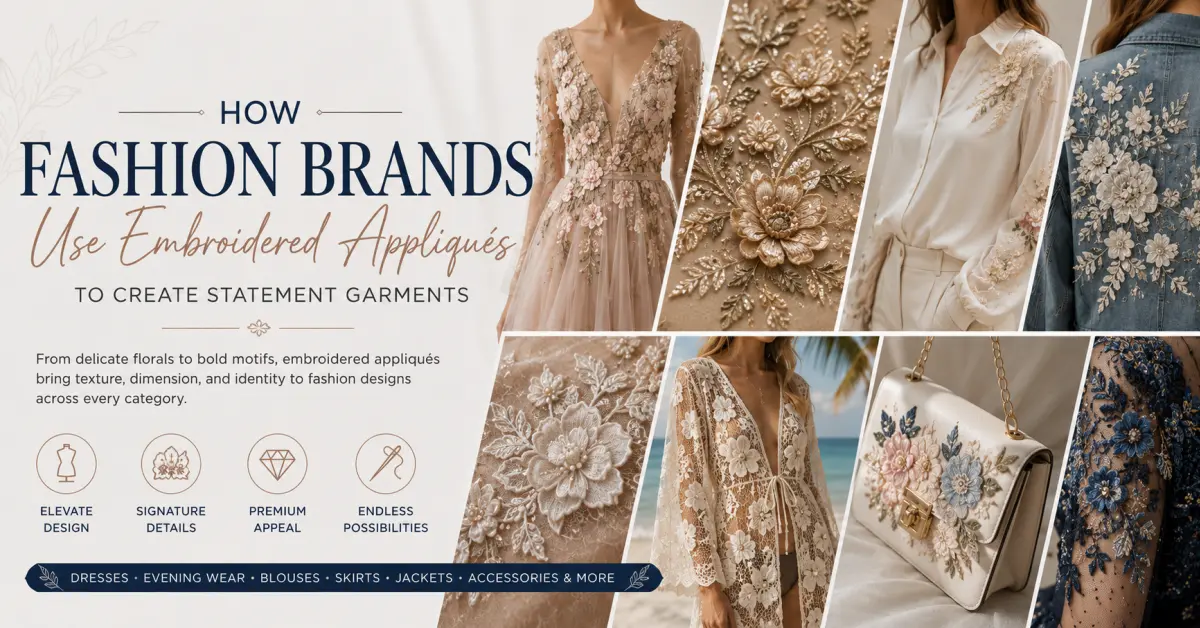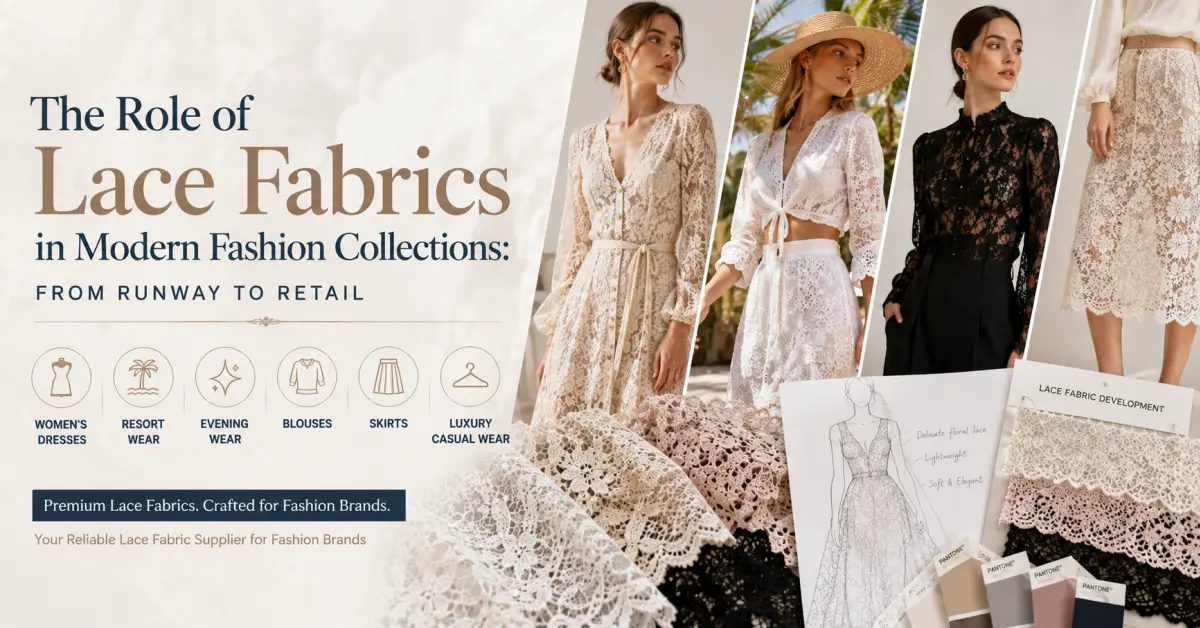

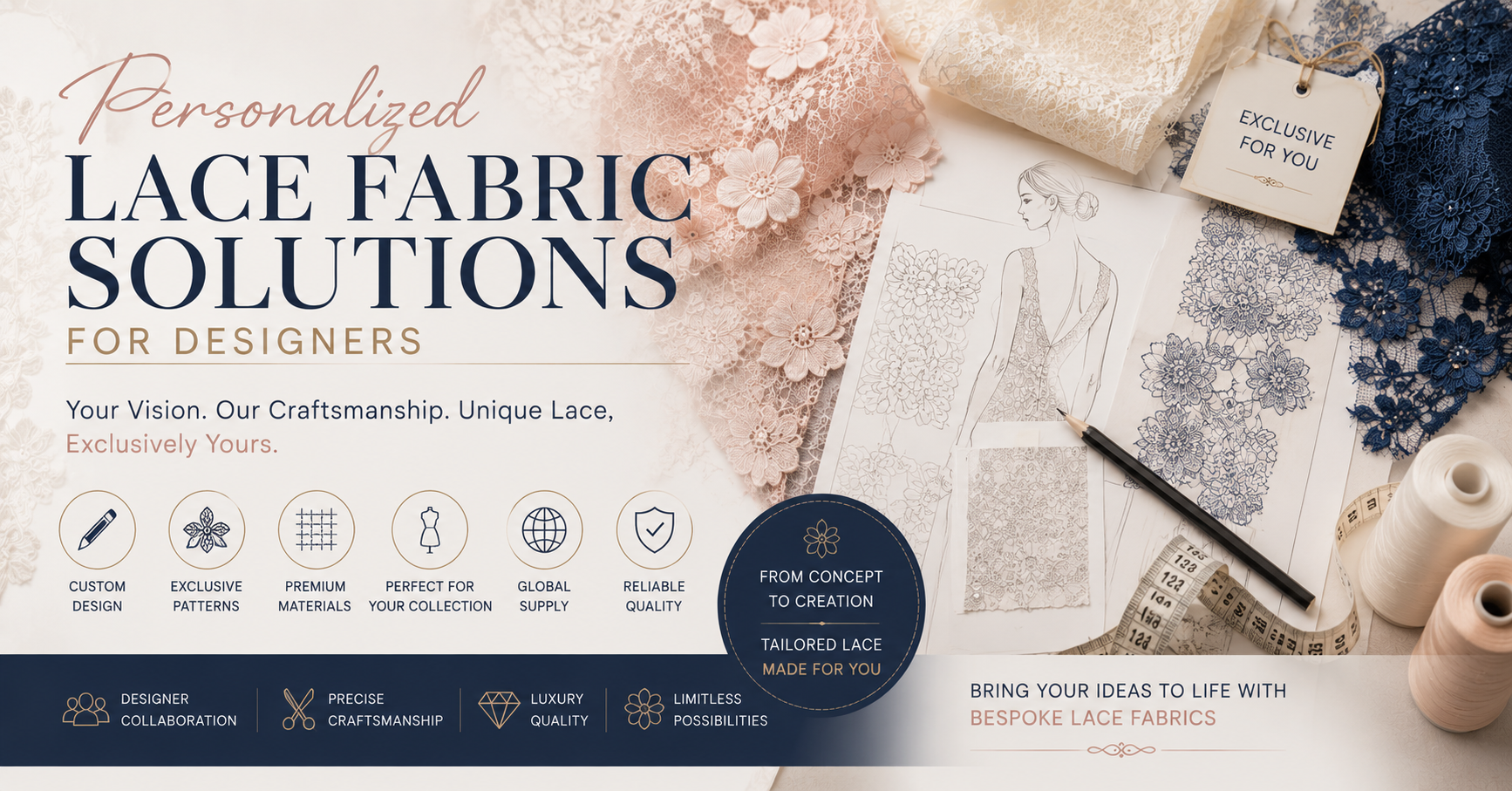

In the contemporary fashion landscape, lace is more than just a decorative element—it is a design signature that elevates the aesthetic and tactile appeal of garments. Designers increasingly seek personalized lace fabric solutions that align with their creative vision, brand identity, and production requirements. From haute couture collections to ready-to-wear lines, the demand for customized lace fabrics has grown, making flexibility, innovation, and precision key factors for manufacturers.
This article explores the importance of personalized lace fabrics, the types and applications available, manufacturing techniques, and practical guidance for designers looking to integrate unique lace elements into their collections.
Why Designers Value Personalized Lace Fabrics
Creative Flexibility
Designers can bring their concepts to life without being limited by pre-existing patterns. Custom lace allows for unique floral motifs, geometric designs, and thematic elements that differentiate a collection in competitive markets.
Enhanced Brand Identity
Exclusive lace patterns become a visual hallmark, reinforcing brand recognition and luxury perception.
Optimized Production
Personalized lace reduces excess material wastage and ensures consistency across collection pieces, which is particularly valuable for limited-edition and premium lines.
Types of Personalized Lace Fabrics
Embroidered Lace
-
Applications: Evening gowns, bridalwear, and formal apparel
-
Customization: Thread color, motif density, and placement patterns
-
Benefit: Adds depth and texture, enhancing visual impact. Explore our embroidery collection.
Eyelash Lace
-
Applications: Lingerie, sleeves, and skirt hems
-
Customization: Fringe length, motif scale, and edge design
-
Benefit: Creates soft, flowing silhouettes with delicate detailing. See our eyelash lace trim.
Beaded and Sequined Lace
-
Applications: Couture and high-fashion garments
-
Customization: Bead type, sequence patterns, and embellishment density
-
Benefit: Provides dimensional and reflective properties, elevating perceived value. Explore sequins and beads embroidery and crystal elegance bead sequin fabric.
Mixed Material Lace
-
Applications: Statement pieces and luxury collections
-
Customization: Combining tulle, organza, ribbons, and metallic threads
-
Benefit: Offers tactile and visual contrast, unique to each designer's vision. Explore multi-color embroidery and cord embroidery.
Manufacturing Techniques for Personalized Lace
Digital Embroidery
High precision for intricate motifs
Faster prototyping and adjustments
Ideal for small batch custom lace
Multi-Bar Raschel Machines
Produces repeatable, consistent patterns
Suitable for wide lace fabrics up to 150cm
Efficient for medium-to-large production volumes
Hand-Finished Embellishments
-
Beading, sequins, and corded threads applied manually
-
Adds luxury and craftsmanship appeal
-
Typically reserved for high-end or limited collections
Practical Applications for Designers
Bridal and Occasionwear
-
Full-width lace panels for skirts and veils
-
Custom motifs aligned with wedding themes
Lingerie and Intimates
-
Narrow lace trims (2–10 cm) for edges and decorative panels
-
Eyelash lace for a delicate, luxurious finish
Ready-to-Wear and Couture
-
Mid-width lace (10–35 cm) for sleeves, yokes, and accent panels
-
Beaded or mixed-material lace for statement garments
Market Trends and Insights
-
Sustainability: Increasingly, designers request OEKO-TEX certified or recycled yarn lace fabrics. Visit our sustainability section.
-
Customization: The demand for bespoke patterns has grown by over 35% in the last three years in premium fashion segments.
-
Global Sourcing: Designers prefer suppliers who can deliver consistent quality across multiple production regions, reducing variability in international collections.
How to Choose the Right Personalized Lace Supplier
Technical Capability: Ability to produce different widths, motifs, and materials.
Design Support: Assistance with CAD previews, prototypes, and sample development. Learn about pattern design development.
Material Options: Access to specialty threads, sequins, beads, and ribbons.
Lead Time and Flexibility: Quick adjustments to meet seasonal deadlines. Explore cut piece and processing services.
Conclusion
Personalized lace fabrics offer designers unparalleled creative freedom while enhancing garment quality and market appeal. By selecting the right type of lace, leveraging advanced manufacturing techniques, and collaborating with experienced suppliers, designers can transform their visions into distinctive and high-value apparel collections.
Ready to bring your custom lace vision to life? Visit our homepage to explore our collections or contact us for inquiries. You may also submit an inquiry for custom pricing.