
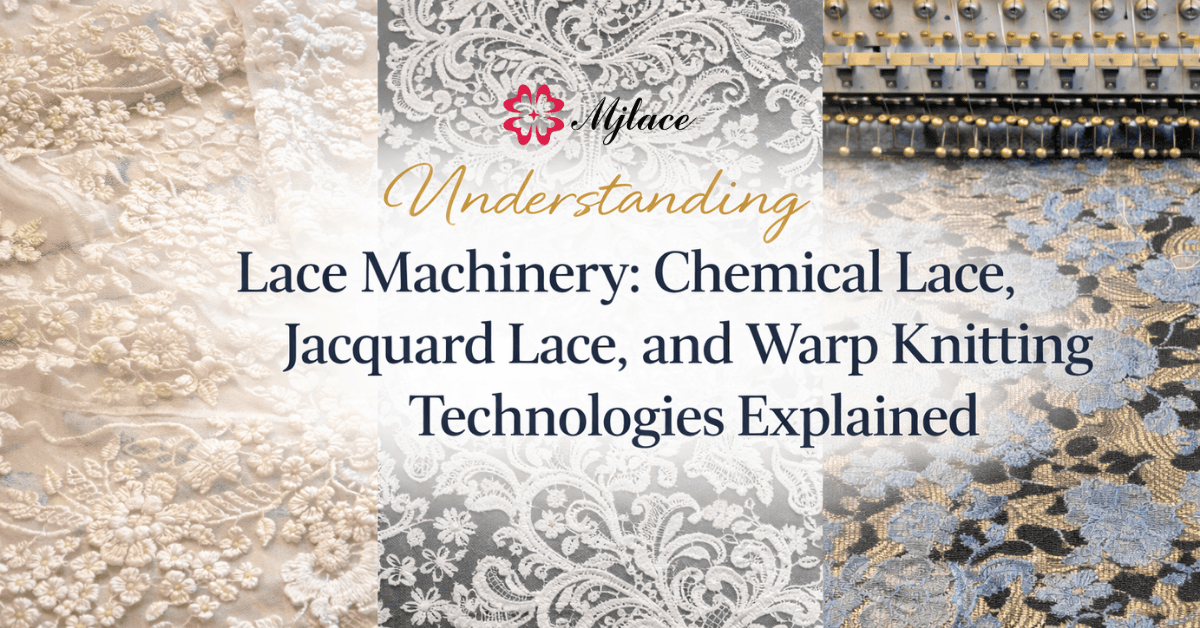

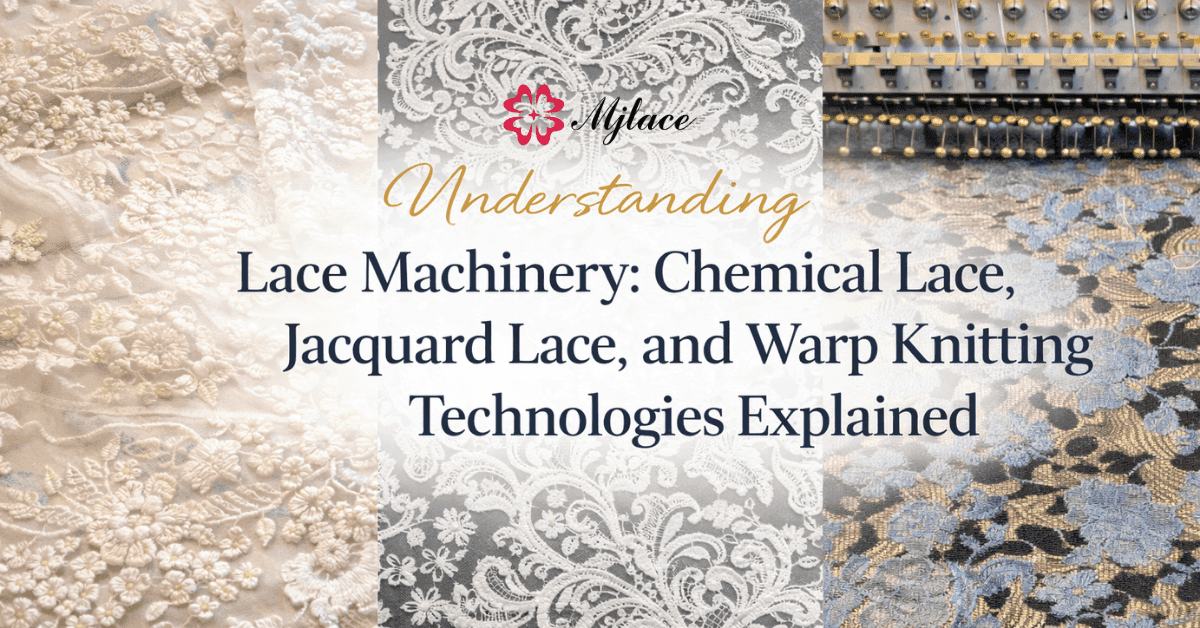
Lace has always represented the pinnacle of textile craftsmanship—lightweight yet intricate, decorative yet structural. Behind every refined lace fabric lies highly specialized machinery, each designed to achieve a different balance of detail, efficiency, and scalability.
For fashion brands, garment manufacturers, and textile buyers, understanding how lace is produced is more than technical curiosity—it directly affects design feasibility, cost structure, lead time, and final fabric performance.
This article takes a deep dive into three of the most important lace production technologies used in modern manufacturing:
-
Chemical Lace Machinery
-
Jacquard Lace Machines
-
Warp Knitting Lace Machinery
By understanding how these machines work and where each excels, buyers and designers can make more informed sourcing and development decisions.
What Is Chemical Lace Machinery?
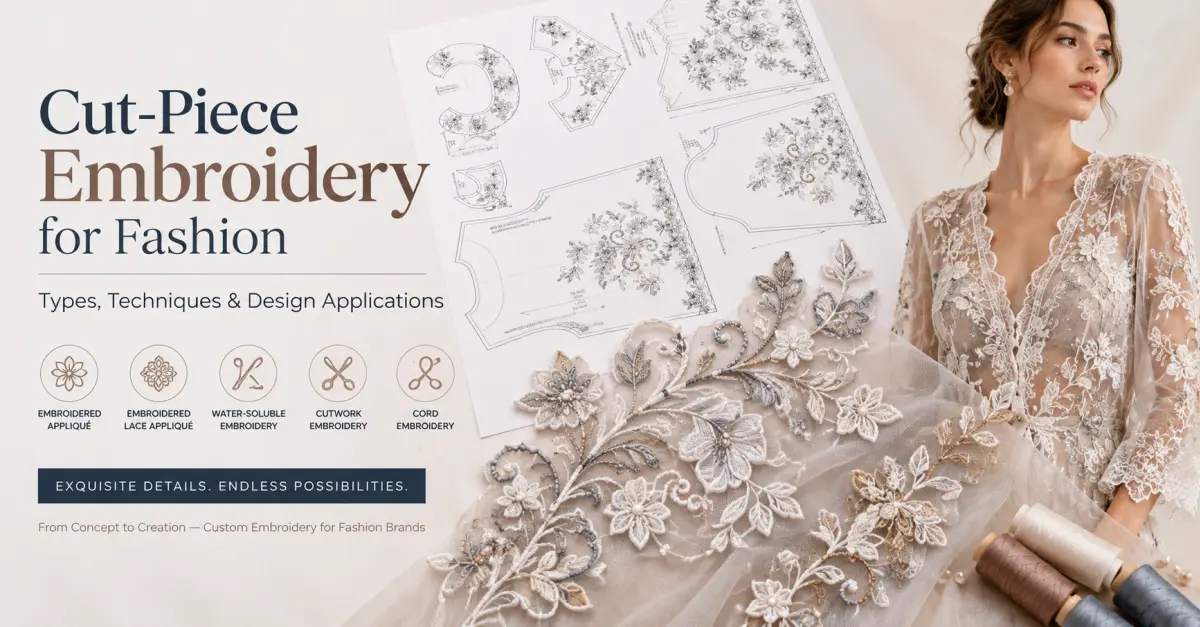
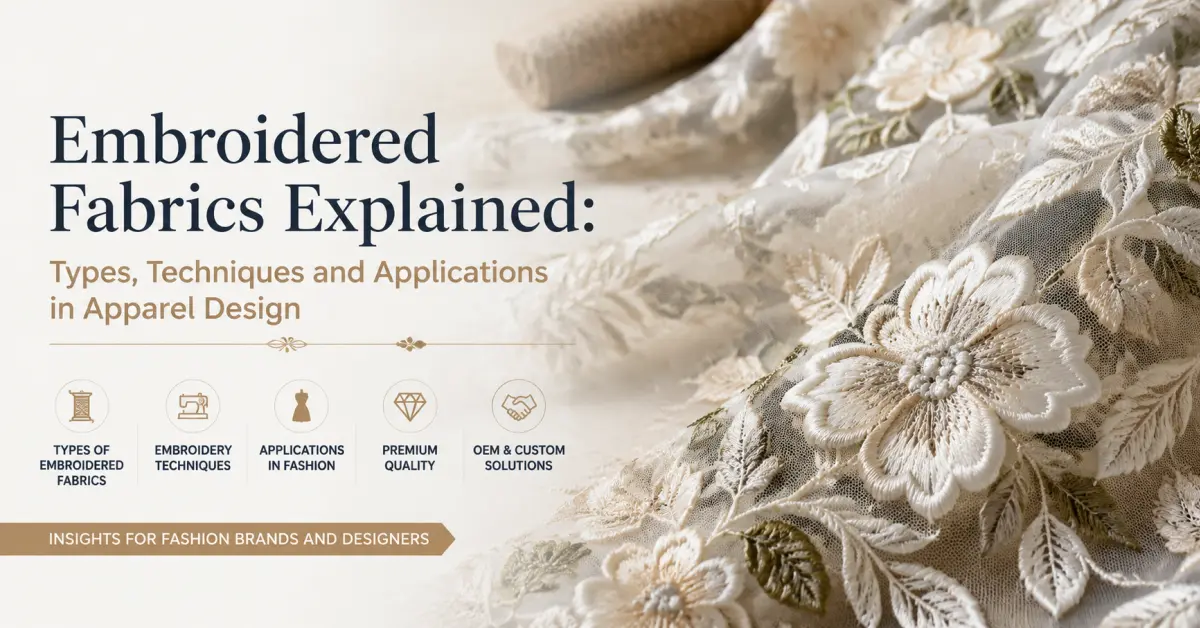
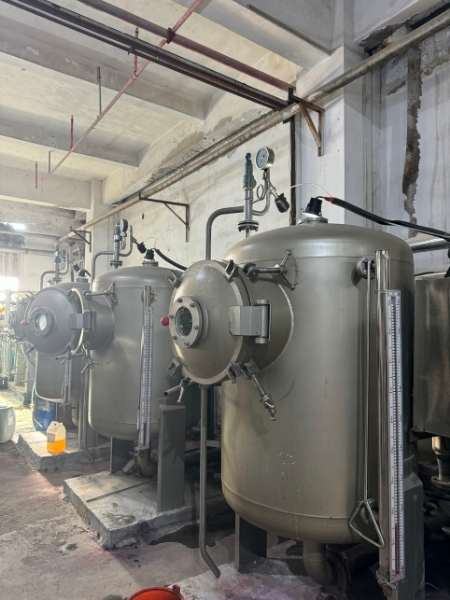
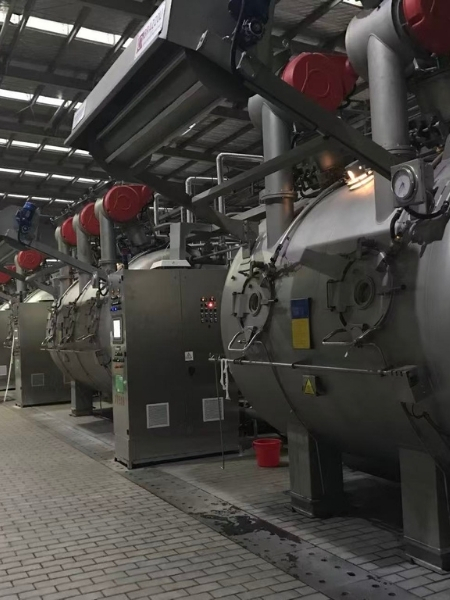
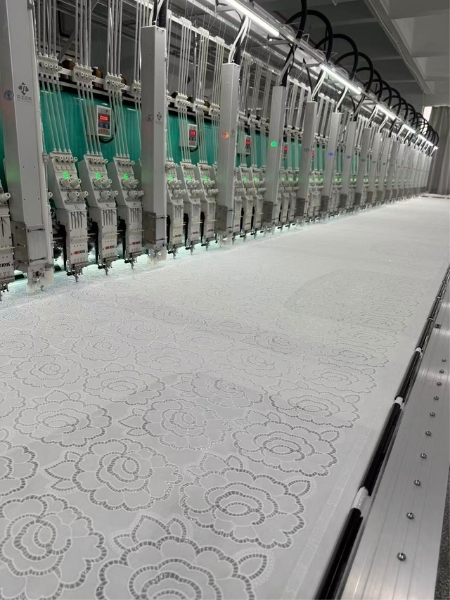
Chemical lace machinery refers not to a single machine, but to a production process that combines embroidery equipment with controlled chemical treatment to create freestanding lace.
How Chemical Lace Is Made
The process typically involves four core stages:
-
Base Fabric Preparation
A temporary water-soluble or chemically dissolvable base fabric (often PVA or cotton) is mounted on embroidery frames. -
High-Density Embroidery
Using multi-head embroidery machines, lace motifs are stitched with dense threads, forming a self-supporting structure. -
Chemical Dissolution
The base fabric is removed through water washing or chemical treatment, leaving only the embroidered lace intact. -
Finishing & Stabilization
The lace is rinsed, dried, heat-set, and sometimes reinforced to ensure durability and shape retention.
Key Characteristics of Chemical Lace
-
Extremely high detail and relief
-
Strong three-dimensional texture
-
No visible mesh or ground fabric
-
Excellent for premium and decorative applications
Typical Applications
Chemical lace is widely used in:
-
Bridal gowns and couture dresses
-
Lace appliqués and motifs
-
Eveningwear panels
-
Luxury lingerie trims
-
High-end accessories
Because chemical lace requires intensive embroidery and post-processing, it is generally positioned in the premium or high-value segment rather than mass production.
What Is a Jacquard Lace Machine?
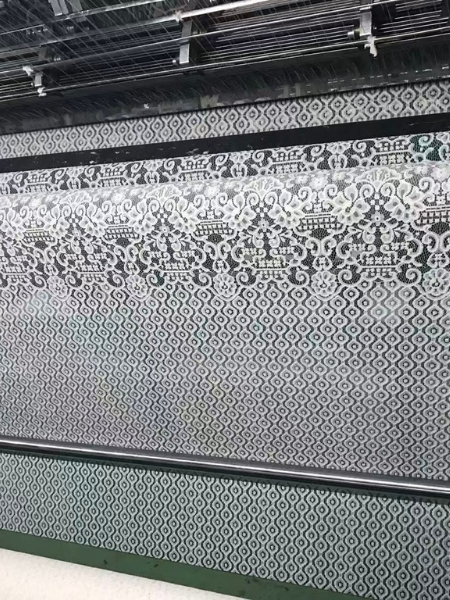
Jacquard lace machines integrate Jacquard control systems into lace production, allowing individual yarn control across thousands of needles.
Unlike embroidery-based chemical lace, Jacquard lace is produced directly as fabric, not as stitched motifs.
How Jacquard Lace Machines Work
A Jacquard system enables:
-
Independent needle control
-
Complex motif programming
-
Multi-layer pattern formation
-
Precise repeat alignment
Design data is fed digitally into the machine, allowing highly complex patterns to be woven or knitted consistently over long production runs.
Advantages of Jacquard Lace Machinery
-
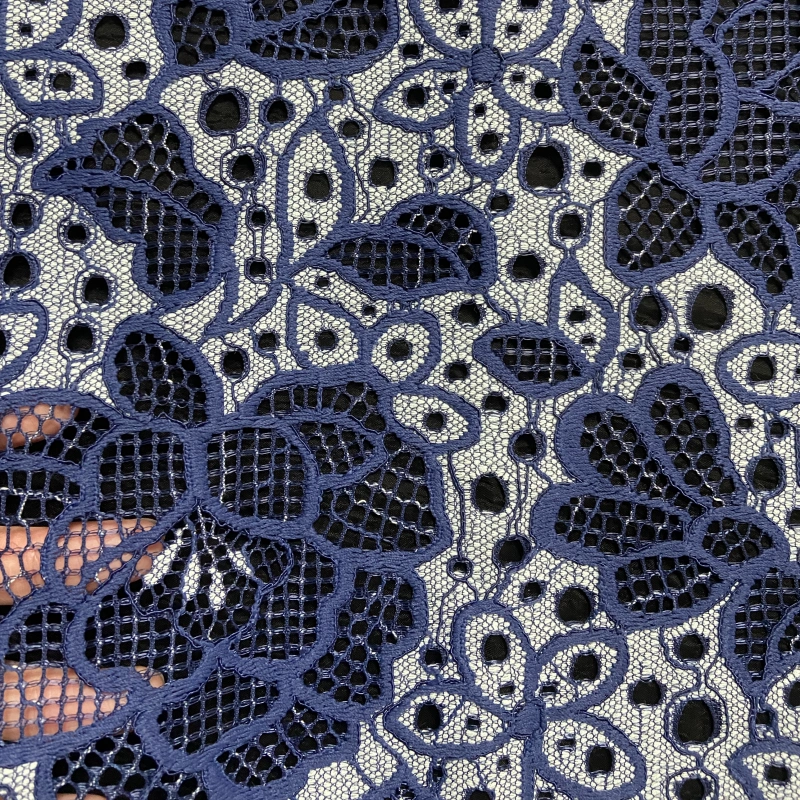
Exceptional pattern complexity
-
Consistent large-scale repeat accuracy
-
Higher production efficiency than embroidery
-
Strong compatibility with digital CAD design systems
Common Uses of Jacquard Lace
Jacquard lace is commonly found in:
-
Fashion lace fabrics
-
Bridal overlays
-
Decorative lace panels
-
Home textiles such as curtains and sheers
-
Statement garments requiring large, uninterrupted patterns
Jacquard lace strikes a balance between visual richness and industrial scalability, making it popular with brands that require both design impact and stable supply.
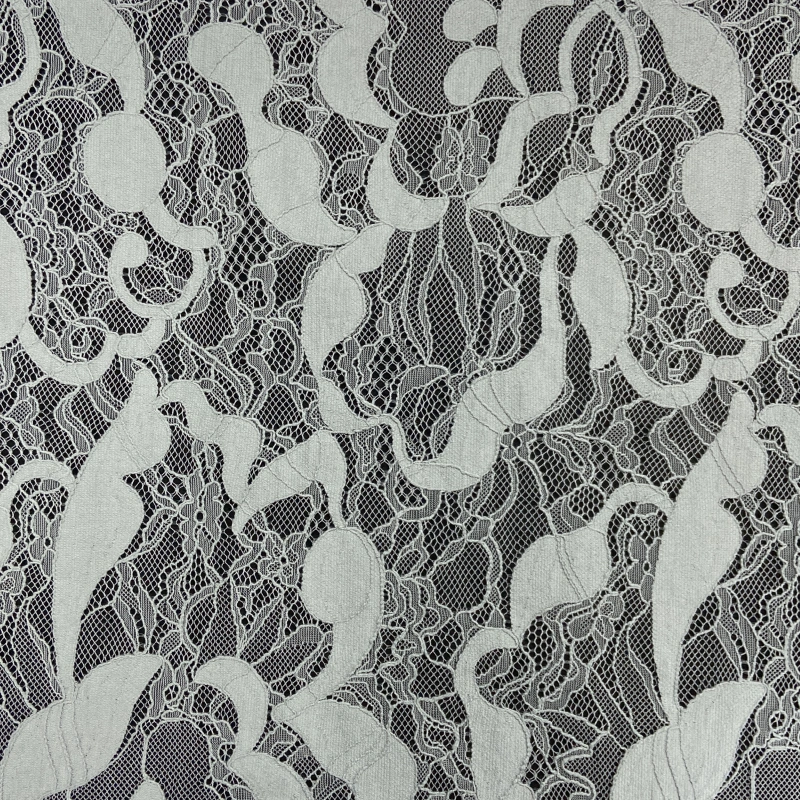
What Is Warp Knitting Lace Machinery?
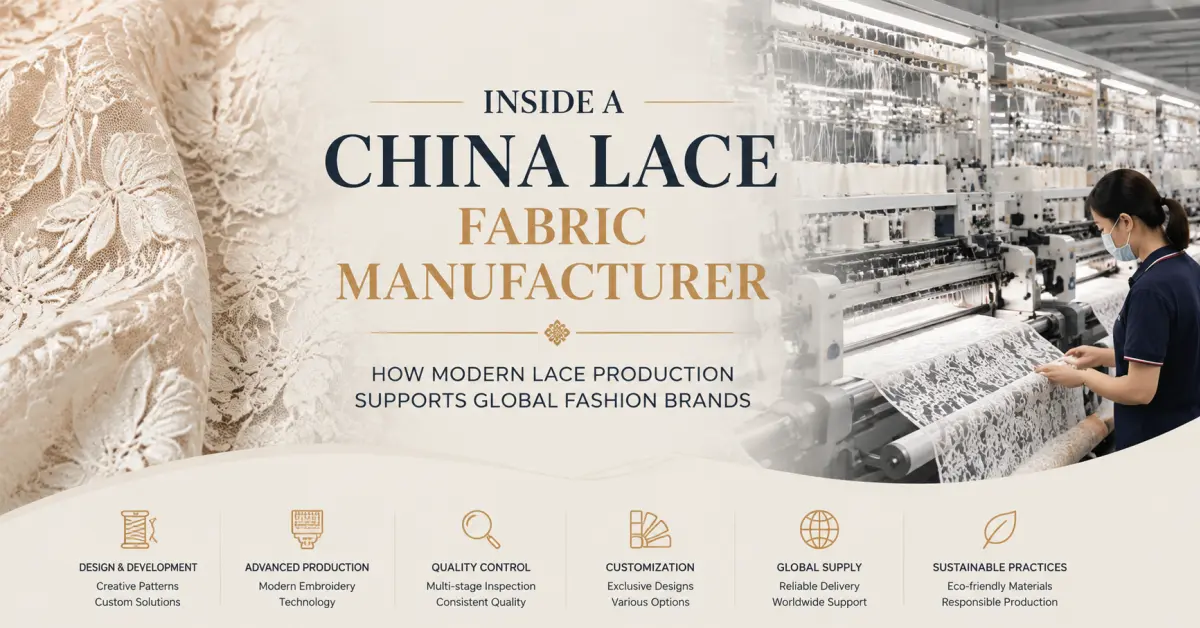
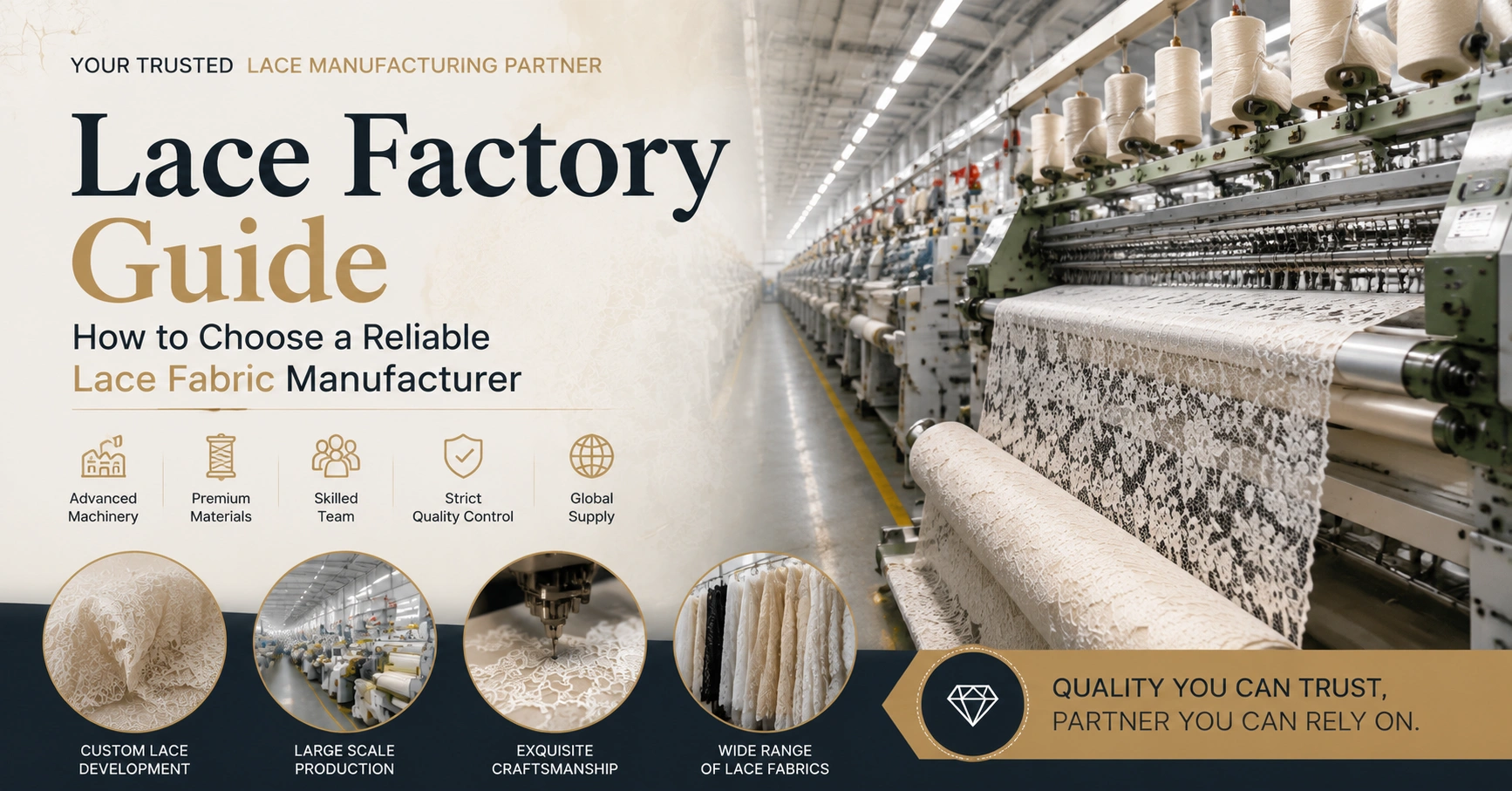
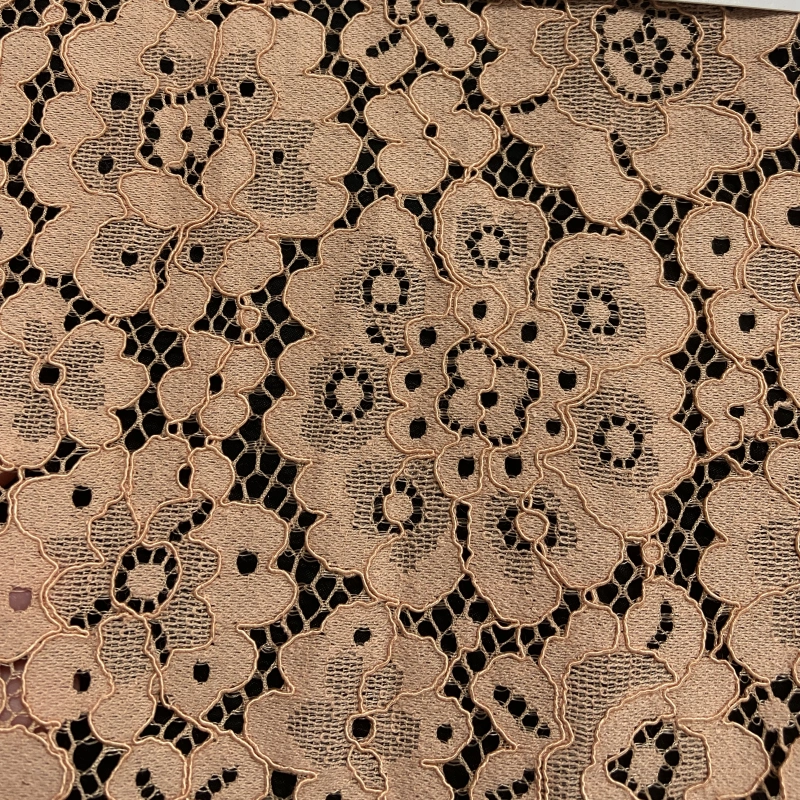
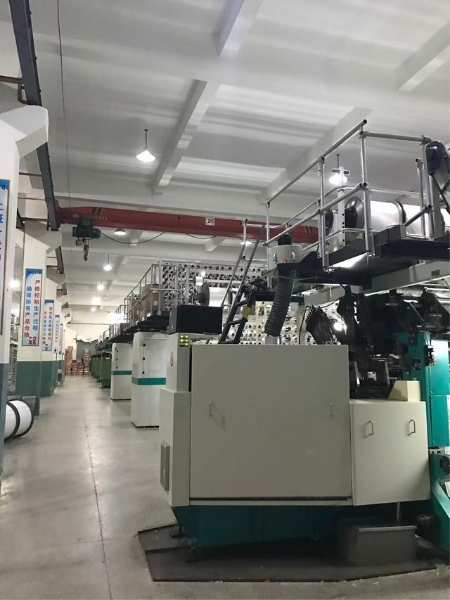
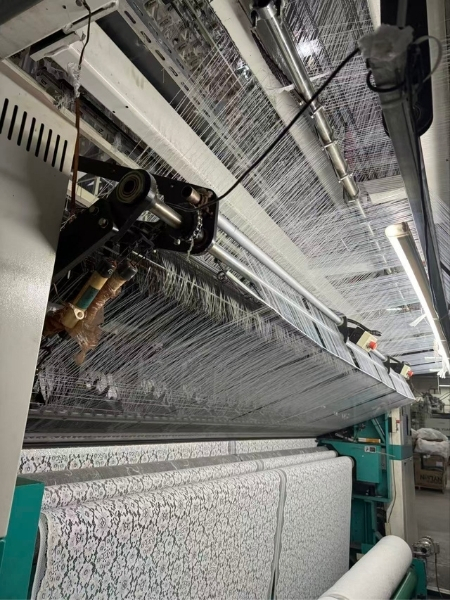
Warp knitting lace machinery—most commonly Raschel and Tricot machines—produces lace by interlacing yarns along the fabric length rather than across it.
This technology forms the backbone of modern lace mass production.
How Warp Knitting Lace Is Produced
Warp knitting lace machines operate by:
-
Feeding multiple yarns in parallel
-
Creating loops in a longitudinal direction
-
Forming stable mesh-based lace structures
-
Allowing continuous, high-speed output
Patterns are controlled mechanically or digitally, depending on machine configuration.
Key Benefits of Warp Knitting Lace
-
Very high production speed
-
Excellent dimensional stability
-
Strong and durable structure
-
Ideal for large-volume manufacturing
-
Lower unit cost compared to embroidery-based lace
Typical Applications
Warp-knitted lace is widely used in:
-
Lingerie and underwear
-
Stretch lace garments
-
Ready-to-wear fashion
-
Home textiles
-
Functional lace trims
This machinery is ideal for brands seeking cost-effective, consistent, and scalable lace solutions.
Comparing the Three Lace Technologies
| Technology | Detail Level | Production Speed | Cost Level | Best For |
|---|---|---|---|---|
| Chemical Lace | Very High | Low | High | Couture, bridal, appliqués |
| Jacquard Lace | High | Medium | Medium-High | Fashion, decorative fabrics |
| Warp Knitting Lace | Medium | Very High | Low-Medium | Mass production, lingerie |
Understanding these distinctions allows buyers to align design intent with manufacturing reality.
Choosing the Right Lace Machinery for Your Project
When selecting lace fabric or developing new designs, key questions include:
-
Is the lace decorative or structural?
-
Is volume or detail more important?
-
Does the design require stretch or rigidity?
-
What is the target price point?
Experienced manufacturers will often recommend machinery types during development, helping brands avoid costly redesigns later in production.
Industry Experience and Manufacturing Expertise
Manufacturers with in-house experience across multiple lace technologies can offer:
-
Faster sampling
-
Better design feasibility feedback
-
Stable long-term supply
-
Consistent quality control
This level of technical depth is especially important for international buyers sourcing lace for branded collections.
If you want to better understand how lace machinery choices affect real-world production, many brands consult directly with specialized lace suppliers during early design stages.
Final Thoughts: Technology Shapes Lace Quality
Lace may look delicate, but its production is deeply rooted in engineering, software, and process control. Chemical lace machinery delivers unmatched detail, Jacquard lace machines enable artistic freedom at scale, and warp knitting lace machinery powers the global lace supply chain.
By understanding these technologies, designers and buyers gain more control over quality, cost, and creative outcomes—ensuring lace remains both beautiful and commercially viable in modern fashion.
Related Technical Insights
If you're exploring lace machinery and production technologies, you may also find these in-depth resources helpful:
• Dyeing & Color Matching
Understand how dyeing processes impact lace quality, color consistency, and fabric performance.
• Pattern & Design Development
Learn how lace patterns are developed to align with machinery capabilities and production feasibility.