

蕾丝不再局限于场合服装
蕾丝在时尚界一直占有重要地位,但其角色已经发生了显着变化。
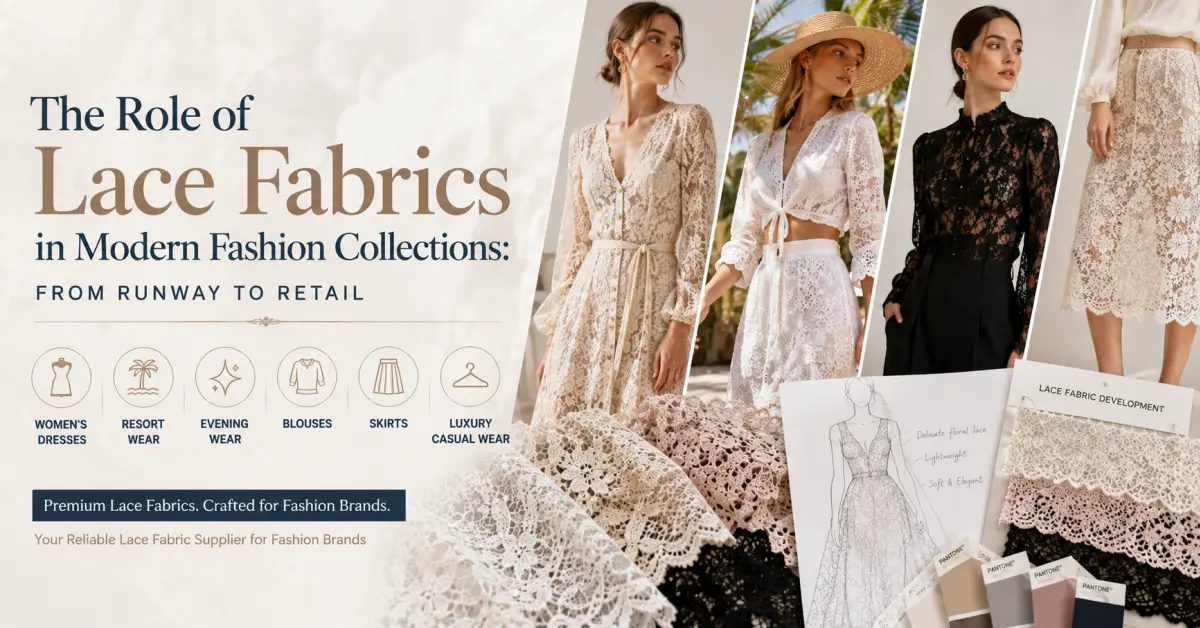
多年来,蕾丝主要与新娘礼服、内衣、晚礼服和高度装饰性服装相关。如今,时装设计师更广泛地使用蕾丝。它出现在成衣系列、度假系列、当代女装、奢华休闲单品、个性衬衫、分层半身裙、轻薄连衣裙,甚至是质地和表面设计非常重要的日常服装中。
这一变化不仅仅是使用更多蕾丝。
它是关于如何设计、制作蕾丝并将其融入服装。
现代时装系列可能会使用蕾丝作为完整的服装面料、透明覆盖层、对比面板、袖子结构、裙子层、装饰插入物或微妙的表面细节。同一个系列可能会将轻质刺绣蕾丝与平纹织物、平针织物、缎子、欧根纱、棉或技术材料相结合。
这对蕾丝供应商的要求更高。
对于时尚品牌来说,采购蕾丝不再只是从目录中选择有吸引力的图案那么简单。设计师越来越需要时尚品牌的蕾丝面料供应商能够了解面料结构、服装设计、生产要求、色彩开发、重复尺寸、重量、拉伸、透明度和最终零售定位之间的关系。
合适的蕾丝可以改变服装的外观、感觉和性能。
它可以让简单的连衣裙显得更加精致。它可以赋予度假村系列手工制作的特色。它可以将一件普通衬衫变成一件个性单品。它可以在不改变整体轮廓的情况下,为极简裙子增添质感。
然而,在制造层面,实现这些结果需要的不仅仅是漂亮的图案。
工厂必须能够将设计理念转化为可以实际切割、缝制、整理、运输和以商业规模一致复制的面料。
蕾丝在现代时尚中的变化
蕾丝使用最重要的变化是从装饰到材料设计的转变。
传统时尚应用通常将蕾丝视为额外的装饰层。设计师选择了成品蕾丝面料并将其应用到已经设计好的服装上。
现代系列越来越朝着相反的方向发展。
面料本身成为设计概念的一部分。
设计师可以从以下开始:
-
特定花卉图案
-
特定透明度级别
-
结构化刺绣效果
-
轻质表面
-
特定的窗帘
-
不规则边框
-
几何重复
-
不同线程密度的组合
-
或特定的颜色和纹理关系
然后围绕这些材料特性开发服装。
这种方法需要设计师、服装制造商和蕾丝工厂之间更加密切的合作。
从装饰面料到设计材料
结果是蕾丝市场更加广阔。
时尚品牌可能在同一季节的多个产品类别中使用蕾丝,每种应用具有不同的面料重量和结构。
这就是供应商选择很重要的原因。
蕾丝面料始于系列概念
在制造蕾丝面料之前,设计师通常需要定义该材料将在系列中扮演什么角色。
这听起来很简单,但它对制造规格有直接影响。
专为宽松度假连衣裙设计的蕾丝面料不一定适合合身的晚礼服。
同样,适合结构裙子的密集刺绣蕾丝对于轻质夏季上衣来说可能太重了。
因此,供应商在推荐或开发面料之前需要了解预期的服装应用。
开发过程中应回答的问题
专业蕾丝供应商可能需要知道:
什么类型的服装将使用该面料?
衣服合身还是宽松?
织物将用作主要材料还是用作覆盖层?
服装需要拉伸吗?
成品织物的透明度应该如何?
将使用什么类型的衬里?
目标面料重量是多少?
设计是否需要方向性主题?
布料需要扇形边缘或睫毛边缘吗?
织物会被切割成面板还是连续使用?
需要多少数量?
该产品是季节性产品还是重复商品?
这些问题有助于工厂确定合适的结构。
这是专业时尚品牌蕾丝面料供应商应该尽早参与开发过程的原因之一,而不是在服装设计完成之后才参与。
女装:最通用的蕾丝应用之一
女装仍然是时尚蕾丝最大的应用之一,但如今的用途比传统正装要广泛得多。
蕾丝可用于:
-
迷你连衣裙
-
中长连衣裙
-
超长连衣裙
-
吊带裙
-
衬衫连衣裙
-
夏季连衣裙
-
分层连衣裙
-
鸡尾酒礼服
-
度假连衣裙
-
现代晚礼服
蕾丝的结构决定了它在每个轮廓中的表现。
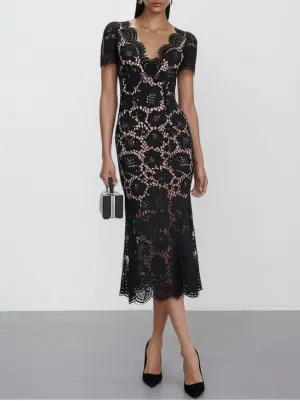
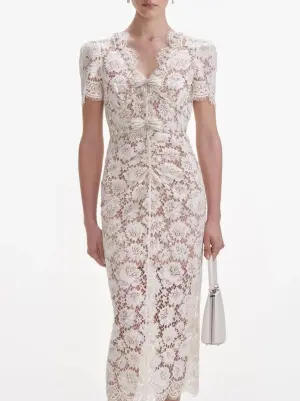
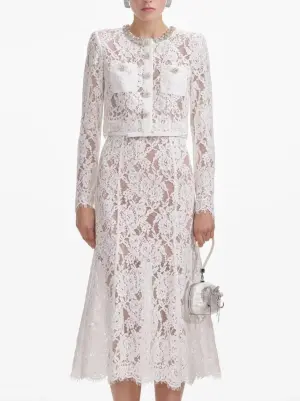
适合飘逸连衣裙的轻质蕾丝
对于宽松或飘逸的连衣裙,设计师通常会寻找具有以下特点的面料:
-
权重相对较低
-
柔软手感
-
悬垂性好
-
受控透明度
-
灵活刺绣
-
舒适运动
轻质花卉刺绣蕾丝可以在不增加大量身体重量的情况下创造视觉体积。
这在春季和夏季系列中特别有用。
适合合身连衣裙的结构化蕾丝
合身的连衣裙需要不同的特征。
面料可能需要:
-
更高的尺寸稳定性
-
受控拉伸
-
更强的刺绣结构
-
更好的恢复
-
更高的耐磨性
-
一致的主题放置
工厂不仅要考虑面料在样品衣架上的外观,还要考虑面料在裁剪和缝纫后的表现。
这种区别在采购过程中经常被忽视。
蕾丝面料作为一米样品看起来很出色,但如果结构太不稳定,在服装生产过程中表现就会很差。
度假装:蕾丝变得轻盈休闲
度假装已成为蕾丝的重要应用,因为该类别天然适合轻盈、透气、具有视觉纹理的材料。
蕾丝可用于:
-
罩衫裙
-
沙滩裙
-
休闲衬衫
-
长袍
-
轻质裙子
-
协调集
-
短款上衣
-
半透明外层
与正装不同,度假时尚通常受益于对蕾丝的更轻松的诠释。
目标不一定是最大刺绣密度。
相反,设计师可能更喜欢:
-
开放结构
-
植物图案
-
大型花卉图案
-
轻量级结构
-
自然调色板
-
不规则边框
-
透气网状结构
好的度假蕾丝应该保持视觉丰富性,同时在温暖的环境中保持舒适。探索飘逸花朵透明蕾丝。
度假花边的制造注意事项
对于在国际上销售的时尚品牌,供应商还应该了解,度假村系列可能需要不同的颜色方向,具体取决于目标市场。
柔和的象牙色、自然米色、沙色、淡蓝色、柔和的绿色、黑色和季节性流行色都可以从相同的基本设计中开发出来。
晚装:用蕾丝打造质感和深度
晚装是蕾丝继续具有强大商业价值的领域。
但是,当代晚装并不总是依赖传统的厚重蕾丝。
设计师越来越多地将蕾丝与以下元素结合起来:
-
缎面
-
仿丝面料
-
绉纱
-
网格
-
欧根纱
-
天鹅绒
-
球衣
-
科技面料
材质之间的对比可以创造深度,而不需要过多的装饰。
例如,当袖子、领口、腰部或裙子处引入透明刺绣蕾丝镶片时,相对简单的黑色连衣裙可以在视觉上变得复杂。
对于那些想要优质外观而又不想将每件衣服都变成高度装饰的单品的品牌来说,这种方法尤其有效。
主题比例的重要性
图案比例在晚装中变得尤为重要。
小花重复可以创造出精致、连续的表面。
大型植物图案可以创造更强烈的宣言。
不规则图案可以让服装显得更具手工感。
工厂需要准确控制刺绣密度和重复尺寸。
图案比例的微小变化可以显着改变成品服装的视觉平衡。
衬衫:精美蕾丝可以创造高感知价值
衬衫是轻质蕾丝最强大的应用之一,因为服装结构相对简单。
这使得面料成为主要的视觉特征。
蕾丝可用于:
-
全身衬衫结构
-
袖子
-
衣领
-
袖口
-
轭架
-
前面板
-
后面板
-
插入
-
肩部细节
对于商业时尚来说,蕾丝衬衫特别有趣,因为它们可以占据不同的价格水平。
简单的轻质刺绣蕾丝可以搭配现代成衣。
采用特殊纱线、立体感更强的定制蕾丝刺绣,或额外的装饰可以支撑奢华定位。
区别不仅仅是花边的外观。
它是以下组合:
面料结构+服装设计+整理+品牌+定位。
裙子:使用边框、重复和方向
裙子为蕾丝制造商带来了独特的挑战,因为设计师通常希望面料与服装的形状相互作用。
例如,蕾丝裙可能需要:
-
装饰性底部边框
-
定向图案
-
对称放置
-
工程面板
-
扇形边缘
-
不同的主题密度
标准重复花边图案可能无法提供所需的结果。
这就是工厂开发能力变得重要的地方。
为什么边框设计很重要
裙子的下边缘是服装最明显的区域之一。
精心设计的蕾丝边框无需额外修剪即可打造出成品外观。
例如:
主体→过渡区域→装饰边框→扇形边缘
这可以直接开发成纺织结构。
对于时尚品牌来说,这可能会减少额外缝纫操作的需要并创造出更加一体化的外观。
奢华休闲装:蕾丝的新机遇
也许最有趣的发展之一是蕾丝在奢华休闲时尚中的使用。
蕾丝不再局限于明显“特殊场合”的服装。
现在可以出现在:
-
休闲上衣
-
休闲连衣裙
-
轻质夹克
-
分层单品
-
高级 T 恤
-
针织蕾丝组合
-
休闲半身裙
-
协调集
设计理念不同。
设计师可以用蕾丝来传达:
,而不是用蕾丝来传达正式的优雅。-
工艺
-
纹理
-
个性
-
柔软度
-
女性气质
-
材料质量
这为需要可识别材料标志的时尚品牌创造了机会。
蕾丝作为分层材料
蕾丝在现代时尚中如此出色的原因之一是它能够创造视觉深度。
设计师可以将蕾丝分层:
-
棉质
-
缎面
-
球衣
-
丝绸
-
网格
-
欧根纱
-
机织物
底层材料改变了蕾丝的外观。
裸色面料上的白色刺绣蕾丝与黑色面料上的同款蕾丝完全不同的效果。
这使得颜色和分层成为面料开发过程的重要组成部分。
因此,工厂可能会提供多种颜色的相同蕾丝结构,以便设计师评估最终的视觉效果。探索蕾丝边。
时尚品牌应该寻找什么样的蕾丝面料供应商
仅根据目录尺寸或价格选择蕾丝供应商可能会在后期的生产过程中产生问题。
专业时尚品牌应该从多个角度评估供应商。
关键供应商评估标准
最重要的一点是,供应商应被视为生产合作伙伴生产合作伙伴,而不仅仅是面料销售商。
工厂能力发挥作用
从买家的角度来看,两家蕾丝供应商可以展示非常相似的样品。
但他们的制作表现可能完全不同。
这种差异通常只有在订单进入批量生产后才会显现出来。
一个有能力的工厂需要同时控制多个变量:
-
纱线质量
-
基础结构
-
绣花密度
-
机器设置
-
主题对齐
-
面料宽度
-
张力
-
整理
-
染色
-
color consistency. Learn about dyeing and color matching.
-
inspection
-
packaging
This is why factory infrastructure matters.
A modern lace manufacturing operation can combine computerized embroidery systems, knitting equipment, pattern development, finishing equipment, inspection systems, and skilled technical staff.
For brands ordering hundreds or thousands of meters, production consistency is often more important than the appearance of the initial sample. Learn about quality control standards.
From Design File to Physical Lace
Custom lace development normally begins with a visual concept.
This may be:
-
a hand-drawn sketch
-
a CAD file
-
an existing fabric sample
-
a photograph
-
a motif
-
a textile reference
-
or a combination of several ideas
The factory then needs to convert that concept into a technically manufacturable structure.
This process can involve:
Step 1: Design interpretation
The supplier evaluates the motif and determines whether it can be reproduced using the selected technique.
Step 2: Pattern development
The artwork is converted into a repeat structure suitable for the production equipment. Learn about pattern design development.
Step 3: Material selection
The factory determines suitable yarns, base fabrics, threads, and supporting materials.
Step 4: Sampling
A physical sample is produced.
Step 5: Technical adjustment
The design may be modified for:
-
density
-
size
-
spacing
-
transparency
-
weight
-
edge structure
-
color
Step 6: Approval
The brand reviews the physical sample.
Step 7: Bulk production
Once approved, the factory moves into commercial production.
This workflow is particularly important for brands developing exclusive collections.
Why Fabric Weight Matters in Fashion Design
Fabric weight is often discussed in technical terms, but its impact on garment design is substantial.
A heavier lace may:
-
create structure
-
hold a silhouette
-
provide stronger visual impact
-
work well for statement garments
A lightweight lace may:
-
drape more naturally
-
feel softer
-
support layering
-
work better for summer collections
There is no universally "best" weight.
The right weight depends on the garment.
Example
The supplier should therefore recommend the fabric based on application rather than simply offering the lightest or most decorative option.
Color Development Is More Than Choosing a Pantone Number
Color development is another area where brands should work closely with the factory.
Lace behaves differently from solid woven fabric because the pattern contains:
-
open spaces
-
embroidered sections
-
different thread densities
-
mesh areas
-
sometimes multiple materials
The perceived color may therefore change depending on:
-
background fabric
-
lighting
-
thread type
-
embroidery density
-
garment lining
-
layering
For this reason, physical color samples remain important.
A fashion brand should evaluate the final lace against the intended garment material rather than relying entirely on a digital screen.
Custom Lace Helps Fashion Brands Build a Distinctive Collection
One of the biggest advantages of working directly with a lace manufacturer is the ability to develop a more exclusive material.
A brand may customize:
-
motif
-
repeat size
-
width
-
color
-
embroidery density
-
thread type
-
border
-
scallop
-
material combination
-
embellishment. Explore sequins and beads embroidery.
-
finishing. Explore customized processes.
This can create a fabric that is much harder for competitors to reproduce using standard wholesale lace.
For brands operating in a crowded fashion market, that distinction can have commercial value.
Lace Development for Different Fashion Categories
A professional lace supplier should not approach every category in the same way.
Women's dresses
Focus on:
-
drape
-
transparency
-
motif scale
-
fabric width
-
comfort
Resort wear
Focus on:
-
lightweight structure
-
breathability
-
softness
-
open motifs
-
color versatility
Evening wear
Focus on:
-
visual depth
-
dimensional texture
-
embroidery density
-
premium appearance
Blouses
Focus on:
-
softness
-
drape
-
lightweight construction
-
skin comfort
Skirts
Focus on:
-
stability
-
border construction
-
repeat direction
-
cutting efficiency
Luxury casual
Focus on:
-
subtle texture
-
comfort
-
durability
-
understated design
This application-based approach is more useful than simply classifying lace by name.
Production Consistency: The Real Test of a Supplier
A sample can look perfect.
The real question is whether the factory can reproduce it consistently.
For commercial fashion production, buyers should pay attention to:
-
width consistency
-
pattern alignment
-
embroidery density
-
color variation
-
thread tension
-
edge quality
-
defects
-
holes
-
stains
-
broken embroidery
-
repeat accuracy
A professional factory should have inspection procedures throughout production rather than relying only on final inspection.
Typical production quality checkpoints
For large fashion collections, these controls can make the difference between a smooth launch and a costly production problem.
MOQ and Production Flexibility
Not every fashion brand needs the same quantity.
A large international brand may require substantial production volumes.
An independent designer may initially need only a limited quantity.
A growing fashion label may start with a small order and increase volume after the product performs well.
This makes MOQ an important sourcing consideration.
A supplier that can support different production scales gives brands more flexibility when testing new materials.
The ideal MOQ should not be considered independently from the production process.
A very low MOQ may be attractive, but if the factory cannot maintain consistent quality or competitive pricing at that volume, it may not provide the best overall solution.
From Runway Sample to Commercial Production
The transition from runway development to retail production is often where fabric problems become visible.
A runway garment may only require a small amount of specially developed material.
Retail production is different.
The factory needs to consider:
-
production quantity
-
fabric yield
-
cutting efficiency
-
defect tolerance
-
repeat consistency
-
lead time
-
packaging
-
shipping
-
replenishment
A lace fabric that works beautifully for a single runway piece may not be commercially practical.
For this reason, fabric development should consider the complete production chain from the beginning.
How Lace Influences Retail Product Value
Consumers may not know the technical details of lace manufacturing.
But they can see and feel the result.
A high-quality lace can contribute to:
-
visual differentiation
-
texture
-
perceived craftsmanship
-
product identity
-
premium positioning
-
styling versatility
This is particularly important for brands competing in premium and contemporary fashion.
The value of lace is therefore not limited to its cost per meter.
A better way to evaluate it is:
Fabric cost + garment performance + design differentiation + perceived value.
A slightly more expensive lace may produce a substantially more valuable final garment.
Why Supplier-Fashion Brand Communication Matters
Lace development involves many technical details.
Miscommunication can easily lead to:
-
incorrect motif size
-
wrong color
-
unsuitable fabric weight
-
excessive transparency
-
insufficient stretch
-
incorrect border dimensions
-
unsuitable width
A strong supplier relationship therefore depends on clear communication.
Fashion brands should provide as much information as possible during development.
Useful information includes:
-
technical drawings
-
reference samples
-
garment type
-
target market
-
expected quantity
-
color references
-
delivery schedule
-
desired hand feel
-
lining information
The more precise the initial brief, the more efficient the development process can become.
Sustainable Lace Is Becoming Part of Fashion Sourcing
Sustainability is increasingly relevant to fabric sourcing.
For fashion brands, the question is not only whether a lace looks attractive.
They may also need to understand:
-
fiber composition
-
recycled materials
-
certification
-
traceability
-
dyeing
-
finishing
-
production waste
Material selection can therefore become part of a brand's broader sustainability strategy.
Some manufacturers now offer lace made with recycled materials or certified inputs, depending on product requirements.
For buyers, it is important to verify certification and documentation rather than relying only on sustainability claims. Visit our sustainability section.
Why China Remains Important for Fashion Lace Sourcing
China continues to play an important role in global textile manufacturing because the supply chain provides access to:
-
large-scale textile production
-
embroidery technology
-
skilled manufacturing teams
-
raw material networks
-
customization
-
export infrastructure
-
flexible production models
For lace specifically, the combination of textile manufacturing and embroidery capability can be particularly valuable.
A fashion brand can work with a supplier that understands both the aesthetic side of fabric development and the technical requirements of commercial production.
This is especially useful for brands that need to move quickly from concept to sample and then into bulk production.
What Makes a Good Lace Fabric Supplier for Fashion Brands?
The best supplier is not necessarily the one with the largest catalog.
A better supplier is one that can support the brand throughout the development cycle.
That means being able to answer questions such as:
-
Can the design be manufactured?
-
Can the fabric be customized?
-
Can the color be developed?
-
Can the sample be modified quickly?
-
Can the factory reproduce the approved sample?
-
Can the supplier handle the required quantity?
-
Can the production schedule match the collection launch?
-
Can the supplier maintain quality across repeat orders?
For fashion brands, these questions are often more important than simply finding the lowest price.
A Practical Sourcing Checklist for Fashion Brands
Before placing a bulk lace order, brands can use the following checklist.
Design
-
Motif approved
-
Repeat size approved
-
Fabric width confirmed
-
Border approved
-
Transparency confirmed
Material
-
Fiber composition confirmed
-
Thread specification confirmed
-
Weight confirmed
-
Stretch requirement confirmed
-
Hand feel approved
Color
-
Color reference provided
-
Lab dip or sample approved
-
Final color confirmed
Production
-
MOQ confirmed
-
Production lead time confirmed
-
Bulk sample approved
-
Quality standards agreed
-
Packaging requirements confirmed
Logistics
-
Delivery address confirmed
-
Shipping method confirmed. Learn about importing logistics.
-
Required delivery date confirmed
-
Export documentation confirmed
This process may seem detailed, but it can significantly reduce misunderstandings during bulk production.
Lace Should Be Selected Around the Garment---not the Other Way Around
One of the most common sourcing mistakes is choosing lace simply because the pattern looks attractive.
A better approach is to start with the garment.
Ask:
What does this garment need from the fabric?
A resort dress needs movement.
A fitted blouse needs comfort.
An evening dress may need structure.
A skirt may need a strong border.
A luxury casual top may need subtle texture.
Once the garment requirement is clear, the factory can recommend the appropriate construction.
This creates a more efficient relationship between designer and manufacturer.
The Future of Lace in Fashion Collections
Lace is likely to continue expanding beyond traditional occasionwear.
Several directions are particularly relevant to fashion brands.
More engineered lace
Instead of repeating a standard pattern across the entire width, manufacturers can develop more controlled motif placement and borders.
More mixed-material development
Lace can be combined with:
-
mesh
-
organza
-
satin
-
ribbons
-
sequins
-
cords
-
other embroidery structures. Explore cord embroidery.
More lightweight structures
As consumers seek comfortable clothing, lightweight lace will remain important for summer and resort collections.
More customized materials
Brands increasingly want materials that are identifiable with their own design language.
More sustainable sourcing
Certified and recycled materials are becoming increasingly relevant to international fashion buyers.
The role of the factory will therefore become more important rather than less.
From Runway to Retail: The Complete Lace Development Chain
The modern lace supply chain can be understood as a continuous process:
Fashion trend
↓
Collection concept
↓
Garment design
↓
Lace material selection
↓
Factory development
↓
Prototype sample
↓
Technical adjustment
↓
Approved fabric
↓
Garment sampling
↓
Bulk lace production
↓
Garment manufacturing
↓
Quality inspection
↓
Global distribution
↓
Retail collection
This is why the relationship between a fashion brand and its lace supplier should be considered a long-term development partnership.
The fabric is not an isolated component.
It is part of the product development system.
How to Choose the Right Lace Partner for Your Collection
If your brand is sourcing lace for a new collection, start by defining the application.
Instead of simply asking:
"What lace do you have?"
A more productive conversation is:
"We are developing a lightweight resort dress and need a soft embroidered lace with controlled transparency, a large botanical motif, and a custom color."
This gives the factory something specific to work with.
For a blouse, the brief may focus on softness and drape.
For an evening dress, the focus may be dimensional embroidery and visual impact.
For luxury casualwear, the goal may be a subtle lace texture that works with everyday silhouettes.
The supplier's role is then to connect the design objective with a practical manufacturing solution.
Why the Factory Behind the Fabric Matters
For fashion brands, the real value of a lace supplier is not simply the fabric itself.
It is the manufacturing system behind it.
A strong factory can provide:
-
product development
-
technical consultation
-
sampling
-
customization
-
production management
-
quality control
-
material sourcing
-
finishing
-
packaging
-
international logistics support. Explore cut piece and processing.
This reduces the number of separate suppliers involved in the development process.
It can also make communication faster and improve consistency between the approved sample and bulk production.
For brands launching multiple seasonal collections, this relationship can become a significant operational advantage.
FAQ: Lace Fabrics for Modern Fashion Collections
1. What types of lace fabrics are best for fashion brands?
There is no single best type. The appropriate lace depends on the garment. Lightweight embroidered lace works well for resort dresses and blouses, while denser or more structured lace can be suitable for eveningwear, skirts, and statement garments.
2. Can a lace fabric supplier develop custom designs?
Yes. Depending on the factory's capabilities, custom development may include motif design, embroidery structure, width, color, borders, thread selection, and material combinations.
3. What should fashion brands provide when requesting custom lace?
A useful development brief should include the intended garment, reference images or drawings, desired color, approximate quantity, fabric width, hand feel, transparency, and any special construction requirements.
4. Is lace suitable for luxury casualwear?
Yes. Modern lace is increasingly used in luxury casual collections because it can introduce texture and craftsmanship without making a garment overly formal.
5. Can lace be used for resort wear?
Yes. Lightweight and breathable lace structures are particularly suitable for resort dresses, cover-ups, skirts, tops, and coordinated sets.
6. What lace works best for blouses?
Soft, lightweight lace with good drape is generally suitable for blouses. The exact construction depends on whether the blouse is fitted, relaxed, lined, or designed to be semi-transparent.
7. How can brands make their lace fabrics more exclusive?
Brands can develop custom motifs, colors, borders, embroidery structures, or material combinations instead of relying exclusively on standard catalog designs.
8. Why is factory capability important when sourcing lace?
Factory capability affects sampling speed, customization, production consistency, quality control, lead time, and the supplier's ability to reproduce the approved fabric at commercial scale.
9. How early should a fashion brand contact a lace supplier?
Ideally, the supplier should be involved during the early fabric development stage. This allows technical limitations, production requirements, and material options to be considered before the garment design is finalized.
10. Can the same lace design be produced in different colors?
In many cases, yes. However, the final appearance can vary depending on the thread, base material, embroidery density, and dyeing process. Physical samples are recommended for approval.
11. What is more important: lace price or fabric quality?
For commercial fashion, both matter, but the lowest price does not necessarily create the lowest overall product cost. Quality issues, inconsistent bulk production, delays, and poor garment performance can create additional costs.
12. How do I find a reliable lace fabric supplier for fashion brands?
Look for a supplier with proven manufacturing capability, customization experience, quality control systems, suitable MOQ, reliable communication, and the ability to support both sample development and bulk production.
Lace Is Becoming a Core Fashion Material
The role of lace in fashion is changing.
It is no longer limited to bridal gowns, lingerie, or formal occasionwear. Modern designers are using lace across women's dresses, resort wear, eveningwear, blouses, skirts, and luxury casual collections.
What makes lace valuable is not simply its decorative appearance.
It is the combination of pattern, texture, transparency, construction, color, weight, drape, and garment application.
For fashion brands, this means fabric sourcing needs to happen much earlier in the product development process.
A capable lace fabric supplier for fashion brands should be able to participate in that process—from design interpretation and sample development to customization, production, quality control, and bulk delivery.
The most successful lace developments are rarely created by simply selecting a finished fabric from a catalog.
They come from understanding what the garment needs and then engineering the fabric around that requirement.
For a modern fashion brand, that can mean the difference between using lace as another decorative material and turning lace into a recognizable part of the collection's identity.
And ultimately, that is where the real value of a professional lace manufacturing partner lies: not simply supplying fabric, but helping transform a fashion concept into a commercially viable product.
Ready to source lace fabrics for your next fashion collection? Visit our homepage to explore our products or contact us for inquiries. You may also submit an inquiry for custom pricing.