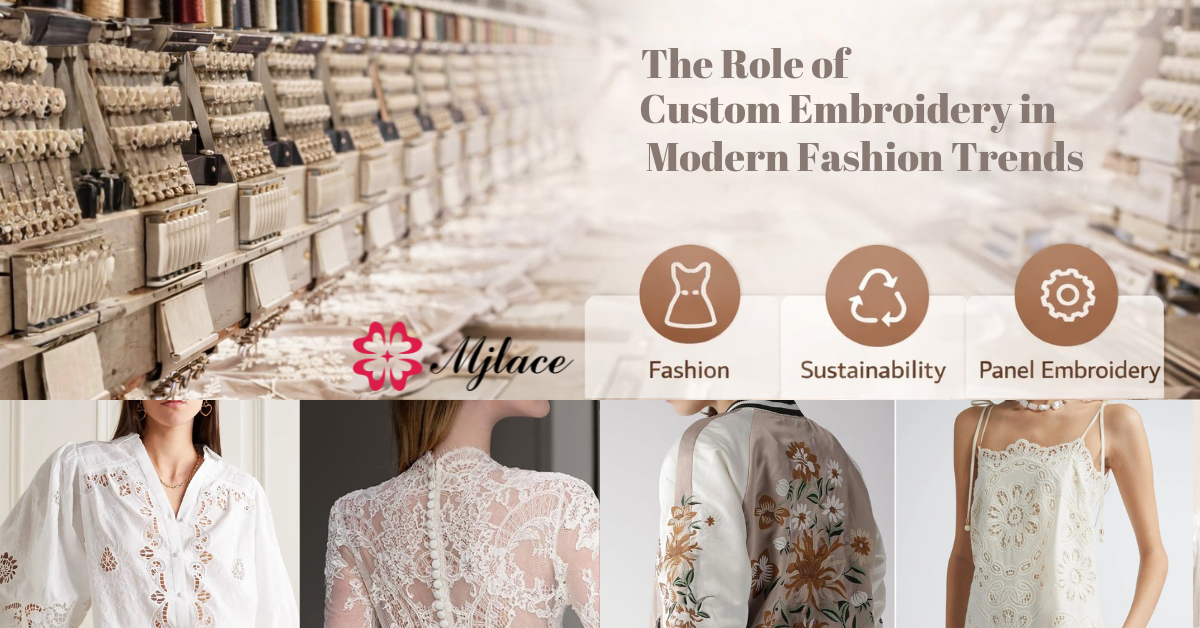


As sustainability becomes a core requirement rather than a marketing trend, the fashion industry is undergoing a fundamental shift. Brands, designers, and manufacturers are all being challenged to rethink how garments are designed, produced, and delivered—with environmental responsibility at the center.
In this transformation, eco textiles and sustainable production methods play a critical role. Among them, responsible embroidery techniques, particularly custom panel embroidery, are emerging as an effective way to balance creativity, efficiency, and sustainability.
This article explores how sustainable embroidery practices support eco textile strategies and how manufacturers like Mjlace help brands reduce waste while maintaining design flexibility.
Sustainability Is No Longer Optional in Fashion
Global fashion brands are facing increasing pressure from:
-
Environmental regulations
-
Conscious consumers
-
Retail sustainability requirements
-
ESG and supply chain transparency standards
Sustainability today goes beyond fabric selection—it includes how materials are processed, decorated, and assembled.
Embroidery, once seen as a purely decorative element, is now being re-evaluated as part of the sustainability equation.
What Are Eco Textiles in Modern Apparel?
Eco textiles refer to fabrics and materials designed to minimize environmental impact throughout their lifecycle.
Common characteristics include:
-
Reduced water and chemical usage
-
Responsible fiber sourcing
-
Long-lasting durability
-
Compatibility with low-waste production
However, even eco-friendly fabrics can lose their sustainability advantage if inefficient decoration methods are used.
This is where embroidery technique selection becomes crucial.
The Environmental Impact of Traditional Embroidery Methods
Traditional full-fabric embroidery often involves:
-
Embroidering large fabric rolls before cutting
-
High material waste during garment cutting
-
Limited flexibility for design adjustments
-
Higher risk of unusable embroidered areas
From a sustainability standpoint, this approach can lead to avoidable textile waste, especially in small-batch or customized production.
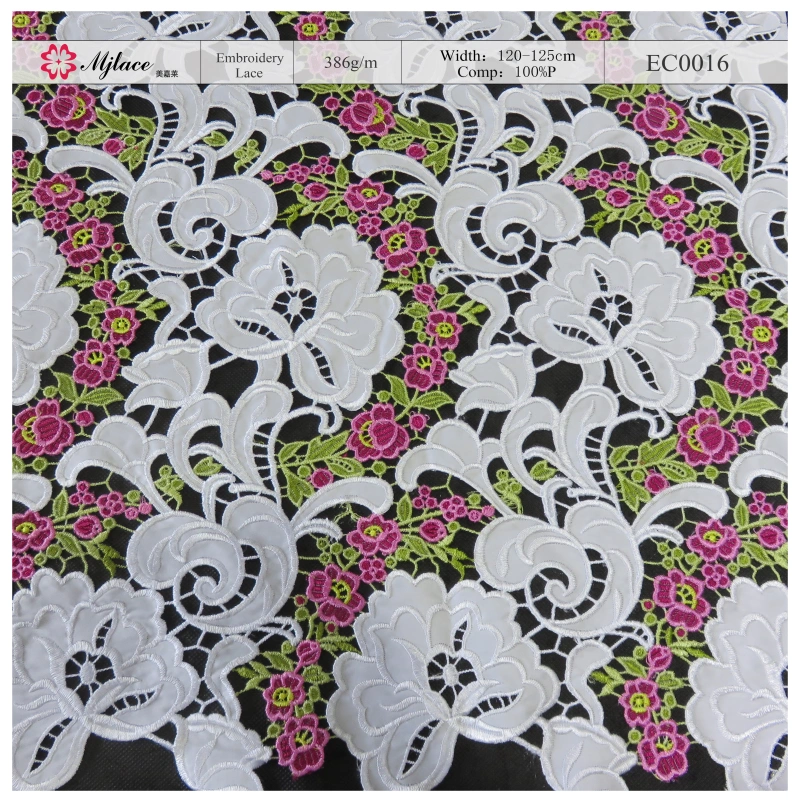
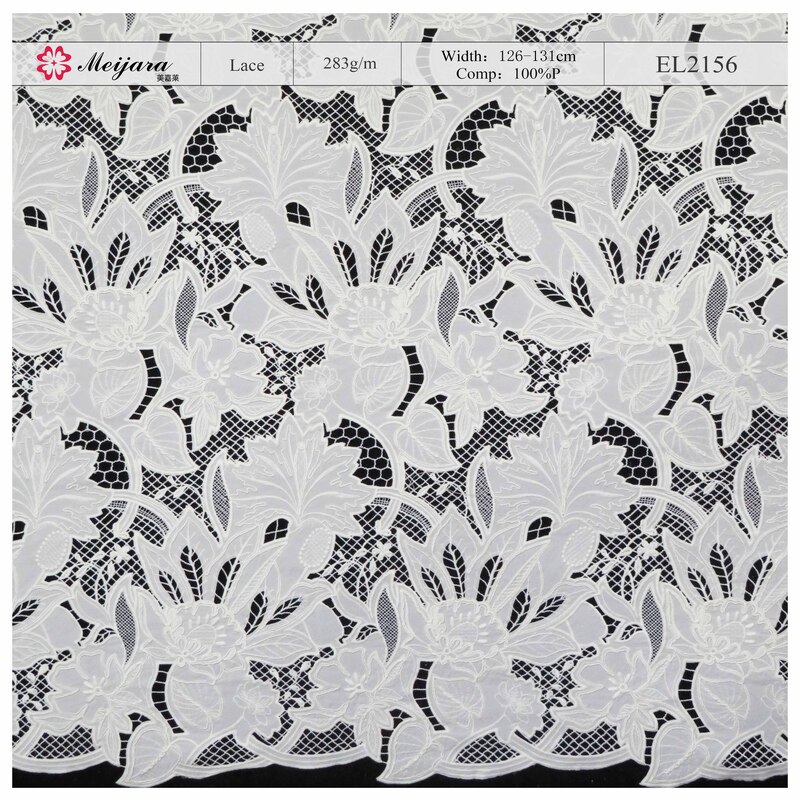
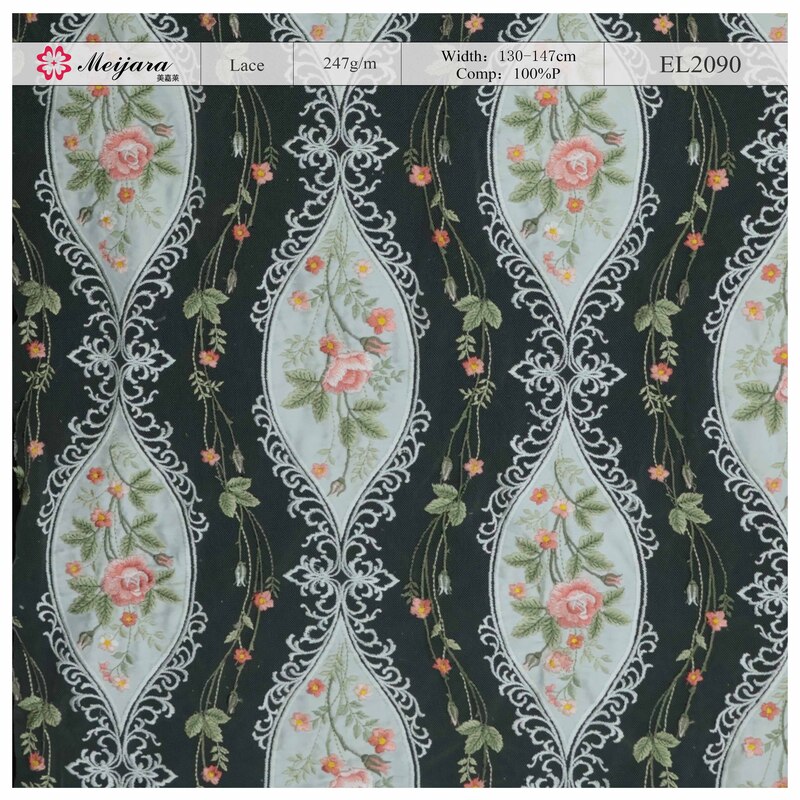
Panel Embroidery as a Sustainable Alternative
Panel embroidery (cut-piece embroidery) offers a more responsible solution.
How Panel Embroidery Supports Sustainability
-
Embroidery is applied only to required garment panels
-
Fabric waste is significantly reduced
-
Design placement is more precise
-
Easier to adjust patterns for different sizes or styles
At Mjlace, clients send pre-cut garment panels based on finalized patterns, and embroidery is applied only where needed—maximizing material efficiency.
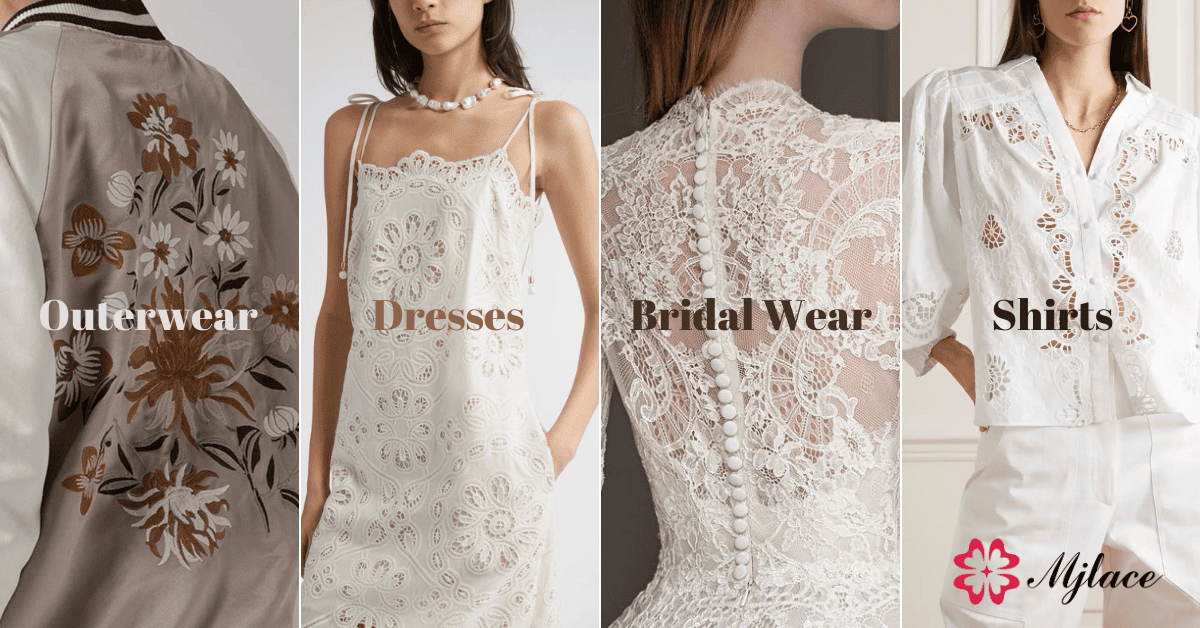
Custom Embroidery and Waste Reduction
Customization is often misunderstood as being less sustainable. In reality, smart customization reduces overproduction.
Sustainable Benefits of Custom Embroidery
-
Smaller production runs aligned with actual demand
-
Reduced dead stock and unsold inventory
-
Faster sampling and market testing
-
Better control over material usage
By combining custom embroidery with panel-based workflows, brands gain flexibility without compromising sustainability goals.
Sustainable Embroidery for Eco Textile Applications
Eco textiles often require careful handling to maintain their properties.
Panel embroidery is particularly suitable for:
-
Organic cotton garments
-
Linen and lightweight woven fabrics
-
Lace and embroidered mesh
-
Delicate sustainable blends
Because embroidery is done on individual panels, tension, stitch density, and thread selection can be adjusted precisely—helping preserve fabric integrity and longevity.
Longevity as a Sustainability Strategy
Sustainability is not only about production—it’s also about product lifespan.
Well-executed embroidery:
-
Enhances garment durability
-
Adds perceived value
-
Encourages longer use and repeat wear
Custom embroidery transforms garments from disposable fashion items into designed products with lasting appeal.
How Manufacturers Support Sustainable Fashion Brands
For sustainability initiatives to succeed, brands need manufacturing partners who understand both design intent and production efficiency.
Key capabilities include:
-
Clear communication on embroidery feasibility
-
Flexible support for small and medium batches
-
Waste-conscious embroidery workflows
-
Experience with diverse fabric types
Mjlace’s focus on panel embroidery services allows fashion brands to integrate embroidery seamlessly into eco-conscious production lines.
Sustainability Through Process Transparency
Transparency is an increasingly important part of sustainable fashion.
Panel embroidery enables:
-
Clear tracking of embroidered components
-
Better production documentation
-
Easier quality control
-
Simplified collaboration between design and production teams
This aligns well with modern supply chain reporting requirements.
The Future of Eco Textiles and Embroidery
As sustainability continues to shape fashion trends, we can expect:
-
Increased use of panel-based embroidery
-
Greater demand for low-waste decoration techniques
-
Closer collaboration between designers and embroidery specialists
-
Integration of sustainable materials with advanced embroidery technology
Embroidery will not disappear—instead, it will evolve into a more responsible, efficient, and design-driven process.
Final Thoughts
Sustainability in fashion is built on hundreds of small, thoughtful decisions—from fabric sourcing to decoration techniques. Custom panel embroidery represents one of those decisions that delivers both environmental and commercial benefits.
For brands seeking to align eco textile strategies with modern design demands, choosing the right embroidery method is no longer optional—it’s strategic.
By embracing low-waste embroidery processes and working with experienced partners, fashion brands can move toward a future where design, efficiency, and sustainability coexist.