



As the fashion industry moves toward 2026, the conversation is no longer centered solely on color palettes or seasonal silhouettes. Instead, the most influential trends are emerging from material science, structural garment engineering, and sustainability-driven development.
Fashion is shifting from surface decoration to textile intelligence. From luxury couture houses to performance-driven apparel brands, materials are becoming the foundation of storytelling, functionality, and brand differentiation.
Below is a forward-looking analysis of the key fashion trends expected to shape 2026 — with particular focus on fabric, lace, and textile development.
Engineered Textures Over Printed Surfaces
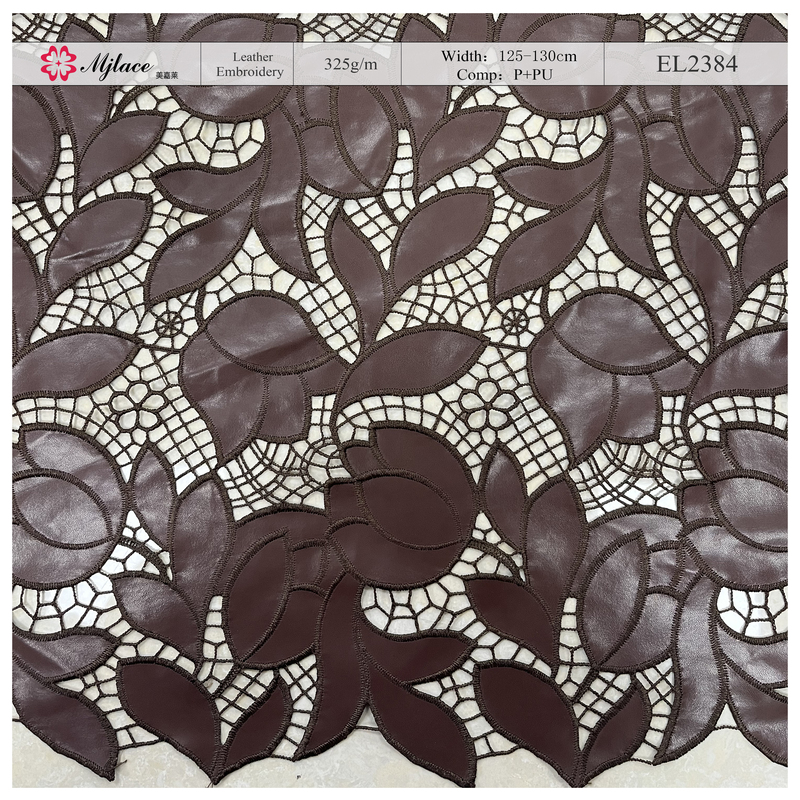
One of the most defining shifts heading into 2026 is the move away from heavy graphic printing toward engineered surface textures.
Instead of visual storytelling through prints, designers are creating depth using:
-
Embossed structures
-
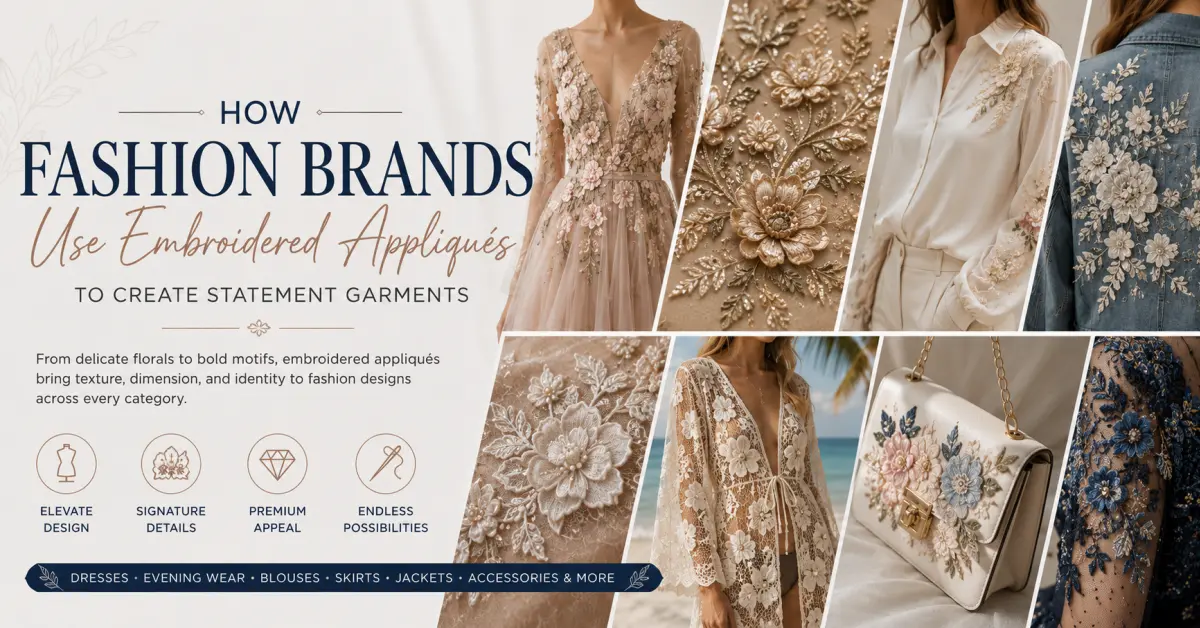
Sculptural appliqué elements
-
Mixed-density weaving and knitting
Consumers are increasingly drawn to garments that feel tactile and dimensional. Texture now communicates luxury more effectively than bold logos or patterns.
For textile suppliers, this means:
-
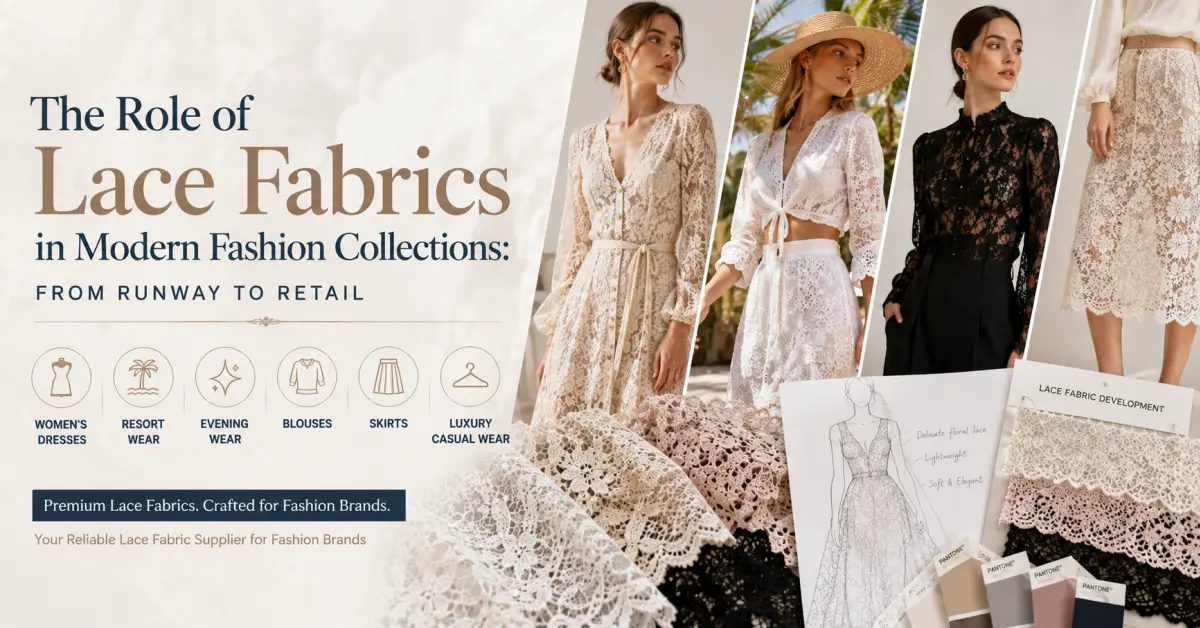
Higher demand for customized lace layouts
-
Increased need for stitch engineering
-
Greater focus on relief and negative space
Lightweight Structure as the New Luxury
Weight reduction without compromising form will dominate 2026 collections.
Garments will appear structured, yet feel light and breathable. This is being achieved through:
-
Precision embroidery without backing
-
Engineered cutwork panels
-
Bonded seams and minimal internal layering
In luxury and premium ready-to-wear, the concept of “light sophistication” will replace heavy embellishment. The ability to create volume and dimension without bulk will be a competitive advantage.
Cultural Minimalism
Rather than overt heritage motifs, 2026 will see a rise in abstract cultural references translated into subtle textile structures.
Designers will:
-
Reinterpret traditional motifs through geometric stitch systems
-
Use repetition patterns to suggest identity
-
Incorporate heritage symbolism through texture rather than print
This trend aligns strongly with custom embroidery and lace development, where motifs can be embedded into the structure itself rather than applied afterward.
Hybrid Performance Aesthetics
The boundary between fashion and technical apparel continues to blur.
In 2026, expect:
-
Couture-inspired sportswear
-
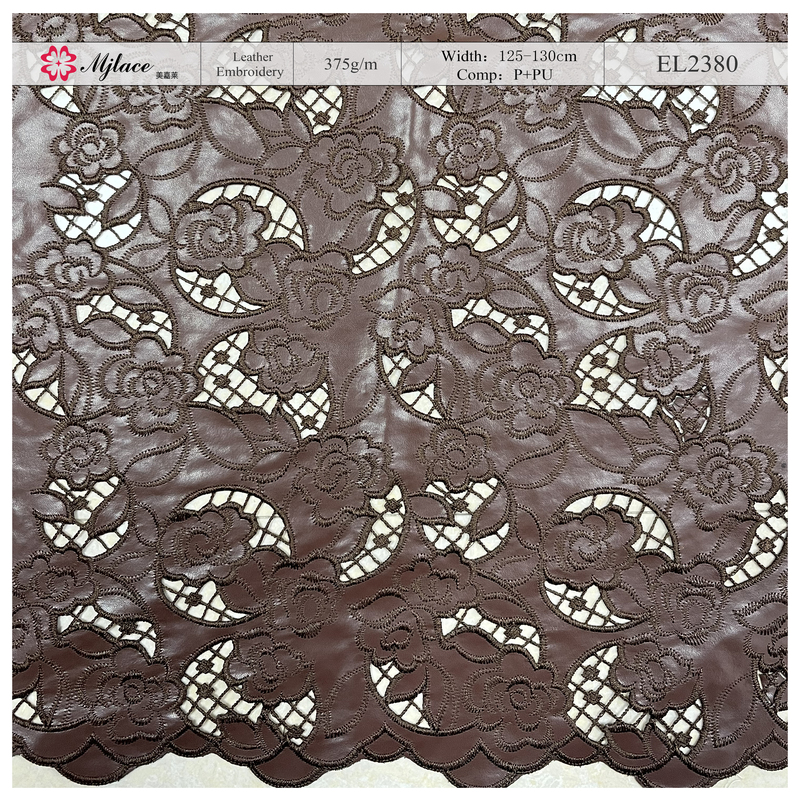
Structured outerwear with decorative lace inserts
-
Breathable evening fabrics
-
Performance-inspired tailoring
Fashion will borrow from athletic garment engineering:
-
Seamless construction
-
Layer reduction
-
High-stability lightweight fabrics
This shift opens new possibilities for lace to be integrated into functional garments, not just decorative pieces.
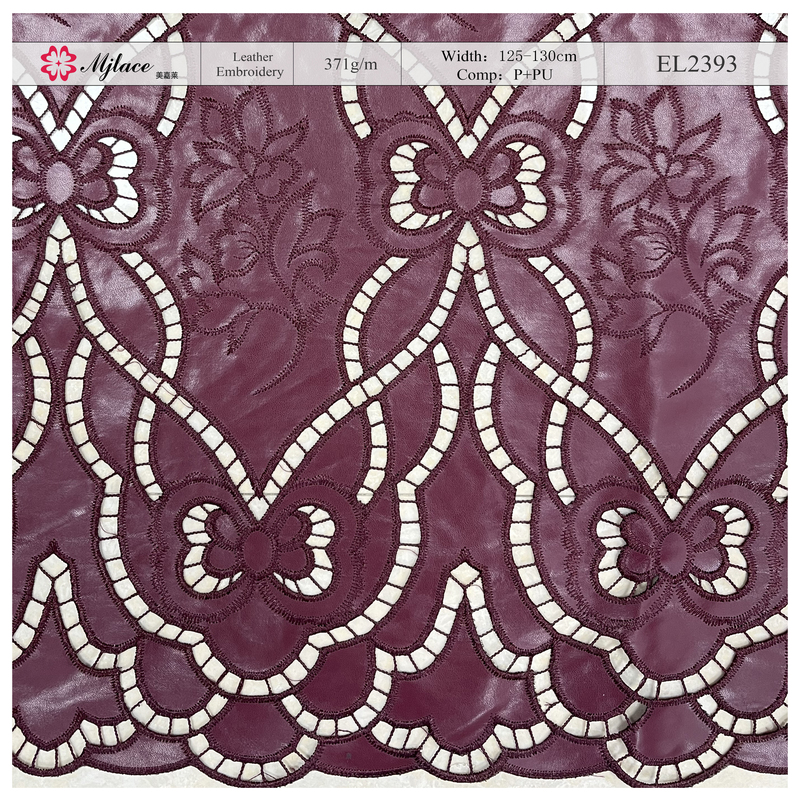
Sustainability Through Construction, Not Messaging
Sustainability will remain central, but messaging will shift.
Rather than relying on eco-label branding, brands will focus on:
-
Reduced material waste through engineered panel layouts
-
Efficient pattern-matched lace cutting
-
Lower-density embroidery to reduce thread consumption
-
Durable fabrics designed for longevity
Buyers will increasingly ask:
-
Can this textile be optimized for minimal waste?
-
Is the structure production-efficient?
-
Can customization reduce overproduction?
Suppliers with advanced development capabilities will gain a strategic advantage.
Modular Design & Custom Development Growth
Another important direction for 2026 is modular garment construction.
Designers will favor:
-
Detachable panels
-
Layer-adaptable garments
-
Customizable textile components
This increases demand for:
-
Repeat accuracy for pattern alignment
OEM and custom textile development will play a larger role in fashion supply chains as brands seek differentiation.
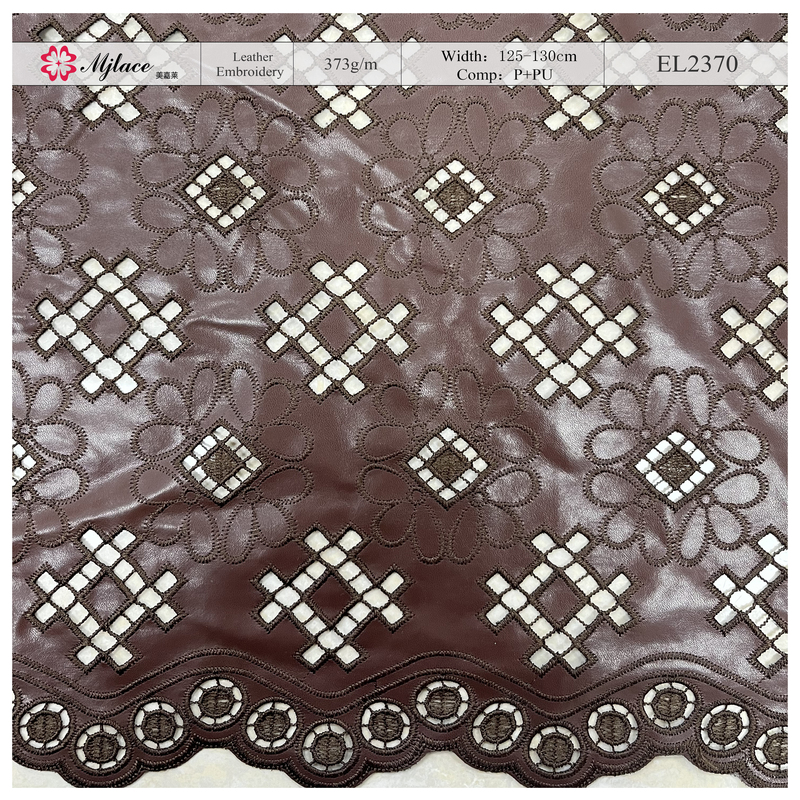
The Return of Precision Craftsmanship
Mass-produced embellishment will decline in perceived value. Instead, refined detailing and controlled stitch logic will define premium collections.
Consumers in 2026 will associate quality with:
-
Clean finishing
-
Balanced negative space
-
Subtle relief effects
-
Structural harmony
For lace and embroidery manufacturers, this means moving beyond decorative density and toward technical balance.
What This Means for Lace & Textile Development
The core message of 2026 fashion trends is clear:
Fabric is no longer background — it is architecture.
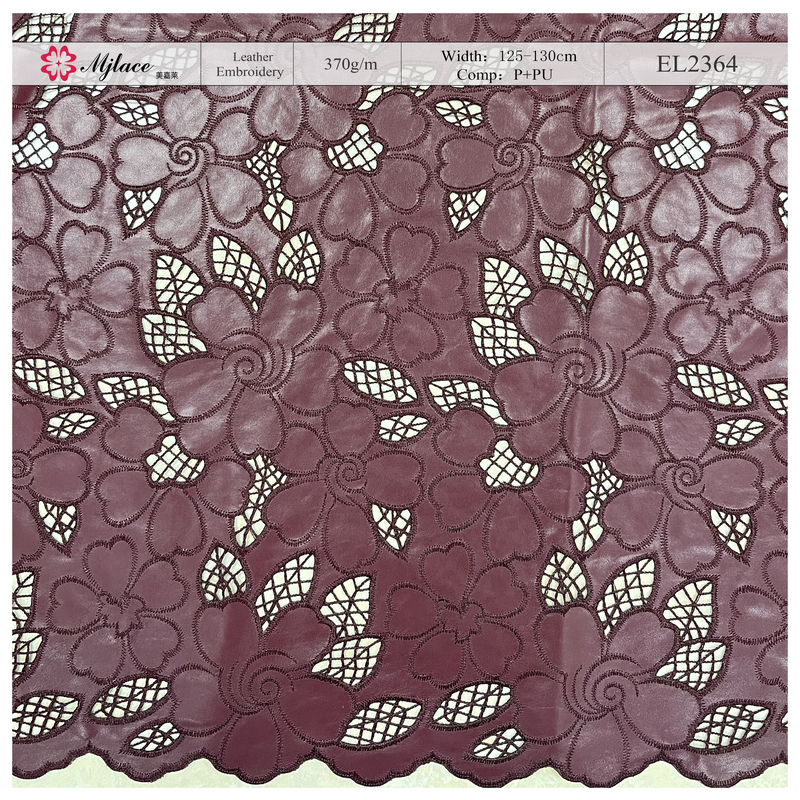
At MJ Lace, we see increasing requests for:
-
Structural appliqué systems
-
Lightweight engineered embroidery
-
Panel-matched lace for production efficiency
Designers want materials that perform visually and structurally.
Buyers want stability and scalability.
Brands want identity built into the textile.
The future belongs to suppliers who can combine design collaboration, technical execution, and scalable manufacturing.
Final Outlook for 2026
Fashion in 2026 will be defined by:
-
Material intelligence
-
Structural refinement
-
Subtle cultural storytelling
-
Lightweight sophistication
-
Performance-inspired construction
For brands, designers, and textile manufacturers, the opportunity lies in transforming fabric from ornament to innovation.
The companies that succeed will not simply follow trends — they will engineer them.