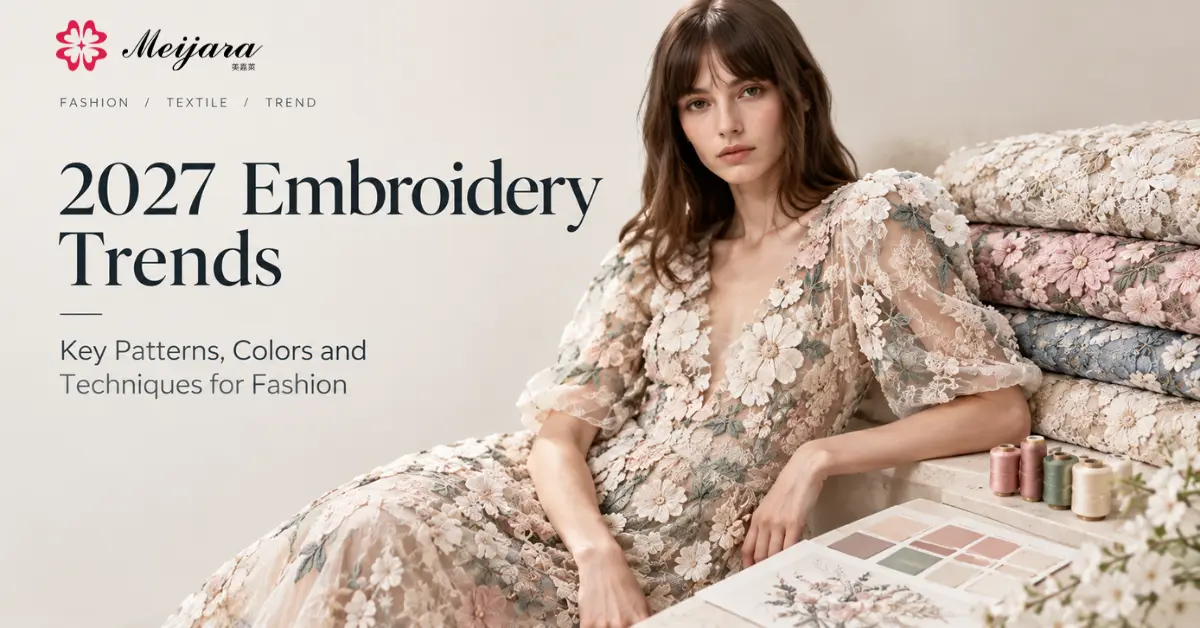

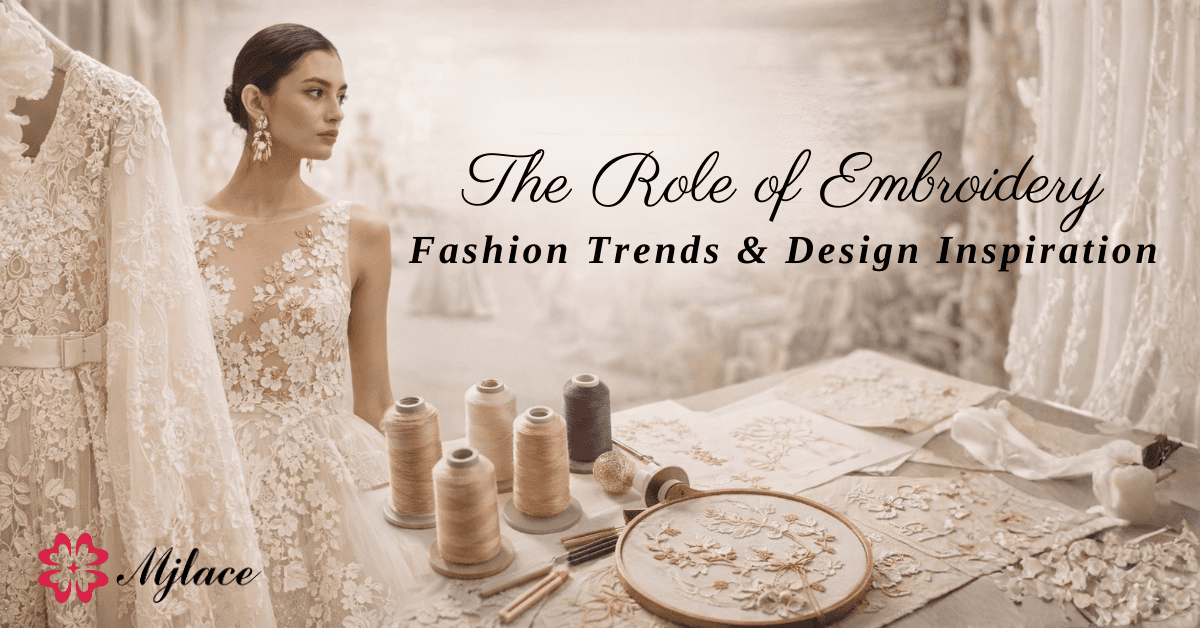

In a world where fashion changes rapidly, design inspiration no longer stems solely from aesthetics . Today's brands must balance creativity, functionality, sustainability, and producibility. As a result, embroidery—once considered purely decorative—has evolved into a crucial design elementshaping modern fashion trends.
From fashion shows to ready-to-wear, embroidery now plays a vital role in clothing design, finishes, and differentiation. This article explores the latest embroidery fashion trends and how designers and brands are translating inspiration into mass-producible designs.
Embroidery as a source of inspiration for modern design
Today's design inspiration often stems from materials and craftsmanship, rather than just the silhouette of the garment. Embroidery offers designers a unique way to incorporate texture, layering, and handcrafted value into clothing.
Why are designers starting to pay attention to embroidery?
-
Add tactile layers to flat fabrics
-
Creating a visual focal point without altering the garment's structure
-
Enhance perceived value with minimal alteration to the outline.
-
Suitable for casual wear, luxury goods, and formal wear.
Unlike printing, embroidery can interact with light, movement, and the drape of fabric, making it a powerful design driver.
Key Embroidery Trends Shaping Contemporary Fashion
2.1 Minimalist Embroidery Placement
One of the most notable trends in recent collections is the reduction of embroidery, but an increase inthe quality of the embroidery.
The designers focused on the following:
-
collar, neckline, cuffs and hem
-
Front middle piece and shoulder position
-
Use small-scale patterns instead of full coverage
This design style complements the simple silhouette, while allowing the embroidery to play a subtle embellishment role.
2.2 Natural and Organic Patterns
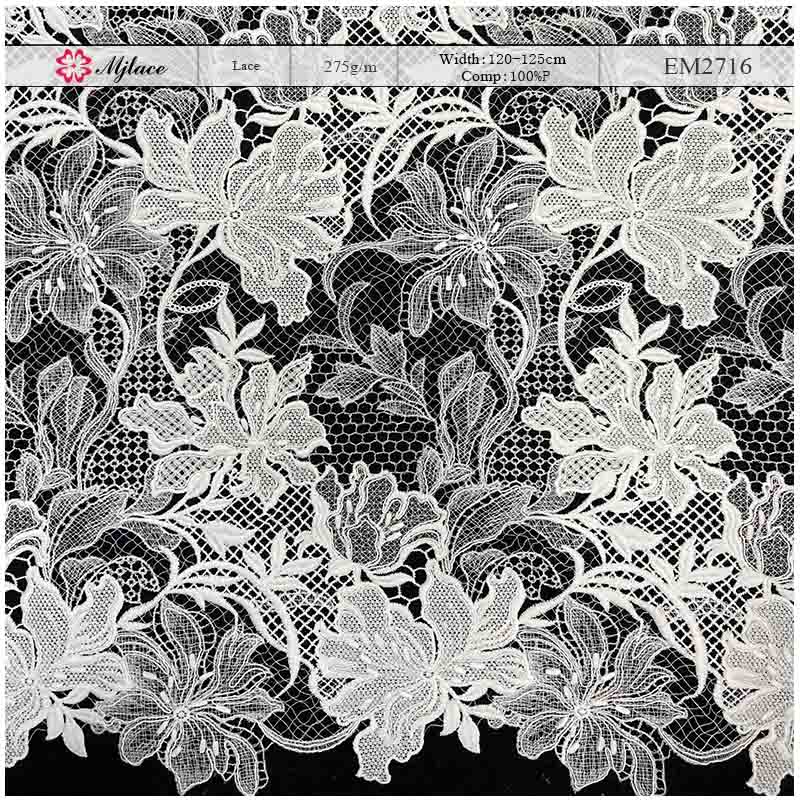
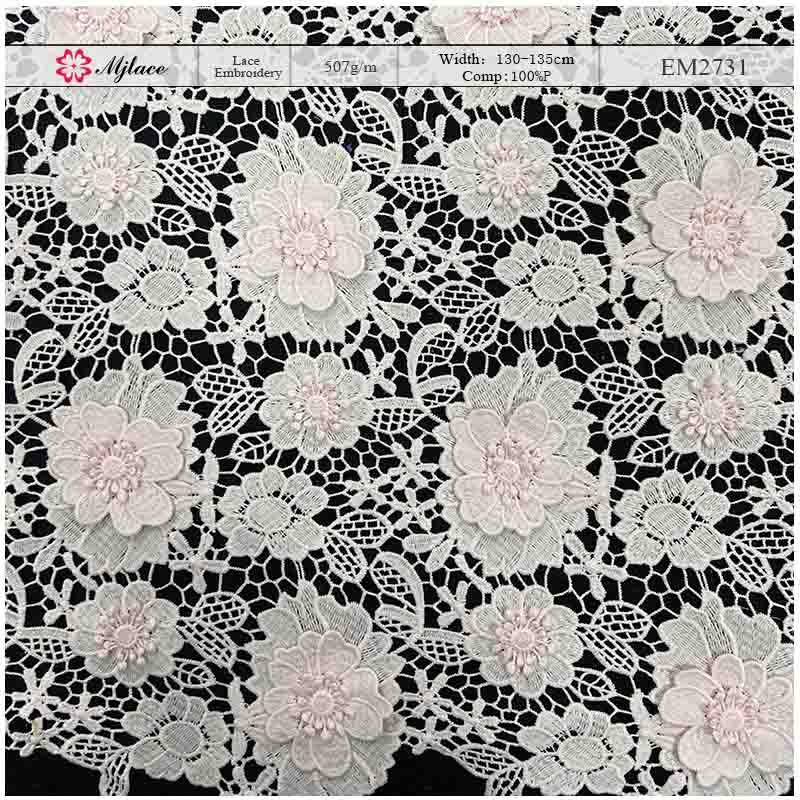
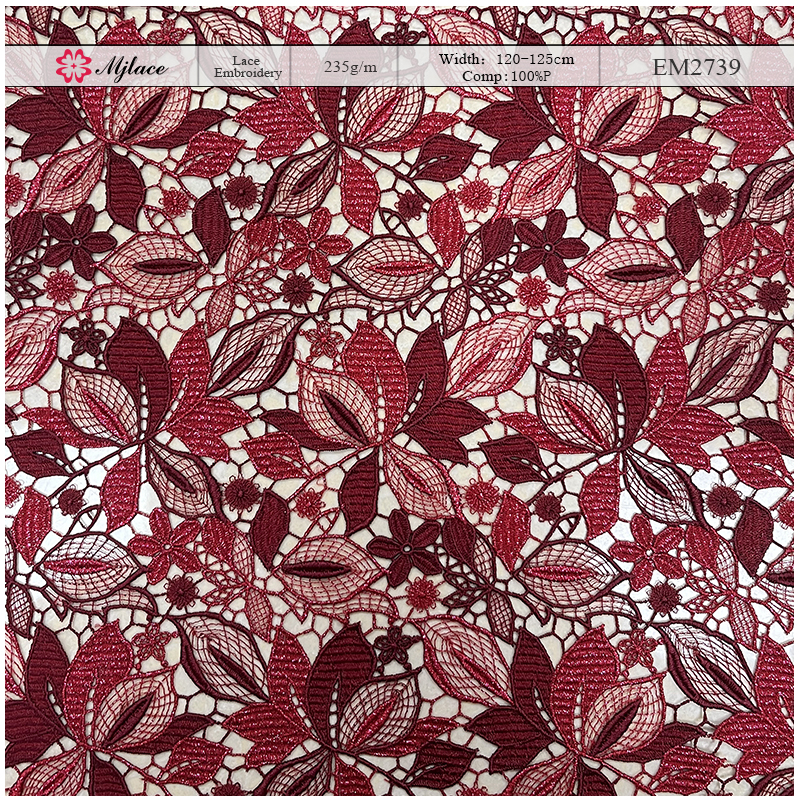
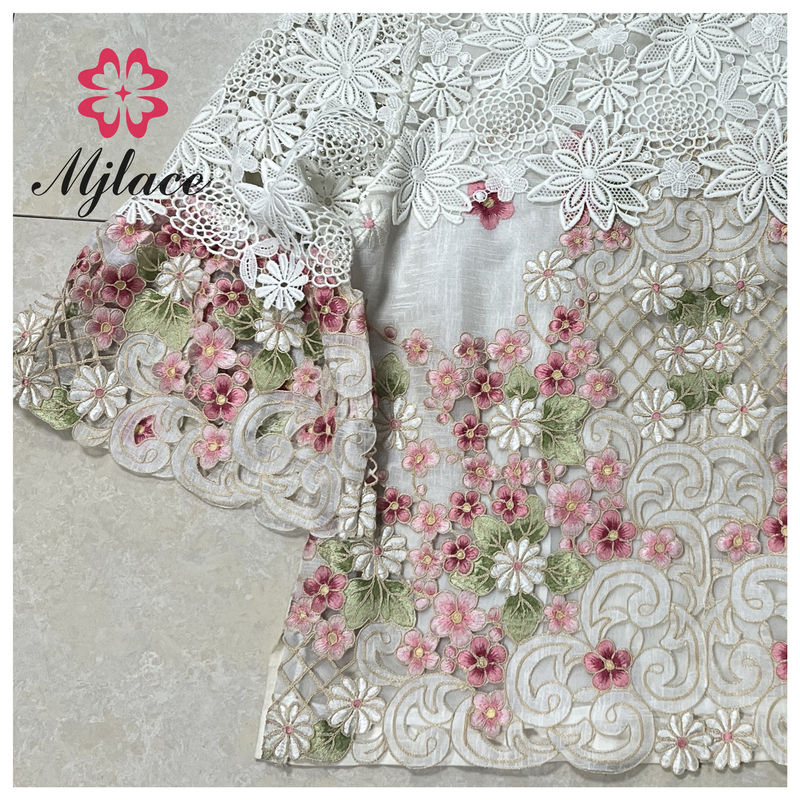
Floral, botanical, and organic-inspired embroidery continues to dominate fashion trends.
Popular patterns include:
-
Hand-painted flowers
-
Leaf and vine patterns
-
Abstract organic forms
These designs pair particularly well with neutral tones and natural fabrics, reinforcing the connection to exquisite craftsmanship and sustainability.
2.3 Texture-driven design
Modern fashion increasingly emphasizes surface texturerather than vibrant colors or heavy structures.
The contributions of embroidery are reflected in:
-
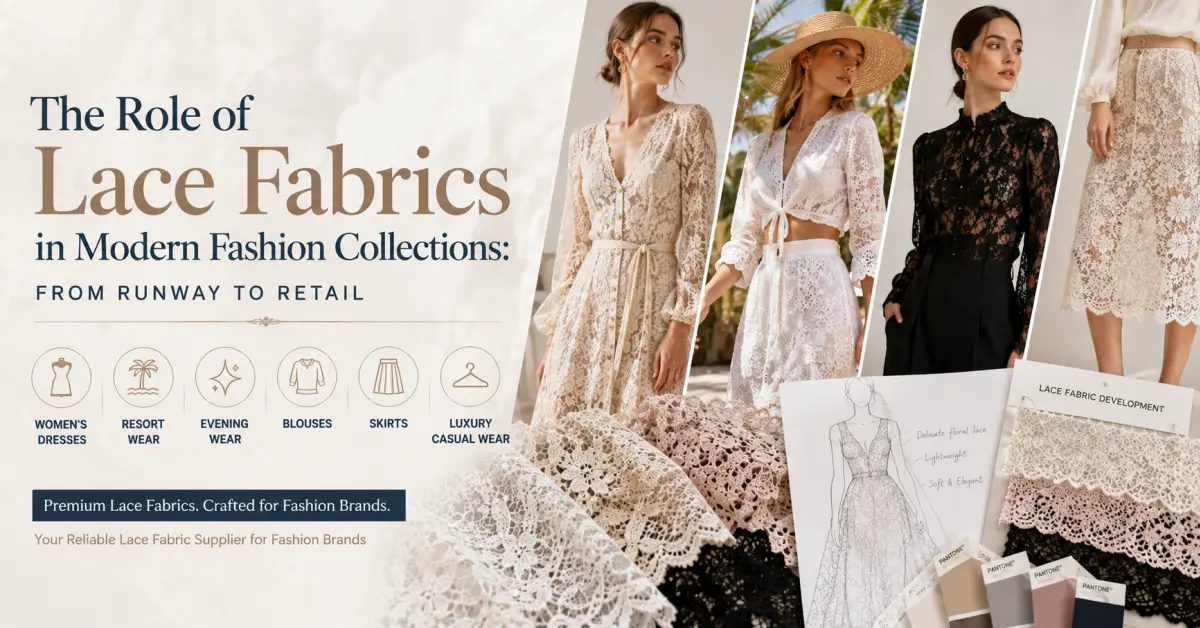
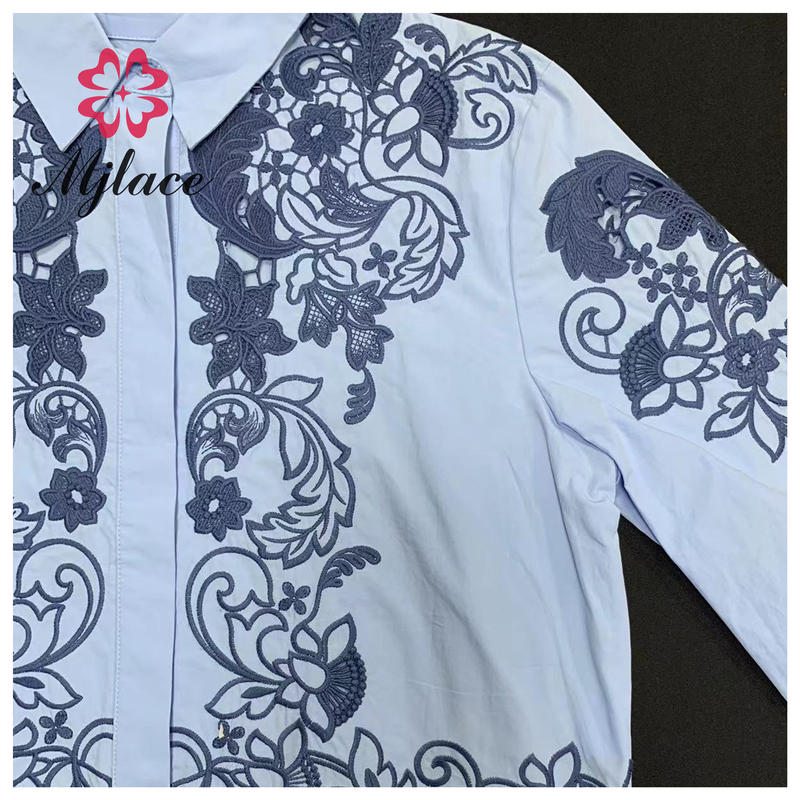
Combine needlework techniques with lace or openwork patterns.
-
Increase depth without increasing weight
This trend is particularly evident in ready-to-wear garments in dress, shirt, and wedding dress styles.
From Inspiration to Production: Using Embroidery as a Design Concept
Successful embroidery designs begin in the early stages of the development process.
Embroidery Design Considerations
-
Fabric compatibility with stitch density
-
Position and garment structure are consistent
-
Pattern proportions relative to garment size
-
Production efficiency and repeatability
Designers who incorporate embroidery into their pattern designs can achieve better visual balance and a smoother production process.
The role of embroidery patterns in modern design trends
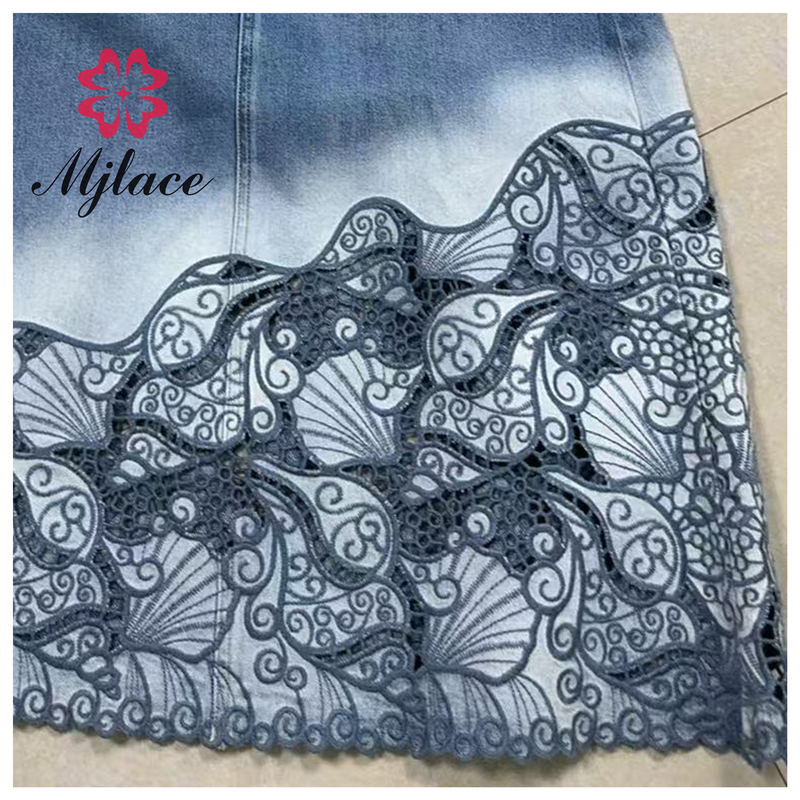
As clothing lines move towards greater customization and smaller-batch production, patchwork embroidery is becoming increasingly popular.
Why can panel embroidery support trendy designs?
-
Reduce fabric waste
-
Design flexibility can be achieved without reprocessing the entire fabric.
-
Simplified sampling and revision
For trend-conscious brands, panel embroidery makes it easier to experiment with new designs while maintaining production efficiency.
Sustainability as a design inspiration
Sustainability is no longer just a production consideration, but a driving force in design.
Embroidery supports sustainable fashion trends in the following ways:
-
Encourage small-batch production
-
Extend the lifespan of clothing by leveraging perceived value.
-
Reduce fabric waste through directional embroidery
-
Supporting slow fashion aesthetics
The handcrafted and ingenious design naturally aligns with the values of environmentally conscious consumers.
Cross-disciplinary inspiration: The most influential field of embroidery
dresses and ready-to-wear
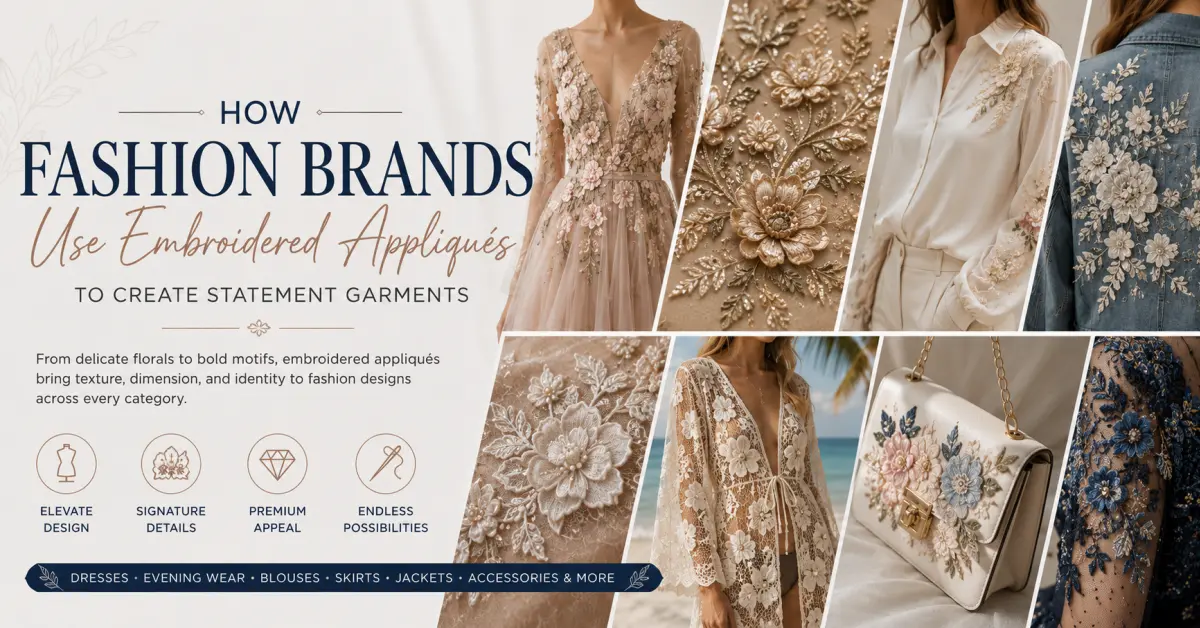
Embroidery can enhance a simple silhouette, turning everyday clothing into an eye-catching piece.
Wedding dresses and evening gowns
Exquisite embroidery and lace patterns remain essential, especially in sophisticated, modern layouts.
Shirts and women's shirts
The openwork embroidery and patchwork details add feminine charm and sophistication, while maintaining comfort.
coat
Embroidery adds softness and artistry to crisp clothing, balancing functionality and aesthetics.
The collision of technology and creativity
Modern embroidery techniques enable designers to bring their inspirations to life at an unprecedented speed.
Innovation drives creative freedom
-
Digital embroidery pattern development
-
High-precision multi-head machine tool
-
Maintaining consistent sewing quality throughout the production process
-
Complex design, controllable cost
These tools enable brands to expand their creative ideas without compromising the integrity of the design.
Utilize embroidery to build brand image
Besides following trends, embroidery can also help brands create highly recognizable design logos.
Consistent embroidery elements—such as recurring patterns, placements, or stitch styles—create visual continuity across different collections and seasons.
This can both strengthen the brand image and promote creative development.
Final words
Fashion trends change rapidly, but design inspiration derived from exquisite craftsmanship and meticulous details never goes out of style. Embroidery bridges the gap between creativity and production, providing designers with a flexible, expressive, and commercially viable design tool.
As modern fashion continues to champion individuality, sustainability, and refined aesthetics, embroidery—especially embroidery incorporating techniques such as appliqué—will continue to be a key source of inspiration for forward-thinking brands.
For designers and manufacturers, embroidery is seen not only as decoration, but also as a design strategythat opens up new possibilities for innovation and long-term brand value.